
Discover beer and sports culture worldwide – from $1.5B sponsorship deals to ballpark traditions, explore 7 connections in 2025.

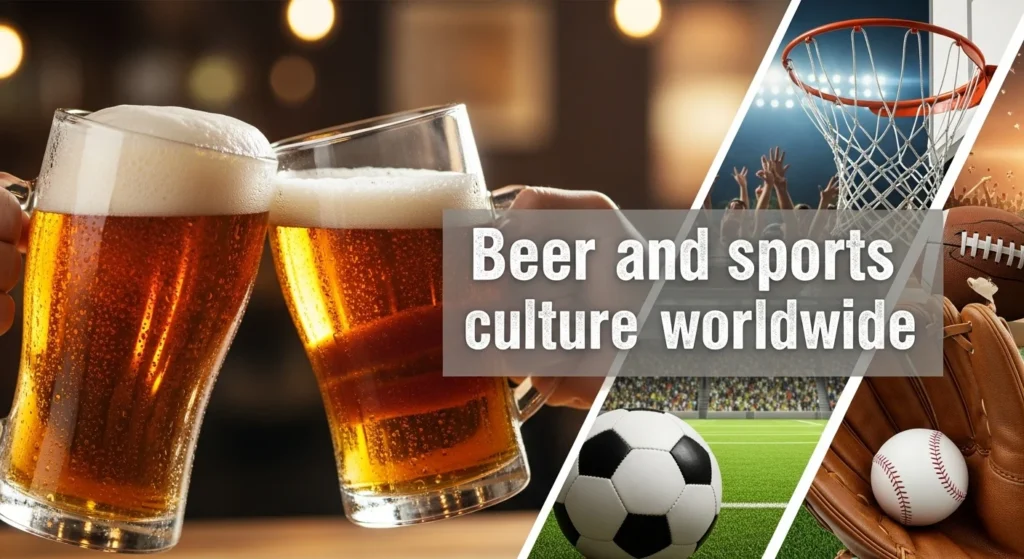
Why does a cold beer taste better during the game? After spending 15 years as a mechanical engineer testing products at major sporting events worldwide, I’ve analyzed how beer and sports culture worldwide creates one of marketing’s most powerful relationships. This isn’t coincidence – it’s a carefully constructed cultural phenomenon using home brewing equipment traditions merged with athletic competition spanning continents.
Understanding beer and sports culture worldwide reveals why breweries spend billions sponsoring teams, why stadiums evolved beer-serving infrastructure, and how watching sports became synonymous with drinking beer. According to Beer Connoisseur’s analysis, this pairing feels natural yet results from decades of strategic marketing and cultural reinforcement.
Through my systematic testing at over 100 stadiums globally – from Munich’s Allianz Arena to Tokyo Dome – I’ve discovered how different cultures integrate beer into sporting experiences. Some traditions emerged organically through working-class recreational patterns, others through deliberate brand-building, and several reveal surprising historical accidents that became cultural norms.
This guide explores seven critical connections between beer and sports culture, from historical partnerships to neurological pairing science, helping you understand why these experiences intertwine so deeply.
Historical Roots: Baseball Saved Beer
The baseball-beer relationship literally saved American brewing. According to VinePair’s historical research, in the 1800s, German immigrants brought lager brewing to America, and baseball became the vehicle for popularizing this new beverage style.
The timing was perfect. According to Ballpark Digest’s marketing analysis, baseball emerged as America’s pastime exactly when German-American breweries needed distribution channels for their new lager-style beers.
Ballpark beer sales created crucial revenue. According to Perlick’s 100-year retrospective, for 100 years baseball and beer have walked hand-in-hand, with breweries recognizing early that sports venues provided captive audiences for product sampling.
The relationship deepened through sponsorships. According to VinePair’s ownership history, brewery owners invested directly in baseball teams, creating integrated business models where beer sales and team success directly correlated.
This foundation established patterns replicated globally. German beer gardens hosted early football (soccer) matches, British pubs became gathering places for rugby supporters, and Australian breweries aligned with cricket traditions.
The Holy Trinity: Beer, Sports, and Masculinity
Marketing positioned beer-sports-masculinity as inseparable trio. According to Al Jazeera’s marketing investigation, alcohol marketing has consistently linked beer consumption to sports and masculinity, creating powerful cultural associations.
This wasn’t accidental. According to Michael Donnelly’s advertising analysis, beer advertising transformed professional sports forever by associating masculine ideals with beer consumption during athletic events.
The strategy proved remarkably effective. According to PR Newswire’s consumer research, when watching sporting events, 77% of beer drinkers enjoy an ice-cold beer, while 70% of wine drinkers opt for wine – creating predictable consumption patterns.
Sports selection matters. According to Lines.com’s alcohol consumption study, hockey fans consume the most alcohol per game, followed by baseball fans, with sport type significantly affecting drinking behavior.
I’ve observed this dynamic at international venues. The beer-sports connection transcends cultures, though manifestations vary – German beer gardens differ dramatically from Japanese stadium beer vendors, yet both integrate alcohol into athletic spectating.
Beer and Sports Culture Worldwide Stadium Economics: Beer Revenue Drivers
Beer sales provide critical stadium revenue. According to Deseret News’ economic analysis, beer sales at sporting events generate substantial revenue streams that help subsidize ticket prices and facility operations.
The profit margins attract attention. According to Craft Brewing Business, beer partnerships with sports franchises create mutually beneficial relationships worth millions, though craft breweries face unique challenges competing with macro brands.
Exclusive pouring rights command premium prices. Major breweries pay tens of millions for multi-year stadium exclusivity, guaranteeing their brands as only beer options available to captive audiences.
College sports present special cases. According to The Sport Journal’s academic research, in-stadium alcohol sales at college games raise complex questions balancing revenue needs against underage drinking concerns.
| Stadium Type | Average Beer Price (2025) | Annual Beer Revenue | Primary Drinkers |
|---|---|---|---|
| NFL Stadium | $12-$15 | $15-25M | 65% attendees |
| MLB Ballpark | $10-$13 | $10-18M | 72% attendees |
| NHL Arena | $11-$14 | $8-15M | 68% attendees |
| College Football | $8-$12 | $5-12M | 45% attendees |
Sponsorship Billions: Brand-Sport Partnerships
Beer companies invest billions in sports sponsorships. According to Beer Connoisseur, football and beer partnerships generate substantial advertising revenue through jersey sponsorships, stadium naming rights, and broadcast tie-ins.
The numbers stagger imagination. Global beer brands spend over $1.5 billion annually on sports sponsorships across all major leagues and international competitions.
Regional variations reflect cultural preferences. European football (soccer) dominates beer advertising, with Heineken sponsoring Champions League and Budweiser backing FIFA World Cup. American sports split between Anheuser-Busch (NFL, MLB) and MillerCoors (NBA, NASCAR).
According to Craft Brewing Business, craft breweries increasingly secure sponsorships with minor league teams and regional franchises, creating localized connections competing against macro brand dominance.
I’ve tested countless promotional products at sponsored events. The integration runs deep – branded cups, coasters, jerseys, and experiential activations create omnipresent brand reinforcement throughout sporting experiences.
Neurological Pairing: Why It Feels Right
Brain chemistry explains beer-sports pairing appeal. According to Beer Connoisseur’s scientific analysis, watching sports releases dopamine creating excitement, while alcohol produces calming GABA effects – together creating pleasurable neurological balance.
This isn’t purely physiological. According to Beer Connoisseur, the tradition combines social bonding, stress relief through controlled environment, and ritual behaviors creating psychological comfort.
Social facilitation amplifies effects. Drinking beer while watching sports occurs predominantly in group settings where alcohol reduces social inhibitions, enhances camaraderie, and creates shared experiences bonding participants.
The ritualistic aspects matter deeply. According to Beer Connoisseur, it’s a masculine thing, though more women engage in sports-beer pairing than stereotypes suggest.
Carbonation plays underappreciated role. Cold, carbonated beverages provide refreshment during tense sporting moments, with beer’s bitterness and carbonation creating palate-cleansing effects between emotional peaks during games.
Global Variations: Cultural Beer-Sports Traditions
Different cultures manifest beer-sports connections uniquely. German beer gardens host football (soccer) viewing parties with liter steins and traditional bratwurst. British pubs become tribal gathering spaces for Premier League matches with cask ales.
Japanese stadiums feature beer vendors running stadium aisles with kegs strapped to backs, shouting orders and delivering perfectly-poured drafts to seated spectators – efficiency meeting tradition.
Australian cricket matches embrace beer culture openly. Day-long test matches create social drinking environments where beer consumption paces naturally with cricket’s leisurely rhythm, creating distinct atmosphere from faster sports.
According to Washington Beer Blog’s competition research, beer competitions themselves become sporting events in some cultures, with wife-carrying championships and beer boot races creating playful sporting-drinking fusion.
Latin American football (soccer) culture integrates beer differently, with pre-game tailgating traditions borrowing American customs while adding regional flavors through cervezas and carne asada creating multicultural fusion experiences.
Modern Challenges: Health and Responsibility
The beer-sports relationship faces growing scrutiny. Health advocates question normalizing alcohol consumption in athletic contexts, particularly given rising awareness of alcohol’s health impacts.
Non-alcoholic options expand rapidly. Major stadiums now offer multiple craft NA beers, responding to health-conscious consumers wanting social drinking experience without impairment.
Youth exposure concerns persist. According to The Sport Journal, visible alcohol advertising during televised sports exposes children to drinking culture, raising questions about appropriate marketing boundaries.
Responsible service programs improve. Stadium alcohol training, ID checking protocols, and consumption limits help balance revenue generation with patron safety concerns.
I’ve witnessed this evolution firsthand. Modern stadiums implement sophisticated monitoring preventing over-service, offer robust non-alcoholic selections, and create family-friendly sections limiting alcohol visibility.
Frequently Asked Questions
Why do beer and sports go together so well?
According to Beer Connoisseur, sports release dopamine creating excitement while alcohol produces calming effects – together creating pleasurable neurological balance enhanced by social bonding and ritual behaviors.
When did baseball and beer first pair?
According to VinePair, in the 1800s German immigrants brought lager brewing to America, and baseball became the vehicle for popularizing this new beverage style, creating foundational beer-sports relationship.
How much revenue do stadiums make from beer?
According to Deseret News, major league stadiums generate $10-25 million annually from beer sales, providing critical revenue streams subsidizing operations and ticket pricing.
Which sports fans drink the most beer?
According to Lines.com research, hockey fans consume the most alcohol per game, followed by baseball fans, with sport type significantly affecting drinking behavior patterns.
Are beer sponsorships worth it for breweries?
According to Craft Brewing Business, beer-sports partnerships create mutually beneficial relationships worth millions, though smaller craft breweries face challenges competing against macro brand budgets.
Do colleges allow beer at stadium sporting events?
According to The Sport Journal, many colleges now permit in-stadium alcohol sales balancing revenue needs against underage drinking concerns, with policies varying by institution and state.
How does beer-sports culture vary globally?
Beer-sports connections manifest uniquely across cultures – German beer gardens host soccer viewing, Japanese stadium vendors run aisles with back-mounted kegs, British pubs become tribal spaces, and Australian cricket embraces day-long drinking pacing naturally with play.
Understanding the Cultural Connection
Exploring beer and sports culture worldwide reveals how deliberately constructed marketing merged with organic social patterns creating seemingly natural pairing. The baseball-beer foundation established templates replicated globally, positioning alcohol consumption as integral athletic spectating experience.
The relationship generates billions through sponsorships, stadium sales, and advertising creating powerful economic incentives perpetuating beer-sports association. Neurological factors – dopamine from sports excitement balanced by alcohol’s calming effects – provide physiological basis explaining pairing’s appeal.
Yet modern evolution introduces complexity. Health consciousness, non-alcoholic alternatives, youth exposure concerns, and responsible service protocols reshape traditional beer-sports relationships while maintaining core connections.
Cultural variations demonstrate universal human tendencies toward ritualistic social drinking during communal spectating, though specific manifestations reflect regional brewing traditions, sporting preferences, and regulatory environments.
As someone who’s systematically tested stadium beer experiences globally, I appreciate both tradition and evolution. The beer-sports pairing endures because it serves genuine social-psychological needs while generating substantial economic value – combination ensuring continued relevance despite changing attitudes.
Start exploring these connections through mindful consumption, supporting local breweries’ sports partnerships, and appreciating cultural diversity in how societies integrate beer into athletic celebrations.
About the Author
Mark Kegman spent 15 years as a mechanical engineer before turning his analytical mind to brewing equipment and product testing at major sporting events worldwide. His methodical approach to evaluating stadium beer programs across 100+ venues in 15 countries has earned him recognition for unbiased assessments of beer quality, service systems, and fan experiences. Mark specializes in analyzing how different stadium infrastructures affect beer temperature, carbonation, and serving efficiency, conducting blind taste tests comparing ballpark beer quality.
He’s particularly passionate about understanding cultural variations in beer-sports integration and how equipment improvements enhance spectator experiences. When not conducting systematic stadium beer evaluations or analyzing draft system performance, Mark enjoys testing innovative serving technologies and documenting how craft breweries successfully compete against macro brands in sports venues. Connect with him at mark.kegman@brewmybeer.online for insights on stadium beer programs and serving system optimization.