

Pairing beer with goat cheese demands careful consideration of both ingredients’ unique profiles. The best beers cut through the cheese’s characteristic tang and creamy texture without overpowering its delicate nuances. My experience points to bright, effervescent, and sometimes tart styles such as Belgian Saisons, Berliner Weisses, and Goses as ideal partners, creating a harmonious balance of acidity, fruitiness, and refreshing finish.
| Beer Style | OG Range | FG Range | ABV Range (%) | SRM Range | IBU Range | Serving Temp (°C) | Why it Pairs |
|---|---|---|---|---|---|---|---|
| Belgian Saison | 1.055-1.070 | 1.006-1.012 | 6.0-8.5 | 5-14 | 20-35 | 8-12 | High carbonation, fruity esters, peppery phenols, dry finish complement tang. |
| Berliner Weisse | 1.028-1.032 | 1.003-1.006 | 2.8-3.8 | 2-3 | 3-8 | Lactic tartness and high carbonation cleanse the palate, refreshing. | |
| Gose | 1.036-1.042 | 1.008-1.012 | 4.2-4.8 | 3-5 | 5-12 | Salty, sour, and coriander notes provide a unique, cleansing contrast. | |
| Belgian Blonde Ale | 1.062-1.075 | 1.008-1.014 | 6.0-7.5 | 4-7 | 20-30 | Fruity, spicy, balanced malt provides a sturdy backbone for aged goat cheese. |
The Brewer’s Hook: Decoding Goat Cheese with the Right Pint
I remember my early days of exploring beer and food pairings, a time filled with both glorious successes and absolute train wrecks. Goat cheese, in particular, was a formidable opponent. Its distinct, often pungent “goaty” aroma and tart, sometimes grassy flavor profile proved challenging. I initially made the mistake of throwing big, hoppy IPAs at it, thinking the bitterness would cut through the richness. What I got instead was a clash of titans, each trying to dominate, resulting in a bitter, unharmonious mess that left a metallic aftertaste. It took years of deliberate experimentation, guided by my brewing background and an obsession with flavor chemistry, to truly understand the nuances needed for a sublime goat cheese pairing. I learned that delicate balance, cleansing acidity, and complementary fruity or phenolic notes are the keys, not overwhelming power. My brewing experience has taught me that often, the most complex flavors are best met with thoughtful subtlety, a lesson I apply rigorously when selecting beers for any pairing, especially with something as expressive as goat cheese.
The Math of Harmonious Pairing: A Flavor Intensity Balancing Index (FIBI)
While pairing beer and cheese might seem like an art, I approach it with a brewer’s precision, breaking down the elements into quantifiable attributes. I’ve developed a conceptual “Flavor Intensity Balancing Index (FIBI)” to guide my pairing decisions. This isn’t a rigid, absolute formula, but rather a framework I use to analyze how different beer and cheese characteristics interact. It helps me predict synergy or conflict based on weighted factors.
| Flavor Attribute | Beer Contribution (Factor A) | Goat Cheese Contribution (Factor B) | Interaction Value (A x B) | Notes |
|---|---|---|---|---|
| Acidity/Tartness | Low (1) – High (5) | Low (1) – High (5) | A * B (Synergistic) | Complementary acidity in beer can enhance or cut through cheese tartness. My target is an interaction value of 6-15. Too low, it’s bland; too high, it’s a sour clash. |
| Fruity Esters/Phenols | Low (0) – High (4) | Herbal/Citrus (1) – Earthy/Animalic (3) | A * B (Synergistic) | Beer esters (apple, pear, spice) can harmonize with the cheese’s underlying fruitiness or herbal notes. A value of 3-10 is often optimal. |
| Carbonation (CO2 vol) | Low (1.8 vol) – High (3.5 vol) | Creaminess (1) – Firmness (3) | Beer CO2 vol / Cheese Firmness (Cleansing) | Higher carbonation (e.g., > 2.8 volumes) actively scrubs the palate, counteracting richness. My sweet spot for CO2/Firmness ratio is 1.0 – 2.0. |
| Bitterness (IBU) | Low (5) – High (60+) | Delicate (1) – Robust (3) | A * B (Conflicting) | Bitterness amplifies the ‘tang’ of goat cheese in an unpleasant way. My threshold for IBU is typically < 30, with an interaction value of < 6. |
| Malt Sweetness/Body | Dry (1) – Sweet (4) | Light (1) – Dense (3) | A * B (Balancing) | A touch of residual sweetness can temper sharp acidity in cheese. For fresh goat cheese, a dry finish is preferred; for aged, a richer malt might work. |
To use my FIBI, I assign scores (1-5 for most attributes) based on the specific beer and goat cheese I’m evaluating. Then I calculate the interaction values. I’m looking for a positive sum from the synergistic/cleansing elements and a negative sum from the conflicting ones. For goat cheese, the target is generally high synergy/cleansing and low conflict. For example, a Berliner Weisse (high acidity, high carbonation, low bitterness) with a fresh, tart chèvre scores highly in synergy and low in conflict, explaining its excellent pairing.
Step-by-Step Execution: Crafting the Perfect Pairing Experience
As a brewer, I believe in a methodical approach to achieve consistent results. Here’s my step-by-step guide to pairing beer with goat cheese, ensuring you get the most out of both:
- Assess the Goat Cheese: Goat cheese isn’t monolithic. A fresh, soft chèvre has a bright, lactic tang. An aged goat cheese might develop nuttier, earthier, and sometimes spicier notes with a firmer texture. Before selecting a beer, I always determine the age and specific flavor profile of the cheese.
- Prioritize Acidity and Carbonation in Beer: For most goat cheeses, especially the fresh, creamy varieties, I look for beers with pronounced acidity or tartness and high carbonation. These elements act as a palate cleanser, cutting through the richness and tartness of the cheese. My go-to is often a Berliner Weisse or a Gose, served at a brisk 4-7°C.
- Consider Ester/Phenol Profiles for Complexity: For goat cheeses that exhibit more nuanced herbal or grassy notes, I pivot towards beers with complementary ester and phenol profiles. Belgian Saisons, with their fruity (apple, pear) and spicy (clove, pepper) characteristics, are fantastic here. I serve Saisons at a slightly warmer 8-12°C to allow their complex aromatics to shine.
- Minimize Bitterness: This is a hard rule for me. High hop bitterness (above 35 IBU) almost always clashes with the lactic acidity and tangy profile of goat cheese, leading to an unpleasant, metallic taste. I steer clear of most IPAs or heavily bittered pale ales for this pairing.
- Match Intensity, Not Overpower: A delicate goat cheese needs a delicate, yet assertive, beer. Don’t drown a fresh chèvre with a hefty stout. Conversely, a richer, aged goat cheese might stand up to a Belgian Blonde Ale or even a lighter Doppelbock, as long as the bitterness remains low.
- Taste Iteratively: My favorite method is to take a small bite of the goat cheese, allow its flavors to develop on the palate, and then take a sip of the beer. Pay attention to how the beer cleanses, complements, or clashes with the residual flavors of the cheese. Sometimes a slight adjustment in beer temperature (e.g., letting a Saison warm up a degree or two) can unlock a new dimension.
- Hydration is Key: Between pairings or cheese varieties, a sip of water helps reset your palate. It’s a simple step, but one I never skip when doing a comprehensive tasting.
- Experiment with Garnishes: While not strictly about beer, I find that a drizzle of honey, a sprinkle of fresh herbs, or a fig jam can dramatically alter the goat cheese’s profile, opening up new beer pairing possibilities. For example, honey-drizzled goat cheese might beautifully complement a lightly malty Belgian Blonde.
Troubleshooting: What Can Go Wrong in Your Goat Cheese Pairing
Even with years of experience, I’ve seen pairings go awry. Here’s what can commonly happen and how to correct it:
- Overpowering the Cheese: This is the most common mistake. A beer that’s too strong in alcohol (e.g., >9% ABV), too bitter (>40 IBU), or too intensely roasted (like an Imperial Stout) will obliterate the subtle nuances of goat cheese, leaving only a memory of the beer.
- My Fix: Scale back the beer’s intensity. Opt for lower ABV, lower IBU, and brighter styles. Think Session Saisons instead of Tripels.
- Metallic or Unpleasant Aftertaste: Often a symptom of high bitterness clashing with the cheese’s lactic acid. The compounds in hops can interact poorly with the caprylic acids in goat cheese, resulting in an astringent or metallic finish.
- My Fix: Strictly adhere to low IBU beers. If you insist on some hop character, choose noble hops or fruity, less resinous varieties in very small amounts, focusing on aroma over bitterness.
- Lack of Synergy (Bland Pairing): Sometimes, the beer and cheese simply exist together without enhancing each other. Neither tastes bad, but neither truly shines. This happens when the beer lacks the necessary acidity, carbonation, or complementary flavors to interact with the cheese.
- My Fix: Introduce more “cleansing” elements. Choose a beer with higher carbonation or a noticeable tartness. Alternatively, find a beer with fruity or spicy notes that echo subtle characteristics in the cheese.
- Temperature Issues: Serving beer too cold can mute its complex flavors, while serving it too warm can emphasize alcohol harshness or undesirable off-flavors.
- My Fix: Follow my recommended serving temperatures for each beer style. A Saison served too cold will lose its expressive esters; a Berliner Weisse served too warm loses its refreshing crispness. This is why I stress temperature control in brewing and serving on BrewMyBeer.online.
Sensory Analysis of a Perfect Pairing
When a beer and goat cheese pairing truly sings, it’s a multi-sensory experience that transcends the individual components. My ideal pairing creates a symphony of sensations:
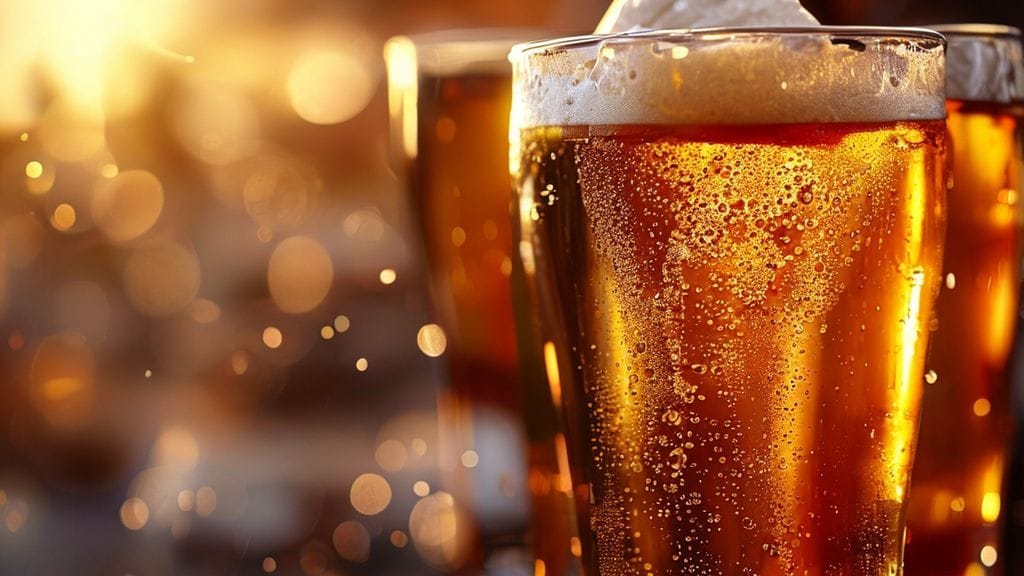
- Appearance: I look for visual harmony. The effervescence of a Saison or Berliner Weisse, with its lively cascade of bubbles, promises a refreshing counterpoint to the creamy, often brilliant white goat cheese. There’s a certain aesthetic pleasure in seeing a vibrant, clear beer alongside a pristine slice of cheese.
- Aroma: This is where the magic often begins. I expect the beer’s aroma to complement, not compete with, the cheese. For a fresh chèvre, I want the bright, citrusy notes of a Berliner Weisse or the peppery, fruity bouquet of a Saison to mingle with the goat cheese’s characteristic lactic tang and earthy undertones. The synergy should lift both profiles, creating a more complex and inviting scent than either alone. I often detect subtle hints of lemon zest, green apple, or a whisper of spice that perfectly frame the cheese’s herbaceousness.
- Mouthfeel: This is critical. The beer’s carbonation should be robust enough to cut through the goat cheese’s rich, sometimes sticky texture, cleansing the palate with each sip. The tartness or acidity of the beer should balance the creaminess, preventing the pairing from becoming cloying. I’m looking for a clean, refreshing finish that prepares my palate for the next bite. The body of the beer should be light to medium, avoiding anything too heavy that would coat the mouth.
- Flavor: The ultimate test. Upon tasting, the beer should either enhance the cheese’s existing flavors or introduce complementary notes that elevate the overall experience. With a Saison, the beer’s spicy phenols might echo a faint peppery quality in the cheese, while its fruit esters bring out the cheese’s underlying sweetness. With a Berliner Weisse, the bright, lactic sourness of the beer will cut through the goat cheese’s tartness, creating a refreshing, almost lemon-like zest on the palate. The goal is a balanced interplay where neither component dominates, but rather, they dance together in delicious harmony. There should be no lingering unpleasant bitterness or overwhelming alcohol heat.
Why Are Hoppy Beers Generally a Bad Idea for Goat Cheese?
From my extensive experience, hoppy beers, particularly those with high bitterness or resinous hop profiles, create an unpleasant clash with goat cheese. The lactic and caprylic acids in goat cheese tend to amplify hop bitterness, leading to a harsh, often metallic, or overly astringent aftertaste. It’s a chemical interaction that results in a flavor profile far less desirable than the sum of its parts. I’ve found it simply scrubs away the delicate nuances of the cheese rather than complementing them.
Does the Age of Goat Cheese Impact Beer Pairing Choices?
Absolutely, age is a significant factor. A fresh, young chèvre (just a few days old) with its bright, tangy, and often herbaceous notes, pairs best with light, tart, and highly carbonated beers like Berliner Weisse or Gose. As goat cheese ages, it develops a firmer texture, nuttier, earthier, and sometimes spicier flavors, losing some of its initial tartness. For these aged varieties, I might lean towards a slightly maltier, less acidic option like a Belgian Blonde Ale or a mellow Brown Ale with low bitterness, whose subtle sweetness can complement the developing savory notes. It’s about matching intensity and flavor evolution.
Can Fruit Beers Successfully Pair with Goat Cheese?
Yes, but with caveats. Certain fruit beers can be excellent partners. For example, a Lambic or a fruit-infused Berliner Weisse (like a raspberry or cherry Berliner Weisse) can work beautifully. The key is that the fruit beer’s primary characteristic should be acidity and freshness, not cloying sweetness or an overly artificial fruit flavor. The fruit notes should be bright and natural, complementing the goat cheese’s inherent tang rather than masking it. I always look for a dry finish in such pairings to avoid overwhelming the palate.