

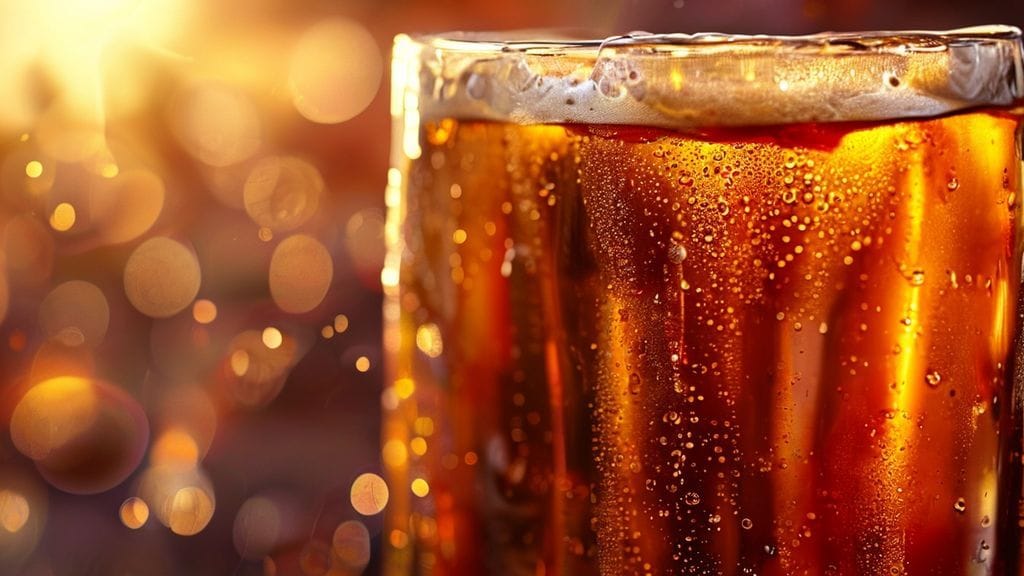
Pairing beer with Paneer Tikka is an exercise in synergy and contrast. I’ve found that the ideal selections are crisp, effervescent lagers (like a Czech Pilsner or Helles), balanced American Pale Ales with moderate hop bitterness, and Belgian Witbiers or German Hefeweizens, which offer refreshing acidity and complementary spice notes. These styles effectively cut through richness, cleanse the palate, and enhance the dish’s smoky, creamy, and spiced profile without overwhelming it.
| Recommended Style | ABV Range (%) | IBU Range | SRM Range | Serving Temp (°C) | Key Pairing Principle |
|---|---|---|---|---|---|
| Czech Pilsner / Helles | 4.5-5.5 | 25-40 | 3-6 | 4-7 | Palate Cleansing, Refreshment, Spice Amplification |
| American Pale Ale (APA) | 5.0-6.2 | 30-45 | 5-10 | 7-10 | Richness Cut, Citrus/Pine Complement |
| Belgian Witbier / Hefeweizen | 4.5-5.5 | 10-20 | 2-6 | 4-8 | Acidity Cut, Spiced Harmony, Refreshment |
When I first ventured into pairing my brews with complex, vibrant cuisine, I made some fundamental mistakes. I’d often lean into the highest IBU beast I had on tap, thinking “bitterness cuts richness.” While that’s true to a point, a truly aggressive IPA can obliterate the nuanced char and creamy texture of a dish like Paneer Tikka. My early attempts resulted in the beer dominating the plate, leaving my guests (and me!) with a hop-burnt palate and the delicate flavors of the paneer lost in the haze. It took years of homebrewing different styles, meticulous sensory analysis, and countless trial-and-error dinners to truly understand the delicate dance between beer and food. The goal isn’t just to find a beer that doesn’t clash; it’s to discover a pairing that elevates both the brew and the bite, creating a synergistic flavor explosion. And believe me, when it comes to the smoky, spiced, and creamy delight that is Paneer Tikka, nailing that pairing is incredibly rewarding.
The Math of Flavor Synergy: Deconstructing the Pairing Dynamics
Understanding beer pairing isn’t just about personal preference; it’s about the interaction of chemical compounds and sensory perception. For Paneer Tikka, we’re dealing with a matrix of flavors: the creamy, lactic notes of paneer and yogurt, the Maillard-reaction-rich char from grilling, the capsaicinoids from chili, and a bouquet of volatile aromatics from spices like cumin, coriander, and garam masala. My approach breaks this down into quantifiable interactions.
Manual Calculation Guide: The Hops-to-Fat-to-Spice Ratio
I’ve developed a simplified ratio that helps guide my pairing decisions. It’s not a rigid formula, but a conceptual framework for balancing bitterness, residual sweetness, and carbonation against the dish’s profile. Here’s how I think about it:
(Beer IBU / Dish Richness Factor) * (Beer Residual Sweetness Factor / Dish Spiciness Factor) * Beer Carbonation Factor = Pairing Success Index (PSI)
- Beer IBU: Directly from your brew specs.
- Dish Richness Factor (DRF): A subjective scale from 1-5 (1=lean, 5=very rich). Paneer Tikka is typically a 3-4 due to paneer and yogurt.
- Beer Residual Sweetness Factor (BRSF): Subjective scale 1-5 (1=dry, 5=sweet). Correlates inversely with apparent attenuation.
- Dish Spiciness Factor (DSF): Subjective scale 1-5 (1=mild, 5=fiery). Paneer Tikka can range from 2-4.
- Beer Carbonation Factor (BCF): Measured in volumes of CO2. I use a scale of 1-3 (1=low, 2=medium, 3=high).
- Ideal PSI Range: From my experience, a PSI between 0.8 and 1.5 indicates a balanced pairing. Below 0.8, the beer is likely overpowered. Above 1.5, the beer dominates.
Let’s take an example: My favorite dry-hopped American Pale Ale. It clocks in at 40 IBU, has a fairly low residual sweetness (BRSF of 2), and a good medium-high carbonation (BCF of 2.5 volumes CO2, translating to a factor of 2.5). For a moderately rich (DRF=3.5), medium-spicy (DSF=3) Paneer Tikka:
PSI = (40 IBU / 3.5 DRF) * (2 BRSF / 3 DSF) * 2.5 BCF
PSI = (11.43) * (0.67) * 2.5
PSI ≈ 19.16
Whoa, that’s high! This tells me my APA might be too bitter or too carbonated for a *moderately* spiced Paneer Tikka, possibly overwhelming it. I’d need to either pick a milder Paneer Tikka (lower DRF/DSF) or a beer with lower IBU and carbonation. This mathematical framework constantly helps me adjust. It pushes me to think beyond “I like this beer” to “Does this beer *work* with this dish?”
The Role of Esters and Phenols
Beyond bitterness and sweetness, I keenly observe the ester and phenol profiles in my beers. In a Belgian Witbier, the phenolic notes of clove (4-vinyl guaiacol) and citrusy esters (ethyl acetate) harmonize beautifully with the coriander and orange zest commonly found in Paneer Tikka marinades. For a Hefeweizen, the banana-like isoamyl acetate esters and clove phenols provide a bridge to the spices, creating a cohesive aromatic experience. These aren’t just random flavors; they are chemical compounds that resonate with similar notes in the food. It’s flavor architecture.
Step-by-Step Execution: Crafting the Perfect Paneer Tikka Beer Pairing
When I’m sitting down to pair a beer with Paneer Tikka, I follow a systematic approach. It’s not just about opening a bottle; it’s about engaging all senses and understanding the dish’s profile.
- Assess the Paneer Tikka’s Intensity:
- Spiciness: Is it mild, medium, or fiery? This dictates how much hop bitterness or residual sweetness you can handle. A higher capsaicin level demands more cleansing carbonation and a slight sweetness to temper the heat.
- Richness/Fat Content: How creamy is the paneer and marinade? The more fat, the more you need a beer with good acidity or high carbonation to cut through it.
- Smoky/Char Notes: Is it grilled over charcoal or pan-fried? Intense char benefits from malty sweetness or even a touch of roasted notes, while lighter char can be enhanced by crispness.
- Herbal/Aromatic Profile: What spices dominate? Cumin, coriander, fenugreek, ginger, garlic, mint? These can be mirrored by certain hop profiles (citrusy, herbal) or yeast esters (spicy phenols).
- Select Your Beer Style Candidates: Based on the assessment, narrow down your choices.
- For moderate richness and balanced spice: My go-to is often a Czech Pilsner or Helles Lager. I look for a serving temperature of **4-7°C**, which enhances its crispness. The clean, bready malt character and moderate hop bitterness (typically **25-40 IBU**) provide a perfect canvas. The high carbonation (around **2.6-2.8 volumes of CO2**) acts as a phenomenal palate cleanser, scrubbing away the richness and refreshing the mouth.
- For richer, perhaps slightly spicier Tikka: I gravitate towards a well-balanced American Pale Ale (APA). I aim for an APA with a serving temperature of **7-10°C**. I make sure it’s not overly aggressive in bitterness; something in the **30-45 IBU** range, with a good balance of citrusy (Cascade, Centennial) or piney (Chinook) hop character. The hops cut through the richness, and their aromatic oils can echo the dish’s spices.
- For Tikka with pronounced herbal or citrus notes: A Belgian Witbier or German Hefeweizen becomes my choice. I serve these a bit warmer, typically **4-8°C**, to allow the yeast-derived esters and phenols to shine. A Witbier with its coriander and orange peel notes (low IBU, generally **10-18 IBU**) will harmonize beautifully. A Hefeweizen with its characteristic banana and clove (also low IBU, **10-20 IBU**) provides a delightful counterpoint and refreshing acidity. The high carbonation (often **3.0-3.5 volumes of CO2**) in these styles is key for refreshment.
- The Tasting Protocol:
- Take a bite of Paneer Tikka, focusing on its full flavor profile: creaminess, char, spice, tang.
- Take a sip of the chosen beer, allowing it to coat your palate. Notice how it interacts. Does it refresh? Does it enhance? Does it clash?
- Repeat. Pay attention to the aftertaste. Does the beer cleanse the palate effectively, preparing you for the next bite, or does it leave an odd lingering sensation?
My goal is always to find that elusive equilibrium where neither the beer nor the food overshadows the other, but rather creates a new, enhanced experience. For more in-depth pairing strategies and brewing tips, I often refer to my extensive resources at BrewMyBeer.online.
Troubleshooting: What Can Go Wrong With Your Paneer Tikka Pairing
Even with the best intentions, pairings can go awry. I’ve certainly had my share of misses. Here’s a rundown of common pitfalls and how to recognize them:
- Overwhelming Bitterness: This is a common mistake. Pairing an overly aggressive West Coast IPA (say, 70+ IBU) with a delicately spiced Paneer Tikka often results in the bitterness dominating everything. The hops can amplify the heat of the chili to an uncomfortable level, or worse, create a metallic, acrid sensation that masks the paneer’s nuanced flavors. You’ll know this if your palate feels stripped, or the spices suddenly seem much hotter.
- Excessive Sweetness: While some residual sweetness can temper heat, too much can make both the beer and the food taste cloying and dull. A very malty, sweet Scottish Ale or a Dessert Stout, for example, might make the Paneer Tikka feel heavy and unappetizing, leaving a syrupy film in your mouth instead of a clean finish.
- Flabby and Underpowered: On the flip side, a beer that’s too light-bodied or low in flavor intensity can simply disappear against the Paneer Tikka. A very light American Lager (e.g., 8-12 IBU, 3.5% ABV) might offer some carbonation for cleansing, but its delicate flavor will be utterly lost against the char and spices, leaving the pairing feeling incomplete.
- Clashing Aromatics: Sometimes it’s not about bitterness or sweetness, but about conflicting aroma profiles. A highly phenolic Saison with strong peppery notes might clash with the specific blend of spices in a marinade if not carefully selected. Similarly, some fruit-forward IPAs can introduce an off-note if their ester profile doesn’t align with the dish.
- Temperature Mismatch: Serving a crisp lager too warm or a complex ale too cold can flatten its flavor and carbonation, impacting the pairing. A beer served too warm can taste flat and boozy, losing its refreshing quality. Too cold, and the subtle aromatics are suppressed. Always adhere to the recommended serving temperatures I outlined.
Sensory Analysis: The Ideal Paneer Tikka & Beer Experience
When the pairing hits that sweet spot, it’s a multi-sensory delight. Here’s what I look for:
- Appearance: The golden hues of a crisp Pilsner or the cloudy straw of a Witbier provide a visual contrast to the reddish-brown char of the Paneer Tikka. It looks inviting, signaling a refreshing experience.
- Aroma: As I bring the beer to my nose, I’m looking for complementary or contrasting aromas. With a Pilsner, it’s a clean, bready malt with a hint of floral hops that offers a clean counterpoint to the smoky, spiced paneer. With a Witbier, I might pick up notes of coriander and orange peel that mirror the marinade’s spices, creating an aromatic bridge. The combined aroma should be harmonious, enhancing the anticipation of the bite.
- Mouthfeel: This is critical. A high-carbonation lager will aggressively scrub the palate clean of the paneer’s creamy texture and residual fats, leaving the mouth refreshed and ready for the next bite. The beer’s crispness cuts through the richness without feeling heavy. A balanced APA will offer a medium body that supports the paneer’s substance, while its moderate bitterness provides a pleasant, cleansing grip.
- Flavor: The core of the experience.
- With a Pilsner: The initial sip is crisp and clean, the bready malt providing a gentle sweetness that balances the char. The hop bitterness acts as a counterpoint to the spices, amplifying their subtle nuances without overwhelming the delicate flavors of the paneer itself. The finish is dry and refreshing, inviting another bite.
- With an APA: I find the hop character harmonizes with the spices, especially if there are citrusy or earthy notes. The moderate bitterness cuts through the richness, while the underlying malt provides enough backbone to stand up to the dish. It’s a more assertive, yet balanced, interplay.
- With a Witbier/Hefeweizen: The refreshing acidity and fruit/spice notes of the beer provide a delightful contrast. The beer’s inherent spiciness (clove phenols, coriander) plays along with the Tikka’s spices, creating a complex, layered flavor profile that is both familiar and exciting. The high carbonation ensures a clean finish, preventing the dish from feeling heavy.
In essence, the perfect pairing makes both the Paneer Tikka and the beer taste better than they would on their own. It’s a testament to the brewer’s art and the chef’s craft, working in concert to create a memorable culinary moment. And that’s what I live for, both in my brewhouse and at my dining table. For more detailed guides and brewing tips, make sure to visit BrewMyBeer.online.
What makes Paneer Tikka challenging to pair with beer?
The complexity lies in its multifaceted flavor profile: the creamy, lactic notes of paneer and yogurt, the smoky char from grilling, and a rich, aromatic spice blend (cumin, coriander, ginger, garlic, chili). These elements, particularly the dairy richness and the often-variable heat, require a beer that can both cleanse the palate and complement the diverse aromatics without overpowering the delicate paneer.
Can I pair a stout or porter with Paneer Tikka?
Generally, I advise against it. The roasted malt character and often higher alcohol content of stouts and porters tend to clash with the spices and can make the dish taste metallic or overly heavy. The sweetness in some stouts might also create an cloying effect against the creamy paneer. There are exceptions, perhaps a very dry Irish stout or a lighter porter, but it’s a high-risk pairing.
How does carbonation influence the pairing?
Carbonation is a secret weapon in beer pairing, especially with rich or spicy foods. High levels of CO2 create a “scrubbing” action on the palate, cutting through fats and refreshing the taste buds. This is crucial for Paneer Tikka, where the creamy paneer and yogurt marinade can otherwise coat the mouth. It also helps to dissipate capsaicin (the heat compound), making the dish feel less spicy and enhancing the underlying flavors.