

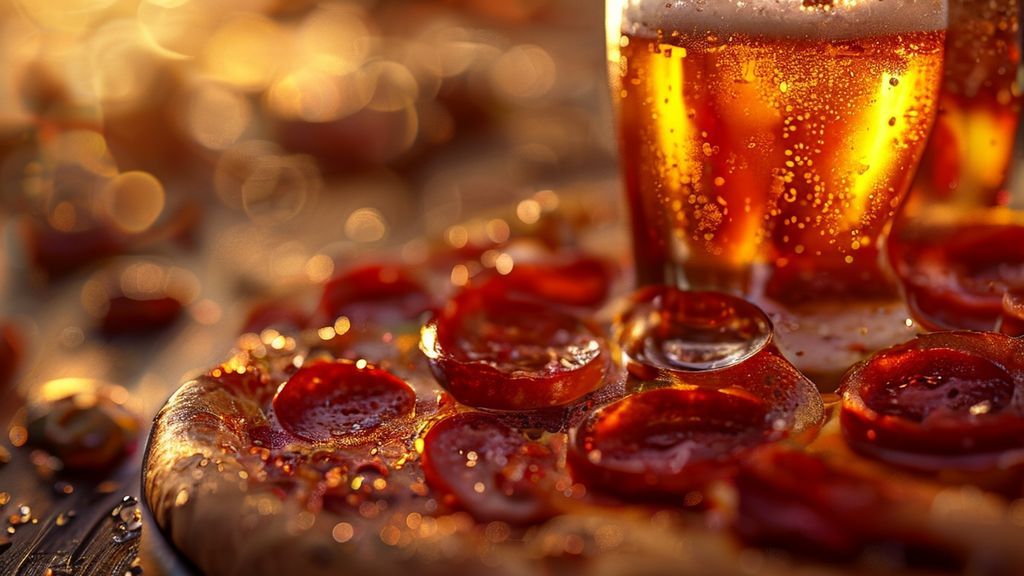
Pairing beer with pizza isn’t just about grabbing a cold one; it’s a scientific endeavor in flavor synergy. For classic Pepperoni, I consistently recommend a robust American Pale Ale or a dry Irish Stout to cut through its rich fat and spice. For a fresh Vegetable pizza, a crisp Witbier or a clean Helles Lager brightens and complements its diverse, lighter profile without overpowering.
| Beer Style | Primary Pizza Pairing | OG Range | FG Range | ABV Range (%) | IBU Range | SRM Range |
|---|---|---|---|---|---|---|
| American Pale Ale | Pepperoni Pizza | 1.045 – 1.060 | 1.008 – 1.015 | 4.5 – 6.2 | 30 – 50 | 5 – 10 |
| Dry Irish Stout | Pepperoni Pizza | 1.036 – 1.050 | 1.007 – 1.011 | 4.0 – 5.0 | 25 – 45 | 25 – 40 |
| Amber Ale | Pepperoni Pizza | 1.048 – 1.060 | 1.010 – 1.015 | 4.5 – 6.2 | 25 – 40 | 10 – 17 |
| Witbier | Vegetable Pizza | 1.044 – 1.052 | 1.008 – 1.012 | 4.5 – 5.5 | 10 – 20 | 2 – 4 |
| Helles Lager | Vegetable Pizza | 1.044 – 1.048 | 1.008 – 1.012 | 4.7 – 5.3 | 16 – 22 | 3 – 5 |
| Saison | Vegetable Pizza | 1.055 – 1.080 | 1.004 – 1.012 | 5.0 – 9.5 | 20 – 40 | 5 – 14 |
The Brewer’s Hook: More Than Just a Slice
When I first started dabbling in homebrewing over two decades ago, my pairing strategy for pizza was pretty rudimentary: “Is it cold? Good enough.” That’s a rookie mistake, one I see far too often. I quickly learned that just as a specific hop schedule can elevate a grain bill, the right beer pairing doesn’t just complement a pizza; it transforms it. My experience has taught me that pizza, despite its humble origins, is a complex dish. You have the acidity of the tomato sauce, the umami bomb of cheese, the richness of fats, and the diverse flavor profiles of various toppings. Simply put, a single beer cannot conquer all pizza. This article distills my 20 years of hands-on experimentation, analysis, and a few glorious failures, into a systematic approach for pairing beer with two of the most popular pizza archetypes: the bold, savory Pepperoni, and the vibrant, often nuanced, Vegetable.
The Math: My Flavor Vector Analysis for Optimal Pairing
Forget subjective “tastes good to me.” My approach to beer and food pairing, especially with something as dynamic as pizza, is rooted in what I call “Flavor Vector Analysis.” This isn’t just theory; it’s the framework I’ve used to consistently achieve harmonious pairings in my own brewery and at home. It quantifies the dominant characteristics of both the beer and the food, allowing for predictable interactions.
Manual Calculation Guide: The Pairing Index
To assess potential synergy, I assign a score (on a scale of 1-5, where 5 is highest intensity) to key sensory vectors for both the pizza and the beer. I then apply simple arithmetic to predict interaction types: cut, complement, or contrast.
| Flavor Vector | Pepperoni Pizza (Score 1-5) | Vegetable Pizza (Score 1-5) | Beer Trait (Score 1-5) | Interaction Type |
|---|---|---|---|---|
| **PIZZA: FAT/RICHNESS** | 4.5 | 2.0 | **BEER: BITTERNESS / CARBONATION** | CUT (High Beer IBU/CO2 ÷ High Pizza Fat) |
| **PIZZA: ACIDITY** (Tomato Sauce) | 3.0 | 3.5 | **BEER: MALT SWEETNESS / ESTERS** | BALANCE (Beer Malt/Esters ↔ Pizza Acidity) |
| **PIZZA: SPICE/UMAMI** | 4.0 | 2.5 | **BEER: HOPS (Citrus/Pine) / ROAST / PHENOLS** | COMPLEMENT (Matching notes) |
| **PIZZA: EARTHINESS/HERBAL** | 1.5 | 4.0 | **BEER: YEAST ESTERS / SPICES (Coriander)** | ENHANCE (Similar botanical notes) |
My “Pairing Index” (PI) isn’t a single number but a qualitative assessment based on the sum of these interactions. A high PI signifies a strong, balanced pairing, while a low PI suggests clashes or an overpowering effect. For instance, if a pizza has a high Fat/Richness score (e.g., 4.5 for Pepperoni) and the beer has a high Bitterness/Carbonation score (e.g., 4.0 for a robust Pale Ale), the “CUT” interaction is strong, leading to a higher overall PI for that specific dimension. This systematic approach ensures I’m not just guessing, but constructing a pairing hypothesis based on quantifiable characteristics.
Step-by-Step Execution: Crafting the Perfect Pizza Pairing
Here’s how I methodically approach pairing beer with specific pizza styles, applying the Flavor Vector Analysis to ensure a successful marriage of flavors.
1. Deconstruct the Pizza Profile
- **Identify Dominant Flavors:** Is it fat-forward, acidic, spicy, earthy, or fresh?
- **Assess Intensity:** How strong are these flavors? A light veggie pizza demands a different intensity beer than a heavily loaded meat supreme.
- **Consider Texture/Mouthfeel:** Chewy, crispy, gooey, oily? This dictates the cleansing action required from the beer.
2. Analyze Beer Characteristics
- **Bitterness (IBU):** Crucial for cutting through fat and rich sauces.
- **Malt Profile (SRM, sweetness):** Provides balance to acidity, complements sweetness in some toppings, or adds body.
- **Yeast Character (Esters/Phenols):** Can complement fruity, spicy, or earthy notes in toppings.
- **Carbonation:** Acts as a palate cleanser, lifting fats and refreshing the mouth.
- **Alcohol (ABV):** Contributes warmth, body, and can enhance spiciness or richness.
3. Select Specific Styles: My Go-To Pairings
For Pepperoni Pizza: The Fat & Spice Crusher
Pepperoni pizza is a beast of fat, spice, and savory umami, often with a tangy tomato base. My goal is to cleanse the palate, cut through the richness, and complement the spice without extinguishing it.
-
American Pale Ale (APA): This is my workhorse for pepperoni.
- **Why it works:** Its moderate bitterness (typically **30-50 IBU**) and often citrusy or piney hop character directly cut through the pepperoni’s fat and oil. The carbonation provides crucial palate cleansing. The relatively balanced malt profile (often **5-10 SRM**) offers a slight sweetness to balance the tomato acidity and spicy kick. I’ve found an APA brewed with Cascade or Centennial hops at around **5.5% ABV** to be an almost perfect match.
- **My experience:** I once tried a session IPA with pepperoni, thinking the lower ABV would be lighter. While pleasant, the reduced hop intensity (under 25 IBU) just couldn’t stand up to the fat, leaving a cloying finish. Lesson learned: you need sufficient IBU to combat richness.
-
Dry Irish Stout (German Lager for a change): An unconventional, yet incredibly effective choice.
- **Why it works:** The pronounced roasted barley character (giving **25-40 SRM**) introduces a dry, coffee-like bitterness that acts remarkably like a palate scrub brush for rich fats. Its typically low carbonation (but still enough to cleanse) and very dry finish (often **1.007-1.011 FG**) leave the mouth clean. It doesn’t fight the spice; it complements the savory, almost cured meat notes. Think Guinness.
- **My experience:** The first time I tried a Dry Stout with pepperoni, I was skeptical. The perceived bitterness and dryness, however, were transformative. It’s a pairing that respects the pizza’s weight while offering a unique contrast.
-
Amber Ale: A milder, more malty option.
- **Why it works:** With its caramel and toasted malt notes (typically **10-17 SRM**) and moderate bitterness (**25-40 IBU**), an Amber Ale offers a lovely balance. The malt sweetness can round out the spiciness of the pepperoni, making the overall experience smoother and slightly sweeter, while still providing enough bitterness to cut through some fat.
For Vegetable Pizza: The Fresh & Earthy Enhancer
Vegetable pizza often features a medley of flavors: fresh bell peppers, earthy mushrooms, tangy olives, sweet onions, and a classic tomato and cheese base. The goal here is to enhance freshness, complement herbal/earthy notes, and avoid overpowering delicate flavors.
-
Witbier (Belgian White): My absolute top choice for fresh vegetable pizzas.
- **Why it works:** The signature coriander and orange peel notes of a Witbier (often **10-20 IBU**, **2-4 SRM**) beautifully complement fresh vegetables like bell peppers, onions, and even spinach. Its high carbonation and light body (typically **4.5-5.5% ABV**) provide a refreshing, zesty counterpoint that doesn’t overwhelm. The slight tartness from the wheat and yeast esters can also brighten the tomato sauce.
- **My experience:** I once brewed a Witbier specifically for a summer garden pizza party. The synergy between the beer’s citrusy spice and the fresh basil and roasted red peppers on the pizza was astonishing. It felt like the beer was lifting and highlighting every individual vegetable flavor. For more insights on crafting your own Witbier, check out BrewMyBeer.online.
-
Helles Lager (German Lager): The ultimate clean canvas.
- **Why it works:** A crisp, clean Helles Lager (16-22 IBU, **3-5 SRM**) is a master of non-interference. Its delicate bready malt character and gentle hop bitterness make it an exceptional palate cleanser, allowing the individual flavors of the vegetables to shine. It’s highly carbonated and refreshing, cutting through cheese without adding competing flavors. It’s about subtle enhancement and refreshment.
- **My experience:** When I’m working with a highly varied vegetable pizza, especially with delicate greens, a Helles ensures no single element is overwhelmed. It’s about purity and balance.
-
Saison (Farmhouse Ale): For the more adventurous vegetable pizza.
- **Why it works:** Depending on the yeast strain, Saisons can offer peppery phenols, fruity esters, and a very dry, effervescent finish (often **5.0-9.5% ABV**, **20-40 IBU**). These complex characteristics can beautifully complement earthy mushrooms, bell peppers, and even artichokes. The high carbonation and dry finish are also excellent for cleansing the palate.
Troubleshooting: What Can Go Wrong and How to Fix It
Even with the best intentions, pairings can sometimes fall flat. Here are common pitfalls and my solutions:
- **Mismatching Intensity:**
- **Problem:** A delicate lager with a super-spicy pepperoni, or an aggressive Imperial Stout with a simple Margherita. The weaker element gets obliterated.
- **My Fix:** Always match intensity first. Strong flavors need strong beers (high ABV, IBU, malt complexity). Lighter flavors need lighter, more refreshing beers.
- **Clashing Flavors:**
- **Problem:** An overly hoppy IPA can turn a tomato sauce metallic, or a sweet beer can make savory toppings taste odd.
- **My Fix:** Identify the clashing element. If bitterness is the issue with acidity, opt for a maltier, less bitter beer or one with complementary fruity esters (e.g., a Saison for some vegetable pizzas). If sweetness is the problem, go for a drier finish.
- **Palate Fatigue:**
- **Problem:** Rich, fatty pizza without a beer to cleanse, leading to a cloying sensation.
- **My Fix:** This is where carbonation and bitterness shine. Ensure your chosen beer has sufficient carbonation (aim for at least 2.5 volumes of CO2) and appropriate IBU levels to cut through the fat. This is why I stress these metrics so much in my brewing.
- **Overpowering Yeast Character:**
- **Problem:** Certain yeast strains produce very dominant flavors (e.g., phenolic Belgian strains) that can overwhelm delicate pizza toppings.
- **My Fix:** For delicate pizzas, choose beers with cleaner yeast profiles (lagers, American ales). Reserve complex, yeasty beers for pizzas with equally robust, complementary flavors, like a mushroom-heavy pizza with a Belgian Dubbel.
Sensory Analysis: The Paired Experience
This is where the rubber meets the road. It’s not just about the beer or the pizza in isolation, but how they elevate each other.
- Appearance: Observe the visual harmony. The vibrant amber of an American Pale Ale alongside the rich reds and browns of pepperoni, or the hazy golden glow of a Witbier complementing the fresh green and red hues of a veggie pizza. A good pairing should look inviting.
- Aroma: Inhale deeply after a bite of pizza and a sip of beer. For Pepperoni and APA, I expect the citrusy hop aromatics to lift the savory, spicy notes of the pepperoni, perhaps even introducing a new, brighter dimension. With a Veg pizza and Witbier, the subtle spice of the coriander and orange peel should intertwine with the fresh herbs and vegetables, creating a more complex, unified fragrance.
- Mouthfeel: This is critical for palate cleansing. With Pepperoni and a Dry Irish Stout, the stout’s dry, roasted character should efficiently strip away the fatty residue from the cheese and meat, leaving the palate refreshed and ready for the next bite. For a light Veg pizza, the high carbonation of a Helles Lager should gently scrub the palate clean, enhancing the crispness of the vegetables rather than coating it.
- Flavor: The ultimate test. Does the beer enhance, contrast, or balance? With Pepperoni and an Amber Ale, I look for the amber’s caramel notes to beautifully round out the pepperoni’s spice, creating a smoother, richer overall flavor. For a Vegetable pizza and a Saison, the beer’s peppery yeast notes and fruity esters should find echo in the pizza’s fresh ingredients, creating a more integrated, rustic taste experience. The goal is a synergistic experience where both components taste better together than apart. For more expert advice, visit BrewMyBeer.online.
What Makes a Good Beer Pairing for Pizza?
A good pairing either cuts through the dominant characteristics of the pizza (e.g., bitterness cutting fat), complements specific flavors (e.g., citrus hops with spicy pepperoni), or contrasts them in a pleasant way (e.g., dryness against sweetness). The key is balance and synergy, ensuring neither the beer nor the pizza overpowers the other, but rather highlights the best aspects of both.
Can I Use an IPA with Pepperoni Pizza?
Absolutely, but with caveats. A West Coast IPA, with its aggressive bitterness (often **60+ IBU**) and resinous hop character, can effectively cut through the fattiness of pepperoni and stand up to its spice. However, if the IPA is too intensely bitter or too fruit-forward, it might clash with the tomato sauce or overwhelm the savory notes. I recommend a balanced IPA, perhaps one with a strong malt backbone, rather than a super dry, hop-extract heavy brew.
Are There Specific Pizza Sauces That Influence Beer Pairing More?
Definitely. A white sauce pizza (e.g., garlic, olive oil, ricotta) lacks the acidity of a tomato-based sauce. This means you might want a beer with a bit more acidity (like a Gose or Berliner Weisse for some veggie/herb white pizzas) or a cleaner, malty lager to avoid any cloying sensation. Pesto-based pizzas, with their herbal intensity, might lean towards beers with complementary herbal or spicy yeast notes, like certain Saisons or even a light Pilsner to let the pesto shine.
How Important is Carbonation in Pizza Beer Pairings?
Extremely important. I’d argue it’s as crucial as bitterness. High carbonation (often 2.5-3.0+ volumes of CO2) acts as a palate scrub, physically lifting and cleansing fats, oils, and residual flavors from the mouth. This is particularly vital for rich, fatty pizzas like pepperoni or those heavily laden with cheese. Without sufficient carbonation, the palate can quickly become fatigued and coated, diminishing the enjoyment of successive bites.