

Pairing beer with Tandoori Chicken is about synergy: balancing robust spices, smoky char, and rich marinade. My experience shows that crisp lagers with a clean finish, hop-forward but not aggressively bitter IPAs, or bright, fruity saisons excel. These styles offer palate cleansing, complement the subtle char, and either temper or harmoniously integrate with the heat, elevating the entire dining experience.
| Recommended Beer Style | ABV Range | IBU Range | SRM Range | Key Characteristics for Pairing | Pairing Rationale |
|---|---|---|---|---|---|
| Bohemian Pilsner | 4.2% – 5.4% | 35 – 45 | 3 – 6 | Crisp, bready malt, floral/spicy hops, clean finish, high carbonation. | High carbonation and crispness cut through richness; moderate bitterness cleanses palate; bready malt offers a subtle counterpoint to spice without sweetness. |
| American Pale Ale (APA) | 4.5% – 6.2% | 30 – 50 | 5 – 10 | Citrusy/piney hops, moderate malt backbone, balanced bitterness. | Hop aromatics (citrus, tropical fruit) can echo spices; bitterness provides palate reset; malty backbone stands up to char and spice without overwhelming. |
| Saison/Farmhouse Ale | 5.0% – 7.0% | 20 – 35 | 5 – 14 | Earthy, peppery yeast phenolics, fruity esters, high carbonation, dry finish. | Yeast-derived spice notes complement the Tandoori marinade; high carbonation and dry finish cleanse the palate; fruity notes can temper heat. |
| Belgian Dubbel | 6.0% – 7.6% | 15 – 25 | 10 – 17 | Rich malty sweetness, dark fruit esters, moderate alcohol warmth, low bitterness. | Malty sweetness provides a direct counterpoint to spice heat; dark fruit notes can harmonize with complex marinade flavors; higher ABV cuts richness. |
| Dry Stout (e.g., Irish Stout) | 4.0% – 5.0% | 25 – 45 | 25 – 40 | Roasted barley bitterness, dry finish, light body, coffee/chocolate notes. | Roast character complements the char of the Tandoori chicken; dry finish and bitterness cleanse the palate; low residual sweetness prevents cloying. |
The Brewer’s Hook: Navigating the Culinary Minefield
I still wince remembering my first attempt at pairing beer with Tandoori Chicken. It was back in ’07, a homebrewed stout – a rich, chocolatey behemoth, a labor of love for me. I was so proud of its robust roasted notes, its creamy mouthfeel. The Tandoori Chicken, on the other hand, was my wife’s specialty: marinated for 24 hours in yogurt, ginger, garlic, and a proprietary blend of spices, then roasted in our backyard tandoor until the edges caramelized beautifully. I thought the deep roast of my stout would mirror the char, creating a symphony. Oh, how wrong I was.
The result? A clash. The stout’s residual sweetness and heavy body amplified the Tandoori’s capsaicin heat to an unbearable level, turning the meal into a fiery ordeal. The roast flavors, instead of complementing, became acrid against the delicate spice blend. My palate was wrecked, and the subtle nuances of both the beer and the chicken were lost in a cacophony of overwhelming flavors. It was a pivotal moment for me, forcing a deep dive into the true science of flavor interaction. From that day, I vowed to approach food pairing with the same technical rigor I apply to my brewing. This isn’t just about ‘what tastes good’; it’s about understanding chemical compounds, specific gravity, and how they dynamically interact on the palate. I learned that what you drink with your food is as crucial as the ingredients themselves, and I’m here to share my refined approach on BrewMyBeer.online.
The “Math” Section: Deconstructing Flavor Dynamics for Optimal Pairing
When I approach a pairing, I don’t just guess. I break down both the food and the beer into their fundamental components, almost like formulating a mash bill. For Tandoori Chicken, I analyze its core profile:
- Spiciness (Heat Units): Primarily from capsaicinoids. How intense? Does it linger?
- Acidity: From the yogurt marinade (lactic acid). How tart?
- Fat/Richness: From the chicken, residual marinade, and any basting. How much mouth coating?
- Char/Maillard Reaction: From the tandoor oven, creating savory, often slightly bitter compounds.
- Aromatics: Ginger, garlic, garam masala (cumin, coriander, cardamom, cloves, etc.). Are they earthy, floral, pungent?
For the beer, I consider the following key metrics and how they interact:
- ABV (Alcohol by Volume): Alcohol can cut through richness and cleanse the palate. However, too high an ABV (over 7.5-8%) can amplify heat. My sweet spot for Tandoori Chicken is often 4.5% to 7.0%.
- IBU (International Bitterness Units): Bitterness cleanses the palate and can stand up to some richness. For Tandoori, I look for moderate bitterness (25-45 IBU). Overly bitter beers (60+ IBU) will often clash with spice, creating an unpleasant metallic or astringent sensation. The hop oils themselves also contribute aroma.
- Final Gravity (FG) / Residual Sweetness: This is critical. A higher FG (e.g., 1.012-1.018) indicates more residual sugars, which can temper spice heat by coating the palate. A lower FG (e.g., 1.006-1.010) results in a drier beer, which excels at cleansing but offers less heat mitigation. I often calculate a perceived sweetness based on FG and malt bill. For a typical pale ale, an FG around 1.010-1.012 provides enough malt backbone without being cloying. For a Belgian Dubbel, an FG of 1.014-1.018 offers significant heat mitigation.
- Carbonation: High carbonation (2.5-3.0 volumes of CO2) acts as a palate scrubber, lifting fats and spices. It’s an often-underestimated tool in pairing.
- Yeast Profile: Esters (fruity notes) and phenolics (spicy, peppery notes) from yeast can either complement or clash. A Saison’s peppery phenolics, for instance, can beautifully echo the Tandoori spices.
The Brewer’s Pairing Efficacy Index (BPEI) – A Conceptual Formula
While not a precise scientific measure, I use a mental framework I call the Brewer’s Pairing Efficacy Index (BPEI) to quickly assess potential pairings. It’s a heuristic based on my experience, where higher values indicate a more harmonious pairing, particularly for dishes with moderate spice and char like Tandoori Chicken. I aim for a balance, not necessarily the highest score.
BPEI = ( (ABV * 1.5) + (Carbonation Volumes * 5) + (Residual Sweetness Factor * 10) ) - ( (IBU * 0.5) + (Perceived Spice Heat * 3) ) + (Malt Character Score * 2)
- ABV: A higher value (within limits) helps cut richness.
- Carbonation Volumes: Higher carbonation provides palate cleansing. (Typical range 2.2-2.8)
- Residual Sweetness Factor: My personal measure, typically 1 for dry beers (FG < 1.010), 2 for balanced (FG 1.010-1.014), 3 for sweet (FG > 1.014). This helps counter capsaicin.
- IBU: Bitterness, while cleansing, can clash with high spice.
- Perceived Spice Heat: My subjective rating of the Tandoori Chicken’s heat, from 1 (mild) to 5 (very spicy).
- Malt Character Score: My subjective rating of how well the malt profile complements char and spice (e.g., breadiness, light caramel vs. heavy roast).
This isn’t a calculator you’ll find online, but it’s how I mentally deconstruct the elements to understand why certain beers consistently perform well. For example, a crisp Bohemian Pilsner (ABV ~5%, Carbonation ~2.7, Residual Sweetness Factor ~1, IBU ~40, Malt Character ~3) against a moderately spicy Tandoori (Perceived Spice Heat ~3) would score well due to its cleansing power and bready balance.
Step-by-Step Execution: Mastering the Tandoori & Beer Pairing
Here’s how I approach pairing beer with Tandoori Chicken, refined over years of trial and error:
- Assess Your Tandoori Chicken: Before even thinking about beer, analyze your Tandoori. Is it deeply charred with a heavy smoky flavor? Is the spice blend bright and zesty with prominent ginger and garlic, or more earthy with cumin and cardamom? Is it particularly rich from a high-fat marinade? Knowing these nuances is crucial. My Tandoori tends to be moderately spicy, with significant char and a creamy yogurt tang.
- Choose Your Primary Interaction: Do you want the beer to:
- Cut & Cleanse: High carbonation, crispness, moderate bitterness. Ideal for rich, fatty, or very spicy dishes.
- Complement: Matching flavor notes (e.g., citrus hops with citrusy marinade, earthy yeast with earthy spices).
- Contrast & Balance: Sweetness to mitigate heat, tartness to cut richness, or a counterpoint of flavors.
For Tandoori, I almost always prioritize cut and cleanse, with complementary notes as a bonus.
- Select a Beer Style (and Specific Bottle): Based on your assessment and desired interaction, refer to my “Brew Sheet” table above. If I want a robust complement, I might lean towards an American Pale Ale. If I want a refreshing palate reset, a Bohemian Pilsner is my go-to. If I want something more intriguing, a Saison. Pay attention to the specific brewery; not all APAs are created equal in terms of IBU and malt balance.
- Temperature is Key: For most of these styles, serving temperature significantly impacts flavor perception. My recommended range is **7-10°C (45-50°F)** for lagers and APAs, and slightly warmer at **10-13°C (50-55°F)** for Saisons and Dubbels. Too cold, and the subtle nuances are muted; too warm, and alcohol can become harsh, and carbonation less effective. I pull my bottles from the fridge 15-20 minutes before serving.
- The Right Glassware: This isn’t just for aesthetics. A proper glass enhances aroma and presentation. A tulip glass for Saisons and Dubbels concentrates aromatics. A traditional pilsner glass or a nonic pint for lagers and APAs showcases clarity and promotes head retention. It’s not just snobbery; it’s about presenting the beer as it was intended.
- Taste and Adjust: Take a bite of chicken, chew, savor the spices and char. Then take a sip of beer. Notice how it interacts. Does it cleanse? Does it enhance? Does it clash? This iterative process is how I build my mental library of successful pairings. Don’t be afraid to try different beers with the same dish. That’s how you truly learn. For more pairing wisdom, always check BrewMyBeer.online.
Troubleshooting: What Can Go Wrong with Your Pairing
Even with the best intentions, pairings can go sideways. Here are common pitfalls and my solutions:
- Beer Amplifies the Heat: This was my initial mistake. A beer that is too high in alcohol (ABV > 7.5%) or has a very high residual sweetness with low bitterness can make Tandoori Chicken painfully hot.
- Solution: Opt for lower ABV beers (4.5-6.5%) with a crisp, dry finish (lower FG), or beers with moderate bitterness to cleanse. If using a sweeter beer, ensure it has enough complexity or carbonation to balance.
- Beer is Overwhelmed by the Food: A very delicate beer (e.g., a light lager) might simply disappear against the robust flavors of Tandoori.
- Solution: Choose beers with a more pronounced flavor profile – a good malt backbone, noticeable hop character, or distinctive yeast esters/phenolics. Ensure the IBU is at least 25-30.
- Flavors Clash or Become Astringent: This often happens when high bitterness meets high spice, or if roasted notes in the beer clash with specific spices in the food. My stout disaster falls into this category.
- Solution: Avoid overly bitter IPAs (especially West Coast styles with extreme bitterness) or highly roasted stouts/porters. Look for balance. American Pale Ales usually have bitterness rounded by malt, and Saisons offer spicy yeast notes rather than hop bitterness.
- The Pairing is Flat and Uninteresting: Neither the beer nor the food shines, or they simply coexist without elevating each other.
- Solution: Re-evaluate your primary interaction goal. Is the beer providing enough contrast or complement? Try a style with higher carbonation for more “lift,” or one with more distinctive yeast or hop character to create a more dynamic interplay.
- Too Much Sweetness: While sweetness can temper heat, too much can make the entire meal cloying.
- Solution: Ensure that any sweeter beer (like a Dubbel) has enough balancing acidity, carbonation, or alcohol to prevent it from becoming sickly sweet. A dry finish is almost always preferred over a sticky one.
Sensory Analysis: The Ideal Tandoori & Beer Harmony
When the pairing is perfect, it’s not just a good meal; it’s an experience. Here’s what I look for:
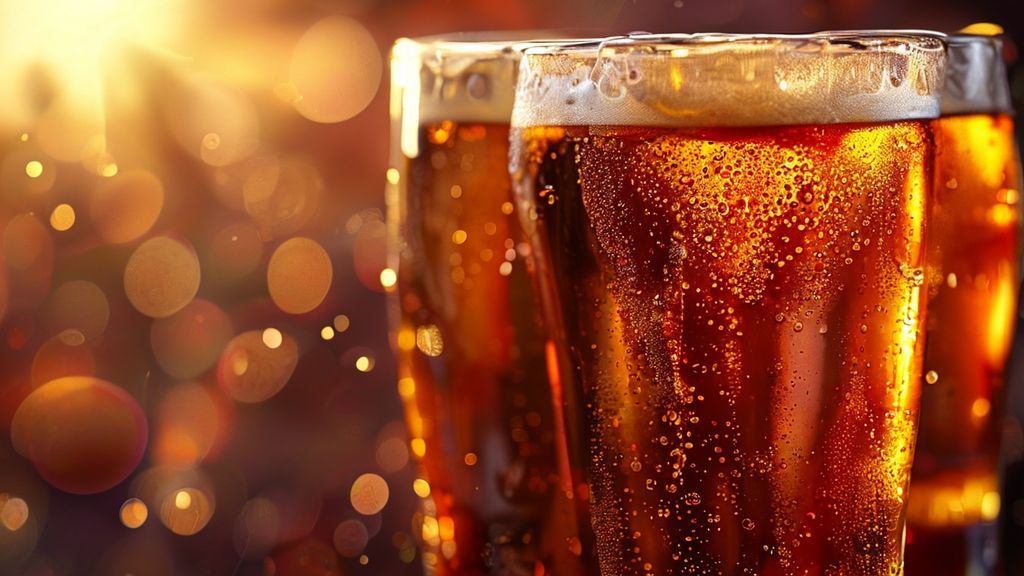
- Appearance: A radiant, copper-hued American Pale Ale, perhaps, its clarity contrasting beautifully with the rich, ruddy tones of the Tandoori chicken. A sturdy, brilliant white head invites the first sip, hinting at the carbonation to come.
- Aroma: As I lift the glass, the beer’s bright citrus and pine notes from the hops gently intermingle with the earthy, smoky spices wafting from the chicken. There’s a subtle harmony, neither overwhelming the other but creating a new, integrated bouquet. I pick up hints of the ginger and garlic from the marinade, now softened and lifted by the beer’s aromatics.
- Mouthfeel: This is where the magic truly happens. A bite of the succulent, slightly charred Tandoori chicken coats my mouth with its richness and spice. Then, a generous sip of a crisp Bohemian Pilsner. The initial effervescence of the **2.7 volumes of CO2** carbonation immediately scrubs the palate, cutting through any lingering fat or heat. The beer’s light body and clean, dry finish (final gravity around **1.008**) leave my mouth feeling refreshed and ready for the next bite, rather than heavy or fatigued. There’s no alcoholic burn; just a pleasant warmth.
- Flavor: The initial burst of Tandoori spice and savory char is met by the beer’s bready malt sweetness, which acts as a gentle buffer to the capsaicin. The moderate hop bitterness (around **38 IBU**) doesn’t clash but provides a necessary structural backbone, preventing the chicken from becoming cloying. As I swallow, a delicate aftertaste of the chicken’s marinade components (perhaps a whisper of cardamom or coriander) lingers, now accentuated by the beer’s clean finish, instead of being masked. It’s a dynamic, evolving flavor profile that enhances both elements, rather than one dominating the other.
FAQ 1: Why avoid very heavy, roasted stouts or porters?
My experience has taught me that highly roasted malts (found in many stouts and porters) can clash harshly with the spices and char of Tandoori Chicken. The phenolic compounds from heavy roasting often create an acrid or metallic taste when combined with capsaicin and the complex spice blend. While a *dry stout* with its lighter body and more subtle roast can work, the intense coffee and chocolate notes of a big Imperial Stout generally overpower and fight the Tandoori, rather than complementing it. The goal is harmony, not conflict.
FAQ 2: Can I use an IPA, and if so, which type?
Absolutely, but choose wisely. My top recommendation is an **American Pale Ale (APA)** or a **New England IPA (NEIPA)**. Avoid overly bitter West Coast IPAs; their high IBU (often 60+) and resinous notes tend to amplify heat and create astringency. An APA, with its balanced malt and moderate bitterness (30-50 IBU), often features citrusy or tropical hops that beautifully complement the ginger and garlic in the Tandoori marinade. A NEIPA, with its softer bitterness, hazy body, and juicy hop profile, can also be an excellent choice, offering a fruit-forward counterpoint to the spice without overwhelming it.
FAQ 3: What about sour beers, like Gose or Berliner Weisse?
Sour beers can be a surprisingly effective pairing, provided they aren’t overly aggressive. A Gose or Berliner Weisse, with its tartness and high carbonation, can effectively cut through the richness of the Tandoori Chicken. The lactic acidity acts much like the yogurt in the marinade, providing a refreshing counterpoint. However, ensure the beer isn’t too funky or intensely sour, as those characteristics might clash with the delicate spice balance. I find a mild, fruity sour works best, providing a cleansing zest that brightens the palate.
FAQ 4: What’s the optimal serving temperature for the beer?
This is crucial. Serving beer too cold mutes its complex flavors and aromas, while serving it too warm can make it taste flat, alcoholic, or off-balance. For most of my recommended pairings (Pilsners, APAs, Saisons), I aim for a temperature range of **7-13°C (45-55°F)**. This allows the beer’s aromatics to open up, the carbonation to remain lively, and the flavors to express themselves fully, providing the best possible interaction with the Tandoori Chicken. I typically remove the beer from refrigeration 15-20 minutes before pouring.