
Master the complete Belgian Kriek Cherry Lambic recipe with traditional wild fermentation, proper cherry integration, extended aging, and authentic Belgian techniques.

Belgian Kriek Cherry Lambic recipe represents the pinnacle of wild fermentation artistry, requiring mastery of spontaneous fermentation techniques, strategic cherry integration, and patient aging to create the characteristic ruby-red appearance, complex sour-cherry character, and effervescent tartness that has defined this “cherry lambic” tradition for centuries in the Pajottenland region of Belgium. After developing numerous Belgian Kriek Cherry Lambic recipe variations over the past thirteen years and studying traditional methods from historic Belgian breweries, I can confidently state that mastering this style demands understanding the intricate balance between wild yeast cultivation, authentic cherry selection, and extended barrel aging that creates beers with remarkable complexity while maintaining the distinctive funk and acidity defining authentic Belgian lambic heritage.
My Belgian Kriek Cherry Lambic recipe journey began with attempts that either produced harsh, overly acidic beers lacking fruit integration or sweet, unbalanced ales that missed the essential wild character defining traditional lambic. The breakthrough came when I discovered that proper wild fermentation management and strategic cherry timing create the foundation while traditional Belgian techniques and extended conditioning develop the complex, harmonious character that separates exceptional kriek from ordinary fruit beers through authentic Belgian methods.
This comprehensive Belgian Kriek Cherry Lambic recipe guide explores every aspect of traditional wild brewing including spontaneous fermentation techniques, authentic cherry preparation, barrel aging protocols, and blending methods that produce the signature brilliant ruby appearance, cherry-funk aromatics, and clean tart finish defining Belgium’s most celebrated sour beer contribution. From understanding the style’s Brussels origins to mastering modern applications of traditional techniques, this guide provides complete knowledge for creating outstanding kriek that honors Belgian lambic heritage.
Whether you’re advancing into wild fermentation or seeking to master traditional Belgian brewing, learning Belgian Kriek Cherry Lambic recipe provides essential skills while creating profound beers that demonstrate both technical mastery and cultural authenticity through systematic approach and proven Belgian methods.
Understanding Traditional Kriek Character
Authentic Belgian Kriek displays brilliant ruby to deep red coloration with complex character ranging from 1.040-1.060 original gravity while achieving 5.0-7.0% alcohol content through traditional lambic bases enhanced by tart cherries that create the signature cherry-funk aromatics, clean tartness, and effervescent finish defining traditional Belgian wild fermentation excellence.
Brilliant Ruby-Red Appearance
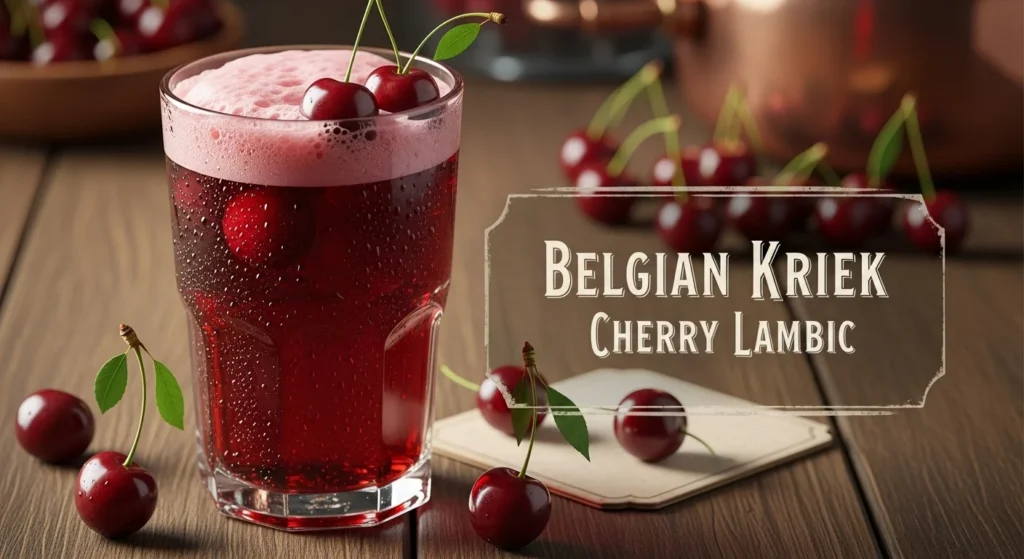
Traditional kriek exhibits vibrant ruby to deep red hues with excellent clarity and persistent pink foam while showcasing proper cherry integration and extended conditioning that creates visual elegance essential for Belgian presentation.
Complex Cherry-Funk Integration
Wild fermentation and cherry additions create distinctive aromatics including cherry, barnyard, leather, and earthy notes while Brettanomyces and bacteria contribute funk complexity that enhances rather than competes with fruit character.
Clean Tartness Profile
Lactic and acetic acid provide refreshing sourness while balanced acidity creates thirst-quenching character without harsh astringency through controlled wild fermentation and proper aging techniques.
Dry, Effervescent Finish
Traditional kriek finishes completely dry with lively carbonation while wild yeast ensures complete sugar fermentation and natural carbonation development through extended conditioning periods.
Seasonal Cherry Expression
Traditional Schaerbeekse cherries provide authentic character while specific Belgian cherry varieties contribute tartness and color essential for traditional kriek through historical fruit selection and processing methods.
For comprehensive Belgian Kriek brewing techniques and wild fermentation methods, explore the traditional lambic resources at BrewMyBeer’s Belgian wild ale section, where Belgian brewing wisdom meets modern wild fermentation precision.
Essential Belgian Kriek Ingredients
Authentic Belgian Kriek Cherry Lambic recipe requires specific ingredient combinations including traditional grains, aged hops, wild yeast cultures, and authentic cherries that create distinctive character through ingredient authenticity and Belgian brewing heritage.
Traditional Lambic Grain Bill
Pilsner malt comprises 60% and raw wheat 40% of grain bills providing essential starch foundation while unmalted wheat contributes protein and creates proper turbidity essential for wild yeast nutrition and traditional character.
Aged Hop Integration
Three-year-old hops provide antimicrobial properties without bitterness while aged European varieties including Czech Saaz and German Hallertau contribute preservation benefits without interfering with wild fermentation or fruit character.
Wild Yeast and Bacteria Cultures
Complex microbial blends including Saccharomyces, Brettanomyces, and Lactobacillus create authentic lambic character while controlled inoculation replaces spontaneous fermentation for consistent results in non-Belgian environments.
Tart Cherry Selection
Traditional sour cherries including Montmorency or similar varieties provide essential tartness and color while avoiding sweet cherries that might create unbalanced character through proper variety selection.
Quality Water Profile
Soft water enhances wild fermentation performance while low mineral content supports microbial activity and allows delicate fruit and funk character complete expression through proper chemistry management.
Traditional Processing Methods
Whole cherries with pits provide traditional character while pit tannins and aromatics contribute complexity impossible to achieve through pitted fruit or processed additions through authentic preparation techniques.
| Ingredient Component | Percentage Range | Character Contribution | Quality Requirements | Belgian Authenticity |
|---|---|---|---|---|
| Pilsner Malt | 60% | Clean foundation | Continental quality | Traditional base |
| Raw Wheat | 40% | Protein/turbidity | Unmalted quality | Essential character |
| Aged Hops | 10-20 IBU | Antimicrobial only | 3+ years old | Preservation function |
| Tart Cherries | 1-2 lbs/gallon | Fruit character | Quality sourcing | Signature flavor |
| Wild Cultures | Complex blend | Funk/tartness | Authentic strains | Essential fermentation |
Complete Traditional Kriek Recipe
This authentic Belgian Kriek Cherry Lambic recipe produces 5 gallons of traditional wild ale with proper complexity, wild character, and historical authenticity through carefully selected ingredients and proven Belgian brewing techniques.
Lambic Base Beer Specifications
Target original gravity 1.050, final gravity 1.008, 15 IBU, 4 SRM, and 5.5% ABV while creating authentic lambic foundation through traditional ingredient ratios and systematic Belgian brewing methods.
Traditional Belgian Grain Bill
Premium ingredients include 6 lbs Belgian Pilsner malt and 4 lbs raw wheat while providing proper foundation and turbidity essential for wild yeast nutrition and traditional character development.
Aged Hop Addition
1 oz aged Czech Saaz hops (3+ years old) at 60 minutes while providing antimicrobial benefits without bitterness that might interfere with wild fermentation or fruit integration.
Wild Fermentation Culture
Wyeast 3278 Belgian Lambic Blend or similar complex culture provides authentic character while ensuring proper wild fermentation development and traditional funk-tartness balance.
Cherry Addition Strategy
8-10 lbs whole tart cherries added to aged lambic base while traditional ratio ensures proper fruit integration and re-fermentation for authentic kriek character development.
Specialized Turbid Mashing Technique
Traditional lambic brewing employs unique turbid mashing protocols that create proper wort composition for wild fermentation while managing unmalted wheat and developing essential turbidity for microbial nutrition.
Initial Mash Temperature
Begin mash at 113°F with all grain and minimal water while protein rest promotes enzyme development and protein breakdown essential for wild yeast health and traditional character.
Turbid Wort Extraction
Draw off cloudy wort before reaching saccharification temperatures while turbid wort provides starch and protein content essential for wild fermentation nutrition and extended aging requirements.
Temperature Step Progression
Raise remaining mash through multiple temperature steps while systematic progression activates different enzymes and creates complex wort composition supporting wild fermentation complexity.
Turbid Wort Return
Return heated turbid wort to raise mash temperature while thermal processing creates Maillard compounds and proper starch gelatinization for traditional lambic character development.
Extended Sparge Process
Sparge extensively with hot water for volume while diluted pre-boil wort requires concentration through extended boiling that creates traditional color and flavor development.
Extended Belgian Boiling Methods
Traditional lambic boiling employs exceptionally long durations that concentrate wort, develop color, and create the complex thermal reactions defining authentic Belgian wild ale character through historical processing methods.
Extended 3-5 Hour Boil
Historical boils lasted up to 12 hours, modern practice 3-5 hours while extensive thermal processing creates concentration, caramelization, and Maillard development essential for traditional lambic complexity.
Wort Concentration Benefits
Long boiling concentrates diluted wort from extensive sparging while volume reduction creates proper gravity and develops color and flavor compounds through systematic thermal processing.
Hop Addition Timing
Add aged hops early in boil for maximum antimicrobial extraction while extended boiling eliminates hop aromatics and bitterness leaving only preservation compounds essential for wild fermentation.
Caramelization Development
Extended thermal processing creates complex caramel compounds while Maillard reactions contribute color and flavor complexity impossible to achieve through shorter boiling periods.
Cooling and Exposure
Traditional overnight cooling in coolship exposes wort to wild inoculation while controlled cooling allows airborne wild yeast and bacteria contact essential for spontaneous fermentation initiation.
Wild Fermentation Management
Successful kriek fermentation requires systematic wild culture management while understanding complex microbial interactions creates optimal conditions for traditional character development through controlled wild fermentation.
Primary Wild Fermentation
Initial Saccharomyces fermentation lasts 2-4 weeks while primary alcohol production creates foundation for subsequent Brettanomyces and bacteria development through systematic microbial succession.
Brettanomyces Development
Secondary Brett fermentation continues 6-18 months while wild yeast develops funk character and continues slow fermentation that creates traditional barnyard and earthy complexity.
Bacterial Acidification
Lactobacillus and Pediococcus develop tartness over extended periods while controlled bacterial activity creates clean acidity without excessive sourness through systematic environmental management.
Temperature Control Strategy
Maintain ambient temperatures 60-75°F throughout fermentation while consistent conditions support proper microbial development without temperature stress that might affect delicate wild fermentation balance.
Extended Aging Requirements
Base lambic requires 12-36 months aging before fruit addition while proper maturation develops complexity and stability essential for successful cherry integration and traditional character.
Strategic Cherry Integration
Proper cherry addition represents the defining aspect of Belgian Kriek Cherry Lambic recipe while timing, preparation, and variety selection create the distinctive character that separates authentic kriek from ordinary fruit beers.
Cherry Variety Selection
Traditional tart cherries including Montmorency provide proper acidity while avoiding sweet varieties that create unbalanced character through systematic variety evaluation and quality sourcing.
Optimal Fruit Ratios
Use 1.5-2 lbs cherries per gallon aged lambic while substantial fruit quantities ensure proper character development and re-fermentation activity through proven proportion guidelines.
Traditional Preparation Methods
Freeze whole cherries to break cell walls while frozen fruit extraction improves juice release and flavor integration without compromising traditional processing approaches.
Timing Coordination
Add cherries to fully aged lambic base while mature wild fermentation provides stable microbial environment for fruit integration and re-fermentation management.
Secondary Fermentation Duration
Allow 6-12 months cherry contact for optimal integration while extended exposure develops complex fruit-funk harmony and ensures complete sugar fermentation through patient conditioning.
Barrel Aging and Conditioning
Traditional kriek conditioning develops exceptional character through extended aging while oak exposure and time create the smooth integration and complex flavor development defining authentic Belgian wild ale excellence.
Oak Barrel Benefits
Traditional oak barrels provide micro-oxygenation and tannin extraction while wood aging creates complexity and gradual oxidation that develops wine-like character essential for authentic kriek quality.
Alternative Aging Vessels
Glass carboys or plastic fermenters provide neutral aging environment while avoiding wood character allows pure expression of wild fermentation and fruit integration through systematic vessel selection.
Temperature Control During Aging
Maintain consistent cellar temperatures throughout conditioning while 55-65°F provides optimal conditions for wild yeast activity without temperature stress affecting delicate microbial balance.
Flavor Integration Timeline
Complex chemical processes develop during 18+ month aging while extended conditioning allows harsh edges to smooth and creates the refined drinking experience defining mature kriek quality.
Blending Opportunities
Combine different aged batches for complexity while systematic blending creates unique expressions and demonstrates traditional Belgian lambic artistry through proven techniques.
Water Chemistry for Wild Fermentation
Proper water chemistry supports Belgian Kriek Cherry Lambic recipe development while soft water profiles enhance wild fermentation and fruit integration through balanced mineral content supporting microbial activity.
Soft Water Benefits
Low mineral content enhances wild yeast and bacteria performance while preventing harsh interference with delicate fermentation balance that defines traditional lambic character through optimal chemistry conditions.
Minimal Treatment Approach
Simple water adjustments maintain clean character while avoiding excessive chemistry that might interfere with wild fermentation or create unwanted flavors through restrained treatment approaches.
pH Considerations
Slightly acidic water supports bacterial development while proper acidity creates optimal conditions for lactic acid bacteria without harsh interference from alkaline conditions.
Chlorine Removal Importance
Remove all chlorine and chloramines while sanitizing chemicals kill beneficial wild microorganisms essential for authentic lambic character development through systematic water treatment.
Bacterial-Friendly Environment
Balanced water chemistry supports complex microbial ecosystems while creating optimal conditions for wild fermentation without harsh mineral interference affecting delicate bacterial balance.
Modern Kriek Brewing Adaptations
Contemporary Belgian Kriek brewing incorporates modern techniques while maintaining traditional character through controlled wild fermentation and systematic quality management that honors lambic heritage.
Controlled Wild Culture Usage
Commercial wild yeast blends replace spontaneous fermentation while providing consistent results and reduced contamination risk through proven microbial cultures and systematic inoculation.
Simplified Mashing Approaches
Standard single infusion replaces complex turbid mashing while maintaining character through proper grain ratios and wild fermentation management without traditional complexity.
Extract Brewing Applications
Quality wheat and pilsner extracts maintain traditional character while simplifying production and ensuring consistent results through commercial extract quality and proven formulations.
Accelerated Aging Techniques
Controlled environments and blending reduce aging requirements while maintaining quality through systematic management and proven technique adaptation for modern brewing schedules.
Quality Control Improvements
Modern sanitation and monitoring enhance reliability while preserving traditional character through improved quality systems and systematic contamination prevention.
Troubleshooting Kriek Production
Common Belgian Kriek Cherry Lambic recipe challenges require systematic solutions while addressing problems including poor fruit integration, excessive sourness, contamination issues, and carbonation problems that affect authenticity and quality.
Poor Cherry Integration
Inadequate fruit character indicates timing or preparation issues requiring improved cherry processing, increased quantities, or extended contact time while ensuring proper fruit extraction and integration.
Excessive Sourness Problems
Over-acidification creates harsh, unbalanced character requiring bacterial control and blending techniques while maintaining proper acid balance through systematic pH management.
Contamination and Off-Flavors
Unwanted microorganisms create inappropriate flavors requiring improved sanitation and culture management while maintaining wild character through systematic contamination prevention.
Poor Carbonation Development
Inadequate carbonation affects mouthfeel and presentation requiring bottle conditioning management and yeast health improvement while ensuring proper CO2 development.
Long-Term Stability Issues
Extended aging reveals stability problems requiring systematic quality control and storage management while maintaining traditional character through proper conditioning techniques.
Advanced Blending and Finishing
Professional kriek production employs sophisticated blending techniques that optimize character development while creating consistent quality through systematic flavor management and traditional Belgian methods.
Multi-Vintage Blending
Combine different aged lambic bases for complexity while creating layered character through systematic evaluation and traditional Belgian blending artistry.
Fruit Intensity Adjustment
Blend different fruit concentrations for optimal balance while achieving proper fruit-funk integration through systematic taste evaluation and proven blending techniques.
Acidity Balance Management
Adjust sourness through strategic blending while creating proper acid balance that enhances rather than overwhelms fruit character through systematic pH management.
Final Conditioning Optimization
Extended bottle conditioning develops integration while natural carbonation and continued development create optimal drinking condition through patient finishing techniques.
Quality Assessment Protocols
Systematic evaluation guides blending decisions while understanding traditional standards enables consistent quality production through structured assessment and continuous improvement.
Conclusion and Brewing Excellence
Mastering Belgian Kriek Cherry Lambic recipe requires dedication to traditional techniques and patient aging while systematic wild fermentation, proper cherry integration, and extended conditioning create exceptional examples that honor Belgian lambic heritage.
Begin with quality ingredients and proven wild cultures while building understanding of wild fermentation behavior and traditional Belgian techniques that create authentic character through historical methods.
Master timing coordination and patience requirements while developing skills in wild culture management that separate exceptional kriek from ordinary fruit beers through technical excellence.
Practice systematic evaluation and blending techniques while understanding that exceptional kriek rewards patience, quality ingredients, and cultural appreciation through proven Belgian methods.
Remember that Belgian Kriek Cherry Lambic recipe success depends on time and tradition while creating profound, complex wild ales that demonstrate both brewing mastery and cultural authenticity through systematic technique application.
The investment in understanding wild fermentation provides lasting education while creating exceptional sour ales that showcase the marriage between traditional Belgian brewing and wild microbial artistry.
Choose authentic ingredients and proven techniques while maintaining respect for Belgian tradition that created this sublime style through centuries of lambic brewing refinement and cultural preservation.
About the Author
Tyler Yeastman specializes in fermentation microbiology and yeast behavior, bringing over 12 years of experience in both commercial brewing and laboratory research to his analysis of complex wild fermentation systems. His expertise in microbial ecology and controlled fermentation makes him particularly knowledgeable about the precise environmental controls required for successful lambic production, especially managing wild yeast and bacteria interactions in cherry kriek applications. Tyler has extensively studied Belgian brewing traditions through research collaborations with lambic producers in the Pajottenland region where he documented traditional wild fermentation methods and cherry integration protocols used in authentic kriek production.
His scientific approach to understanding fermentation helps brewers appreciate the remarkable biological complexity involved in managing wild cultures while maintaining the delicate balance between funk, acidity, and fruit character that defines exceptional kriek. Tyler maintains a comprehensive fermentation laboratory where he studies wild yeast ecology, bacterial succession patterns, and cherry fermentation chemistry, contributing to several research publications on wild ale production and traditional Belgian brewing microbiology. His systematic approach to wild fermentation management and fruit integration makes him particularly skilled at troubleshooting the unique challenges presented by kriek brewing including managing contamination risks and optimizing fruit timing for maximum character development.
When not analyzing fermentation data or researching Belgian brewing techniques, Tyler enjoys exploring how traditional lambic wisdom can be enhanced through modern microbiological understanding while preserving the authenticity and wild character that makes Belgian Kriek Cherry Lambic such a remarkable expression of both brewing science and cultural heritage. Contact Tyler at tyler.yeastman@brewmybeer.online or explore his comprehensive fermentation guides and wild brewing resources at brewmybeer.online.