

Discover Belgian Lambic basics for beginners with comprehensive guides covering spontaneous fermentation, traditional brewing methods, flavor profiles, and the unique wild yeast process that creates Belgium’s most distinctive beer style.

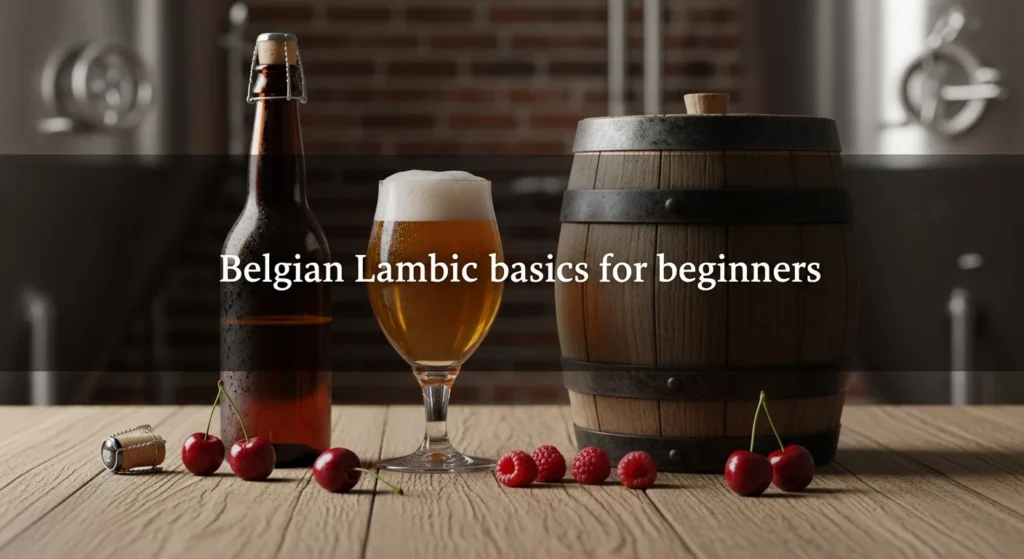
Belgian Lambic basics for beginners represents one of brewing’s most fascinating and ancient traditions, where wild yeast and bacteria create complex sour beers through spontaneous fermentation in Belgium’s unique Pajottenland region. After studying traditional Belgian lambic production for over a decade and tasting countless examples from legendary producers, I can confidently state that understanding Belgian Lambic basics for beginners requires appreciating the profound connection between environmental terroir, centuries-old brewing techniques, and the patient artistry that transforms simple ingredients into liquid expressions of time and place through nature’s own fermentation processes.
My journey into Belgian Lambic basics for beginners began with confusion over why these beers tasted so different from anything else I’d experienced. The revelation came when I discovered that lambic’s distinctive character comes from wild yeast and bacteria naturally present in Belgian air rather than controlled laboratory yeasts, creating a living connection between beer and environment that produces flavors impossible to replicate anywhere else in the world.
This comprehensive guide to Belgian Lambic basics for beginners explores every aspect of this ancient brewing tradition including historical origins, unique production methods, distinctive flavor development, and the remarkable variety of styles that demonstrate how spontaneous fermentation creates beer that changes and evolves long after leaving the brewery. From understanding coolship fermentation to appreciating barrel aging complexity, this guide provides essential knowledge for appreciating Belgium’s most enigmatic and culturally significant beer tradition.
Whether you’re curious about sour beers or seeking to understand traditional European brewing methods, learning Belgian Lambic basics for beginners provides insights into how environmental factors, patience, and traditional craftsmanship combine to create one of the world’s most distinctive and historically important beer styles.
Understanding Traditional Lambic Origins
Belgian Lambic originated in the Pajottenland region southwest of Brussels during the 13th century as farmers and brewers discovered that allowing wort to ferment with wild environmental yeasts created complex, preservation-worthy beers that developed unique character through spontaneous fermentation processes.
Geographic Terroir Importance
Authentic lambic can only be produced in Belgium’s Senne Valley region where specific wild yeast strains including Brettanomyces and bacteria like Lactobacillus create the distinctive fermentation environment impossible to replicate elsewhere in the world.
Historical Agricultural Connections
Traditional lambic production developed alongside Belgian agricultural cycles with brewing occurring only during cooler months when wild microorganisms provided optimal fermentation conditions while harvest seasons supplied fresh ingredients for fruit additions.
Monastic and Farmhouse Traditions
Early lambic brewing combined monastic beer-making knowledge with farmhouse practicality creating sustainable beer production that utilized local ingredients and natural fermentation processes requiring minimal technological intervention or expensive equipment.
Cultural Integration and Daily Life
Lambic became deeply integrated into Belgian culture serving as both everyday refreshment and special occasion beverage while developing cultural significance that extends far beyond mere alcoholic consumption into artistic and social expression.
Modern Protection and Authenticity
Contemporary lambic production maintains strict traditional methods while protecting geographic authenticity through designation systems that preserve ancient brewing techniques and prevent commercialization from compromising authentic character development.
For comprehensive Belgian Lambic brewing guidance and traditional fermentation techniques, explore the wild fermentation resources at BrewMyBeer’s spontaneous fermentation section, where ancient Belgian brewing wisdom meets modern understanding of wild yeast behavior.
Unique Spontaneous Fermentation Process
Lambic’s distinctive character comes from spontaneous fermentation using wild airborne yeasts and bacteria rather than controlled laboratory cultures, creating complex microbial ecosystems that develop over months and years through natural environmental processes.
Coolship Exposure Methods
After boiling, hot wort transfers to shallow copper vessels called coolships where exposure to night air allows wild yeasts including Saccharomyces, Brettanomyces, and various bacteria to inoculate the wort during the cooling process.
Seasonal Brewing Limitations
Traditional lambic brewing occurs only between October and April when cooler temperatures and specific atmospheric conditions provide optimal wild yeast activity while avoiding summer heat that might encourage harmful microorganisms or excessive bacterial development.
Wild Microorganism Complexity
Multiple yeast strains and bacteria work sequentially during fermentation with different species dominating various fermentation stages while creating layered complexity through metabolic interactions and compound transformations over extended periods.
Environmental Influence Factors
Local atmospheric conditions including humidity, temperature, and seasonal changes directly impact fermentation character while each brewery’s specific location and building environment contributes unique microbial signatures to finished lambic character.
Patience and Time Requirements
Spontaneous fermentation requires 12-18 months minimum aging with many lambics developing for 2-3 years while complex chemical and biological processes slowly transform simple sugars into sophisticated flavor compounds impossible to rush.
Traditional Lambic Ingredients and Methods
Authentic lambic brewing employs simple ingredient combinations including specific grain ratios, aged hops, and traditional water sources that create optimal conditions for wild fermentation while providing necessary nutrients for extended microbial development.
Grain Bill Composition
Traditional lambic uses 60-70% malted barley and 30-40% raw unmalted wheat creating turbid mashing conditions that produce complex unfermentable sugars essential for sustained wild yeast activity throughout extended fermentation periods.
Aged Hop Utilization
Lambic brewing employs hops aged 2-3 years which lose bitterness while retaining antibacterial properties that protect against harmful microorganisms during vulnerable early fermentation stages without overwhelming delicate wild yeast flavors.
Turbid Mashing Techniques
Complex mashing procedures create cloudy, protein-rich wort with high levels of unfermentable sugars that provide long-term nutrition for wild yeasts while contributing to lambic’s characteristic body and mouthfeel development.
Extended Boiling Processes
Marathon boils lasting 3-6 hours concentrate wort while reducing hop aromatics and creating Maillard reaction compounds that contribute color and flavor complexity essential for traditional lambic character development.
Water Source Significance
Traditional Belgian brewing water provides mineral balance that supports wild fermentation while contributing regional terroir characteristics that influence final flavor development and microbial activity patterns.
| Ingredient Component | Percentage/Amount | Purpose and Function | Quality Requirements | Traditional Importance |
|---|---|---|---|---|
| Malted Barley | 60-70% | Enzyme activity and sugars | Premium Belgian quality | Critical |
| Raw Wheat | 30-40% | Protein and body | Unmalted fresh wheat | Essential |
| Aged Hops | 3-5 years old | Preservation without bitterness | Properly stored | Traditional |
| Belgian Water | Traditional source | Mineral balance | Regional characteristics | Authentic |
| Wild Yeast | Environmental | Fermentation character | Natural inoculation | Defining |
Belgian Lambic Basics for Beginners Distinctive Lambic Flavor Development
Lambic flavors evolve through complex biochemical processes as wild yeasts and bacteria metabolize sugars and create organic acids, esters, and phenolic compounds that develop the distinctive sour, funky, and wine-like characteristics defining authentic Belgian lambic.
Acetic and Lactic Acid Formation
Wild bacteria produce organic acids that create tartness while balancing sweetness and contributing to lambic’s distinctive sour character without harsh or vinegar-like qualities when properly managed through time and traditional techniques.
Brettanomyces Funk Development
Brett yeast strains create distinctive “farmhouse funk” including earthy, barnyard, and horse blanket aromas while producing complex esters and phenols that add depth and character unique to wild fermentation processes.
Ester and Phenol Complexity
Extended fermentation produces wine-like esters and spicy phenolic compounds that create sophisticated flavor layers while developing complexity impossible to achieve through conventional brewing and controlled fermentation methods.
Barrel Aging Contributions
Wooden barrel aging adds tannins and vanilla notes while allowing slow oxygen exposure that supports beneficial microorganisms and contributes additional flavor complexity through wood compounds and gradual oxidation processes.
Evolution and Maturation
Lambic flavors continue changing throughout aging with young lambics showing aggressive sourness that mellows into balanced complexity while developing tertiary flavors and aromatics that define mature, well-aged examples.
Major Lambic Style Classifications
Traditional lambic encompasses several distinct styles each with unique characteristics while maintaining core spontaneous fermentation foundations through different aging, blending, and fruit addition techniques that create diverse expressions of wild fermentation artistry.
Straight Lambic Characteristics
Pure unblended lambic represents the foundational style typically aged 12-36 months while showcasing individual barrel and vintage character without blending modifications that might mask unique fermentation signatures or environmental influences.
Gueuze Blending Artistry
Gueuze combines different aged lambics typically blending 1, 2, and 3-year-old lambics that create sparkling, champagne-like character through bottle refermentation while balancing young vibrancy with aged complexity.
Fruit Lambic Varieties
Traditional fruit additions create distinctive styles including kriek (cherry), framboise (raspberry), and other fruit variants that undergo additional fermentation while integrating fruit sugars and flavors into wild fermentation frameworks.
Seasonal and Limited Productions
Special lambic releases explore unique ingredients including grape additions, spice integration, and experimental fruit combinations while maintaining traditional spontaneous fermentation foundations and authentic Belgian character.
American Lambic-Style Interpretations
Modern American brewers create “lambic-style” beers using controlled wild cultures while attempting to replicate traditional flavors though geographic and environmental limitations prevent true lambic authenticity outside Belgium.
Fruit Lambic Production and Varieties
Fruit lambics represent lambic brewing’s most accessible expressions where traditional cherry, raspberry, and other fruits undergo secondary fermentation with aged lambic while creating balanced integration between wild fermentation character and natural fruit flavors.
Traditional Kriek Production
Kriek lambic uses whole sour cherries added to aged lambic during final fermentation stages while cherry sugars provide additional fermentation activity that creates natural carbonation and integrated fruit character without artificial sweetening.
Framboise Raspberry Integration
Framboise employs fresh raspberries that contribute intense fruit aromatics and subtle sweetness while raspberry acids complement lambic’s natural tartness through balanced fruit integration and extended conditioning periods.
Seasonal Fruit Exploration
Modern fruit lambics explore diverse varieties including blackberry, peach, apricot, and grape additions while maintaining traditional spontaneous fermentation foundations and authentic Belgian production methods.
Commercial vs Traditional Approaches
Industrial fruit lambics often use artificial flavoring while traditional producers emphasize natural fruit fermentation and authentic wild yeast character that creates genuine fruit lambic complexity rather than superficial flavoring.
Balance and Integration Principles
Successful fruit lambics achieve harmony between lambic’s wild fermentation character and fruit contributions while avoiding excessive sweetness or artificial flavors that might mask sophisticated wild yeast development.
Famous Belgian Lambic Producers
Traditional Belgian lambic production centers around legendary producers who maintain centuries-old techniques while creating the world’s finest examples of spontaneous fermentation through dedication to authentic methods and environmental terroir.
Cantillon Brewery Excellence
Brasserie Cantillon represents Brussels’ urban lambic tradition producing exceptional gueuze and fruit lambics while maintaining traditional methods in their museum brewery that showcases authentic lambic production for visitors and enthusiasts.
Drie Fonteinen Quality Standards
Drie Fonteinen creates gold-standard oude gueuze through masterful blending techniques while representing traditional gueuze production that sets benchmarks for authentic lambic character and quality standards.
Lindemans Historical Significance
Lindemans maintains traditional production methods while creating both authentic and commercial lambic styles that introduce international audiences to Belgian lambic tradition through accessible fruit lambics and traditional expressions.
Smaller Traditional Producers
Artisanal lambic makers including De Cam and others maintain one-person operations focused on traditional techniques while creating limited production lambics that showcase individual terroir and passionate dedication to authentic methods.
Modern Revival and Innovation
Contemporary Belgian producers explore tradition and innovation while maintaining spontaneous fermentation foundations and authentic character through creative ingredient usage and modern quality control techniques.
Serving and Appreciation Guidelines
Proper lambic service enhances appreciation while appropriate glassware, temperature control, and serving techniques showcase complex aromatics and flavor development that define exceptional lambic drinking experiences.
Optimal Serving Temperature
Serve lambic at cellar temperature around 50-55°F while allowing gradual warming that reveals evolving aromatics and flavor complexity throughout the drinking session and enhances wild fermentation character appreciation.
Traditional Belgian Glassware
Use tulip glasses or traditional lambic glasses that concentrate aromatics while providing appropriate volume for slow sipping and contemplation of complex flavor development and wild fermentation character nuances.
Food Pairing Compatibility
Lambic complements rich, fatty foods while cutting through cheese, charcuterie, and desserts through natural acidity that cleanses palate and enhances rather than competes with complex culinary flavors.
Vintage and Age Considerations
Aged lambics develop differently than young examples while understanding vintage variations and aging potential helps appreciate how environmental factors and time create unique character in individual bottles.
Tasting Progression Strategies
Begin with simpler fruit lambics before progressing to complex gueuze while building palate appreciation for wild fermentation character and developing understanding of lambic’s distinctive flavor profiles.
Health and Safety Considerations
Traditional lambic production involves specific safety protocols while professional lambic brewers manage wild fermentation risks through environmental control, quality testing, and traditional techniques that ensure safe consumption.
Wild Fermentation Safety
Professional lambic producers control harmful microorganisms through traditional techniques including aged hops’ antibacterial properties and proper pH management that prevents dangerous bacterial growth during fermentation.
Homebrewing Considerations
Amateur lambic-style brewing carries contamination risks requiring proper sanitation, quality culture sources, and environmental control that minimizes harmful microorganisms while promoting beneficial wild fermentation activity.
Storage and Handling
Lambic storage requires cool, stable conditions while protecting from temperature fluctuations and light exposure that might affect ongoing fermentation and flavor development in living, unfiltered beer.
Consumption Guidelines
Lambic’s living nature means continued evolution while proper storage and timely consumption ensure optimal flavor appreciation without degradation that might occur through improper handling or extended storage.
Quality Recognition
Authentic lambic displays characteristic flavors without off-flavors while understanding normal wild fermentation character helps distinguish quality examples from contaminated or poorly produced imitations.
Beginning Your Lambic Journey
Starting lambic exploration requires systematic approach while building appreciation through carefully selected examples and proper tasting techniques that develop understanding of wild fermentation complexity and traditional Belgian brewing artistry.
Entry-Level Recommendations
Begin with accessible fruit lambics including traditional kriek or framboise that provide gentler introduction to wild fermentation character while building palate appreciation for lambic’s distinctive qualities and complex development.
Progressive Tasting Development
Advance from fruit lambics to straight lambic and gueuze while developing palate sensitivity to wild fermentation nuances and building appreciation for authentic Belgian lambic tradition through systematic exploration.
Quality Source Identification
Purchase lambic from reputable sources while ensuring proper storage and handling that maintains beer quality and prevents deterioration that might compromise first impressions and ongoing appreciation development.
Educational Resources
Study lambic history and production methods while building knowledge that enhances appreciation and understanding of traditional Belgian brewing techniques and cultural significance behind wild fermentation artistry.
Community and Sharing
Connect with lambic enthusiasts and Belgian beer communities while sharing experiences and learning from experienced drinkers who can provide guidance and recommendations for continuing lambic exploration and appreciation.
Conclusion and Continuing Education
Understanding Belgian Lambic basics for beginners provides foundation for lifelong appreciation while systematic exploration of wild fermentation, traditional techniques, and authentic examples creates deeper understanding of Belgian brewing heritage and environmental terroir.
Begin with accessible fruit lambics and traditional producers while building palate appreciation through proper serving and systematic tasting that reveals wild fermentation complexity and traditional Belgian brewing artistry over time.
Study traditional production methods and environmental factors while appreciating how geography, climate, and centuries of brewing tradition combine to create beer that cannot be replicated outside Belgium’s unique terroir.
Practice patient appreciation and mindful consumption while understanding that lambic rewards contemplative drinking and develops complexity that requires time and attention to fully appreciate through proper service and education.
Remember that Belgian lambic represents living beer history while providing connection to ancient brewing traditions that demonstrate how environmental factors, patience, and traditional craftsmanship create extraordinary results through natural processes.
The investment in understanding lambic provides insights into traditional brewing while creating appreciation for one of the world’s most distinctive beer styles that showcases Belgian brewing heritage and environmental terroir through wild fermentation artistry.
Choose authentic producers and quality examples while maintaining patience and curiosity that allows lambic’s complex character to reveal itself through proper appreciation and continuing education in Belgian brewing tradition.
About the Author
Tyler Yeastman specializes in fermentation microbiology and yeast behavior, bringing over 12 years of experience in both commercial brewing and laboratory research to his analysis of wild fermentation systems. His expertise in microbial ecology and fermentation science makes him particularly knowledgeable about the complex biological processes that create lambic’s distinctive character through spontaneous fermentation. Tyler has extensively studied Belgian lambic production methods, including research collaborations with traditional Belgian breweries where he documented wild yeast behavior and fermentation ecology.
His scientific approach to understanding fermentation helps both brewers and beer enthusiasts appreciate the remarkable biological complexity that transforms simple ingredients into sophisticated lambic through environmental factors and time. Tyler maintains a comprehensive microbiology laboratory where he studies wild fermentation processes and has contributed to several research publications on spontaneous fermentation and wild yeast behavior. When not analyzing fermentation data or researching wild yeast ecology, Tyler enjoys exploring how traditional fermentation wisdom aligns with modern microbiological science while preserving the mystery and artistry that makes lambic such a unique expression of brewing tradition. Contact Tyler at tyler.yeastman@brewmybeer.online or explore his comprehensive fermentation guides and wild yeast resources at brewmybeer.online.