
Master the complete Belgian Strong Dark Ale brewing guide with traditional techniques, complex malt profiles, Belgian yeast management, and authentic candi sugar integration for exceptional quadrupel-style ales.

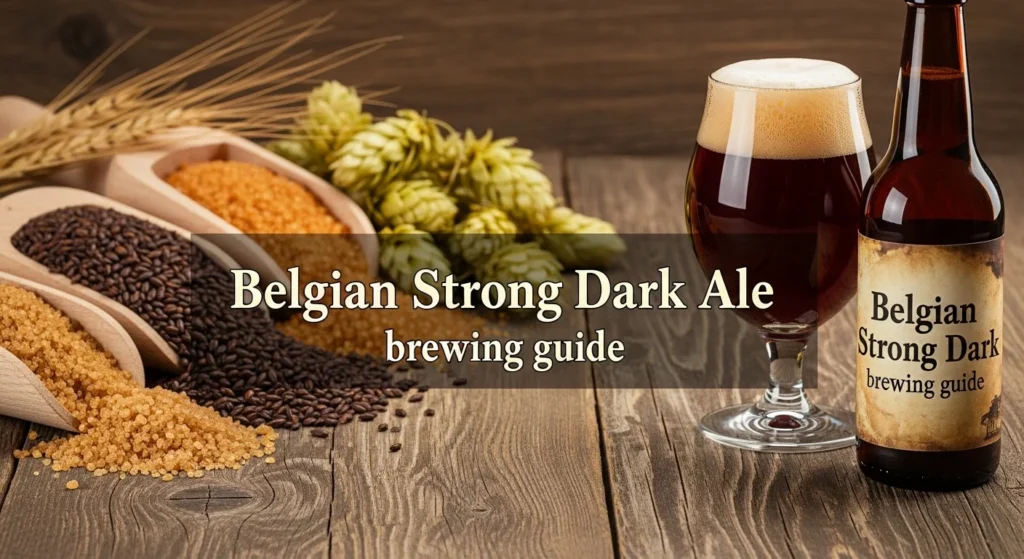
Belgian Strong Dark Ale brewing guide represents the pinnacle of Belgian brewing artistry, demanding precision to create complex, high-alcohol ales that balance rich malt character with deceptive drinkability through masterful fermentation techniques and ingredient selection. After developing numerous Belgian Strong Dark Ale recipes over the past fifteen years and studying traditional abbey brewing methods, I can confidently state that mastering this style requires understanding the intricate relationship between Pilsner malt foundations, specialty grain complexity, Belgian candi sugar integration, and traditional abbey yeast strains that create the warming alcohol presence and sophisticated flavor development characteristic of the world’s finest quadrupel-style ales.
My Belgian Strong Dark Ale brewing journey began with overpowering attempts that emphasized alcohol harshness over the smooth, contemplative drinking experience I expected from commercial examples like Westvleteren 12. The transformation occurred when I discovered that proper fermentation temperature control and extended conditioning create the essential alcohol integration while carefully balanced grain bills provide complexity without muddiness through systematic ingredient selection and proven brewing techniques.
This comprehensive Belgian Strong Dark Ale brewing guide explores every aspect of traditional abbey brewing including complex malt architecture, Belgian yeast management, candi sugar utilization, and extended conditioning protocols that produce the deep color, warming character, and exceptional complexity that defines authentic Belgian strong ales. From understanding historical monastery brewing to mastering modern temperature control, this guide provides complete knowledge for creating exceptional strong ales that honor Belgian brewing heritage.
Whether you’re advancing into strong beer production or exploring Belgian brewing traditions, mastering this Belgian Strong Dark Ale brewing guide provides essential skills while creating one of the world’s most sophisticated and rewarding beer styles that demonstrates both technical precision and brewing artistry.
Understanding Traditional Belgian Strong Dark Ale Characteristics
Authentic Belgian Strong Dark Ale displays deep amber to dark brown coloration ranging from 1.075-1.110 original gravity while achieving 8-12% alcohol content through complex malt combinations balanced by Belgian yeast character and restrained hop presence that creates warming alcohol integration without harsh edges.
Color Development and Visual Impact
Traditional Belgian Strong Dark Ale exhibits rich amber to dark brown hues ranging from 12-22 SRM with excellent clarity and persistent tan to brown foam that reflects proper specialty malt selection and extended conditioning techniques.
Complex Malt Architecture
Multi-layered malt profiles create exceptional depth through combinations of Pilsner, Munich, and specialty malts while providing rich bread, caramel, and dark fruit flavors without overwhelming complexity or muddy character development.
Belgian Yeast Character Dominance
Traditional Belgian abbey yeast produces signature esters and phenols including fruity complexity and spicy pepper notes while contributing to alcohol integration and fermentation character that defines authentic abbey-style brewing.
Restrained Hop Balance
Gentle hop presence between 20-35 IBU from noble European varieties provides structural support without competing with malt complexity or Belgian yeast character through careful hop selection and timing.
Warming Alcohol Integration
Proper Belgian Strong Dark Ale showcases smooth alcohol warmth that enhances rather than dominates the drinking experience while providing contemplative strength and satisfying complexity through masterful fermentation management.
For comprehensive Belgian Strong Dark Ale brewing techniques and traditional abbey methods, explore the authentic Belgian brewing resources at BrewMyBeer’s Belgian ale section, where monastery brewing wisdom meets modern homebrewing precision.
Essential Belgian Strong Dark Ale Ingredients
Authentic Belgian Strong Dark Ale requires carefully selected ingredient combinations including quality Belgian malts, specialty grain additions, traditional candi sugar, noble hops, and proper abbey yeast strains that create the distinctive character impossible to replicate with simplified approaches.
Pilsner Malt Foundation
Belgian or German Pilsner malt provides essential grain character comprising 60-80% of grain bill while contributing clean, slightly sweet foundation that supports specialty malt complexity without overwhelming subtle flavor development.
Munich Malt Integration
Munich malt adds essential malty depth and color comprising 10-20% of grain bill while providing bready character and enhanced Maillard compounds that create traditional Belgian ale complexity.
Special B Malt Character
Special B malt contributes distinctive dark fruit flavors including raisin, plum, and fig notes while providing color development and flavor complexity without excessive harshness or astringency.
Belgian Candi Sugar Integration
Dark Belgian candi syrup provides authentic character while contributing fermentable sugars, color enhancement, and traditional caramel complexity that defines authentic abbey-style brewing traditions.
Specialty Malt Selection
Aromatic, CaraMunich, and melanoidin malts enhance complexity in controlled quantities while providing additional color and flavor development without creating muddy or overwhelming malt character.
Traditional Belgian Yeast Strains
Abbey yeast strains including Wyeast 1762 and White Labs WLP530 produce authentic fermentation character while maintaining alcohol tolerance and appropriate attenuation for strong beer production.
| Ingredient Category | Percentage Range | Character Contribution | Quality Requirements | Authenticity Importance |
|---|---|---|---|---|
| Pilsner Malt | 60-80% | Clean grain foundation | European quality | Critical |
| Munich Malt | 10-20% | Malty depth | Traditional kilning | Essential |
| Special B Malt | 3-8% | Dark fruit character | Balanced usage | Essential |
| Belgian Candi Sugar | 10-20% | Alcohol, color, flavor | Authentic syrup | Traditional |
| Abbey Yeast | Standard pitch | Fermentation character | High alcohol tolerance | Critical |
Complete Belgian Strong Dark Ale Recipe Formulation
This comprehensive Belgian Strong Dark Ale recipe produces 5 gallons of authentic abbey-style strong ale with proper complexity, alcohol integration, and traditional character through carefully selected ingredients and proven monastery brewing techniques.
All-Grain Recipe Specifications
Target parameters include 1.090 original gravity, 1.018 final gravity, 28 IBU, 18 SRM, and 9.5% ABV while creating authentic Belgian Strong Dark Ale character through proper ingredient ratios and traditional abbey brewing methods.
Complex Grain Bill Architecture
Premium grain bill includes 11 lbs Belgian Pilsner malt, 2 lbs Munich malt, 8 oz Special B malt, 8 oz aromatic malt, and 4 oz wheat malt while providing proper foundation, complexity layers, and traditional Belgian character development.
Belgian Sugar Integration
Traditional candi sugar additions include 1 lb dark Belgian candi syrup and 8 oz table sugar while providing fermentable extract, color enhancement, and authentic abbey-style character through proper sugar utilization.
Noble Hop Schedule
Restrained hop additions include 2 oz Hallertauer at 60 minutes and 1 oz Styrian Goldings at 5 minutes while providing structural bitterness and subtle continental character without overwhelming malt complexity.
Abbey Yeast Selection
Recommended Belgian abbey yeast strains include Wyeast 1762 Belgian Abbey II with proper starter preparation while ensuring adequate cell count for strong beer fermentation and authentic character development.
Advanced Mashing Techniques
Belgian Strong Dark Ale mashing requires systematic temperature control and extended conversion periods that optimize extract efficiency while developing appropriate malt character through traditional European brewing methods.
Medium-Body Mash Profile
Mash at 152-154°F (67-68°C) for 90 minutes while promoting moderate fermentability that balances alcohol development with residual body essential for strong beer character and mouthfeel.
Extended Conversion Period
Longer mash times ensure complete conversion of complex grain bills while maximizing extract efficiency and developing proper malt character from diverse specialty grain additions.
Step Mashing Benefits
Traditional step mashing enhances malt complexity through protein rest at 122°F followed by saccharification rest while optimizing enzyme activity and malt development.
Water Chemistry Considerations
Moderately soft water enhances malt extraction while supporting proper enzymatic activity and flavor development through balanced mineral content and appropriate pH management.
Sugar Addition Timing
Add Belgian candi sugar during final 15 minutes of boil while ensuring complete dissolution and integration without caramelization or scorching that might create harsh flavors.
Extended Boiling and Hop Integration
Belgian Strong Dark Ale boiling requires extended duration and careful hop management that develops proper malt concentration while maintaining restrained hop character through traditional European brewing methods.
Ninety-Minute Boil Protocol
Extended 90-minute boils reduce DMS precursors while concentrating wort and developing enhanced color through Maillard reactions that contribute to traditional Belgian Strong Dark Ale character.
Conservative Hop Scheduling
Restrained hop additions emphasize malt and yeast character while providing structural bitterness without flavor competition that might interfere with complex malt and fermentation development.
Kettle Additions Management
Irish moss and yeast nutrients improve fermentation while supporting strong beer production through proper protein coagulation and yeast health optimization.
Gravity Concentration
Target final gravity around 1.090 through proper concentration while maintaining hop utilization efficiency and preventing excessive concentration that might create harsh flavors.
Temperature Management
Controlled boil vigor prevents scorching while ensuring proper evaporation and concentration without creating harsh caramelized flavors that might interfere with smooth character.
Belgian Yeast Management and Fermentation
Belgian Strong Dark Ale fermentation requires exceptional yeast handling and systematic temperature management while developing signature ester and phenol character through traditional abbey fermentation techniques.
Adequate Yeast Pitching
Strong beers require large yeast populations using 2-3 liter starters or multiple yeast packages while ensuring healthy fermentation and complete attenuation without stalling or stress.
Primary Fermentation Temperature
Begin fermentation at 68-70°F (20-21°C) with controlled temperature management that promotes ester development while avoiding excessive heat that might create harsh alcohol or off-flavors.
Temperature Rise Protocol
Allow gradual temperature increase to 75-78°F during final fermentation stages while encouraging complete attenuation and proper alcohol tolerance development through systematic temperature management.
Extended Primary Fermentation
Allow 14-21 days primary fermentation while monitoring gravity changes and ensuring complete yeast activity before proceeding to conditioning or secondary fermentation phases.
Ester and Phenol Development
Proper temperature management creates signature Belgian character while balancing fruity esters with spicy phenols that complement rather than overwhelm malt complexity and alcohol warmth.
Extended Conditioning and Maturation
Traditional Belgian Strong Dark Ale conditioning develops exceptional smoothness through extended aging that allows alcohol integration and flavor development while creating the refined character that separates exceptional examples from harsh strong beers.
Long-Term Secondary Fermentation
Transfer to secondary for 30-60 days aging while allowing continued fermentation activity and alcohol integration that improves overall quality and drinking experience.
Temperature-Controlled Conditioning
Maintain cellar temperature around 60-65°F during conditioning while promoting gradual flavor development and alcohol mellowing that creates smooth warming character without harsh edges.
Flavor Integration Process
Extended conditioning allows complex flavors to marry while developing harmony between malt sweetness, yeast character, and alcohol warmth that defines exceptional Belgian Strong Dark Ale quality.
Clarity Development
Natural clarification occurs during extended aging through protein precipitation and yeast sedimentation while maintaining flavor integrity without artificial clarification methods.
Optimal Aging Duration
Best examples benefit from 6-12 months total aging while developing enhanced complexity and smoothness that transforms good strong beer into exceptional Belgian abbey-style ale.
Carbonation and Serving Considerations
Proper Belgian Strong Dark Ale carbonation enhances presentation while appropriate serving methods maximize aroma release and visual appeal that showcases traditional Belgian abbey character and sophistication.
Higher Carbonation Levels
Target 2.8-3.5 volumes CO2 for authentic Belgian character while creating effervescent mouthfeel that lightens perceived body and enhances ester perception through proper carbonation.
Traditional Bottle Conditioning
Bottle conditioning with Belgian abbey yeast develops natural carbonation while allowing continued aging and flavor development that enhances complexity over time.
Priming Sugar Considerations
Calculate priming sugar carefully for strong beers while accounting for higher alcohol content and residual CO2 that might affect final carbonation levels and prevent over-carbonation.
Serving Temperature Optimization
Serve at cellar temperature 50-55°F while showcasing complex aromatics and flavor development without masking alcohol warmth or reducing sophisticated character appreciation.
Traditional Belgian Glassware
Serve in proper Belgian chalices or goblets while providing appropriate volume and shape that enhances aroma concentration and supports traditional Belgian beer presentation methods.
Water Chemistry and Treatment
Proper water chemistry enhances Belgian Strong Dark Ale character while supporting complex malt extraction and enzyme activity through balanced mineral profiles that complement rather than interfere with ingredient character.
Moderately Soft Water Profile
Belgian brewing water typically features moderate mineral content with balanced calcium and carbonate levels while supporting proper malt extraction and yeast health without harsh mineral interference.
Calcium Level Management
Target calcium levels around 50-100 ppm while supporting yeast health and enzyme activity without excessive mineral character that might interfere with smooth mouthfeel or delicate flavor balance.
pH Optimization
Maintain mash pH around 5.2-5.4 while ensuring proper enzyme activity and malt extraction through systematic pH monitoring and appropriate acid additions when necessary.
Alkalinity Balance
Moderate alkalinity supports dark malt extraction while preventing excessive acidity that might create harsh flavors or interfere with smooth character development and yeast performance.
Regional Variations
Different Belgian regions utilized various water profiles while modern brewers can adapt mineral additions to achieve optimal extraction and character development for strong dark ale production.
Advanced Brewing Techniques
Professional Belgian Strong Dark Ale techniques enhance authenticity while traditional methods including open fermentation and extended aging develop superior character that separates exceptional examples from basic interpretations.
Open Fermentation Benefits
Traditional open fermentation develops enhanced character while allowing natural yeast selection and improved ester development through traditional abbey methods that create distinctive Belgian character.
Multi-Stage Fermentation
Sequential fermentation stages optimize character development while managing alcohol stress and ensuring complete attenuation through systematic temperature and timing management.
Candi Sugar Production
Traditional candi sugar making enhances authenticity while creating custom flavor profiles through controlled caramelization and inversion that provides unique character contributions.
Blending Techniques
Historical blending created consistent character while modern brewers can blend batches to achieve optimal balance and complexity through systematic evaluation and adjustment.
Wood Aging Exploration
Optional wood aging adds complexity while respecting style boundaries and maintaining core Belgian Strong Dark Ale characteristics through careful integration and balance.
Troubleshooting Common Issues
Belgian Strong Dark Ale brewing challenges require systematic solutions while addressing problems including harsh alcohol character, muddy malt flavor, incomplete attenuation, and fermentation stalling that affect quality and authenticity.
Alcohol Integration Problems
Harsh alcohol indicates inadequate conditioning or fermentation stress requiring extended aging and proper temperature management while ensuring adequate yeast health and complete fermentation.
Muddy Malt Character
Excessive specialty malts create unclear flavor profiles requiring grain bill simplification while maintaining complexity through proper malt selection and balanced proportions.
Incomplete Attenuation
Stuck fermentation creates excessive sweetness requiring improved yeast health and nutrition while ensuring adequate cell counts and proper temperature management for strong beer fermentation.
Off-Flavor Development
Common off-flavors include solvent-like alcohol and harsh phenols requiring improved fermentation management and extended conditioning while maintaining proper sanitation and technique.
Clarity and Presentation Issues
Poor clarity affects visual appeal requiring extended conditioning and proper fining techniques while maintaining appropriate protein levels for head retention and mouthfeel.
Style Variations and Creative Interpretations
Contemporary Belgian Strong Dark Ale brewing explores variations while maintaining style authenticity through ingredient experimentation and brewing technique adaptation that honors traditional methods.
Strength Variations
Lower alcohol versions maintain character at reduced strength while higher gravity examples push boundaries through systematic ingredient scaling and modified brewing techniques.
Alternative Sugar Sources
Blackstrap molasses creates interesting burnt sugar character while maintaining style integrity through careful integration that complements rather than overwhelms traditional malt character.
Spice Integration
Traditional abbey brewing sometimes included subtle spicing while modern interpretations explore coriander, orange peel, or warming spices through restrained addition and balanced integration.
Fruit Additions
Dark fruit additions enhance existing flavor profiles while complementing Special B malt character through strategic integration during fermentation or conditioning phases.
Regional Abbey Interpretations
Different Belgian monasteries emphasized various characteristics while modern interpretations explore historical variations and contemporary ingredient availability through creative adaptation.
Food Pairing and Serving Excellence
Belgian Strong Dark Ale’s complex character creates exceptional pairing opportunities while complementing rich foods through warming alcohol and malt complexity that enhances rather than competes with bold flavors.
Traditional Belgian Cuisine
Classic pairings include game meats, aged cheeses, and rich stews while the beer’s strength and complexity complement traditional Flemish cooking and seasonal Belgian dishes.
Dessert Pairing Excellence
Chocolate-based desserts and caramel tarts enhance malt character while the beer’s dark fruit notes and alcohol warmth provide complementary rather than competing dessert accompaniment.
Cheese Selection Guidelines
Strong aged cheeses complement alcohol strength and complexity while the beer’s carbonation and acidity balance rich cheese flavors without overwhelming delicate characteristics.
Contemplative Consumption
Belgian Strong Dark Ale rewards slow, thoughtful consumption while complex flavors evolve with temperature and time, revealing layers of malt, yeast, and alcohol integration.
Seasonal Service Considerations
Cool weather consumption enhances warming character while appropriate serving size accommodates high alcohol content and rich flavor intensity through traditional Belgian service methods.
Conclusion and Brewing Excellence
Belgian Strong Dark Ale brewing guide mastery requires dedication to quality and patience while systematic ingredient selection, precise technique execution, and extended conditioning create exceptional examples that honor Belgian abbey brewing heritage.
Begin with quality European malts and authentic Belgian ingredients while investing in proper fermentation control and extended aging capabilities that provide foundation for strong beer excellence and character development.
Master complex grain bill formulation and Belgian yeast management while building understanding of alcohol integration and conditioning protocols that create smooth, contemplative strong beers without harsh edges.
Practice patience with extended conditioning and maturation while allowing proper flavor development and alcohol integration that transforms good strong beer into exceptional abbey-style ale through systematic aging.
Remember that authentic Belgian Strong Dark Ale rewards careful planning and extended patience while creating complex, sophisticated strong beers that showcase both brewing technique and ingredient quality through traditional abbey methods.
The investment in proper technique and extended conditioning provides lasting brewing education while creating exceptional strong beers that demonstrate mastery of both malt complexity and Belgian yeast character.
Choose quality ingredients and proven techniques while maintaining respect for Belgian abbey traditions that created one of the world’s most sophisticated and contemplative beer styles.
About the Author
Amber Maltson is a certified brewing instructor and sustainable brewing advocate with over 14 years of experience specializing in traditional European beer styles and organic brewing methods. Her background in agricultural science and fermentation studies provides deep insights into ingredient quality and traditional brewing techniques. Amber has extensively studied Belgian abbey brewing traditions, including research collaborations with active Trappist monasteries where she documented historical brewing methods and ingredient sourcing practices. Her expertise in complex grain bill formulation and extended conditioning protocols makes her particularly knowledgeable about Belgian Strong Dark Ale production challenges and traditional solutions.
Amber maintains an organic homebrew operation where she tests sustainable brewing practices while preserving traditional character and quality. Her systematic approach to ingredient selection and fermentation management has helped numerous brewers master complex Belgian styles through authentic techniques and quality-focused methods. When not researching sustainable brewing practices or developing traditional Belgian recipes, Amber enjoys exploring how historical brewing wisdom can inform modern sustainable practices while preserving the authenticity and craftsmanship that defines exceptional beer styles. Contact Amber at amber.maltson@brewmybeer.online or explore her comprehensive brewing guides and sustainable brewing resources at brewmybeer.online.