


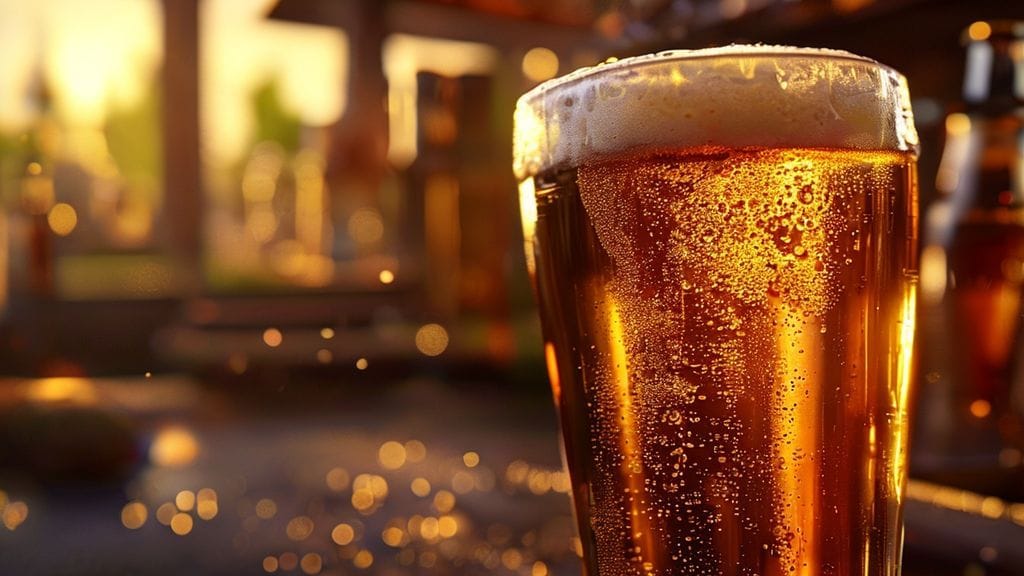
Choosing between Belle Saison and French Saison yeast strains fundamentally shapes your farmhouse ale’s character. Belle Saison (LalBrew) typically delivers a drier, more peppery, and citrus-forward profile with exceptionally high attenuation. In contrast, French Saison (Wyeast 3711/Omega OYL-021) cultivates a more complex, earthy, spicy, and fruit-ester driven beer with moderate-to-high attenuation, often showcasing a richer mouthfeel.
| Metric | Belle Saison (LalBrew) | French Saison (Wyeast 3711 / Omega OYL-021) |
|---|---|---|
| **Origin / Type** | Lallemand (Dry Yeast) | Belgian / French Farmhouse (Liquid Yeast) |
| **Attenuation** | 88% – 95%+ | 80% – 88% |
| **Flocculation** | Low | Low |
| **Optimal Fermentation Temp** | 20°C – 35°C (68°F – 95°F) | 20°C – 25°C (68°F – 77°F) |
| **Ester Profile** | High: Lemon/Citrus Zest, slight tropical, pear | Medium: Pear, Apple, Stone Fruit (apricot) |
| **Phenolic Profile** | Moderate-High: White Pepper, Clove, Spicy | High: Black Pepper, Clove, Earthy, Mild Farmhouse Phenolics |
| **Alcohol Tolerance** | Very High (up to 12% ABV) | High (up to 11% ABV) |
| **Diastaticus (STA1+)** | Yes (Aggressive) | Yes (Moderate-Aggressive) |
The Brewer’s Hook: My Foray into Farmhouse Ales
I remember my first foray into brewing Saisons vividly. I’d read about their rustic charm and complex flavors, but I made a classic rookie mistake: I underestimated the yeast. I thought “farmhouse” simply meant “yeasty.” My initial attempts lacked the nuanced spice and incredible dryness I craved. I started with a generic Belgian ale yeast, expecting magic, and instead got something that tasted like a decent, albeit uninspired, Belgian Pale. It wasn’t until I truly began experimenting with dedicated Saison strains – specifically Belle Saison and French Saison – that I understood the profound impact of yeast selection on these unique styles.
For years, I’ve obsessed over these two strains. They are pillars of farmhouse brewing, yet they offer distinctly different paths to deliciousness. One, Belle Saison, I’ve found to be a workhorse, a relentless attenuator that strips away sweetness with surgical precision, leaving behind a crisp, peppery canvas. The other, French Saison, is a poet, crafting layers of earthy spice and delicate fruit esters that dance on the palate. My experience has shown me that understanding their enzymatic activity, fermentation kinetics, and temperature tolerance is not just academic; it’s the difference between a good beer and a truly exceptional farmhouse ale. Let’s dig into the data that underpins these choices.
The Math: Calculating Your Saison’s Destiny
The beauty and challenge of Saison yeasts lie in their inherent ability to aggressively attenuate. This isn’t just a number; it’s a critical factor in determining your beer’s final gravity, alcohol content, and overall mouthfeel. I always calculate these metrics upfront, adjusting my mash schedule and grain bill to hit my desired target. Here’s how I break it down, illustrating the impact of Belle Saison versus French Saison on a typical wort.
Manual Calculation Guide for Saison Fermentation
- **Target Original Gravity (OG):** For a moderate Saison, I often aim for an OG around 1.058 to 1.062. Let’s use **1.060** for our example.
- **Yeast Attenuation:** This is where the strains diverge significantly.
- **Belle Saison:** I’ve consistently seen this strain achieve **90%** attenuation, sometimes pushing to 95%+.
- **French Saison:** Typically, this strain lands around **85%** attenuation in my brewery, though it can vary from 80-88%.
FG = OG - ( (OG - 1) * Attenuation% )- **Belle Saison:**
FG = 1.060 - ( (1.060 - 1) * 0.90 ) = 1.060 - ( 0.060 * 0.90 ) = 1.060 - 0.054 = 1.006 - **French Saison:**
FG = 1.060 - ( (1.060 - 1) * 0.85 ) = 1.060 - ( 0.060 * 0.85 ) = 1.060 - 0.051 = 1.009
ABV% = (OG - FG) * 131.25- **Belle Saison:**
ABV% = (1.060 - 1.006) * 131.25 = 0.054 * 131.25 = 7.0875%(approx. **7.1% ABV**) - **French Saison:**
ABV% = (1.060 - 1.009) * 131.25 = 0.051 * 131.25 = 6.69375%(approx. **6.7% ABV**)
| Saison Yeast Strain | Theoretical Original Gravity (OG) | Anticipated Attenuation | Calculated Final Gravity (FG) | Estimated ABV |
|---|---|---|---|---|
| Belle Saison | 1.060 | 90% | 1.006 | 7.1% |
| French Saison | 1.060 | 85% | 1.009 | 6.7% |
This difference of **0.4% ABV** might seem small, but it fundamentally alters the beer’s balance and mouthfeel. Belle Saison’s higher attenuation ensures a bone-dry finish, ideal for showcasing hop character or a truly crisp profile. French Saison, with its slightly higher FG, often retains a touch more body and a more pronounced residual sweetness that complements its complex esters and phenolics.
Furthermore, consider your mash temperatures. For a very dry Saison, I often perform a single infusion mash at **62°C (144°F)** for 90 minutes, maximizing fermentable sugars. If I want a bit more body and dextrins for French Saison, I’ll aim for **66°C (151°F)** for 60 minutes. These seemingly minor adjustments, combined with the yeast choice, dictate the beer’s structure. For more detailed insights into mash chemistry, check out the resources on BrewMyBeer.online.
Step-by-Step Execution: Brewing Your Farmhouse Masterpiece
My approach to brewing a Saison with either of these yeasts is meticulously planned, yet adaptable. The critical steps revolve around precise temperature control and understanding yeast behavior.
Pre-Brew Day Preparation:
- **Water Profile:** I aim for a soft water profile with balanced sulfates and chlorides to let the yeast and malt shine. A typical profile for a Saison might be: Calcium 50-70 ppm, Magnesium 5-10 ppm, Sodium <50 ppm, Chloride 50-70 ppm, Sulfate 70-100 ppm.
- **Grain Bill:** Keep it simple. A base of 85-90% Pilsner or Pale Malt, 5-10% Flaked Wheat or Oats for body and head retention, and maybe 3-5% Vienna or Munich for a subtle bready complexity. For a brighter Belle Saison, I might even add 1-2% Acidulated Malt to drop the mash pH.
- **Yeast Starter (for Liquid Strains):** For French Saison (a liquid strain), I always prepare a starter 2-3 days prior. Aim for a pitching rate of **0.75 million cells/mL/°P** for a healthy fermentation. Belle Saison (dry) usually requires simple rehydration at **25°C (77°F)** for 30 minutes before pitching.
Brew Day Process:
- **Mash:**
- **For Belle Saison:** I often target a single-infusion mash at **64°C (147°F)** for **75-90 minutes**. This lower temperature ensures high fermentability, contributing to that characteristic dry finish. My typical mash pH is **5.2 – 5.4**.
- **For French Saison:** I prefer a slightly higher mash temperature, usually **66°C (151°F)** for **60 minutes**. This leaves a bit more body and residual sweetness to complement its fruitier and earthier profile. Mash pH range remains the same.
- **Lauter & Boil:** Sparge slowly to maintain clear wort. My boil is typically 60-90 minutes. I usually target **25-35 IBUs** for a Saison, using noble hops for balance. A small late addition (e.g., Saaz, Styrian Goldings) at flameout for aroma is common.
- **Chilling & Aeration:** Chill wort rapidly to pitching temperature. Aerate thoroughly – 60 seconds of pure O2 or 5-10 minutes of air stone agitation is my standard. This is critical for healthy yeast growth, especially for these high-attenuating strains.
- **Pitching:**
- **Belle Saison:** Pitch at **20°C (68°F)**.
- **French Saison:** Pitch at **20°C (68°F)**.
- **Fermentation Temperature:** This is where you truly sculpt your Saison.
- **Belle Saison:** I start at **20°C (68°F)** for 24-48 hours, then slowly ramp up to **28°C – 30°C (82°F – 86°F)** over the next 3-5 days. This higher temperature encourages the peppery and citrus notes without producing excessive fusel alcohols. Once gravity stabilizes around 1.010, I let it free rise to its maximum comfortable temperature (up to 35°C) to ensure full attenuation.
- **French Saison:** I also start at **20°C (68°F)** but ramp more slowly to **24°C – 25°C (75°F – 77°F)** over 3-4 days. This slightly lower peak temperature emphasizes the pear and apple esters, and the earthy, spicy phenolics, without letting the “funk” become overwhelming.
- **Conditioning:** Once primary fermentation is complete and gravity is stable (check with hydrometer readings over 3 days), I crash cool to **4°C (39°F)** for 3-5 days. These yeasts are notoriously low flocculators, so cold crashing helps.
- **Packaging:** Bottle or keg. For bottling, I target a high carbonation level, around **3.0-3.5 volumes of CO2**, which is typical for the style and adds to the effervescent mouthfeel.
Troubleshooting: What Can Go Wrong with Farmhouse Yeasts
Despite their robust nature, Saison yeasts can present unique challenges. My years of experience have taught me to anticipate these issues:
- **Stuck Fermentation (Surprisingly):** Even with their high attenuation, I’ve seen these yeasts stall if pitched too cold, under-pitched, or if aeration was insufficient. If gravity hangs high, I’ll gently rouse the yeast, increase the ambient temperature, or even pitch a small amount of fresh, active yeast to finish it off.
- **Excessive Phenolics/Solvents:** Fermenting too hot, too fast, or with an unhealthy pitch can lead to harsh, overwhelming clove or medicinal phenolics, or even solventy fusel alcohols. This is why I always recommend a controlled temperature ramp, not an immediate spike.
- **Over-Attenuation / Gushing Bottles:** Both strains, especially Belle Saison, contain the STA1+ gene, meaning they are diastaticus-positive. They can break down complex dextrins into fermentable sugars, potentially leading to slow, continued fermentation in the bottle. This means a lower-than-expected FG and bottle bombs if not carefully managed. I always ensure FG is stable for at least 7-10 days before packaging and sanitize meticulously. Using pasteurized priming sugar or bottle pasteurization can mitigate risks.
- **Lack of Desired Character:** If your Saison is bland, it’s often due to fermenting too cold. These yeasts need warmth to express their complex ester and phenolic profiles. Don’t be afraid to push the upper limits of their recommended temperature ranges.
- **Cloudiness:** Both strains are low flocculators, so expect some haze. If you desire clearer beer, extended cold conditioning (weeks, not days) and fining agents (like gelatin or BioFine Clear) can help, but a slight haze is often part of the charm of a farmhouse ale.
Sensory Analysis: Dissecting the Farmhouse Experience
This is where the rubber meets the road. After all the technical brewing, what’s in the glass? My palate has logged countless hours with Saisons, and here’s my breakdown of what to expect from these two distinct yeast profiles:
Belle Saison Profile:
- **Appearance:** Often brilliant, straw to light gold, with a thick, rocky, persistent white head. Very clear after cold conditioning, reflecting its clean fermentation profile despite low flocculation.
- **Aroma:** A powerful burst of lemon zest, sometimes bordering on tangerine, intertwined with distinct white pepper and subtle clove. There might be a slight fruity ester, like green apple or pear, especially at lower fermentation temperatures. Minimal, if any, earthy or funky notes.
- **Mouthfeel:** Exceptionally dry, crisp, and effervescent. It feels light-bodied, almost champagne-like, with a high carbonation scrub that leaves the palate clean and refreshed. No cloying sweetness whatsoever.
- **Flavor:** Follows the aroma closely: bright citrus, assertive peppery spice, and a very dry, almost austere finish. The bitterness is clean and supportive, never harsh. It’s incredibly refreshing and thirst-quenching, often with a hint of spicy alcohol warmth in higher ABV versions.
French Saison Profile:
- **Appearance:** Hazy golden to deep gold, often with a persistent, creamy white head. It typically retains more haze than Belle Saison, contributing to its rustic appeal.
- **Aroma:** More complex and layered. Prominent notes of earthy spice (black pepper, clove), intertwined with a distinct pear and apple ester. I often pick up subtle hints of apricot or stone fruit, alongside a characteristic “farmhouse” or slightly rustic phenolic character, sometimes described as faint cellar or hay.
- **Mouthfeel:** Medium-light to medium-bodied, with a moderate-to-high carbonation that complements rather than dominates. It’s drier than most ales, but often leaves a slightly richer, softer impression on the palate compared to the bone-dry Belle Saison.
- **Flavor:** A delightful interplay of fruity esters, spicy phenolics, and a subtle earthiness. Pear, apple, and a touch of citrus mingle with black pepper, clove, and a faint, pleasant farmhouse funk. The finish is dry, but not aggressively so, often with a lingering spicy or fruity aftertaste. It’s a beer that evolves as you sip it.
Frequently Asked Questions About Saison Yeast
Can I blend Belle Saison and French Saison yeasts for a unique profile?
Absolutely, and I’ve done it with fascinating results! Blending these two can create a Saison that marries Belle’s assertive dryness and citrus notes with French Saison’s complex earthiness and fruit esters. My personal preference is to pitch French Saison first at its optimal temperature range (20-24°C), let it ferment for 3-5 days, then pitch Belle Saison and let the temperature free rise. This allows the French Saison to establish its characteristic esters and phenolics before Belle Saison swoops in to clean up and dry out the beer aggressively. Ensure you have ample fermentable sugars available for Belle Saison’s diastatic activity.
What specific hop varietals pair best with each Saison yeast?
For **Belle Saison**, I gravitate towards noble hops or new-world varietals with a clean, bright character. Saaz, Styrian Goldings, Hallertau Blanc, or even a subtle Citra addition work wonders, enhancing the yeast’s citrus and peppery notes. The crispness of Belle Saison acts as a perfect canvas for these aromatics. For **French Saison**, I prefer more traditional or earthy hops that complement its rustic character. East Kent Goldings, Fuggles, or even a touch of Northern Brewer can provide an excellent counterbalance to the yeast’s spicy, fruity, and slightly earthy notes. Avoid overly aggressive or resiny hops that might clash with the delicate phenolics.
How do I manage the diastaticus aspect of these Saison yeasts, especially for bottling?
The STA1+ gene, present in both strains, means continued sugar consumption over time. For bottling, I take several precautions. First, ensure your Final Gravity (FG) is absolutely stable for at least **7-10 days** – taking consistent readings. Second, I always calculate my priming sugar accurately based on target carbonation and residual CO2. Third, consider using a non-fermentable sugar like lactose if you want to prevent further attenuation in the bottle. Finally, rigorous sanitization is paramount, and if you’re concerned about bottle bombs, consider pasteurizing your bottles (heating them to 60°C for 10-15 minutes). For my commercial batches, I rely on strict quality control and thorough fermentation to completion, often letting them condition in the fermenter for 2-3 weeks before packaging. More details on safe bottling practices can be found on BrewMyBeer.online.
Is there an ideal fermentation vessel for these open-fermenting, top-cropping yeasts?
While traditional open fermenters certainly have their charm for Saison strains, I’ve found excellent results in standard conical fermenters or even carboys, provided there’s ample headspace. These yeasts are notorious for their vigorous fermentation and krausen formation, so leaving **at least 30-40% headspace** is non-negotiable to prevent blow-offs. A wide-mouth fermenter can make yeast harvesting easier, but a standard airlock or blow-off tube works fine. The key is consistent temperature control and allowing the yeast room to do its work without creating a massive mess.