

Cloning Bira 91 White at home demands a precise approach to grain selection, spice addition, and fermentation management. My method focuses on achieving its signature hazy appearance, crisp citrus and coriander aroma, and refreshing, slightly tart finish by meticulously controlling mash temperatures, yeast activity, and adjunct quantities, targeting an OG of 1.048, an FG of 1.010, and a vibrant 5% ABV.
| Metric | Target Value | Notes |
|---|---|---|
| Original Gravity (OG) | 1.048 | Pre-fermentation density |
| Final Gravity (FG) | 1.010 | Post-fermentation density |
| Alcohol By Volume (ABV) | 5.0% | Approximate final alcohol content |
| International Bitterness Units (IBU) | 12-15 | Low bitterness profile |
| Standard Reference Method (SRM) | 3-4 | Very pale straw to light gold |
| Mash Temperature | 65°C (149°F) | Single infusion for fermentability |
| Fermentation Temperature | 18-20°C (64-68°F) | For desired ester/phenol profile |
| Carbonation | 2.8-3.0 volumes CO2 | High carbonation for crispness |
| Yield | 20 Liters (5.28 US Gallons) | Standard batch size for this recipe |
The Brewer’s Hook: Chasing That Elusive White
I remember the first time I tasted Bira 91 White; it was an intriguing brew, distinct from your typical Belgian Witbier. It had that classic hazy, pale appearance and a refreshing citrusy zest, but with a subtle spice profile that felt a little brighter, less clove-heavy than many of its European cousins. My immediate thought was, “I have to crack this.”
My initial attempts were… instructive, to say the least. I went in with standard Witbier recipes, using heavy handed coriander and bitter orange peel, and what I got was often too phenolic, too bitter, or simply lacked that specific lightness. I tried various wheat-to-barley ratios, different yeast strains, and a range of spice quantities. One batch, I over-sparged and ended up with an astringent mess. Another, I fermented too warm, leading to an overabundance of isoamyl acetate – banana notes that completely overwhelmed the delicate citrus.
It took me several batches, meticulously documenting every change, every gram of spice, every degree of temperature, to really dial it in. The key, I found, was a combination of specific grain proportions for body and haze, a delicate touch with both bitter and sweet orange peel, a specific type of coriander, and most importantly, careful temperature control during fermentation to coax out the right balance of esters and phenols. My latest iteration is so close, it’s become a staple in my home brewery, a testament to the power of iteration and precise data recording. It’s what I learned building this recipe that I share with you today at BrewMyBeer.online.
The “Math” Section: Deconstructing the Recipe
Brewing isn’t just art; it’s a science, and understanding the numbers is paramount. For this Bira 91 White clone, precision in your grain bill and adjuncts directly translates to the final sensory experience. Here’s how I break it down for a 20-liter (5.28 US Gallons) batch, targeting an 80% brewhouse efficiency.
Grain Bill Calculation (for 20L, 80% Efficiency, OG 1.048)
The base for this beer is a blend of malts and unmalted grains that provide body, haze, and fermentable sugars. I aim for a specific gravity contribution from each to hit my target OG.
| Ingredient | Weight (kg) | Weight (lbs) | Percentage (%) | Notes |
|---|---|---|---|---|
| Pilsner Malt | 2.2 kg | 4.85 lbs | 47.8% | Base malt, clean fermentable sugars |
| Unmalted Wheat | 1.8 kg | 3.97 lbs | 39.1% | Haze, body, characteristic wheat flavor |
| Flaked Oats | 0.6 kg | 1.32 lbs | 13.0% | Creaminess, head retention |
| Total | 4.6 kg | 10.14 lbs | 99.9% |
Original Gravity (OG) & Final Gravity (FG) to ABV Calculation
The formula I use to estimate ABV is straightforward, relying on the difference between my measured OG and FG:
ABV = (OG – FG) * 131.25
For my target: (1.048 – 1.010) * 131.25 = 0.038 * 131.25 = 4.9875% ≈ 5.0% ABV. This is a crucial metric for ensuring the beer matches the desired strength and drinkability.
Bitterness (IBU) Calculation (Simplified for Recipe Planning)
Calculating IBU precisely is complex, involving hop alpha acids, utilization rates, and boil time. For recipe development, I use brewing software that employs the Rager or Tinseth formula. However, for a quick understanding of hop additions, remember that longer boil times for hops increase utilization and thus IBU. For this delicate beer, I’m aiming for minimal bitterness:
- Hop Addition: 20g (0.7 oz) Hallertau Blanc (6% AA) at 60 minutes.
- This provides approximately 13 IBU. My calculations using brewing software confirm this falls perfectly within the 12-15 IBU range for a clean, low-bitterness Witbier.
Carbonation Math
Achieving the correct carbonation is key to the mouthfeel. For 20 liters (5.28 US Gallons) at 2.8 volumes of CO2 (a good target for Witbiers), and assuming a typical fermentation temperature of 18°C (64°F) leaving 0.86 volumes of CO2 in solution:
Required CO2 = Target Volumes – Residual Volumes = 2.8 – 0.86 = 1.94 volumes CO2
Using dextrose (corn sugar) for priming (yields 0.46g CO2/g sugar):
Priming Sugar (grams) = (Required CO2 * Volume in Liters * 1000) / 460
Priming Sugar (grams) = (1.94 * 20 * 1000) / 460 = 84.35 grams of Dextrose (approx. 3 oz). Always dissolve priming sugar in boiled water before adding to bottling bucket for even distribution.
Step-by-Step Execution: Bringing the White to Life
This is where precision makes all the difference. Follow these steps meticulously, as I have refined them over countless batches to achieve that distinct Bira 91 White character.
- Milling & Water Prep:
- Mill your grains to a medium-fine crush. For unmalted wheat and oats, a slightly finer crush than usual can help with extraction, but be careful not to create too much flour, which can lead to a stuck mash.
- Heat your strike water. For 4.6 kg (10.14 lbs) of grain and a mash thickness of 3 liters per kg, I target about 13.8 liters (3.65 US Gallons) of water. Factor in mash tun absorption and dead space. My target strike water temperature is usually around 70°C (158°F) to hit a mash temperature of 65°C.
- For water chemistry, I aim for a mash pH of 5.2-5.4. If your water is soft, a small addition of calcium chloride (2g) can enhance mouthfeel, and lactic acid (2-3ml) can adjust pH if needed.
- Mashing:
- Dough in your grains slowly, stirring thoroughly to avoid dough balls. Ensure all grains are fully hydrated.
- Mash at a single infusion temperature of 65°C (149°F) for 60 minutes. This temperature favors alpha-amylase activity, producing a good balance of fermentable and unfermentable sugars for a crisp yet slightly full-bodied beer.
- After 60 minutes, perform a mash out by raising the temperature to 76°C (169°F) for 10 minutes. This halts enzymatic activity and reduces wort viscosity for easier lautering.
- Lautering & Sparge:
- Recirculate the wort until it runs clear, typically 15-20 minutes. This sets your grain bed.
- Slowly begin collecting your wort. Sparge with water heated to 77°C (170°F). I aim for a total pre-boil volume of around 24-25 liters (6.3-6.6 US Gallons) to account for boil-off.
- Boiling (60 Minutes):
- Bring your collected wort to a vigorous boil.
- 60 minutes: Add 20g (0.7 oz) Hallertau Blanc hops (6% AA) for bittering. This subtle hop provides a clean bitterness that doesn’t interfere with the other flavors.
- 10 minutes: Add 15g (0.5 oz) freshly crushed Indian coriander seeds and 25g (0.9 oz) fresh orange peel zest (from sweet oranges, carefully avoiding the white pith). I crush the coriander just before adding to maximize aromatic oil extraction. This is a critical step for that bright, citrusy-spicy aroma.
- 10 minutes: Add 5g (0.18 oz) Bitter Orange Peel (dried).
- 10 minutes: Add a half tablet of Whirlfloc or 1 teaspoon of Irish Moss for clarity.
- 5 minutes: Add 15g (0.5 oz) fresh lemon zest (again, avoid pith). This adds a top note of brightness.
- At the end of the boil, turn off the heat.
- Cooling & Transfer:
- Rapidly chill the wort to 18°C (64°F) using an immersion chiller or plate chiller. Quick chilling helps prevent DMS formation and creates a good cold break.
- Transfer the chilled wort to your sanitized fermenter. Aerate vigorously during transfer to provide dissolved oxygen for healthy yeast growth.
- Fermentation:
- Pitch a healthy starter (200-250 billion cells) of a Belgian Witbier yeast strain. I personally use Wyeast 3944 Belgian Witbier or White Labs WLP400 Belgian Wit Ale. These strains provide the characteristic fruity and slightly spicy notes (e.g., banana, clove) without being overwhelming.
- Maintain fermentation temperature at 18°C (64°F) for the first 3 days. Then, allow it to free rise to 20°C (68°F) for the remainder of primary fermentation (usually another 4-7 days). This temperature ramp encourages a balanced ester and phenol profile.
- Ferment until your gravity readings are stable over two consecutive days, typically reaching 1.010 FG.
- After primary fermentation, I like to do a diacetyl rest by holding at 20°C (68°F) for an additional 2-3 days, though for this yeast strain, it’s often not strictly necessary.
- Conditioning & Packaging:
- Cold crash your fermenter to 2-4°C (35-39°F) for 2-3 days. This helps settle yeast and improves clarity (though a slight haze is desired).
- Transfer the conditioned beer to a bottling bucket or keg.
- If bottling, dissolve 84.35 grams (3 oz) of dextrose in 250ml (1 cup) of boiling water, cool, and add to the bottling bucket. Gently stir.
- Package the beer. For bottled beer, allow 2-3 weeks at room temperature for carbonation. For kegged beer, force carbonate at 12-15 PSI at 2°C (35°F) for 5-7 days to achieve 2.8-3.0 volumes of CO2.
Troubleshooting: What Can Go Wrong
Even with the best intentions, brewing can present challenges. Here are some common issues I’ve encountered when tackling this style and how I address them.
- Excessive Clove/Phenolic Notes: My first few attempts often tasted too much like a German Hefeweizen. This is typically due to fermenting too warm. Keep your fermentation temperature strictly in the 18-20°C range. Also, ensure your water chemistry isn’t too low in calcium, as yeast health impacts phenol production.
- Not Enough Citrus/Spice Character: If your beer tastes bland, it’s likely one of two things: either your spice additions weren’t fresh, or you didn’t add enough. I always zest fresh oranges and lemons right before the boil addition, and I crush coriander seeds just before adding to release their volatile oils. Dried, pre-ground spices lose their potency quickly. Also, ensure you don’t over-sparge, which can strip delicate flavors.
- Under-Attenuation/Too Sweet: If your FG is much higher than 1.010, your yeast might be underperforming. This could be due to pitching too little yeast, unhealthy yeast (old, not rehydrated properly), or insufficient aeration of the wort. Ensure you pitch a proper starter and aerate thoroughly. A mash temperature that’s too high can also produce a less fermentable wort.
- Lack of Haze/Too Clear: While some haze is inherent with wheat and yeast, if your beer is sparkling clear, you might have filtered too aggressively or used a fining agent too effectively. For a Bira 91 White clone, a slight, pleasant haze is part of the character. I typically don’t fine this beer excessively beyond a cold crash.
- Astringency: This dry, puckering sensation often comes from over-sparging, especially with water that’s too hot or too high in pH. Ensure your sparge water doesn’t exceed 77°C (170°F) and stop sparging when your run-off gravity drops below 1.010.
Sensory Analysis: Experiencing the Clone
After all the hard work, it’s time for the reward. Here’s what I look for when I’ve successfully cloned Bira 91 White.
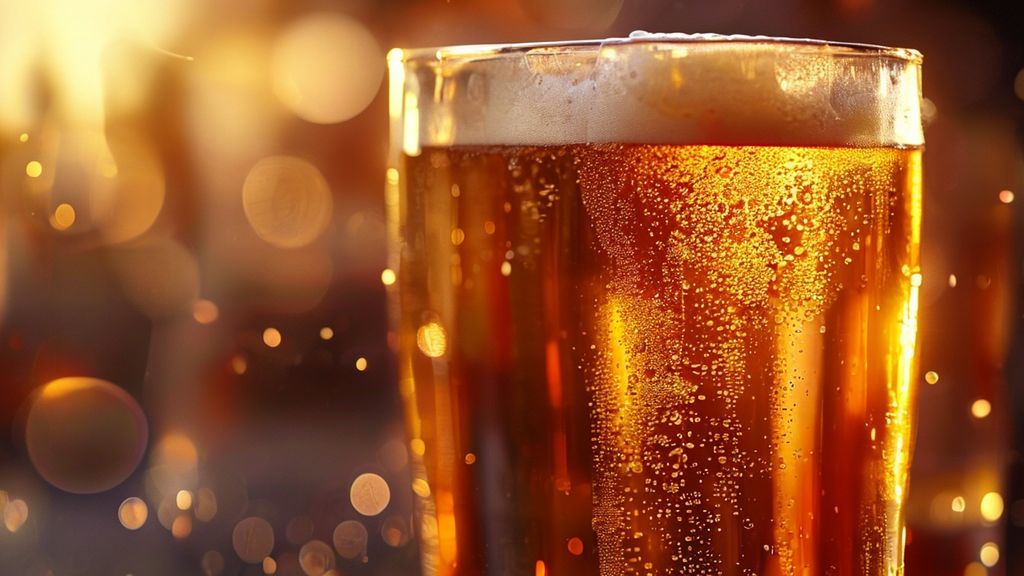
- Appearance: A beautiful, pale straw color with a slight, inviting haze. It’s not murky, but it’s definitely not crystal clear. A dense, rocky white head that persists and leaves lacing on the glass is a hallmark.
- Aroma: The first whiff should be an immediate burst of fresh citrus, primarily orange zest, backed by a gentle, peppery note from the coriander. There’s a subtle, almost floral sweetness, and just a hint of bready wheat. I avoid overwhelming clove or banana notes; they should be present only as a whisper, a testament to balanced yeast character.
- Mouthfeel: It’s medium-light bodied, incredibly refreshing, and surprisingly creamy despite its lightness. The high carbonation delivers a spritzy effervescence that cleanses the palate. There’s a slight tang on the finish, contributing to its drinkability.
- Flavor: The flavor mirrors the aroma precisely. A wave of zesty orange and lemon hits first, followed by the mild, intricate spice of coriander. The wheat provides a soft, bready backdrop, and the bitterness is very low, allowing the other flavors to shine. It finishes crisp and dry, with a lingering citrus note that invites another sip. It’s a beautifully integrated experience that makes all the effort worthwhile. For more detailed insights into brewing techniques, check out BrewMyBeer.online.
Frequently Asked Questions
What yeast strain is best for a Bira 91 White clone?
I consistently achieve the best results with Wyeast 3944 Belgian Witbier or White Labs WLP400 Belgian Wit Ale. These strains are known for producing a balanced profile of fruity esters and light phenolic notes (like subtle clove and banana) that complement the spice additions without overpowering them. Using a healthy, active starter is crucial for proper attenuation and flavor development.
How do I get the right balance of spices?
The key to balance is using fresh ingredients and adding them at the appropriate time. I always use freshly zested oranges (both sweet and bitter) and lemons, and I lightly crush my coriander seeds just before adding them to the boil. Adding the majority of spices at the 10-minute mark allows their volatile oils to infuse without boiling off completely. Avoid pre-ground spices as they lose their aromatic compounds quickly.
Can I make this a partial mash or extract brew?
Absolutely. For a partial mash, replace the Pilsner malt with a light liquid malt extract (LME) or dry malt extract (DME), while still mashing the unmalted wheat and flaked oats. For an all-extract version, you can steep the unmalted wheat and flaked oats in a grain bag at 68°C (155°F) for 30 minutes, then remove and proceed with LME/DME additions. While an all-grain brew provides the most control, a well-executed extract version can still yield excellent results.
How important is water chemistry for this style?
Water chemistry is moderately important for a Witbier clone. While not as critical as for, say, a Bohemian Pilsner, aiming for a mash pH between 5.2 and 5.4 is ideal for enzyme activity and flavor extraction. I often add a small amount of calcium chloride (2-3g for a 20L batch) to enhance mouthfeel and lactic acid if my alkalinity is high, to hit the target pH. Avoiding very hard or very soft water can prevent off-flavors and improve overall beer quality.