


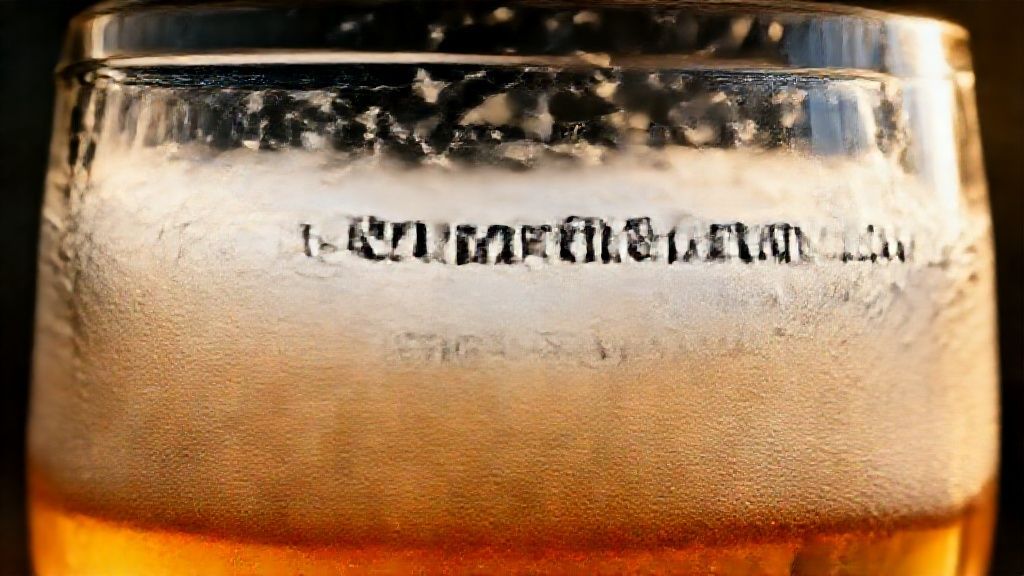
Bochet, or burnt honey mead, is a distinct fermentation crafted by caramelizing or even charring honey before dilution and fermentation. This process transforms simple sugars into complex flavor compounds, offering rich notes of toasted marshmallow, coffee, chocolate, and dark fruit. Achieving a balanced Bochet requires precise temperature control during honey caramelization, meticulous nutrient scheduling, and extended aging to mellow its intense profile.
| Metric | Value |
|---|---|
| Batch Size (Target) | 5 Gallons (19 Liters) |
| Honey Weight (Pre-Caramelization) | 15 lbs (6.8 kg) – Lighter Bochet; 18 lbs (8.2 kg) – Darker Bochet |
| Target Original Gravity (OG) | 1.110 – 1.140 |
| Expected Final Gravity (FG) | 0.998 – 1.010 |
| Estimated Alcohol By Volume (ABV) | 14% – 18% |
| SRM (Estimated) | 20 – 45+ (highly dependent on caramelization level) |
| Fermentation Temperature | 18-20°C (64-68°F) |
| Target Pitching pH | 3.8 – 4.2 |
| Yeast Strain Recommendation | Lalvin K1V-1116, Lalvin EC-1118, Mangrove Jack’s M05 Mead Yeast |
| Aging Time (Minimum) | 6-12 months |
The Allure of the Ember: My Journey with Bochet Mead
When I first ventured into brewing mead twenty years ago, I started with the basics: traditional melomels and metheglins. But then I stumbled upon Bochet, and it genuinely captivated me. The idea of transforming honey, this delicate and often subtle ingredient, into something rich, complex, and almost otherworldly through burning it? It sounded like heresy, yet the results promised a depth I hadn’t yet achieved. My initial attempts were, to put it mildly, a learning curve. I scorched honey into an acrid mess more than once, leading to off-flavors that even extensive aging couldn’t save. But those failures taught me the critical dance of temperature and time, and through rigorous experimentation, I unlocked the secrets to crafting a Bochet that truly sings. This isn’t just mead; it’s an exploration of flavor transformation, a testament to what happens when you push an ingredient to its very edge and then coax new life from it.
The Math Behind the Magic: Bochet Calculations
Crafting a Bochet isn’t just about throwing honey in a pot; it’s about precise calculations to achieve your desired outcome. The caramelization process itself concentrates the sugars and reduces water content, which means your pre-burnt honey weight will yield a slightly different specific gravity once diluted. Here’s how I approach the numbers:
Manual Calculation Guide for Bochet
Before you even think about heat, you need to know your targets. I always aim for a specific Original Gravity (OG) to hit my desired ABV, and then work backwards for the honey quantity, factoring in a small loss from charring.
- Target Original Gravity (OG) & Honey Estimation:
- For a 5-gallon batch, I typically use 15-18 lbs (6.8-8.2 kg) of honey. A good rule of thumb is that 1 lb of honey contributes approximately 0.035 to the specific gravity in 1 gallon of water.
- So, for a 5-gallon batch:
(Honey_lbs / 5 gallons) * 0.035 = Gravity Contribution. - Example: For 16 lbs honey in 5 gallons:
(16 / 5) * 0.035 = 0.112. This means an OG of approximately 1.112. - My experience: Burning honey concentrates it slightly, but you also lose some volume as steam and carbonized solids. I account for about a 5-10% net reduction in effective fermentable sugars after a dark caramelization. So, if my calculation suggests 16 lbs, I might start with 17 lbs to ensure I hit my target post-burn.
- Alcohol By Volume (ABV) Calculation:
- This is a standard formula I rely on after fermentation is complete.
ABV = (OG - FG) * 131.25- Example: If OG is 1.120 and FG is 1.000:
(1.120 - 1.000) * 131.25 = 0.120 * 131.25 = 15.75% ABV. - This calculation is crucial for managing yeast health and knowing the final strength.
- Yeast Pitch Rate:
- For high-gravity meads like Bochet, under-pitching is a recipe for disaster. I always rehydrate my yeast properly.
- General guideline: 5 grams of rehydrated dry yeast per gallon for moderate gravity (up to 1.080). For high gravity (above 1.080), I double it to 10 grams per gallon, or use specific pitch rate calculators if available for liquid yeast.
- For a 5-gallon Bochet with OG 1.120, I’d typically pitch 50g of rehydrated dry yeast (e.g., five 10g packets of K1V-1116).
- Yeast Nutrient Scheduling (Staggered Nutrient Addition – SNA):
- This is arguably the most critical math for clean mead. Honey is deficient in Fermentable Amino Nitrogen (FAN), vital for yeast health. I use a schedule to prevent stressed fermentation.
- For a 5-gallon batch with OG 1.120-1.140, I aim for approximately 250-300 ppm FAN. Using a blend of Fermaid O, Fermaid K, and Diammonium Phosphate (DAP) is my preferred method.
- My SNA Schedule (Example for 5 Gallons, OG 1.130):
- Initial Rehydration (Day 0): Rehydrate yeast with Go-Ferm Protect Evolution (5g/5g dry yeast).
- Pitching (Day 0, after 24-48h cool-down): Add 10g Fermaid O.
- 24 Hours Post-Pitch (approx. 1/3 sugar break, ~1.087): Add 10g Fermaid O + 5g Fermaid K + 5g DAP.
- 48 Hours Post-Pitch (approx. 2/3 sugar break, ~1.050): Add 10g Fermaid O + 5g Fermaid K + 5g DAP.
- 72 Hours Post-Pitch (optional, for very high gravity, or if fermentation slows, ~1.020): Add 5g Fermaid O. *Avoid DAP past 1/2 sugar break as it can lead to off-flavors.*
- This schedule provides a healthy, staggered boost of nitrogen, vitamins, and minerals, preventing a stuck fermentation and fusel alcohols.
Step-by-Step Execution: Brewing Your Bochet
This is where the rubber meets the road. Follow these steps meticulously, and you’ll be rewarded with a magnificent Bochet.
1. Honey Caramelization: The Heart of Bochet
- Gather Equipment: You’ll need a large, heavy-bottomed stainless steel pot (at least 2.5-3x the volume of your honey to prevent boil-overs), a sturdy heat-resistant spoon/spatula, an accurate thermometer (IR thermometer is excellent here), and a heat-safe surface for cooling.
- Prepare Your Space: Ensure good ventilation. This process creates a lot of smoke, especially with darker bochets. Have a large bowl of ice water ready for immediate cooling if needed.
- The Burn:
- Pour your **15-18 lbs (6.8-8.2 kg) of honey** into the pot. I always start with medium-low heat to gently warm the honey, stirring occasionally to prevent scorching the bottom.
- As the honey thins, increase the heat to medium. You’ll see it start to foam. This is water evaporating.
- Continue heating, stirring constantly. The color will progress from light gold to amber, then reddish-brown, and eventually dark brown. You’ll smell changes: from floral honey to toasted marshmallow, then caramel, coffee, and finally hints of dark chocolate or burnt sugar.
- Temperature Milestones (Approximate):
- 120-130°C (248-266°F): Light caramel. Toasted marshmallow, subtle caramel.
- 140-150°C (284-302°F): Medium caramel. Rich caramel, toffee, dark fruit notes. This is where I typically aim for a balanced Bochet.
- 155-165°C (311-329°F): Dark caramel/borderline char. Coffee, chocolate, roasted notes. Push it too far, and you get acrid burnt flavors. My rule of thumb: If it smells burnt in the pot, it will taste burnt in the mead.
- Crucial Moment: Once you hit your target color and aroma, immediately remove the pot from the heat and plunge the bottom into an ice bath or a sink full of cold water to halt the cooking process. Residual heat can continue the caramelization, pushing it too far.
- Let the caramelized honey cool to at least **50°C (122°F)** before proceeding. It will be incredibly thick and sticky.
2. Must Preparation & Pitching
- Dilution: Carefully transfer the cooled, caramelized honey into your sanitized primary fermenter. This will likely require scraping and potentially a small amount of warm water (not hot!) to rinse the pot. Add enough cool, pre-boiled and chilled water to reach your target **5-gallon (19-liter)** volume.
- Hydration & Degassing: Stir vigorously to thoroughly dissolve the honey and aerate the must. I do this for at least 5 minutes. This also helps degas the must, which is important.
- Gravity & pH Check: Take an initial gravity reading (your OG should be between **1.110 and 1.140**). Measure the pH; I aim for a pitching pH between **3.8 and 4.2**. If too low, add potassium carbonate in small increments; if too high, add lactic acid or acid blend.
- Yeast Rehydration: Rehydrate your chosen yeast (e.g., **Lalvin K1V-1116**) according to the manufacturer’s instructions, typically in a small amount of **35-40°C (95-104°F)** water with Go-Ferm Protect Evolution. Let it sit for 15-20 minutes, then temper it by slowly adding small amounts of must until its temperature is within **5°C (9°F)** of the main must.
- Pitching: Once the must is at **18-20°C (64-68°F)**, pitch your rehydrated yeast. Secure the fermenter with an airlock.
3. Primary Fermentation & Nutrient Schedule
- Fermentation Environment: Place your fermenter in a dark, temperature-controlled environment, ideally **18-20°C (64-68°F)**. Consistent temperature is key for a clean fermentation.
- Staggered Nutrient Addition (SNA):
- Day 0 (Pitching): Add **10g Fermaid O** to the must. Stir gently to incorporate.
- 24 Hours Post-Pitch (or 1/3 sugar break, around 1.087): Add **10g Fermaid O + 5g Fermaid K + 5g DAP**. Degas gently before adding, then stir.
- 48 Hours Post-Pitch (or 2/3 sugar break, around 1.050): Add **10g Fermaid O + 5g Fermaid K + 5g DAP**. Degas gently before adding, then stir.
- Important: I always degas the mead before adding nutrients to prevent a violent overflow, especially if fermentation is active. Swirl the fermenter gently or use a sanitized spoon/degassing tool.
- Monitoring: Fermentation should be vigorous within 24-48 hours. Monitor airlock activity and take gravity readings every few days once activity slows.
4. Secondary Fermentation & Aging
- Racking: Once primary fermentation has visibly slowed and gravity readings are stable (e.g., **1.000-1.010**) for several days, it’s time to rack. Carefully siphon the mead off the yeast cake into a sanitized secondary fermenter. Minimize oxygen exposure during this process.
- Aging (Initial): I typically age Bochet in secondary for at least **3-6 months** before considering bottling. This allows initial conditioning and clarification.
- Stabilization (Optional): If you plan to back-sweeten, stabilize the mead with potassium metabisulfite (Campden tablets) and potassium sorbate. Follow product instructions, usually 1/2 Campden tablet per gallon and 1/2 teaspoon potassium sorbate per gallon. Wait at least 24-48 hours before back-sweetening.
- Back-Sweetening (Optional): If you find the Bochet too dry, slowly add unburnt honey, honey syrup (honey dissolved in a small amount of warm water), or a sugar solution to taste. Stir gently and re-measure gravity. Be cautious not to over-sweeten.
- Clarification: Cold crashing (chilling the mead to **0-4°C / 32-39°F** for a few weeks) and/or fining agents (e.g., bentonite, Super-Kleer KC) can help achieve crystal clarity.
5. Bottling & Long-Term Aging
- Sanitation: Ensure all bottles, caps, and bottling equipment are meticulously sanitized.
- Bottling: Siphon the clear mead into bottles, leaving appropriate headspace. Cap immediately.
- Patience is Key: Bochet, more than many meads, benefits immensely from long-term aging. I typically don’t even *think* about opening a bottle before **6-12 months**, and often prefer to let it age for **18-24 months** or even longer. The intense burnt notes mellow, complex dark fruit, chocolate, and roasted coffee flavors emerge, and the mead integrates beautifully. This is where Bochet truly shines. Patience, my friend, is a virtue. More resources on perfecting your aging process can be found on BrewMyBeer.online.
What Can Go Wrong: Troubleshooting Your Bochet
Even with my experience, brewing can throw curveballs. Here are common issues with Bochet and how I address them:
- Acrid/Ashy Flavors: This is almost always due to over-burning the honey. There’s no real fix for excessive char. My advice: taste the honey while burning it frequently. If it tastes acrid or too burnt in the pot, it will be worse in the mead. Start a new batch and aim for a lighter caramelization next time, perhaps up to **150°C (302°F)** max.
- Stuck Fermentation: High gravity and nutrient deficiency are common culprits.
- My fix: First, ensure proper temperature control. Then, gently rouse the yeast by swirling the fermenter. If that doesn’t work, rehydrate a fresh packet of a robust yeast strain (like EC-1118) with Go-Ferm and pitch it, along with a small dose of Fermaid O (no DAP if past 1/2 sugar break).
- Slightly Burnt Notes (Not Acrid): If it’s not full-on acrid but has a dominant burnt character, time is your ally. Age the mead for significantly longer – 18-24 months. Often, these notes will integrate and mellow into pleasant roast or coffee flavors. Oak aging with medium toast oak chips (1 oz per 5 gallons for 2-4 weeks) can also add complementary vanilla and spice notes.
- Medicinal/Band-Aid Flavors: This often indicates wild yeast contamination or chlorophenols from chlorinated water.
- My fix: Ensure meticulous sanitation of all equipment. Use filtered or spring water. If the flavor is present, extended aging *might* reduce it slightly, but it’s often a persistent issue.
- Lack of Caramel/Roast Character: You didn’t burn the honey enough! It’ll just taste like a sweet, dark traditional mead.
- My fix: For the current batch, you can’t add more roast. For the next batch, push the honey caramelization further, aiming for a higher temperature, but staying vigilant to avoid acridity. Consider blending with a more intensely burnt Bochet batch.
Sensory Analysis: What a Well-Made Bochet Tastes Like
A truly great Bochet is a symphony of rich, dark flavors balanced by the inherent sweetness and complexity of honey. When I pour a glass of a properly aged Bochet, this is what I’m looking for:
- Appearance: It should possess a deep, inviting amber to nearly opaque brown color, often resembling a dark porter or a fine aged tawny port. Clarity should be brilliant, showcasing the liquid’s depth.
- Aroma: The nose is incredibly complex. I expect immediate notes of rich caramel, burnt sugar, toasted marshmallow, and often dark chocolate or espresso. As it opens up, nuances of dried dark fruits (raisin, fig, prune), baking spices (vanilla, cinnamon), and sometimes a subtle nuttiness emerge. There should be no harsh alcoholic fusel notes, only warmth.
- Mouthfeel: Bochet typically has a full-bodied, viscous mouthfeel, coating the palate. The alcohol warmth should be present but smooth, never burning. A slight tannin grip from the caramelized honey is desirable, providing structure and preventing it from being cloyingly sweet.
- Flavor: The flavor mirrors the aroma but with even greater intensity. Layers of dark caramel and toffee dominate, swiftly followed by rich coffee, dark cocoa, and sometimes a subtle smokiness if the burn was pushed. Hints of candied pecans, stewed plums, or even molasses can surface. The finish should be long and warming, with the roast and caramel notes lingering beautifully, inviting another sip. A well-attenuated Bochet will balance the residual sweetness with its robust dark flavors. This journey is why I keep coming back to this style, always finding new layers, and I share my ongoing discoveries frequently on BrewMyBeer.online.
Frequently Asked Questions About Bochet Mead
What kind of honey should I use for Bochet?
I’ve experimented with many types. For Bochet, the specific varietal character of the honey often gets overshadowed by the caramelization. I typically opt for a good quality, cost-effective clover or wildflower honey. What’s more important is its freshness and lack of off-flavors pre-burn. I avoid highly aromatic or expensive specialty honeys for Bochet, saving those for traditional meads where their delicate notes can shine.
Can I make a Bochet sparkling?
While most traditional Bochets are still, you absolutely can make it sparkling. If you choose to carbonate, I recommend priming in bottles with a calculated amount of priming sugar (e.g., 4-5 oz dextrose for 5 gallons to reach medium carbonation). Ensure your mead is completely fermented dry (FG 1.000 or below) and stabilized before bottling if you’re not planning to backsweeten, or the yeast will referment the sugars and create bottle bombs. Be aware that the deep, rich flavors of Bochet sometimes pair better with a still presentation.
How dark should I burn my honey?
This is a matter of personal preference and experimentation. My advice is to start lighter on your first batch, aiming for a deep amber to reddish-brown color with aromas of rich caramel and toasted marshmallow (around **140-150°C / 284-302°F**). In subsequent batches, you can slowly push the limit towards darker brown, coffee, and chocolate notes (**155-165°C / 311-329°F**), always tasting small samples and being mindful of the acrid boundary. Remember, it’s easier to go darker next time than to fix an over-burnt batch.
Does Bochet require special yeast?
Not necessarily “special,” but it does require a robust, high-alcohol tolerant yeast. Given Bochet’s high OG and often complex sugar profile post-caramelization, I recommend strains known for clean fermentation in high-gravity environments. Lalvin K1V-1116 is my go-to for its ability to ferment cleanly at higher temperatures and its strong alcohol tolerance. Lalvin EC-1118 is another reliable, if sometimes more aggressive, choice. Always ensure proper rehydration and adequate nutrient additions, as these are more critical than the specific strain for a successful Bochet.