

Master dry-hopped Pilsner for crisp finish with expert techniques, perfect hop selection, precise timing, and traditional lager methods that create refreshing, aromatic beer with clean, dry character.

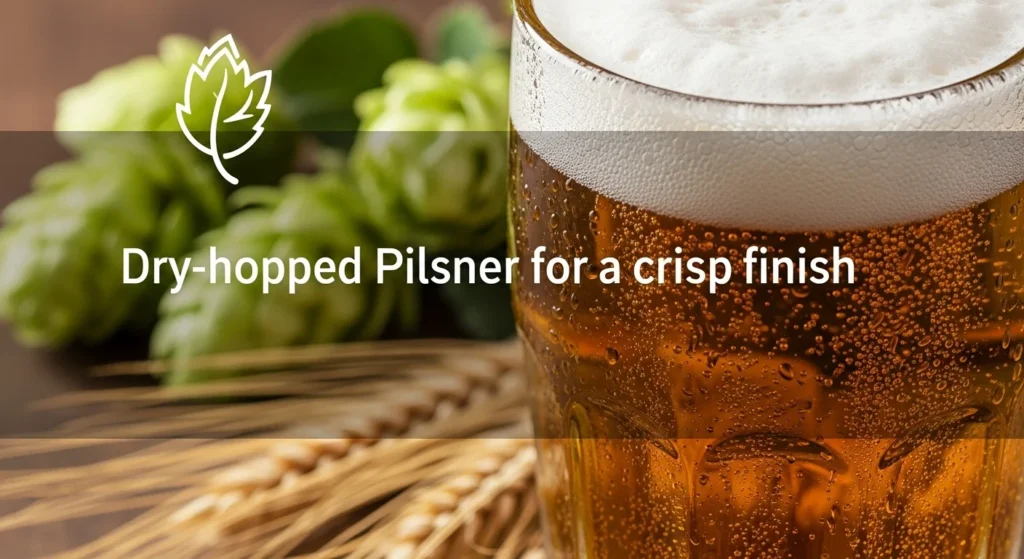
Dry-hopped Pilsner for crisp finish represents the perfect marriage of traditional German lager brewing with modern hop techniques, creating refreshing beers that showcase bright hop aromatics while maintaining the clean, dry character that defines exceptional Pilsner quality. After developing numerous dry-hopped Pilsner for crisp finish variations over the past eight years and studying both classic European methods and contemporary American approaches, I can confidently state that mastering this style requires understanding the delicate balance between traditional lager fermentation, strategic hop timing, and precise temperature control that creates the signature combination of floral hop aroma with bone-dry, refreshing finish.
My dry-hopped Pilsner for crisp finish journey began with attempts that either overwhelmed the delicate lager base or failed to achieve the distinctive hop character that separates exceptional examples from ordinary pale lagers. The transformation occurred when I discovered that proper timing and temperature control during dry hopping create essential hop integration while maintaining the clean fermentation profile and crisp finish that defines authentic Pilsner character through systematic brewing approaches.
This comprehensive guide to dry-hopped Pilsner for crisp finish explores every aspect of modern lager brewing including traditional grain bill foundations, hop selection strategies, precise fermentation management, and innovative dry hopping techniques that produce the brilliant clarity, bright hop aromatics, and exceptionally dry finish characteristic of the finest contemporary interpretations. From understanding classic Pilsner principles to mastering modern hop applications, this guide provides complete knowledge for creating outstanding beers that honor tradition while embracing innovation.
Whether you’re advancing into specialty lager brewing or exploring modern hop techniques, mastering dry-hopped Pilsner for crisp finish provides essential skills while creating refreshing, complex beers that demonstrate both technical precision and creative adaptation through proven methods and systematic approach.
Understanding Modern Dry-hopped Pilsner Character
Authentic dry-hopped Pilsner maintains traditional lager foundations while incorporating contemporary hop aromatics ranging from 1.044-1.052 original gravity while achieving 4.5-5.5% alcohol content through clean German malts enhanced by strategic hop additions that create bright floral and citrus aromatics without compromising the bone-dry finish defining exceptional Pilsner quality.
Visual Presentation Standards
Modern dry-hopped Pilsner exhibits brilliant gold to light amber coloration with crystal clarity and persistent white foam while showcasing proper lager conditioning and hop integration that creates appetizing appearance without haze or cloudiness.
Hop Aroma Integration
Strategic dry hopping adds bright floral, citrus, and herbal aromatics while maintaining restraint that complements rather than overwhelms traditional Pilsner malt character through careful variety selection and timing precision.
Crisp Finish Definition
Exceptional dryness defines authentic Pilsner character with final gravity around 1.008-1.012 while creating clean, refreshing conclusion that encourages continued consumption without residual sweetness or cloying mouthfeel.
Balanced Malt Foundation
Premium Pilsner malt provides subtle grain sweetness while supporting hop character without competing flavors and maintaining the essential bread-like character that defines traditional German brewing excellence.
Clean Lager Profile
Proper German lager fermentation produces exceptional purity without esters, phenols, or off-flavors while showcasing brewing precision through extended cold conditioning and systematic yeast management.
For comprehensive dry-hopped Pilsner brewing techniques and modern lager methods, explore the innovative brewing resources at BrewMyBeer’s dry hopping section, where traditional German brewing meets contemporary hop innovation.
Essential Ingredients for Excellence
Premium dry-hopped Pilsner requires quality German malts, noble hop foundations, and strategic aroma hop selections that create the complex yet balanced character through traditional base ingredients enhanced by modern hop varieties that provide distinctive aromatics without overwhelming classic foundations.
German Pilsner Malt Selection
Premium German Pilsner malt comprises 85-95% of grain bill providing essential pale color, subtle sweetness, and clean fermentable sugars while contributing the distinctive bread-like character that defines authentic European brewing quality.
Supporting Malt Additions
Light Munich or Vienna malt in 5-10% proportions adds subtle complexity and enhanced body while maintaining pale color and supporting hop character through careful malt selection and proportion control.
Traditional Noble Hop Foundation
Classic varieties including Saaz, Hallertau, and Tettnanger provide bittering and early flavor while establishing traditional Pilsner hop character that complements modern dry hop additions through authentic German brewing methods.
Modern Aroma Hop Selection
Contemporary varieties including Citra, Mosaic, and New Zealand hops provide distinctive aromatics while maintaining balance through careful selection that enhances rather than overwhelms traditional character foundations.
German Lager Yeast Strains
Authentic German lager yeast including Wyeast 2007 or Saflager W-34/70 produces clean fermentation while maintaining proper attenuation and traditional character development essential for authentic Pilsner quality.
Water Chemistry Optimization
Soft to moderately hard water supports hop character while providing mineral balance that enhances both traditional malt extraction and modern hop aromatics through proper brewing water treatment.
| Ingredient Category | Percentage/Amount | Character Contribution | Quality Requirements | Selection Criteria |
|---|---|---|---|---|
| German Pilsner Malt | 85-95% | Clean grain foundation | Premium European | Essential base |
| Munich/Vienna Malt | 5-10% | Subtle complexity | Traditional kilning | Supporting role |
| Noble Hops | 20-30 IBU | Traditional bitterness | Authentic varieties | Foundation |
| Aroma Hops | 1-3 oz dry hop | Modern aromatics | High oil content | Distinctive character |
| German Lager Yeast | Standard pitch | Clean fermentation | Temperature tolerance | Critical quality |
Complete Dry-hopped Pilsner Recipe
This comprehensive dry-hopped Pilsner recipe produces 5 gallons of modern craft lager with traditional foundations enhanced by contemporary hop character while maintaining the crisp, dry finish that defines exceptional Pilsner quality through proven techniques.
All-Grain Recipe Specifications
Target parameters include 1.050 original gravity, 1.010 final gravity, 28 IBU, 4 SRM, and 5.2% ABV while creating authentic character through proper ingredient ratios and systematic brewing methods that honor tradition while embracing innovation.
Premium Grain Bill Foundation
Quality grain bill includes 9.5 lbs German Pilsner malt, 0.75 lbs Munich malt, and 0.25 lbs acidulated malt while providing clean foundation, subtle complexity, and proper pH management essential for authentic character.
Traditional and Modern Hop Schedule
Balanced hop program includes 0.75 oz Saaz at 60 minutes, 0.5 oz Hallertau at 15 minutes, 1 oz Citra at 5 minutes, and 2 oz mixed Mosaic/Centennial dry hop while creating layered hop character and distinctive aromatics.
German Lager Yeast Selection
Recommended yeast includes Wyeast 2007 Pilsen Lager with adequate starter preparation while ensuring proper cell count and healthy fermentation in challenging lager conditions that demand precision.
Extract Version Adaptation
Extract brewers substitute 6.5 lbs Pilsner liquid malt extract with Munich malt steeping while maintaining character through quality extract selection and proper specialty grain integration techniques.
Traditional Pilsner Mashing Techniques
Authentic Pilsner mashing employs step protocols or single infusion methods that optimize German malt extraction while creating the clean, fermentable wort essential for crisp finish and traditional character development.
Single Infusion Mash Protocol
Mash at 148-151°F for enhanced fermentability while promoting beta amylase activity that creates highly attenuable wort essential for achieving proper dryness and authentic Pilsner character.
Step Mashing Benefits
Traditional step mashing enhances malt character through protein rest at 122°F followed by saccharification while optimizing enzyme activity and creating superior wort quality.
Extended Conversion Period
Allow 60-90 minutes for complete starch conversion while ensuring optimal enzyme activity and extract efficiency from premium German malts through systematic temperature management.
Mash-Out Temperature Control
Raise temperature to 168°F for mash-out while stopping enzymatic activity and improving lautering efficiency through proper temperature progression and systematic heating.
pH Management
Target mash pH 5.2-5.4 for optimal extraction while ensuring proper enzyme activity and flavor development through acidulated malt or acid additions when necessary.
Precision Lager Fermentation
Dry-hopped Pilsner fermentation requires exceptional temperature control and systematic yeast management while developing clean character that supports hop integration without competing fermentation flavors or off-character development.
Primary Fermentation Temperature
Begin fermentation at 48-50°F with adequate yeast population while promoting controlled yeast activity that produces clean character without excessive ester formation or fermentation stress that might compromise quality.
Fermentation Duration Management
Allow 14-18 days primary fermentation while monitoring gravity changes and ensuring complete yeast activity before proceeding to diacetyl rest and dry hopping phases.
Diacetyl Rest Protocol
Raise temperature to 60-65°F during final fermentation days while allowing yeast to process diacetyl precursors that could create buttery off-flavors inappropriate for clean Pilsner character.
Yeast Management Standards
Use adequate yeast cell counts and proper oxygenation while ensuring healthy fermentation that prevents stuck fermentation and maintains clean character essential for hop showcase.
Temperature Transition Control
Gradual temperature changes prevent yeast stress while maintaining optimal fermentation conditions that support complete attenuation and proper flavor development.
Strategic Dry Hopping Techniques
Proper dry hopping timing and technique create optimal hop integration while maintaining lager clarity and preventing harsh extraction that might compromise the delicate balance essential for exceptional dry-hopped Pilsner character.
Optimal Timing Selection
Dry hop during diacetyl rest at 60°F before cold crashing while ensuring proper extraction temperature without excessive heat that might create harsh compounds or unwanted vegetative flavors.
Hop Preparation Methods
Use whole hops or high-quality T90 pellets while avoiding excessive breakdown that creates sediment and maintaining hop integrity that provides optimal oil extraction and aroma development.
Contact Time Optimization
Maintain 2-4 days contact time at temperature while avoiding extended exposure that might create harsh extraction or vegetative character inappropriate for clean Pilsner foundations.
Oxygen Prevention Strategies
Employ closed transfer methods or CO2 purging while preventing oxidation that compromises hop aromatics and creates stale flavors inappropriate for fresh, vibrant character.
Hop Removal Techniques
Cold crash after dry hopping to settle hop matter while ensuring clear final beer and preventing continued extraction that might create harsh or vegetal off-flavors.
Extended Lagering and Conditioning
Traditional cold conditioning develops exceptional smoothness while preserving hop character through controlled temperature management that creates the brilliant clarity and refined character defining premium dry-hopped Pilsner quality.
Post Dry-hop Lagering
Continue cold conditioning at 32-35°F for 3-6 weeks while allowing hop integration and clarity development that improves overall quality without losing hop character through extended storage.
Clarity Development Process
Extended cold storage achieves brilliant clarity through natural precipitation while maintaining hop aromatics and creating the visual perfection essential for authentic Pilsner presentation.
Hop Character Preservation
Cold temperatures help preserve volatile hop compounds while preventing degradation that occurs at higher temperatures and maintaining fresh hop character throughout conditioning period.
Flavor Integration Benefits
Extended conditioning allows hop and malt harmony while developing seamless integration between traditional foundations and modern hop character through systematic aging.
Quality Assessment Timing
Regular tasting during lagering monitors character development while ensuring optimal packaging timing that captures peak hop character and proper lager maturation.
Hop Variety Selection Strategies
Strategic hop selection creates distinctive character profiles while maintaining balance between traditional noble hop foundations and modern aroma varieties that enhance rather than overwhelm classic Pilsner character.
Noble Hop Foundation Varieties
Traditional Saaz, Hallertau, and Tettnanger provide authentic base while establishing classic Pilsner hop character that complements modern additions through historical brewing authenticity and proven compatibility.
Citrus-Forward Aroma Hops
Citra, Centennial, and Amarillo create bright citrus character while providing orange, grapefruit, and lemon aromatics that enhance refreshing qualities without overwhelming delicate malt foundations.
Floral and Herbal Selections
Mosaic, Simcoe, and Columbus contribute complex aromatics while adding layers of floral, herbal, and tropical notes that create sophisticated hop character through diverse variety combinations.
New World Hop Exploration
Australian and New Zealand varieties provide unique profiles including Galaxy, Nelson Sauvin, and Motueka while contributing distinctive character through innovative hop breeding and terroir expression.
Single vs Multiple Variety Approaches
Single hop showcases individual character while blends create complexity through complementary aromatics and balanced integration that enhances overall hop impact and drinking experience.
Advanced Brewing Techniques
Professional dry-hopping methods enhance extraction and quality while modern techniques including biotransformation timing and pressure management create superior hop integration and character development.
Biotransformation Enhancement
Adding small amounts of hops during active fermentation allows yeast metabolism to transform hop compounds while creating unique flavors impossible through traditional dry hopping alone.
Pressure Fermentation Benefits
Fermentation under pressure preserves hop aromatics while preventing volatile compound loss and creating enhanced hop retention through controlled CO2 management.
Split Dry Hop Additions
Dividing dry hops into multiple additions improves extraction efficiency while preventing saturation and creating layered hop character through systematic timing and quantity management.
Temperature Manipulation
Rousing and temperature cycling enhance extraction while ensuring optimal hop oil release and preventing hop matter settling that reduces contact time and extraction efficiency.
Hop Selection Optimization
Choosing hops with high oil content and soft pellet structure improves extraction while selecting varieties bred for dry hopping applications that provide optimal aroma development.
Water Chemistry and Treatment
Proper water chemistry supports both traditional Pilsner character and hop extraction while balanced mineral profiles enhance malt extraction and hop utilization through systematic water treatment and quality management.
Pilsner Water Profile Requirements
Soft to moderately soft water enhances hop character while supporting traditional Pilsner malt extraction and creating clean mineral profile that allows hop aromatics complete expression without interference.
Chloride-Sulfate Balance
Higher sulfate levels enhance hop character perception while maintaining moderate chloride for mouthfeel and creating mineral balance that supports both traditional and modern character elements.
pH Management
Proper brewing water pH supports enzyme activity while ensuring optimal mash conditions and maintaining water quality that enhances both fermentation and hop extraction processes.
Mineral Addition Strategy
Systematic mineral additions create optimal profiles while avoiding excessive treatment that might interfere with delicate hop aromatics or create harsh mineral character inappropriate for refined Pilsner quality.
Chlorine and Chloramine Removal
Proper dechlorination prevents hop degradation while protecting both yeast health and hop compound integrity throughout brewing and fermentation processes.
Troubleshooting and Quality Control
Common dry-hopped Pilsner challenges require systematic solutions while addressing issues including excessive hop character, clarity problems, and balance difficulties that affect authentic character and drinking quality.
Overwhelming Hop Character
Excessive dry hopping creates harsh, grassy flavors requiring reduced quantities and shorter contact times while maintaining aromatic impact through improved hop selection and timing precision.
Clarity and Presentation Issues
Dry hopping can create haze and sediment requiring extended cold conditioning and proper hop removal techniques while maintaining brilliant appearance essential for Pilsner presentation standards.
Balance and Integration Problems
Poor hop-malt integration affects drinking experience requiring recipe adjustment and timing modification while achieving harmony between traditional foundations and modern additions.
Oxidation Prevention
Dry hopping introduces oxidation risks requiring careful technique and oxygen exclusion while maintaining hop character and preventing stale flavors that compromise quality.
Hop Character Degradation
Extended storage affects hop aromatics requiring proper packaging timing and storage conditions while preserving fresh hop character throughout beer shelf life.
Serving and Appreciation
Proper dry-hopped Pilsner service maximizes aromatic impact while appropriate temperature, glassware, and presentation showcase the distinctive hop character and crisp finish that define exceptional modern lager quality.
Optimal Serving Temperature
Serve at 38-42°F for maximum hop aroma release while maintaining carbonation and showcasing fresh hop character without temperature masking that reduces aromatic impact and drinking pleasure.
Glassware Selection
Use Pilsner glasses or tulips for aroma concentration while providing proper volume and shape that enhances hop aromatics and supports traditional Pilsner presentation methods and cultural appreciation.
Carbonation Level Optimization
Maintain 2.4-2.8 volumes CO2 for proper mouthfeel while enhancing hop perception and creating refreshing character that amplifies aromatics through effervescent delivery.
Freshness Considerations
Consume within 6-8 weeks for optimal hop character while understanding that hop aromatics fade over time and planning consumption schedules that capture peak quality and character.
Food Pairing Excellence
Excellent with light dishes and spicy cuisines while the crisp finish and hop character complement rather than compete with food while providing refreshing contrast and palate cleansing qualities.
Conclusion and Brewing Excellence
Mastering dry-hopped Pilsner for crisp finish requires balancing traditional lager foundations with modern hop techniques while systematic ingredient selection, precise timing, and quality control create exceptional examples that honor brewing tradition while embracing innovation.
Begin with authentic Pilsner brewing techniques and quality German ingredients while building understanding of lager fermentation and temperature control that provides clean foundations for hop character showcase and integration.
Master dry hopping timing and technique while learning oxygen exclusion and extraction optimization that creates maximum hop impact without compromising clarity or introducing off-flavors that affect quality.
Practice restraint and balance in hop selection while understanding that exceptional dry-hopped Pilsner emphasizes harmony between traditional and modern elements rather than hop intensity alone.
Remember that successful dry-hopped Pilsner showcases both brewing precision and creative adaptation while creating refreshing, complex beers that demonstrate technical skill and artistic vision through systematic approach and proven methods.
The investment in understanding lager brewing and hop techniques provides lasting brewing education while creating exceptional beers that bridge traditional European brewing heritage with contemporary American innovation.
Choose quality ingredients and proven techniques while maintaining respect for both traditional Pilsner character and modern hop artistry that creates distinctive, memorable drinking experiences.
About the Author
Ryan Brewtech combines his engineering background with over 13 years of brewing experience to specialize in brewing technology, equipment optimization, and precision fermentation control. His technical expertise in temperature management and process automation makes him particularly skilled at the complex fermentation protocols required for exceptional lagers like dry-hopped Pilsner. Ryan has extensively studied both traditional German brewing methods and modern American hop techniques, developing systematic approaches that bridge classical and contemporary brewing practices.
His background in process optimization helps brewers understand the critical timing and temperature control that creates successful dry-hopped lagers without compromising traditional character. Ryan maintains a comprehensive brewing laboratory where he tests fermentation control systems and hop extraction techniques, contributing to several industry publications on lager brewing and dry hopping optimization. When not developing brewing technology solutions or perfecting lager protocols, Ryan enjoys exploring how traditional European brewing wisdom can be enhanced through modern technology and precision control while preserving the authenticity that defines exceptional beer styles. Contact Ryan at ryan.brewtech@brewmybeer.online or explore his comprehensive brewing guides and technology resources at brewmybeer.online.