

Master the complete English Barleywine strong ale recipe with traditional techniques, proper high-gravity brewing, extended aging, and authentic ingredients for creating complex strong ales.

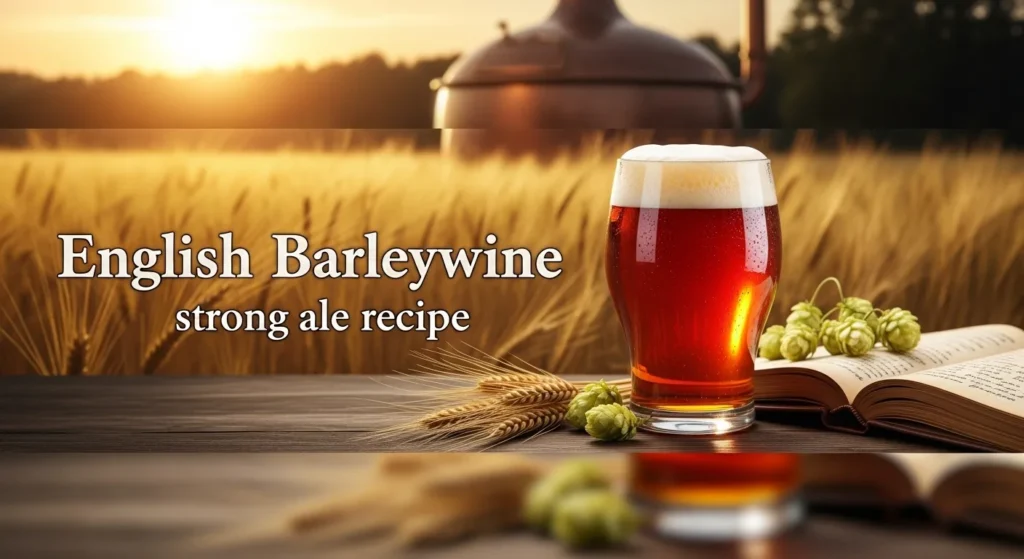
English Barleywine strong ale recipe represents the pinnacle of traditional British brewing excellence, requiring mastery of high-gravity techniques, complex malt integration, and patient aging to create the characteristic deep amber to copper appearance, rich malty sweetness, and warming alcohol character that has defined this “strongest of ales” for centuries. After developing numerous English Barleywine strong ale recipe variations over the past eleven years and studying traditional methods from historic English breweries, I can confidently state that mastering this style demands understanding the intricate balance between substantial malt foundations, restrained hop presence, and extended conditioning that creates beers ranging from 8-12% ABV while maintaining the remarkable complexity and deceptive drinkability defining authentic English strong ale heritage.
My English Barleywine strong ale recipe journey began with attempts that either produced harsh, alcoholic monsters lacking subtlety or sweet, cloying beers that missed the essential balance defining traditional English character. The breakthrough came when I discovered that proper grain bill architecture and systematic aging protocols create the foundation while controlled fermentation and traditional English techniques develop the smooth, integrated character that separates exceptional barleywines from ordinary strong ales through authentic British methods.
This comprehensive English Barleywine strong ale recipe guide explores every aspect of traditional British strong brewing including complex grain bill formulations, high-gravity mashing techniques, extended boiling protocols, and aging methods that produce the signature rich amber appearance, toffee-sherry complexity, and gentle warming finish defining England’s most celebrated beer contribution. From understanding the style’s historical origins to mastering modern applications of traditional techniques, this guide provides complete knowledge for creating outstanding barleywines that honor English brewing heritage.
Whether you’re advancing into strong beer production or seeking to master traditional English brewing, learning English Barleywine strong ale recipe provides essential skills while creating sophisticated beers that demonstrate both technical precision and cultural authenticity through systematic approach and proven English methods.
Understanding Traditional English Barleywine Character
Authentic English Barleywine displays deep amber to copper coloration with complex character ranging from 1.080-1.120 original gravity while achieving 8.0-12.0% alcohol content through sophisticated grain bills featuring British pale ale malt and specialty grains that create the signature toffee-caramel aromatics, rich malty sweetness, and smooth alcohol integration defining traditional English strong ale brewing excellence.
Rich Amber-Copper Appearance
Traditional barleywine exhibits deep amber to copper hues ranging from 14-24 SRM with excellent clarity and persistent tan foam while showcasing proper malt integration and extended conditioning that creates visual elegance essential for English presentation.
Complex Malty Sweetness Profile
British malts provide sophisticated bread, toffee, and caramel notes while Golden Promise, Maris Otter, and specialty malts contribute layered complexity that defines traditional English brewing through historical grain selection.
Restrained English Hop Character
Traditional English hops provide gentle, earthy bitterness while East Kent Goldings, Fuggles, and Challenger varieties maintain restraint that allows malt complexity complete dominance through historical hop usage.
Smooth Alcohol Integration
Extended aging develops gentle warming without harshness while careful fermentation management prevents fusel development and creates smooth integration that enhances rather than dominates flavor perception.
Sherry-Like Complexity
Traditional conditioning develops wine-like character while oxidative aging creates sherry notes and increased complexity that transforms barleywine from beer into contemplative beverage through patient development.
For comprehensive English Barleywine brewing techniques and traditional methods, explore the authentic British brewing resources at BrewMyBeer’s English ale section, where English brewing wisdom meets modern homebrewing precision.
Essential English Barleywine Ingredients
Authentic English Barleywine strong ale recipe requires specific ingredient combinations including quality British malts, traditional English hops, sugar additions, and proper yeast strains that create distinctive character through ingredient authenticity and English brewing heritage.
British Pale Ale Malt Foundation
Golden Promise or Maris Otter comprises 85-95% of grain bills providing essential biscuity character while contributing rich color foundation and enzymatic power necessary for high-gravity mashing and complex specialty integration.
English Crystal Malt Complexity
Traditional English crystal malts add 5-10% caramel character while 45-135L varieties provide layered sweetness and improved color development through careful proportion control and quality British ingredients.
Torrified Wheat Enhancement
Torrified wheat contributes 5-8% protein and head retention while improving body and foam stability essential for strong ale presentation through traditional English brewing additives.
Specialty Malt Integration
Pale chocolate malt provides 1-2% subtle roasted notes while adding complexity and color adjustment without overwhelming malt sweetness through restrained usage.
English Invert Sugar
Traditional invert sugar contributes 10-15% fermentables while enhancing alcohol content and providing subtle molasses notes that complement malt complexity through historical brewing practices.
Traditional English Hops
Classic varieties including East Kent Goldings, Fuggles, and Challenger provide gentle, earthy bitterness while maintaining restraint that allows malt character complete dominance.
English Ale Yeast Strains
Traditional strains including WLP002 English Ale and Wyeast 1968 London ESB produce authentic character while maintaining clean fermentation and developing the neutral profile essential for showcasing malt integration.
| Ingredient Component | Percentage Range | Character Contribution | Quality Requirements | English Authenticity |
|---|---|---|---|---|
| British Pale Malt | 85-95% | Biscuity foundation | Premium quality | Traditional terroir |
| English Crystal | 5-10% | Caramel complexity | British varieties | Historical usage |
| Torrified Wheat | 5-8% | Body enhancement | Traditional processing | Texture improvement |
| Invert Sugar | 10-15% | Alcohol development | Traditional processing | Historical practice |
| English Hops | 35-60 IBU | Earthy balance | Traditional varieties | Authentic restraint |
Complete Traditional Barleywine Recipe
This authentic English Barleywine strong ale recipe produces 5 gallons of traditional strong ale with proper complexity, smooth character, and historical authenticity through carefully selected ingredients and proven English brewing techniques.
All-Grain Recipe Specifications
Target original gravity 1.100, final gravity 1.029, 45 IBU, 18 SRM, and 9.5% ABV while creating authentic English Barleywine character through traditional ingredient ratios and systematic British brewing methods.
Traditional English Grain Bill
Premium ingredients include 18 lbs Golden Promise pale ale malt, 1.5 lbs torrified wheat, 12 oz English medium crystal malt, 8 oz English dark crystal malt, and 2 oz pale chocolate malt while providing proper foundation, complexity, and authentic color development.
Classic English Hop Schedule
Traditional hop program includes 2 oz Challenger hops at 60 minutes while creating balanced bitterness and subtle floral character through traditional English hop integration.
Authentic English Yeast
Wyeast 1968 London ESB Ale or White Labs WLP002 English Ale provides traditional character while ensuring clean fermentation and proper attenuation that showcases malt integration.
Alternative Extract Version
Extract adaptation uses 12.5 lbs Maris Otter liquid malt extract with specialty grain steeping while maintaining traditional character through quality extract selection and proper grain integration.
Advanced High-Gravity Mashing Techniques
Sophisticated barleywine mashing represents the most critical aspect of English Barleywine strong ale recipe while high-gravity conditions and complex enzyme management create optimal conditions for challenging grain bill conversion.
Step Mashing Protocol
Begin with protein rest at 122°F for 15 minutes while promoting protein breakdown and head retention essential for strong ale presentation and long-term stability.
Beta Amylase Optimization
Primary saccharification at 149°F for 60 minutes while promoting beta amylase activity that creates highly fermentable sugars essential for proper attenuation despite high alcohol content.
Alpha Amylase Enhancement
Brief rest at 158°F for 15 minutes while ensuring complete starch conversion and developing proper body through controlled enzyme activity and temperature management.
Extended Mash Duration
Hold conversion temperature for 90 minutes minimum while ensuring complete enzymatic activity and optimal extract efficiency from challenging high-gravity grain bills.
Mash-Out Temperature Control
Raise temperature to 168°F for improved lautering while stopping enzymatic activity and enhancing runoff efficiency through proper temperature progression.
Extended Boiling and Concentration
Traditional barleywine boiling employs extended protocols that develop proper color integration, concentrate flavors, and create the characteristic Maillard complexity defining authentic English strong ale brewing excellence.
Extended 90-120 Minute Boil
Long boils enhance color development and concentration while extended thermal processing creates proper caramelization and flavor complexity essential for traditional barleywine character development.
Wort Concentration Strategy
Collect 6.5-7 gallons and boil down to 5 gallons while concentration creates enhanced color and flavor development that defines traditional English brewing methods.
Sugar Addition Timing
Add invert sugar during final 30 minutes of boil while ensuring complete dissolution and sterilization without excessive caramelization that might affect intended flavor development.
Conservative Hop Utilization
Single or double hop additions maintain traditional restraint while 60-minute additions provide balanced bitterness that complements rather than competes with malt complexity.
Kettle Finings and Clarification
Irish moss additions improve clarity and protein removal while supporting clean final beer presentation essential for English brewing standards through systematic protein management.
English Yeast Management
Successful English barleywine fermentation requires sophisticated yeast management while understanding high-gravity stress and alcohol tolerance creates optimal conditions for clean character development.
Large Yeast Starter Requirements
4-6 quart yeast starters ensure adequate cell populations while high-gravity conditions require substantial viable yeast for healthy fermentation and complete sugar conversion through systematic preparation.
Temperature Control Strategy
Begin fermentation at 64°F rising to 68°F while controlled temperature progression promotes complete attenuation without excessive ester formation that might compete with malt character.
Extended Primary Duration
Allow 2-4 weeks primary fermentation while monitoring gravity changes and ensuring complete yeast activity before conditioning phases that develop final character.
Diacetyl Rest Management
Gradual temperature increase for yeast cleanup while allowing proper completion of fermentation byproducts that might affect flavor development and stability.
Alcohol Tolerance Considerations
English ale yeasts handle 9-11% alcohol effectively while understanding strain limitations and providing optimal conditions for complete fermentation in challenging environments.
Extended English Conditioning
Traditional English conditioning develops exceptional barleywine character through extended aging that creates smooth integration and complex flavor development defining authentic English strong ale brewing excellence.
Minimum Aging Requirements
Traditional recipes require 6-24 months aging while understanding that exceptional barleywines continue improving with extended storage through systematic flavor integration and maturation.
Temperature Control During Aging
Maintain consistent cellar temperature throughout conditioning while 55-65°F provides optimal conditions for flavor development without temperature stress that might affect delicate balance.
Oxidative Aging Benefits
Controlled oxidation develops sherry-like complexity while traditional storage methods create wine-like character and increased sophistication through patient conditioning techniques.
Flavor Integration Process
Complex chemical processes develop during extended aging while harsh edges soften and flavors integrate to create the smooth, complex character defining mature barleywine quality.
Vintage Considerations
Different aging periods create unique character expressions while systematic evaluation guides optimal consumption timing and cellar management for premium quality development.
Water Chemistry for Strong Ales
Proper water chemistry supports English Barleywine strong ale recipe development while traditional English water profiles enhance malt extraction and brewing methods through balanced mineral content and systematic treatment.
English Water Profile Emulation
Moderately hard water enhances traditional character while supporting optimal enzyme activity and malt extraction that create authentic English brewing conditions and flavor development.
Calcium Chloride Enhancement
1 tsp calcium chloride directly to mash improves extraction while supporting enzyme activity and yeast health without harsh mineral interference through systematic addition.
pH Management Strategy
Target brewing water pH around 5.5 for optimal extraction while ensuring proper enzyme activity and flavor development throughout complex grain bill processing.
Alkalinity Balance
Adequate alkalinity supports high-gravity mashing while buffering capacity maintains optimal pH despite challenging grain bill complexity and extended processing requirements.
Treatment Restraint
Avoid excessive water modification while maintaining balanced mineral profile that allows traditional English ingredients complete expression without harsh chemical interference.
High-Gravity Brewing Challenges
English Barleywine strong ale recipe presents unique brewing challenges while systematic solutions address problems including stuck fermentation, poor attenuation, and yeast stress that affect quality and authenticity.
Stuck Fermentation Prevention
Adequate yeast health prevents incomplete fermentation through large starters, proper nutrition, and environmental control while ensuring complete sugar conversion in challenging conditions.
Poor Attenuation Solutions
Extended fermentation and diacetyl rest improve completion while systematic yeast management and temperature control ensure proper finishing gravity achievement.
Alcohol Tolerance Management
Step feeding and multiple yeast additions handle extreme gravity while systematic approaches prevent yeast stress and ensure complete fermentation in challenging high-alcohol environments.
Extract Efficiency Optimization
Proper mashing and sparging maximize yield while systematic technique refinement improves efficiency and reduces ingredient costs for expensive high-gravity brewing.
Clarity and Stability Issues
Extended conditioning and proper fining improve presentation while systematic protein management creates brilliant appearance essential for English brewing standards.
Modern Barleywine Innovation
Contemporary English Barleywine strong ale recipe development explores enhancement opportunities while maintaining traditional foundations through creative aging techniques and ingredient adaptations.
Barrel Aging Applications
Whiskey or bourbon barrel aging adds complexity while oak character complements malt sweetness and creates premium drinking experiences through traditional conditioning methods.
Wood Chip Integration
Oak chips or spirals provide controlled wood character while creating barrel-like complexity without extended aging requirements through systematic wood integration.
Fruit Enhancement Options
Traditional English fruits including raisins or dates create unique variations while maintaining traditional character through historical ingredient usage.
Modern English Hop Applications
Contemporary British hops including First Gold and Phoenix create authentic terroir expressions while maintaining traditional brewing balance and character development.
Strength Variations
Session and imperial versions explore different alcohol levels while maintaining characteristic English barleywine balance through proportional scaling and authentic brewing techniques.
Packaging and Serving Considerations
Proper English Barleywine packaging preserves complex character while maintaining alcohol integration and malt complexity through systematic handling that showcases traditional English brewing artistry.
Carbonation Level Optimization
Lower carbonation enhances malt character and body while 1.8-2.2 volumes CO2 provides proper mouthfeel without harsh carbonic bite that might interfere with complex flavors.
Bottle Conditioning Benefits
Natural carbonation improves aging and flavor development while bottle conditioning creates better integration and allows continued development during extended storage.
Optimal Serving Temperature
Serve at cellar temperature 50-55°F for maximum character while proper temperature showcases both alcohol warmth and malt complexity without masking delicate integration.
Appropriate Glassware
Snifters or wine glasses enhance aromatics and appreciation while proper glassware supports contemplative drinking experience appropriate for strong ale consumption.
Long-Term Storage
Proper cellaring conditions improve quality over years while consistent cool temperatures and dark storage create optimal aging environment for continued development.
Traditional English Style Variations
English Barleywine encompasses multiple traditional expressions while blonde, amber, and dark versions reflect historical brewing practices and ingredient availability through traditional English brewing diversity.
Blonde Barleywine Characteristics
Lighter versions emphasize pale malt character while reduced specialty malt usage creates clean, hop-forward profiles that showcase English hop varieties through restrained formulation.
Traditional Amber Expression
Classic amber versions balance malt complexity while crystal malts create traditional color and flavor development that defines authentic English barleywine brewing.
Dark Robust Interpretations
Darker versions incorporate additional roasted character while chocolate malt and dark crystal create richer, more complex profiles that showcase English brewing versatility.
Historical Recipe Adaptations
Traditional recipes from specific English breweries provide authentic benchmarks while maintaining traditional character through historical brewing methods.
Regional Terroir Expressions
Different English hop and malt combinations create unique profiles while showcasing specific regional ingredients and traditional brewing heritage.
Conclusion and Brewing Excellence
Mastering English Barleywine strong ale recipe requires dedication to traditional techniques and patient aging while systematic high-gravity brewing, proper yeast management, and extended conditioning create exceptional examples that honor English brewing heritage.
Begin with quality English ingredients and proven methods while building understanding of high-gravity brewing and traditional English techniques that create authentic character through historical methods.
Master yeast management and extended conditioning protocols while appreciating the patience required for proper barleywine development that allows complex flavors complete integration and maturation.
Practice traditional brewing and cultural appreciation while understanding that barleywines represent both brewing artistry and English heritage through historical techniques and proven methods.
Remember that exceptional English Barleywine demonstrates brewing mastery through complexity while creating sophisticated strong ales that showcase England’s most significant contribution to world brewing heritage and strong ale tradition.
The investment in understanding English brewing provides lasting education while creating exceptional strong ales that honor England’s remarkable contribution to traditional brewing culture and aging techniques.
Choose authentic ingredients and proven techniques while maintaining respect for English tradition that created this sublime style through centuries of brewing refinement and cultural preservation.
About the Author
Amber Maltson is a certified brewing instructor and sustainable brewing advocate with over 14 years of experience specializing in traditional European beer styles and historical brewing methods. Her background in agricultural science and brewing history provides deep insights into the traditional English techniques and strong ale brewing approaches required for authentic barleywine production.
Amber has extensively studied British brewing traditions through collaborations with English breweries and has mastered the systematic approaches to high-gravity brewing and extended conditioning that create traditional English character. Her expertise in sustainable brewing practices and historical accuracy makes her particularly knowledgeable about how traditional English brewing methods can inform modern quality standards while preserving cultural authenticity and strong ale brewing heritage. Amber maintains an organic homebrew operation where she recreates historical English recipes using traditional ingredients and techniques while testing sustainable brewing practices that honor environmental stewardship.
Her systematic approach to traditional brewing helps both commercial and home brewers understand the discipline and cultural appreciation required for styles like English Barleywine that showcase brewing artistry rather than ingredient innovation or technical complexity. When not researching sustainable brewing practices or perfecting traditional European techniques, Amber enjoys exploring how historical English brewing wisdom can inform modern sustainable practices while preserving the authenticity and cultural heritage that defines exceptional strong ale brewing traditions and barleywine production. Contact Amber at amber.maltson@brewmybeer.online or explore her comprehensive brewing guides and traditional technique resources at brewmybeer.online.