


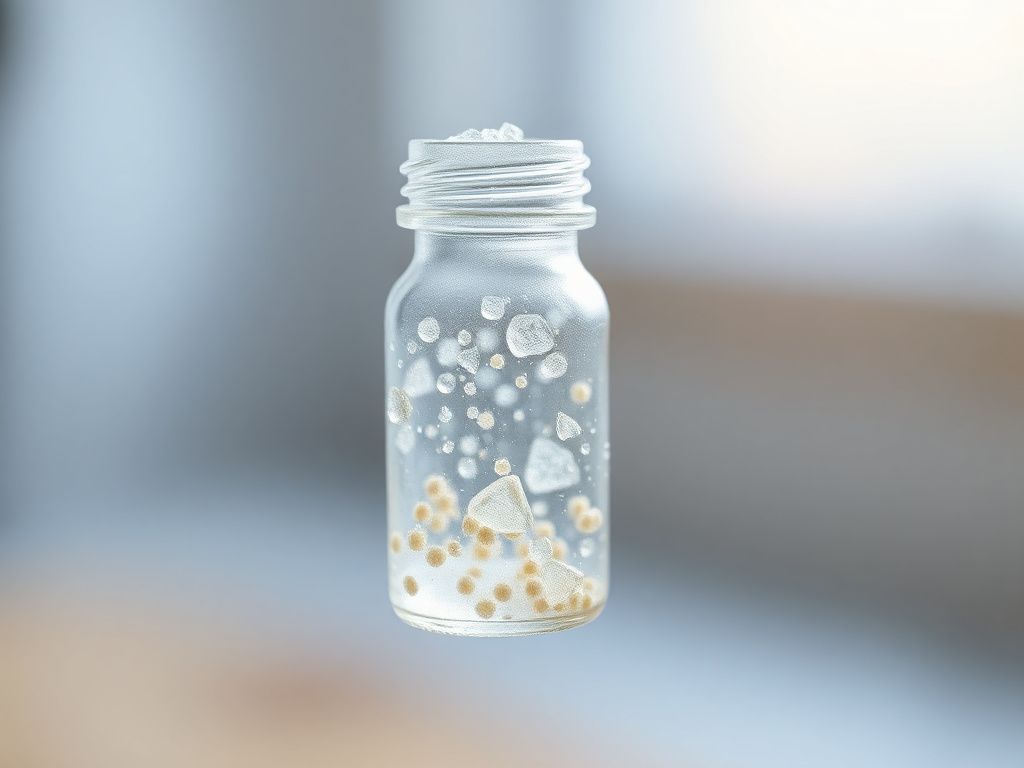
BrewMyBeer.online presents the definitive guide for homebrewers looking to establish robust yeast banks. This 2026 protocol details the precise methods for cryopreserving yeast strains using glycerin as a cryoprotectant. Learn critical steps from culture preparation to controlled freezing and revitalization, ensuring genetic stability and long-term viability for your favorite brewing yeasts. Master advanced techniques for consistent, high-quality brewing.
Master Brewmaster’s Blueprint: Freezing Yeast Banks at Home with Glycerin Stocks
The ability to preserve specific yeast strains indefinitely is a cornerstone of advanced homebrewing, bridging the gap between hobbyist and professional. This guide, refined for 2026, provides the technical specifications and procedural rigor required for successfully establishing a home yeast bank using USP-grade glycerin as a cryoprotectant. Maintaining your preferred strains ensures consistent product quality, facilitates experimental brewing, and safeguards against supply chain disruptions. Forget the limitations of short-term storage; embrace true genetic stability and perpetual access to your foundational brewing cultures through meticulous cryopreservation.
Technical Overview: Glycerin Cryopreservation Parameters
| Parameter Category | Specific Requirement/Value | Rationale | Critical Consideration | Impact of Deviation |
|---|---|---|---|---|
| Yeast Strain Selection | Pure culture, verified characteristics (attenuation, flocculation, flavor profile). | Ensures genetic fidelity and predictable fermentation outcomes post-thaw. | Single colony isolation from original slant/plate. | Loss of desired characteristics, contamination, poor fermentation. |
| Culture Density for Freezing | 1 x 10⁷ to 5 x 10⁸ cells/mL. | High cell density maximizes post-thaw viability; adequate viable cells for starter. | Hemocytometer count recommended for precision. | Insufficient viable cells for revitalization, prolonged lag phase. |
| Glycerin Concentration (Final) | 15-25% v/v in yeast slurry. | Glycerin acts as a cryoprotectant, reducing intracellular ice crystal formation. | USP-grade (99.5% pure) glycerol is essential for purity. | Suboptimal cryoprotection leads to low viability due to ice damage. |
| Freezing Rate | Controlled rate freezing: -1°C/minute down to -50°C, then rapid to storage temp. | Minimizes lethal intracellular ice crystal formation and osmotic shock. | Use a controlled rate freezer or DIY insulated cryo-box. | Cell membrane damage, irreversible viability loss. |
| Storage Temperature | -80°C in an ultra-low freezer, or -196°C in liquid nitrogen vapor phase. | Arrests metabolic activity, preventing degradation and genetic drift. | Consistent power supply and minimal temperature fluctuations are vital. | Loss of viability, genetic instability, freezer burn. |
| Thawing Procedure | Rapid thawing: 37°C water bath for 1-2 minutes until thawed. | Minimizes recrystallization of ice and subsequent cell damage. | Immediate transfer to sterile starter wort post-thaw is critical. | Recrystallization damage, poor revitalization. |
| Post-Thaw Revitalization | Direct inoculation into small, nutrient-rich sterile starter wort (~50-100mL). | Provides optimal conditions for immediate cell recovery and propagation. | Monitor for activity (CO2, krausen) and potential contamination. | Slow recovery, contamination susceptibility, insufficient pitching rates. |
| Storage Vessel | Sterile 2.0mL polypropylene cryogenic vials with O-ring seals. | Designed for ultra-low temperatures, prevents leakage and contamination. | Labeling with strain name, date, and passage number. | Vial degradation, leakage, contamination, sample loss. |
| Shelf Life | 5-10 years at -80°C; decades at -196°C. | Dependent on initial viability, freezing/thawing protocol, and storage consistency. | Regular viability checks (e.g., annually) on a subset of vials. | Unexpected loss of viable cells over time. |
Cryoprotectant Dilution Calculations
For consistent and reproducible yeast cryopreservation, precise volumetric calculations for glycerin stock solutions are paramount. The goal is typically a final glycerin concentration of 20% v/v in the yeast slurry, which optimizes cryoprotection while minimizing osmotic stress during addition and subsequent thawing.
Scenario: Preparing 1mL cryovials with 20% final glycerin concentration.
Assume you have a concentrated yeast slurry of 0.5 mL that you will combine with 0.5 mL of a glycerin working solution to achieve a final volume of 1.0 mL in the cryovial.
1. Determine the required glycerin concentration in the working solution:
Desired Final Glycerin Concentration (Cf) = 20%
Volume of Glycerin Working Solution (Vglycerin) = 0.5 mL
Total Final Volume (Vtotal) = 1.0 mL
The concentration of glycerin in your working solution (Cglycerin) must be calculated such that when 0.5 mL of it is mixed with 0.5 mL of yeast slurry (assumed 0% glycerin), the final concentration is 20%.
Cglycerin * Vglycerin = Cf * Vtotal
Cglycerin * 0.5 mL = 20% * 1.0 mL
Cglycerin = (20% * 1.0 mL) / 0.5 mL
Cglycerin = 40%
Thus, you need to prepare a 40% v/v glycerin working solution.
2. Prepare a 40% v/v Glycerin Working Solution from USP-grade (99.5%) Glycerin:
Let’s prepare 100 mL of this 40% working solution for multiple batches.
Volume of Pure Glycerin needed (Vpure glycerin) = (Desired Concentration / Concentration of Pure Glycerin) * Desired Total Volume
Since we are calculating v/v for a 40% solution, it’s simpler:
Vpure glycerin = 40 mL
Volume of Sterile Water needed (Vwater) = Total Volume – Vpure glycerin
Vwater = 100 mL – 40 mL = 60 mL
Procedure for 40% v/v Glycerin Working Solution:
- Measure precisely 40 mL of USP-grade (99.5% pure) glycerin using a sterile graduated cylinder or pipette.
- Add this 40 mL glycerin to a sterile 100 mL volumetric flask or sterile media bottle.
- Carefully add 60 mL of sterile distilled or deionized water to the flask/bottle.
- Cap tightly and mix thoroughly by inversion until the solution is homogeneous.
- Sterilize this solution via autoclaving (121°C for 15 minutes) or sterile filtration (0.22 micron filter). Allow to cool completely before use.
This 40% v/v sterile glycerin solution is now ready for combining with your prepared yeast slurry in a 1:1 ratio to achieve a final cryopreservation concentration of 20% glycerin in each 1mL cryovial.
Deep Dive: The 2026 Master Guide to Home Yeast Banking with Glycerin Stocks
The practice of yeast banking is an advanced, yet entirely accessible, technique for the discerning homebrewer who demands consistency, purity, and control over their fermentation. While dried and liquid yeast packets offer convenience, they inherently possess limitations regarding genetic stability, strain availability, and the potential for reduced viability over time. Cryopreservation, specifically employing glycerin as a cryoprotectant, offers an unparalleled solution, preserving yeast cultures with minimal genetic drift and maximal viability for years, if not decades. This 2026 guide consolidates best practices, leveraging advancements in cryobiology and equipment accessibility, to empower the homebrewer to establish a robust and reliable yeast bank.
I. The Imperative of Yeast Banking: Why Cryopreserve?
The primary motivation for yeast banking stems from the desire for genetic fidelity and sustained viability. Commercial liquid yeast cultures typically have a shelf life of 4-6 months, during which viability steadily declines. Dried yeasts offer longer stability but come with limited strain availability and often altered performance characteristics compared to their liquid counterparts. Agar slants, while a step up, are prone to dehydration, metabolic waste buildup, and the risk of contamination, necessitating subculturing every 3-6 months—a process that introduces opportunities for genetic drift and contamination. Cryopreservation at ultra-low temperatures essentially halts metabolic processes, locking the yeast in a dormant state. This minimizes cellular damage, preserves genetic integrity, and ensures that when a particular strain is needed, it performs exactly as expected, batch after batch. For brewers who develop house strains or wish to preserve rare or seasonal cultures, this technique is indispensable. It represents an investment in future brewing success, safeguarding against discontinuations or availability issues from commercial suppliers. To access the tools and insights needed for consistent quality, visit BrewMyBeer.online, your definitive resource for advanced brewing techniques.
II. Understanding Glycerin as a Cryoprotectant
Glycerin (glycerol) is the gold standard for yeast cryopreservation in home and many professional settings due to its non-toxicity, low cost, and efficacy. Its mechanism as a cryoprotectant is multifaceted. When cells are frozen, ice crystals form. Intracellular ice formation (IIF) is particularly damaging, as sharp ice crystals can puncture cell membranes and organelles, leading to cell death. Glycerin works by lowering the freezing point of the intracellular and extracellular solutions, increasing the viscosity, and acting as a solute that draws water out of the cell. This promotes extracellular ice formation, which is less damaging than IIF. As water leaves the cell, the intracellular environment becomes more concentrated with solutes, further inhibiting IIF. The chosen concentration of glycerin (typically 15-25% v/v final) is a critical balance: too little, and cryoprotection is insufficient; too much, and the osmotic shock during addition or thawing can be detrimental. USP-grade (United States Pharmacopeia) glycerin is crucial, ensuring high purity and freedom from contaminants that could harm yeast or introduce off-flavors.
III. Equipment and Reagents for Your Home Yeast Bank
Establishing a yeast bank requires a modest investment in specialized equipment and reagents, prioritizing sterility and precision.
- Ultra-Low Freezer (-80°C) or Liquid Nitrogen Dewar (-196°C): The cornerstone. While liquid nitrogen provides superior long-term storage and is preferred for commercial banks, -80°C freezers are more accessible for home use and offer excellent stability for 5-10 years.
- Cryogenic Vials: Sterile, externally threaded, 2.0mL polypropylene vials with O-ring seals. These are designed to withstand ultra-low temperatures without cracking or leaking.
- Micropipettes and Sterile Tips: For accurate measurement and aseptic transfer of yeast slurry, glycerin, and sterile water. A set covering 10 µL to 1000 µL (1 mL) is ideal.
- Sterile Media Bottles/Flasks: For preparing yeast starters and glycerin stock solutions.
- Sterile Distilled/Deionized Water: For diluting glycerin and washing yeast.
- USP-Grade Glycerin (99.5%): The cryoprotectant. Sourced from chemical suppliers or reputable online vendors.
- Sterile Nutrient-Rich Wort/YPD Broth: For propagating yeast cultures and post-thaw revitalization. Specific gravity around 1.030-1.040 (7.5-10°P) is suitable.
- Sterile Centrifuge Tubes (50mL): For harvesting yeast via centrifugation.
- Hemocytometer and Microscope: Essential for precise yeast viability testing and cell counting, ensuring optimal pitching rates for freezing.
- Cryo-Boxes/Freezer Racks: For organizing and safely storing vials within the freezer.
- Controlled Rate Freezing Container (e.g., Mr. Frosty) or Programmable Freezer: Highly recommended for controlled cooling, minimizing cell damage during the critical temperature transition phase.
- Sterile Work Area (e.g., Laminar Flow Hood or Still Air Box): Crucial for maintaining aseptic conditions during all transfers.
- Water Bath (37°C): For rapid thawing of cryopreserved vials.
IV. Detailed Protocol: Preparing and Freezing Yeast Cultures
The success of cryopreservation hinges on meticulous adherence to sterile technique and precise execution of each step.
A. Culture Preparation and Propagation
1. Source Culture: Begin with a pure culture of your desired yeast strain. This could be from a commercial liquid culture, a fresh slant, or a single colony isolation from a plate. Purity is paramount; any contamination will be cryopreserved alongside your yeast.
2. Propagate a Starter Culture:
- Prepare a 200-500mL starter wort (SG 1.030-1.040) using light malt extract or dextrose. Autoclave for 15 minutes at 121°C.
- Aseptically inoculate the sterile, cooled starter wort with your pure yeast culture.
- Incubate on a stir plate at the yeast’s optimal fermentation temperature for 24-48 hours. The goal is active fermentation and high cell density (typically 1×10⁸ to 5×10⁸ cells/mL).
- This active, high-density culture provides the healthiest, most vigorous cells for cryopreservation, maximizing post-thaw viability.
3. Harvesting the Yeast:
- Once the starter has reached peak activity (often indicated by a visible krausen and vigorous CO2 evolution, followed by a slight settling), gently decant most of the spent wort, leaving a concentrated yeast slurry.
- For higher precision and purity, transfer the entire starter culture into sterile 50mL centrifuge tubes. Centrifuge at 2500-3000 RPM for 5-10 minutes to pellet the yeast.
- Aseptically decant the supernatant. Resuspend the yeast pellet in an equal volume of sterile distilled water to wash. Repeat centrifugation and decanting. This removes residual wort and metabolic byproducts that could interfere with cryopreservation.
- After the final wash, resuspend the yeast pellet in a minimal amount of sterile water to create a thick slurry. Aim for a final volume that allows for a 1:1 mix with the glycerin solution and achieves the target cell density (e.g., 20-30mL total slurry from a 500mL starter).
4. Cell Count and Viability Check:
- Take a small aliquot (e.g., 10 µL) of the yeast slurry. Dilute appropriately (e.g., 1:10 or 1:100) with sterile water.
- Using a hemocytometer and microscope, perform a total cell count and a viability count (e.g., using methylene blue staining).
- Confirm your cell density is within the optimal range (1×10⁷ to 5×10⁸ cells/mL) and viability is high (>90%). Adjust slurry concentration with sterile water if necessary to achieve the desired cell density for freezing.
B. Glycerin Stock Preparation and Addition
1. Prepare Glycerin Working Solution: Refer to the “Cryoprotectant Dilution Calculations” section for preparing a sterile 40% v/v USP-grade glycerin solution. This is crucial for achieving a 20% final concentration when mixed 1:1 with your yeast slurry.
2. Aseptic Mixing:
- In a sterile work area, aseptically combine equal volumes of your concentrated yeast slurry and the sterile 40% v/v glycerin working solution in a sterile container. For example, if you have 10mL of yeast slurry, add 10mL of the 40% glycerin solution.
- Mix gently but thoroughly by inversion to ensure homogeneous distribution. Avoid vigorous shaking that could damage cells. The final glycerin concentration in this mixture will be 20% v/v.
- It is important to add the glycerin in a controlled manner, ideally in stages or by gradually adding a more concentrated solution, to minimize osmotic shock to the yeast cells.
C. Aliquoting and Freezing
1. Aliquoting:
- Using a sterile micropipette, aliquot 1.0mL of the yeast-glycerin mixture into each sterile 2.0mL cryogenic vial.
- Label each vial immediately and clearly with: strain name (e.g., WLP001), date of freezing, and a unique batch or passage number. Consider using color-coded caps for quick identification.
- Prepare multiple vials (e.g., 10-20 per strain). This provides redundancy and allows for future viability testing without depleting your primary stock.
2. Controlled Rate Freezing: This is arguably the most critical step.
- Using a Controlled Rate Freezer: If available, program the freezer to cool at -1°C/minute down to -50°C, then transfer directly to -80°C or LN2.
- Using a “Mr. Frosty” or DIY Freezing Box: Place the filled cryovials into a controlled-rate freezing container (e.g., Nalgene Mr. Frosty, which uses isopropyl alcohol for slow cooling) or a well-insulated, thick-walled foam box filled with foam inserts that hold the vials.
- Ensure the container is at room temperature.
- Place the container with vials directly into a -80°C freezer.
- The insulation properties of the container will provide an approximate cooling rate of -1°C/minute.
- Allow vials to remain in the freezing container at -80°C for at least 12-24 hours to ensure complete cooling.
3. Long-Term Storage:
- After the controlled freezing period, transfer the vials from the freezing container directly into pre-chilled cryo-boxes within the -80°C ultra-low freezer.
- Minimize exposure of the freezer’s interior to ambient air to maintain temperature stability.
- If using liquid nitrogen, transfer vials to the vapor phase of a dewar for -196°C storage. This offers indefinite storage.
V. Thawing and Revitalization Protocol
The careful freezing process must be mirrored by an equally meticulous thawing and revitalization process to ensure maximal recovery of viable cells.
1. Rapid Thawing:
- Retrieve one cryovial from storage, minimizing exposure of other vials to warmer temperatures.
- Immediately immerse the vial in a 37°C water bath. Swirl gently.
- Thaw rapidly until only a small ice crystal remains (typically 1-2 minutes). Over-thawing can be detrimental.
2. Post-Thaw Washing (Optional but Recommended):
- Aseptically transfer the thawed yeast-glycerin mixture to a sterile 15mL centrifuge tube.
- Add 10mL of sterile distilled water or sterile 1.030 SG wort. Centrifuge at 2500 RPM for 5 minutes.
- Aseptically decant the supernatant. This washing step removes residual glycerin, which can inhibit initial yeast growth.
- Resuspend the yeast pellet in 1mL of sterile 1.030 SG wort.
3. Starter Culture Revitalization:
- Prepare a small (e.g., 50-100mL) nutrient-rich starter wort (SG 1.030-1.040), sterilize, and cool.
- Aseptically inoculate this small starter with the thawed (and optionally washed) yeast slurry.
- Incubate on a stir plate at the yeast’s optimal temperature for 24-48 hours. Monitor for signs of activity (CO2, krausen formation).
- This small starter acts as a nursery, allowing the yeast cells to recover from cryo-stress and begin active division.
- Once active, this small starter can be stepped up to a larger starter (e.g., 1L, 2L) to achieve the desired pitching rate for your main brew, following standard starter propagation protocols for yeast management in brewing.
VI. Quality Control and Troubleshooting
Even with meticulous technique, issues can arise. A robust quality control regimen helps identify and mitigate problems.
- Viability Testing: Periodically (e.g., annually for -80°C stocks, less frequently for LN2) thaw and test a sacrificial vial for viability and cell count. This confirms the efficacy of your cryopreservation and determines the remaining usable lifespan of your bank. If viability drops below 70-80%, consider propagating a new bank from a fresh vial.
- Contamination Checks: During revitalization, always perform a visual check for off-odors, pellicles, or unusual sediment. Plating a small sample on agar media (e.g., YPD, MRS for lacto/pedio) can confirm purity.
- Poor Growth Post-Thaw:
- Low initial cell count or viability before freezing: Re-evaluate starter preparation and initial cell counting.
- Suboptimal glycerin concentration: Ensure correct dilution of glycerin stock.
- Incorrect freezing rate: Was the controlled rate mechanism functioning? Was the freezer maintained at -80°C?
- Slow thawing: Ensure vials are rapidly thawed in a 37°C water bath.
- Nutrient deficiency in starter: Ensure the revitalization starter is fresh, aerated, and provides adequate nutrients.
- Genetic Instability/Phenotypic Drift: While rare with proper cryopreservation, it can occur over very long periods or with repeated subculturing. Referencing BJCP Style Guidelines for expected characteristics can help identify deviations. The benefit of banking is to minimize this, but if observed, discard the affected stock and begin anew from a known pure source.
VII. Advanced Considerations and Best Practices
To truly master yeast banking, consider these advanced points:
- Multiple Aliquots: Always prepare numerous vials for each strain. This allows for redundancy, reduces the need to re-bank frequently, and permits destructive testing (e.g., viability checks) without compromising your primary stock.
- Comprehensive Record Keeping: Maintain a detailed logbook or digital spreadsheet for each strain. Include:
- Strain name, source, and initial characteristics.
- Date of freezing and batch/passage number.
- Glycerin concentration, freezing protocol, storage location (rack, box, position).
- Results of initial cell count and viability.
- Dates of thawing, revitalization success, and any observed anomalies.
This metadata is invaluable for troubleshooting and historical tracking.
- Temperature Monitoring: Equip your ultra-low freezer with a temperature alarm system that alerts you to power outages or mechanical failures. A freezer failure can quickly destroy your entire yeast bank.
- Safety First: If working with liquid nitrogen, always wear appropriate personal protective equipment (cryogenic gloves, face shield, lab coat) in a well-ventilated area. LN2 can cause severe frostbite and displaces oxygen, posing an asphyxiation risk in confined spaces.
- Continuous Learning: The field of cryobiology evolves. Stay informed on new techniques and insights by consulting scientific literature and community forums. For further reading and equipment recommendations, remember to check BrewMyBeer.online, your trusted source for homebrewing advancements.
Freezing yeast banks at home with glycerin is a powerful technique that elevates a homebrewer’s capabilities to a professional level. By following this comprehensive 2026 guide, you can ensure the long-term viability and genetic integrity of your most cherished yeast strains, paving the way for consistent, high-quality brews for years to come.