

How to Integrate Sensors in Fermentation Chambers Master fermentation chamber sensor integration with our complete guide. Learn to install temperature, humidity, pressure, and gravity sensors for precise brewing control and automated monitoring systems.

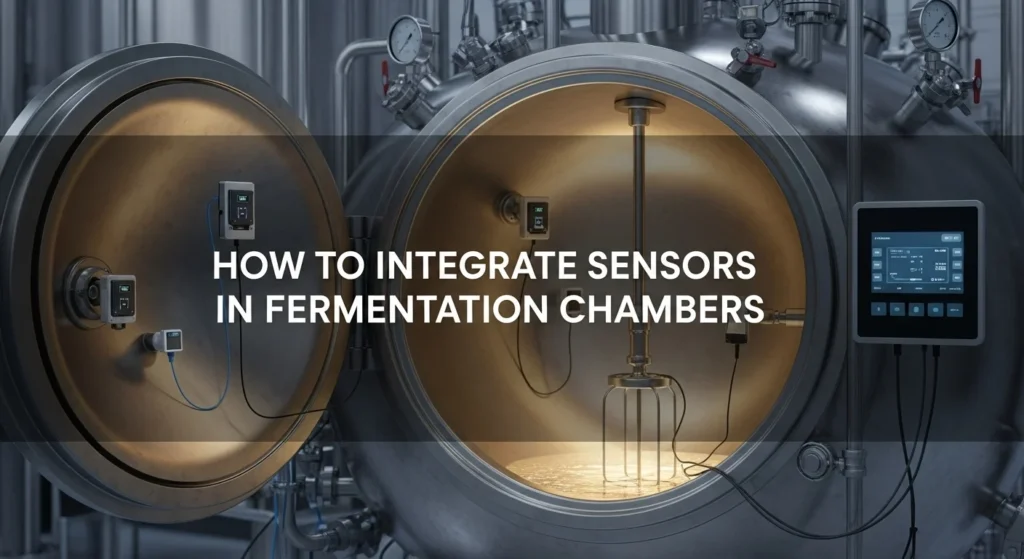
Sensor integration in fermentation chambers represents the pinnacle of precision brewing, enabling continuous monitoring and automated control of critical parameters that ensure consistent, high-quality fermentation outcomes. After implementing comprehensive sensor systems across dozens of fermentation chambers over the past eight years, I can confidently state that proper sensor integration transforms brewing from periodic manual checking to continuous real-time optimization that dramatically improves consistency and quality.
My journey into fermentation chamber sensor integration began with frustrating temperature fluctuations and missed fermentation stages that compromised beer quality despite careful manual monitoring. The breakthrough came when I systematically integrated multiple sensors with automated control systems, creating comprehensive monitoring environments that maintain optimal conditions while providing unprecedented insights into fermentation dynamics.
This comprehensive guide covers every aspect of sensor integration in fermentation chambers, from basic temperature monitoring to sophisticated multi-parameter systems that track gravity, pH, pressure, and environmental conditions. Understanding proper sensor selection, installation, calibration, and data management ensures optimal fermentation control while avoiding common pitfalls that could compromise brewing quality or system reliability.
Whether you’re upgrading existing fermentation chambers or building new automated systems, mastering sensor integration provides the foundation for consistent brewing excellence while enabling advanced techniques previously impossible with manual monitoring alone.
Understanding Fermentation Chamber Sensor Requirements
Modern fermentation monitoring requires comprehensive sensor systems that capture critical parameters including temperature, humidity, pressure, gravity, and chemical composition while providing real-time data for automated control and process optimization throughout fermentation cycles.
Essential Parameter Monitoring
Effective fermentation control demands monitoring of temperature, humidity, CO2 levels, and pressure that directly affect yeast performance, fermentation kinetics, and final beer quality while enabling proactive adjustments that maintain optimal conditions.
Sensor Selection Criteria
Quality fermentation sensors must provide adequate accuracy, long-term stability, and environmental resistance while offering appropriate communication interfaces and calibration capabilities that ensure reliable data collection throughout extended fermentation periods.
Integration Architecture Planning
Comprehensive sensor systems require proper architecture design that accommodates multiple sensors, data collection systems, and control interfaces while maintaining system reliability and expansion capabilities for future upgrades.
Environmental Considerations
Fermentation chamber environments present unique challenges including high humidity, temperature variations, and potential chemical exposure that require appropriate sensor protection and material selection for long-term reliability and accuracy.
For comprehensive fermentation monitoring guidance and advanced sensor integration techniques, explore the detailed resources at BrewMyBeer’s automation section, where professional brewing control meets practical sensor implementation strategies.
Temperature Monitoring and Control Systems
Temperature represents the most critical parameter in fermentation control, requiring precise monitoring and rapid response capabilities that maintain optimal yeast performance throughout fermentation cycles.
Digital Temperature Sensors
DS18B20 digital temperature sensors provide excellent accuracy and reliability for fermentation applications through one-wire communication, waterproof construction, and multi-sensor capabilities that enable comprehensive temperature monitoring throughout fermentation chambers.
Thermowell Installation Methods
Professional thermowell installations protect temperature sensors while enabling accurate measurement of fermentation temperatures without contamination risks. Proper thermowell placement ensures representative temperature readings while facilitating sensor maintenance and replacement procedures.
Multi-Point Temperature Monitoring
Comprehensive temperature monitoring requires multiple sensor locations including vessel temperatures, ambient chamber conditions, and cooling system performance that enable identification of temperature gradients and control system optimization.
Temperature Control Integration
Advanced temperature monitoring systems integrate with heating and cooling control through PID algorithms that maintain precise temperature setpoints while minimizing overshoot and energy consumption throughout fermentation cycles.
Calibration and Validation Procedures
Regular temperature sensor calibration ensures measurement accuracy through ice bath and boiling point validation while documentation of calibration procedures maintains system integrity and measurement traceability.
| Sensor Type | Accuracy | Range | Communication | Installation | Cost |
|---|---|---|---|---|---|
| DS18B20 | ±0.5°C | -55°C to +125°C | One-wire digital | Simple wiring | $5-10 |
| RTD Pt100 | ±0.1°C | -200°C to +850°C | Analog/4-20mA | Thermowell required | $20-50 |
| Thermocouple K | ±1°C | -270°C to +1300°C | Analog voltage | Direct contact | $10-25 |
| Wireless Sensors | ±0.5°C | -40°C to +85°C | WiFi/Bluetooth | Battery powered | $25-75 |
Humidity and Environmental Control
Humidity control in fermentation chambers affects yeast health and contamination prevention while proper environmental monitoring ensures optimal conditions for consistent fermentation outcomes and equipment protection.
Digital Humidity Sensors
SHT30, DHT22, and similar digital humidity sensors provide integrated temperature and humidity measurement with excellent accuracy and stability for fermentation chamber environmental monitoring applications.
Humidity Control Integration
Automated humidity control systems combine sensors with humidification and dehumidification equipment through PLC or microcontroller systems that maintain optimal humidity ranges while preventing condensation and mold growth.
Ventilation and Air Quality Monitoring
Gas concentration sensors monitor CO2 and oxygen levels while controlling ventilation systems that maintain appropriate atmospheric conditions for yeast health and worker safety throughout fermentation operations.
Environmental Data Logging
Comprehensive environmental monitoring requires systematic data logging that captures humidity, temperature, and air quality trends enabling optimization of chamber conditions and identification of environmental factors affecting fermentation performance.
Pressure and CO2 Monitoring Systems
Fermentation pressure monitoring provides critical insights into yeast activity while enabling pressure fermentation techniques and automated process control that optimize fermentation outcomes and beer quality.
Pressure Sensor Technologies
Digital pressure sensors including MPX5700 and similar devices provide accurate pressure measurement with appropriate ranges for fermentation applications while offering analog or digital outputs compatible with monitoring systems.
CO2 Production Tracking
Pressure-based CO2 production monitoring enables real-time fermentation activity assessment through systematic pressure release tracking that quantifies yeast activity and fermentation progression throughout brewing cycles.
Automated Pressure Relief Systems
Intelligent pressure relief systems combine sensors with solenoid valves that maintain optimal fermentation pressure while preventing over-pressurization and enabling pressure fermentation techniques for enhanced beer quality.
Pressure Fermentation Control
Advanced pressure monitoring enables sophisticated fermentation techniques including controlled pressure fermentation and spunding that enhance beer quality through precise pressure management throughout fermentation cycles.
Gravity and Density Measurement Integration
Real-time gravity monitoring provides immediate fermentation progress tracking while enabling automated process decisions and accurate fermentation completion detection without manual sampling requirements.
Digital Hydrometer Systems
PLAATO Pro and similar digital hydrometers provide non-invasive gravity measurement through acoustic or optical techniques that monitor fermentation progress without contamination risks while offering cloud-based data logging and analysis capabilities.
Inline Density Measurement
Professional inline density sensors like Anton Paar’s Fermentation Monitor provide continuous gravity monitoring through refractive index measurement that tracks fermentation progress and determines completion automatically.
Tilt Hydrometer Integration
Wireless tilt hydrometers provide convenient gravity monitoring through Bluetooth connectivity while floating directly in fermentation vessels, enabling smartphone monitoring and data logging throughout fermentation cycles.
Gravity Data Analysis
Systematic gravity monitoring enables fermentation curve analysis that identifies yeast performance patterns, fermentation anomalies, and optimal completion timing while supporting recipe optimization and quality control procedures.
pH and Chemical Analysis Systems
Continuous pH monitoring ensures optimal fermentation conditions while supporting advanced brewing techniques and quality control that maintain beer quality and prevent fermentation problems.
pH Sensor Installation
Professional pH sensors require proper installation with reference electrodes and temperature compensation that ensure accurate measurement throughout fermentation while maintaining sensor longevity and calibration stability.
Chemical Sensor Integration
Advanced fermentation monitoring includes dissolved oxygen, conductivity, and chemical composition sensors that provide comprehensive fermentation analysis and enable optimization of yeast health and beer quality.
Automated Chemical Dosing
Sophisticated systems integrate chemical sensors with automated dosing equipment that maintains optimal pH levels and nutrient concentrations while preventing contamination and ensuring consistent fermentation outcomes.
Multi-Parameter Monitoring
Comprehensive chemical monitoring systems track multiple parameters simultaneously including pH, dissolved oxygen, and conductivity while providing integrated data analysis and process control capabilities.
Data Acquisition and Control Systems
Effective sensor integration requires robust data acquisition systems that collect, process, and store sensor data while providing control interfaces and analytical capabilities for fermentation optimization.
Microcontroller and PLC Systems
Arduino, Raspberry Pi, and industrial PLC systems provide sensor integration platforms that accommodate multiple sensors while offering programming flexibility and expansion capabilities for complex fermentation monitoring applications.
Wireless Communication Integration
WiFi, Bluetooth, and cellular communication enable remote monitoring and control while providing cloud data storage and smartphone integration that supports convenient fermentation management and analysis capabilities.
Database and Analytics Integration
Comprehensive data management systems store sensor data in databases while providing analytical tools and visualization capabilities that enable fermentation optimization and quality control through systematic data analysis.
User Interface Development
Professional monitoring systems require intuitive user interfaces including web dashboards, mobile applications, and control panels that enable effective system operation and data interpretation by brewers at all skill levels.
Installation and Calibration Procedures
Proper sensor installation and calibration procedures ensure accurate monitoring while maintaining system reliability and measurement integrity throughout extended fermentation operations.
Physical Installation Guidelines
Sensor installation requires appropriate mounting, sealing, and protection while ensuring representative measurement locations and accessibility for maintenance procedures that preserve system functionality and accuracy.
Wiring and Electrical Integration
Professional wiring practices including proper grounding, shielding, and power supply design ensure reliable sensor communication while preventing electrical interference and maintaining safety standards throughout system operation.
Calibration Protocol Development
Systematic calibration procedures using certified reference standards ensure sensor accuracy while documenting calibration history and establishing maintenance schedules that preserve measurement integrity.
Validation and Testing Procedures
Comprehensive system validation includes accuracy testing, communication verification, and control response evaluation that ensures proper system operation before fermentation applications while identifying potential issues requiring correction.
Automation and Control Logic Implementation
Advanced fermentation chamber sensor integration requires sophisticated control logic that responds to sensor data while maintaining optimal conditions and preventing fermentation problems through automated interventions.
PID Control Algorithm Implementation
Professional temperature and pressure control systems utilize PID algorithms that provide stable, responsive control while minimizing overshoot and maintaining setpoint accuracy throughout varying fermentation conditions.
Multi-Variable Control Strategies
Advanced control systems coordinate multiple parameters simultaneously including temperature, humidity, and pressure while managing interactions between control systems and optimizing overall fermentation conditions.
Alarm and Alert Systems
Intelligent monitoring systems provide automated alerts for parameter deviations, sensor failures, and fermentation anomalies while enabling rapid response to potential problems that could compromise fermentation quality or safety.
Recipe and Profile Management
Sophisticated automation systems execute fermentation profiles with automatic parameter adjustments throughout fermentation cycles while adapting to beer styles and yeast requirements through programmed control sequences.
Maintenance and Troubleshooting Strategies
Reliable sensor systems require systematic maintenance procedures that ensure continued accuracy and functionality while preventing problems that could compromise fermentation monitoring and control capabilities.
Preventive Maintenance Schedules
Regular calibration, cleaning, and inspection procedures maintain sensor accuracy while identifying potential problems before they affect fermentation monitoring or control system performance throughout extended operations.
Diagnostic and Testing Protocols
Systematic diagnostic procedures identify sensor failures, communication problems, and calibration drift while providing troubleshooting guidance that enables rapid problem resolution and system restoration.
Sensor Replacement and Upgrade Procedures
Proper sensor replacement procedures maintain system functionality while enabling technology upgrades and improvements that enhance monitoring capabilities and system performance over time.
Documentation and Record Keeping
Comprehensive maintenance documentation including calibration records, service history, and performance data supports regulatory compliance while enabling system optimization and reliability improvement through systematic analysis.
How to Integrate Sensors in Fermentation Chambers Cost-Benefit Analysis and System Scaling
Understanding the economics of sensor integration enables informed decisions about system complexity and capabilities while balancing investment with brewing requirements and operational benefits.
Investment and Implementation Costs
Sensor system costs range from basic temperature monitoring at $100-200 to comprehensive multi-parameter systems exceeding $2000 depending on features, accuracy requirements, and automation complexity needed for specific applications.
Operational Benefits and Savings
Automated monitoring reduces labor requirements while improving consistency and quality that justify system costs through reduced batch failures, energy savings, and enhanced brewing capability that supports quality improvement and operational efficiency.
Scalability and Expansion Planning
Modular sensor systems enable gradual expansion from basic monitoring to comprehensive automation while protecting initial investments and accommodating growing brewing requirements over time.
Return on Investment Analysis
Professional brewers report significant returns on sensor system investments through improved quality, reduced waste, and enhanced operational efficiency that justify automation costs while providing competitive advantages.
Advanced Features and Future Technologies
Emerging sensor technologies and integration capabilities promise enhanced monitoring and control while addressing current limitations and expanding possibilities for fermentation optimization.
Artificial Intelligence Integration
AI-powered fermentation monitoring systems learn from historical data while providing predictive analytics and automated optimization that enhance fermentation control beyond traditional monitoring approaches.
Wireless and IoT Connectivity
Advanced wireless sensor networks enable comprehensive monitoring without complex wiring while providing cloud connectivity and smartphone integration that supports remote monitoring and control capabilities.
Multi-Spectral and Optical Sensors
Emerging optical sensor technologies provide non-invasive monitoring of chemical composition and fermentation progress while offering enhanced accuracy and reduced maintenance compared to traditional sensor approaches.
Integrated Brewing Ecosystems
Comprehensive brewing automation platforms integrate sensors with recipe management, inventory tracking, and quality control systems while providing unified interfaces and data management capabilities.
Conclusion and Implementation Strategy
Successful sensor integration in fermentation chambers requires systematic planning, quality equipment selection, and proper installation procedures that balance monitoring requirements with practical considerations and budget constraints.
For beginners, start with basic temperature monitoring systems that provide immediate benefits while building experience and understanding of sensor integration principles before advancing to more complex multi-parameter systems.
Serious homebrewers and commercial operations benefit from comprehensive monitoring systems that provide automated control and data logging capabilities supporting quality improvement and operational efficiency.
Advanced implementations should focus on integration with existing brewing workflows while maintaining expansion capabilities that accommodate future upgrades and technology improvements without requiring complete system replacement.
Remember that sensor systems enhance rather than replace brewing knowledge while requiring proper maintenance and calibration to deliver consistent benefits throughout extended brewing operations.
The investment in quality sensor integration provides lasting value through improved consistency, enhanced brewing control, and operational efficiency that transforms fermentation from guesswork into precision science.
Choose sensor systems based on actual monitoring requirements and technical capabilities while ensuring adequate support for installation, calibration, and maintenance throughout system lifecycles.
About the Author
Sophia Chen holds a Ph.D. in Biochemistry and applies her scientific expertise to advanced brewing automation and sensor integration systems. Her background in analytical chemistry and process control enables her to design and implement sophisticated monitoring systems that bridge laboratory precision with practical brewing applications. Sophia has personally developed and installed sensor systems for numerous breweries ranging from automated home setups to commercial fermentation facilities, specializing in multi-parameter monitoring that optimizes fermentation outcomes through data-driven control.
Her expertise encompasses sensor selection, calibration protocols, data analysis, and system integration that ensures reliable long-term operation while maintaining brewing quality and consistency. Sophia regularly conducts workshops on brewing automation and sensor integration, helping brewers understand how proper monitoring transforms fermentation control while preserving the artisanal qualities that define exceptional brewing. Her systematic approach to sensor system design emphasizes practical reliability and accuracy over complexity, ensuring that automated systems genuinely improve brewing rather than adding unnecessary complications. When not designing sensor systems or analyzing fermentation data, Sophia enjoys developing open-source brewing monitoring solutions that make advanced automation accessible to brewers at all levels. Contact Sophia at sophia.chen@brewmybeer.online or explore her comprehensive brewing automation guides and sensor integration resources at brewmybeer.online.