


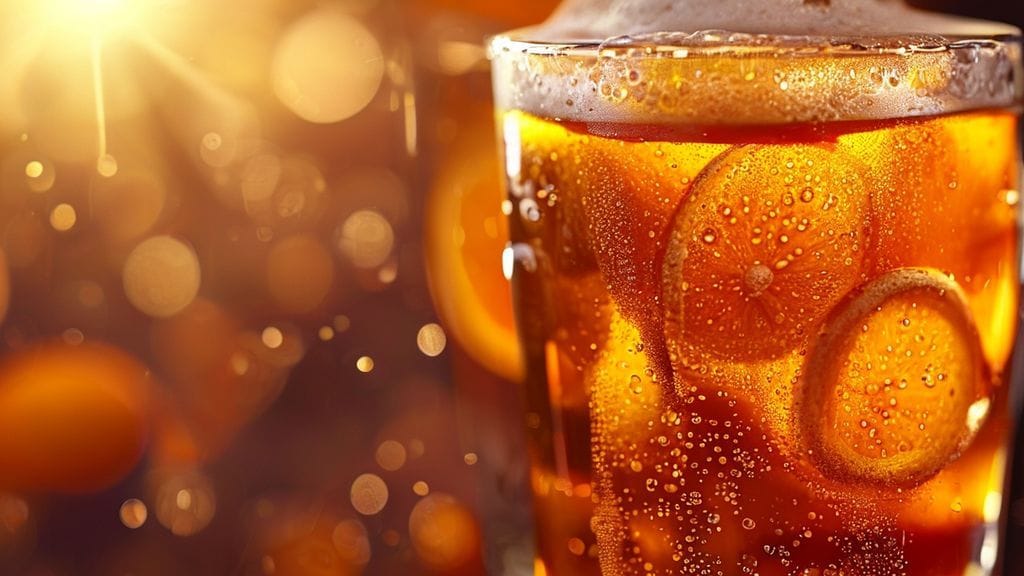
Differentiating sweet from bitter orange peel is crucial for crafting nuanced beers. Sweet peel (e.g., Valencia) offers bright, floral, citrusy notes, best for subtle aromatics. Bitter peel (e.g., Curaçao, Seville) provides complex, marmalade-like, spicier, and often more resinous character, ideal for bolder styles. My experience dictates precise dosage and timing, typically 0.5-2.0 g/L for a 5-minute boil or cold-steeping, to avoid cloying sweetness or harsh astringency.
| Metric | Sweet Orange Peel | Bitter Orange Peel |
|---|---|---|
| Botanical Source (Common) | Citrus sinensis (e.g., Valencia, Navel) | Citrus aurantium (e.g., Curaçao, Seville) |
| Primary Flavor Profile | Bright, floral, juicy citrus, slight sweetness | Complex, herbal, marmalade-like, spicier, resinous, persistent bitterness |
| Aromatic Compounds (Key) | Mainly d-Limonene (70-90%), Linalool, Myrcene | Limonene, Pinene, Sabinene, Myrcene, Bitter Glucosides (Neohesperidin, Naringin) |
| Typical Usage Rate (Dry) | 0.5 – 2.0 g/L (1.9 – 7.6 oz/bbl) | 0.3 – 1.5 g/L (1.1 – 5.7 oz/bbl) |
| Addition Timing (Boil) | Last 5-15 minutes of boil, whirlpool, or secondary | Last 5-10 minutes of boil, whirlpool, or secondary |
| Optimal pH Range for Extraction | 3.8 – 4.5 | 3.8 – 4.5 |
| Common Beer Styles | Belgian Witbier, Saison, Light Lagers, Fruit Beers | Belgian Witbier, Grand Cru, Spiced Ales, Holiday Beers, Barrel-Aged Stouts |
The Zest of Distinction: Mastering Orange Peel in Your Brews
When I first ventured into brewing spiced beers, I admit, I simply thought “orange peel is orange peel.” Oh, how wrong I was! My early Witbiers were either bland or shockingly astringent, and I couldn’t quite put my finger on why. It wasn’t until I started meticulously tracking my ingredients, their botanical origins, and their exact addition points that I truly understood the profound difference between sweet and bitter orange peel. This revelation wasn’t just an “aha!” moment; it was a fundamental shift in how I approached brewing with botanicals, transforming my spiced beers from guesswork into precision. I’ve since brewed hundreds of batches, experimenting with every imaginable citrus variety, and I can tell you, the devil is truly in the details when it comes to harnessing the power of the peel.
My philosophy is simple: raw data and repeatable processes lead to exceptional beer. There’s no room for vague descriptions when you’re aiming for that perfect balance of aroma, flavor, and mouthfeel. I’m going to share my accumulated knowledge, my formulas, and my hard-won experience to help you navigate the nuanced world of orange peel additions, ensuring your next spiced brew hits every target.
The Math Behind the Zest: Dosage and Extraction
Precision in brewing isn’t just about mash temperatures and gravity readings; it extends to every ingredient, especially potent botanicals like orange peel. My approach to dosage and extraction is rooted in understanding the compounds at play and how they interact with the beer matrix. The goal is maximum flavor and aroma without introducing unwanted bitterness or vegetal notes.
Manual Calculation Guide for Orange Peel Dosage
- Target Flavor Intensity (TFI): This is subjective but crucial. I classify it on a scale of 1-5 (1=subtle background, 5=dominant character).
- Beer Volume (BV): Your final fermenter volume in liters.
- Peel Type Factor (PTF): Based on my extensive trials:
- Sweet Orange Peel (dried): 1.0 (baseline)
- Bitter Orange Peel (dried): 0.8 (more potent, use less)
- Fresh Peel (either type): Multiply dried peel rate by 4.0-5.0 (fresh peel contains 75-80% water).
- Extraction Efficiency (EE): This varies with method and timing.
- Boil (5-10 min): 0.85
- Whirlpool (15-20 min, < 80°C): 0.95
- Cold Steep/Secondary (3-7 days): 1.0 (most efficient for aroma, minimal bitterness)
Formula for Dried Peel Weight (grams):
Desired Weight (g) = (TFI Factor * BV * Baseline Rate) / (PTF * EE)
Where Baseline Rate is 1.0 g/L for a moderate, noticeable contribution.
Let’s use an example for a 20-liter batch:
- Target: Moderate sweet orange flavor (TFI Factor = 1.0)
- Beer Volume (BV): 20 L
- Peel Type: Dried Sweet Orange Peel (PTF = 1.0)
- Addition Method: Whirlpool (EE = 0.95)
Desired Weight (g) = (1.0 * 20 L * 1.0 g/L) / (1.0 * 0.95) = 20 / 0.95 ≈ 21.05 grams
So, I’d typically add around **21 grams** of dried sweet orange peel for this scenario. If I were using fresh sweet orange peel, I would multiply this by 4.0-5.0, aiming for around **84-105 grams** of fresh zest.
Volatile Compound Consideration: Limonene & Beyond
The primary aromatic compound in both sweet and bitter orange peel is d-Limonene, comprising up to 95% of the essential oil fraction. However, the supporting cast of compounds dictates the nuanced differences. Bitter orange peel contains higher concentrations of other terpenes like myrcene and pinene, contributing to its more complex, sometimes piney or herbal character, alongside bitter glucosides (neohesperidin, naringin) that are mostly insoluble in wort but can contribute subtle bitterness if pith is included. Sweet orange peel, while still rich in limonene, typically has a higher proportion of linalool, which lends a more floral and less resinous profile. My experience shows that while limonene provides the fundamental “orange” note, it’s these secondary compounds that define the character of your peel addition.
Step-by-Step Execution: Integrating Orange Peel into Your Brew
The success of an orange peel addition hinges on preparation, timing, and monitoring. I’ve refined my process over two decades to maximize desired flavors and minimize undesirable ones.
- Sourcing and Preparation:
- Dried Peel: I always opt for food-grade, unadulterated dried peel from a reputable brewing supplier. Ensure it’s not old or oxidized, which can lead to stale, cardboard-like notes.
- Fresh Peel: If using fresh, select organic, unwaxed oranges. The crucial step is to zest only the outermost colored layer (flavedo) and avoid the white pith (albedo) at all costs. The pith is where most of the harsh, persistent bitterness and astringency resides due to its higher concentration of polymethoxyflavones and non-volatile bitter compounds. A microplane is my preferred tool for this. For a 20-liter batch, I usually zest 2-3 medium oranges for sweet, or 1-2 for bitter, keeping in mind the fresh-to-dried weight conversion.
- Addition Timing & Method:
- Boil Kettle (5-15 Minutes): This is my standard for infusing aroma and some flavor. Adding sweet peel for **5-10 minutes** often yields a bright, forward citrus note. Bitter peel, due to its potency, usually needs only **5 minutes** to impart its complex character without overwhelming the beer. Longer boil times can drive off delicate aromatics and extract more bitter compounds, particularly if any pith is present. I target a wort temperature of **98-100°C** for boil additions.
- Whirlpool (15-20 Minutes): For a more intense aromatic expression and less bitterness, I’ll add peel during the whirlpool stage, targeting a temperature of **75-80°C**. This gentler extraction retains more volatile compounds. This method is particularly effective for sweet orange peel where you want a bright, fresh zest character.
- Secondary/Cold Steeping: This is my go-to for maximum aromatic preservation and minimal bitterness, especially when I’m aiming for a very specific, delicate orange essence. I’ll often make a tincture by soaking the dried peel in a small amount of neutral spirit (e.g., vodka) for a week or two, then add the filtered tincture to the fermenter post-fermentation. Alternatively, I’ll add the dried peel directly to the fermenter after primary fermentation is complete, typically for **3-7 days**. The lower temperature (e.g., **18-20°C**) and absence of boiling prevent the loss of fragile aromatics. I monitor the flavor daily, tasting small samples. The moment it reaches the desired intensity, I rack the beer off the peel to prevent over-extraction, which can turn pleasant citrus into unpleasant vegetal notes. For this method, I usually aim for the beer to be at its final gravity, or very close, typically below **1.010 SG**.
- Post-Fermentation (Tincture Method):
This is my secret weapon for ultimate control. I take the calculated amount of dried peel and soak it in just enough 40% ABV neutral spirit to cover it for 7-14 days. I use a ratio of approximately **10g dried peel per 50mL spirit**. Shake it daily. After steeping, I filter the liquid through a coffee filter to remove solids. This pure orange extract can then be added drop by drop to a small sample of your finished beer until the desired flavor profile is achieved. Then, scale up the tincture addition for your full batch. This method allows for precise, iterative adjustments and eliminates any risk of microbial contamination or oxygen ingress during secondary additions.
Remember, the goal is balance. The orange character should complement, not overpower, the base beer. My benchmark for a balanced Belgian Witbier, for example, is when the orange peel harmonizes with the coriander, creating a bright, refreshing finish.
What Can Go Wrong: Troubleshooting Orange Peel Additions
Even with my experience, I’ve seen things go awry. Here’s how I troubleshoot common issues when brewing with orange peel:
- Too Much Bitterness/Astringency:
- Cause: Most commonly, pith was included with the zest, or the peel was steeped/boiled for too long. Bitter orange peel is also inherently more potent.
- My Fix: For fresh peel, diligent zesting is paramount. For dried peel, ensure it’s pure zest. If the bitterness is already in the beer, blending with an unspiced batch can help dilute it. Carbonation can sometimes mask a slight bitterness, but it won’t remove it. Time can also mellow some flavors in bottle/keg conditioning.
- Too Subtle an Orange Flavor:
- Cause: Under-dosing, short contact time, or old/oxidized peel. Boil additions can also drive off delicate aromatics.
- My Fix: For future batches, increase the dosage and/or use a cold-steeping or whirlpool addition for better aromatic retention. If the beer is already fermented, a post-fermentation tincture addition is the most effective way to boost flavor without further fermenting or risking off-flavors.
- Vegetal or Grassy Notes:
- Cause: Over-extraction, particularly when fresh peel is left in contact with the beer for too long in secondary.
- My Fix: This is harder to correct. Prevention is key: closely monitor flavor during cold steeping and rack off promptly. Ensure fresh peel is free of debris. In the worst cases, blending is the only viable option.
- Lack of Brightness/Stale Orange Character:
- Cause: Using old, poorly stored dried peel, or excessive oxidation of the beer after peel addition.
- My Fix: Always source fresh dried peel. Store it in an airtight container away from light and heat. Practice good oxygen management throughout your brewing process. For a finished beer lacking brightness, a tiny amount of fresh zest or a very light dry hop with a citrusy hop (e.g., Citra, Amarillo) can sometimes revive it, but this is a Band-Aid, not a cure.
Learning from these mistakes has been critical to my growth as a brewer. Each misstep taught me more about the delicate balance required for successful spice additions. And if you’re ever in doubt, remember that a vast resource of knowledge is just a click away at BrewMyBeer.online.
Sensory Analysis: Decoding the Orange Peel Experience
My extensive tasting notes for beers featuring orange peel reveal distinct characteristics for each type:
Appearance
Orange peel itself has minimal direct impact on beer clarity or color. If finely zested fresh peel is added to secondary, it might contribute to a very slight haze, but this is usually negligible. The primary visual effect is indirect, through the style it complements. A Witbier, for instance, will remain hazy, while a lighter Lager might show excellent clarity.
Aroma
- Sweet Orange Peel: I consistently pick up bright, juicy, fresh-squeezed orange notes, often with delicate floral undertones reminiscent of orange blossom. There’s a clean, uplifting citrus zest character, devoid of any harshness. In a Belgian Witbier, this melds beautifully with the phenolic yeast esters and coriander, creating a harmonious, aromatic bouquet.
- Bitter Orange Peel: The aroma here is far more complex. I detect notes of marmalade, a subtle spice, sometimes even a hint of pine or herbaceousness. There’s an underlying sophisticated bitterness that presents as aromatic rather than solely palate-driven. It’s less ‘fruit juice’ and more ‘botanical elixir.’ In a Belgian Grand Cru, it adds layers of intriguing complexity that evolve as the beer warms.
Mouthfeel
Both types of orange peel contribute a subtle “zip” or zestiness that can enhance the perception of dryness and crispness. This is particularly noticeable in lighter-bodied beers. Neither type significantly alters the fundamental body of the beer, but they can make the finish feel cleaner and more refreshing. If pith is accidentally included, I’ve observed a slight, unwelcome astringency that can linger on the palate.
Flavor
- Sweet Orange Peel: The flavor mirrors the aroma: bright, sweet orange flesh, sometimes with a gentle tang. It’s a clean citrus burst that fades gracefully, leaving a pleasant, fruity impression. In a pale ale, it can amplify hop citrus notes; in a Belgian Witbier, it provides the signature fruitiness. The flavor is generally “up-front” and refreshing.
- Bitter Orange Peel: This is where the true distinction lies. The flavor is profoundly more intricate. I taste notes of concentrated orange oil, often with a hint of earthy spice, a touch of clove or cinnamon-like character, and a lingering, sophisticated bitterness that complements malt sweetness without clashing. It’s less about a burst of fruit and more about a sustained, evolving flavor experience. It adds depth to dark beers and complexity to strong Belgian ales, providing a counterpoint to residual sugars.
Frequently Asked Questions
Can I use whole oranges or their juice instead of just the peel?
I strongly advise against using whole oranges or their juice as a primary flavor source. The juice contains fermentable sugars that will alter your beer’s gravity and potentially introduce unwanted tartness or a thin body if fermented out completely. Furthermore, the white pith of the whole orange will inevitably contribute harsh, undesirable bitterness. My experience shows that the purest, most controlled orange flavor comes directly from the zest, carefully separated from the pith, or through high-quality dried peel.
What’s the best way to prepare fresh orange peel for brewing?
The best way to prepare fresh orange peel is to use a microplane or a very sharp vegetable peeler to remove only the outermost colored layer (the flavedo). Work carefully to avoid any of the white pith (albedo) beneath it, as this contains bitter compounds that can negatively impact your beer. Once zested, the peel can be added directly to the boil or whirlpool, or for a more delicate aroma, used in a cold-steeping application or tincture.
How long should I leave orange peel in contact with my beer?
Contact time is critical and depends on the desired intensity and the peel type. For boil additions, **5-15 minutes** is my typical range, with bitter peel usually on the shorter end. For cold steeping or secondary additions, I recommend **3-7 days**. However, this is not a set rule. I always recommend tasting daily after day 3. Once the desired flavor and aroma are achieved, rack the beer off the peel immediately to prevent over-extraction, which can lead to vegetal or tea-like off-flavors.
Can I use essential orange oils instead of dried or fresh peel?
While possible, I approach essential oils with extreme caution. Essential oils are highly concentrated and can easily overpower a beer, leading to an artificial, ‘perfumey’ character. If you choose to experiment, ensure you use food-grade, cold-pressed oils, and add them very sparingly, perhaps a single drop at a time, to a small sample of finished beer. I’ve found that the complexity and balance of flavors derived from actual peel are generally superior to the monochromatic profile of isolated essential oils, offering a more natural and integrated flavor. Always test, test, test!