

When selecting hops for distinctive fruit notes, the choice between Lotus and Calypso hinges on your desired aromatic profile. Lotus excels with bright orange, vanilla, and berry characteristics, derived from its unique myrcene-geraniol balance. Calypso offers a crisp pear, apple, and tropical lime blend, attributed to its higher farnesene and myrcene content. My experience shows careful application accentuates these nuanced profiles.
| Metric | Lotus Hops | Calypso Hops | Combined Profile (for a Hazy IPA) |
|---|---|---|---|
| Alpha Acids | 10.0% – 14.0% (Avg. 12.5%) | 13.0% – 16.0% (Avg. 14.5%) | Whirlpool: ~35 IBU / Dry Hop: 0 IBU |
| Beta Acids | 3.0% – 5.0% (Avg. 4.0%) | 5.0% – 7.0% (Avg. 6.0%) | Relevant for aroma stability |
| Total Oils (mL/100g) | 1.5 – 2.5 (Avg. 2.0) | 1.6 – 2.5 (Avg. 2.2) | High, excellent for aroma |
| Key Aroma Descriptors | Orange, Vanilla, Berry, Tropical Fruit | Pear, Apple, Lime, Tropical Fruit | Orange, Pear, Vanilla, Tropical Medley |
| OG (Target for showcase beer) | N/A | N/A | 1.062 |
| FG (Target for showcase beer) | N/A | N/A | 1.012 |
| ABV (Target for showcase beer) | N/A | N/A | 6.56% |
| SRM (Target for showcase beer) | N/A | N/A | 4-6 (Hazy Pale) |
| Whirlpool Temp (Target) | N/A | N/A | 80-85°C for 20 mins |
| Fermentation Temp (Target) | N/A | N/A | 19°C |
The Brewer’s Hook: Unlocking Orchard and Citrus in the Kettle
There was a time, early in my homebrewing journey, when a hop was just a hop. My focus was purely on bitterness units, a simple game of alpha acids. I missed out on the true artistry: understanding how specific hop varietals contribute nuanced aroma and flavor profiles. My first encounter with a hop described as “pear-like” left me skeptical. Pear? From a hop? That’s when I decided to deep-dive, not just into the numbers, but into the volatile compounds that make each hop unique. This led me to a fascination with Lotus and Calypso, two hops that, while both offering tropical fruit, diverge beautifully into distinct orange and pear notes that can elevate a hazy IPA from good to utterly captivating. I’ve brewed countless batches, experimenting with every variable to truly understand their individual voices.
The Math: Decoding Aroma Compounds and Hop Utilization
To truly understand how Lotus and Calypso deliver their signature orange and pear notes, we need to look beyond alpha acids and dive into their essential oil profiles. These oils are where the magic happens, but they’re also incredibly volatile and temperature-sensitive. My goal is to maximize the extraction of these oils without introducing harsh bitterness or stripping away delicate aromas.
Essential Oil Composition and Aroma Attribution
Each hop has a unique fingerprint of essential oils. Here’s a breakdown relevant to our target notes:
| Compound | Aroma Contribution | Lotus Relevance | Calypso Relevance |
|---|---|---|---|
| Myrcene | Pungent, tropical, resinous | ~50-60% of total oil (contributes tropical base for orange) | ~55-70% of total oil (contributes tropical base for pear) |
| Geraniol | Rose, floral, citrus, orange | ~3-5% of total oil (Key for Lotus’s orange character) | Trace amounts |
| Farnesene | Green, woody, floral, sometimes fruit-like | Trace amounts | ~5-10% of total oil (Contributes to the apple/pear nuance) |
| Linalool | Floral, citrus, slightly spicy | ~0.3-0.5% (Supports citrus notes) | ~0.2-0.4% (Supports overall fruitiness) |
Hop Stand / Whirlpool Calculation for Aroma Preservation
For maximizing aroma and minimizing bitterness, I focus heavily on the hop stand (whirlpool). My goal is to extract volatile oils without significant alpha acid isomerization.
General Guideline for Aroma Retention:
- Temperature: Keep the wort between **75°C – 85°C**. Above 85°C, you risk significant isomerization; below 75°C, you might not extract enough oils. My sweet spot is **80°C**.
- Duration: **20-30 minutes**. Anything longer risks converting more alpha acids than desired.
- Hop Rate: For impactful aroma, I aim for a combined rate of **3-5 grams per liter** at the whirlpool stage for a typical hazy IPA.
For a 20-liter batch, targeting 4 g/L: (4 g/L) * (20 L) = 80 g total hops.
My blend: 50g Lotus + 30g Calypso, or 40g Lotus + 40g Calypso depending on desired emphasis. For this experiment, let’s go 50/50: **50g Lotus, 50g Calypso** for 20L.
Dry Hop Rate for Maximum Impact
Dry hopping is where the most volatile compounds are introduced. My rule of thumb for punchy aroma is a minimum of **8-12 grams per liter** total dry hops, split into two additions.
For a 20-liter batch, targeting 10 g/L: (10 g/L) * (20 L) = 200 g total dry hops.
- First Dry Hop (active fermentation): I aim for 60-70% of total dry hop. For my 20L batch, that’s 120-140g. I split this evenly: **60-70g Lotus and 60-70g Calypso.** I prefer to add this at the peak of fermentation (typically Day 3-4) to leverage biotransformation.
- Second Dry Hop (post-fermentation / crash): The remaining 30-40%. For 20L, that’s 60-80g. Again, evenly split: **30-40g Lotus and 30-40g Calypso.** This addition provides a fresh burst of aroma just before packaging.
By understanding these calculations and the role of each oil, I can precisely dial in the desired orange and pear notes, rather than just throwing hops into the kettle and hoping for the best.
Step-by-Step Execution: Crafting the Orange & Pear Hazy IPA
This is my refined process for a 20-liter batch, specifically designed to showcase the unique contributions of Lotus and Calypso hops. I’ve honed these steps over dozens of brews to consistently hit those vibrant fruit notes.
1. The Mash: Building a Foundation
- Grain Bill: I use a simple base to let the hops shine. My typical bill is:
- 60% Pale Malt (e.g., Maris Otter or similar high-quality base malt)
- 25% Flaked Oats (for body and haze)
- 10% Wheat Malt (for head retention and haze)
- 5% Carapils/Dextrin Malt (for mouthfeel)
- Mash Temperature & Time: I mash in at **68°C** (154°F) for **60 minutes**. This temperature favors alpha-amylase activity, producing a good balance of fermentable sugars and unfermentable dextrins, which is critical for the body of a hazy IPA.
- Mash Out: Raise temperature to **76°C** (169°F) for **10 minutes** to halt enzyme activity and prepare for lautering.
2. The Boil: Gentle Bitterness and Whirlpool Prep
- Boil Length: I conduct a **60-minute boil**. My goal here isn’t bitterness from boil hops; it’s sanitation and driving off DMS precursors. I typically use no bittering hops for this style, relying entirely on the whirlpool for IBU and flavor.
- Whirlpool Addition (Flame Out / Cooling): This is the first critical hop addition. As soon as the heat is off, I cool the wort rapidly to **80°C** (176°F). This temperature is crucial: it’s hot enough to extract significant hop oils without excessive alpha acid isomerization, preventing harsh bitterness.
- Add **50g Lotus Hops**
- Add **50g Calypso Hops**
- Whirlpool Duration: Let the hops steep for **20 minutes** while gently recirculating. This allows for optimal extraction of volatile compounds like geraniol (from Lotus) and farnesene (from Calypso).
- Chill: Rapidly chill the wort to my target fermentation temperature of **19°C** (66°F).
3. Fermentation: The Yeast’s Contribution
- Yeast Pitching: I pitch a healthy, high-viability liquid yeast strain known for producing fruity esters, such as a London Ale III (Wyeast 1318) or a similar hazy-friendly strain. My pitching rate is typically **0.75 million cells/mL/°P**.
- Fermentation Temperature: Maintain a consistent fermentation temperature of **19°C** (66°F). This temperature allows the yeast to produce complementary esters that meld beautifully with the hop character, enhancing the pear and orange notes rather than overpowering them.
- First Dry Hop (Active Fermentation): On **Day 3** of fermentation, when activity is still vigorous and specific gravity is typically around 1.025-1.030, I add:
- **75g Lotus Hops**
- **75g Calypso Hops**
This timing is essential for biotransformation, where yeast enzymes convert hop compounds into new, desirable aroma molecules, intensifying fruit characteristics.
- Second Dry Hop (Post-Fermentation): Once fermentation is complete and gravity has stabilized (typically around Day 7-9, specific gravity **1.012**), and after a diacetyl rest if needed, I add the second dry hop charge:
- **25g Lotus Hops**
- **25g Calypso Hops**
This provides a fresh hit of aroma that might have been scrubbed by CO2 during primary fermentation. I usually let this steep for **2-3 days** before cold crashing.
- Cold Crash: Drop the temperature to **2°C** (36°F) for **48 hours**. This clarifies the beer slightly and helps hops settle.
4. Packaging: Preserving Freshness
- Transfer: I transfer the beer carefully to a purged keg or bottles, minimizing oxygen exposure at every step. This is non-negotiable for hazy IPAs, as oxidation will quickly dull those vibrant hop aromas. I use closed transfer methods when kegging.
- Carbonation: Carbonate to **2.5 volumes of CO2**.
By meticulously following these steps, I consistently produce a beer that vividly showcases the distinct orange and pear profiles of Lotus and Calypso. For more detailed brewing techniques and equipment recommendations, be sure to check out BrewMyBeer.online.
Troubleshooting: What Can Go Wrong and How I Fix It
Even with years of experience, brewing is a journey of continuous learning. Here are common issues I’ve encountered when aiming for specific hop profiles and my proven solutions.
1. My Hops Lack Punch / Aroma is Fading
- The Problem: The expected vibrant orange or pear notes are muted, or they disappear quickly after packaging.
- My Experience & Solution: This usually points to oxidation during transfer or insufficient dry hopping.
- Oxygen Exposure: I learned the hard way that hazy IPAs are incredibly susceptible to oxygen. Now, I use a closed transfer system for kegging, purging kegs with CO2 multiple times before filling, and ensuring all fittings are airtight. For bottling, I flush bottles with CO2 before filling and aim for minimal head space.
- Insufficient Dry Hop Rate: Initially, I was too conservative. For maximum aroma, especially in a hazy IPA, dry hop rates need to be significant. My current guideline of 8-12 g/L total dry hops, split into two additions, has been transformative.
- Hop Storage: Hops degrade over time. I always store my hops in a freezer, vacuum-sealed. Fresh hops make a huge difference.
2. The Beer is Too Bitter or Has a Vegetal Flavor
- The Problem: Instead of smooth fruit, I get a harsh, grassy, or vegetal bitterness.
- My Experience & Solution: This often stems from either too much alpha acid isomerization or prolonged contact with dry hops.
- Whirlpool Temperature & Time: Early on, I sometimes let my whirlpool temperature drift too high or held it too long. Sticking strictly to **80-85°C** for no more than **20-30 minutes** prevents excessive IBU extraction.
- Dry Hop Contact Time: Leaving dry hops in the beer for too long (e.g., more than 5 days) can lead to vegetal flavors. My two-day dry hop for the second addition, followed by a cold crash, minimizes this.
- Over-Dry Hopping: While I advocate for high dry hop rates, there’s a point of diminishing returns where it can become “hop burn” or vegetal. My 10 g/L target is a sweet spot for most hops.
3. My Haze Drops Out / Beer is Too Clear
- The Problem: I brewed a hazy IPA, but it’s clearing up like a West Coast IPA.
- My Experience & Solution: Haze is complex, but some factors I’ve found critical:
- Grain Bill: My increased use of flaked oats (25%) and wheat malt (10%) is intentional. These non-malted grains contribute proteins that aid in stable haze.
- Water Chemistry: I use a chloride-to-sulfate ratio of at least 2:1 (e.g., 150 ppm Chloride, 75 ppm Sulfate) for hazies. This not only enhances mouthfeel but also contributes to haze stability.
- Yeast Strain: Some yeast strains flocculate too quickly. Using a low-flocculating strain like London Ale III (Wyeast 1318) is key.
- Oxygen Exposure: Again, oxygen is the enemy. It doesn’t just dull aroma; it can cause haze to drop out.
Sensory Analysis: The Distinct Profiles
After all the meticulous planning and execution, this is where the reward lies: experiencing the beer’s full sensory spectrum. When Lotus and Calypso are treated with respect, their individual personalities truly shine.
Appearance
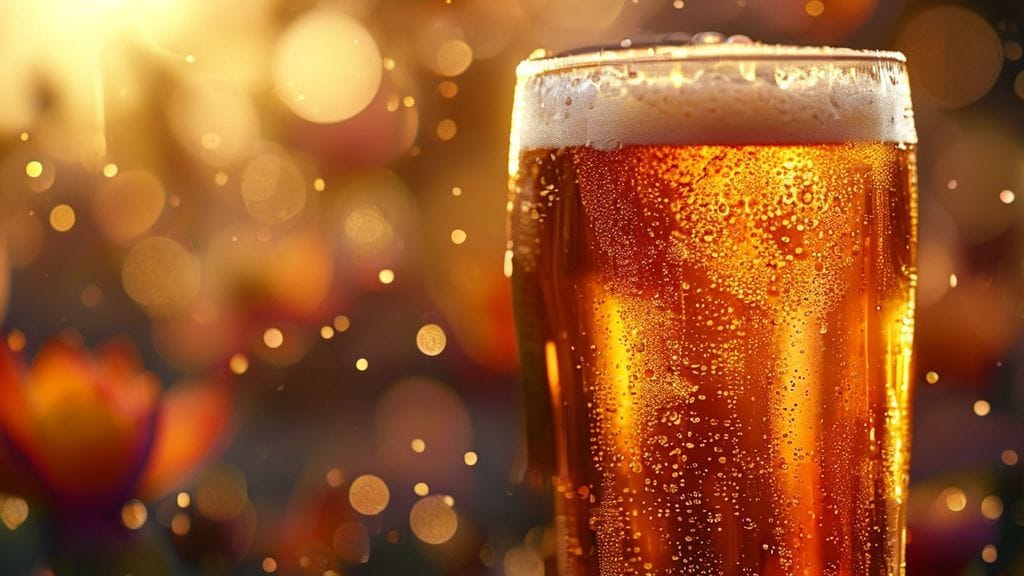
My target for a beer showcasing these hops is a vibrant, opaque, hazy straw to light gold color (SRM 4-6). It should present with a dense, persistent white head that laces the glass beautifully. The haze should be stable, not murky or clumpy, but rather a soft, inviting cloudiness that speaks to the rich protein and hop polyphenol content.
Aroma
- Overall Impression: The first whiff should be an immediate blast of intense fruit. I often pick up a medley of bright citrus, reminiscent of freshly peeled oranges, interwoven with a distinct ripe orchard fruit character.
- Lotus Contribution (Orange): The orange from Lotus isn’t a sharp, pithy citrus. It’s more akin to sweet orange zest and mandarin, often accompanied by a creamy, almost vanilla-like undertone. I find it adds a roundness and brightness to the nose.
- Calypso Contribution (Pear): The pear note from Calypso is unmistakable for me. It’s a ripe, slightly sweet pear, sometimes bordering on green apple or even a hint of lime. It brings a crisp, refreshing, and slightly floral quality that contrasts beautifully with Lotus’s creamier orange.
- Supporting Notes: Beyond the primary orange and pear, I detect underlying tropical fruit notes (pineapple, guava) from the high myrcene content in both hops, along with a subtle berry or stone fruit character. There should be no vegetal, grassy, or onion/garlic aromas if handled correctly.
Mouthfeel
The mouthfeel is critical for a hazy IPA. I aim for a full, soft, and pillowy texture. The high protein content from oats and wheat, combined with the lack of harsh bitterness, contributes to this luxurious feel. It should be creamy without being cloying, and the carbonation (2.5 volumes CO2) should lift the flavors without being prickly. There should be a pleasant dryness on the finish, inviting another sip, but without any astringency.
Flavor
- Overall Impression: The flavor mirrors the aroma, delivering a juicy, fruit-forward experience that evolves on the palate. The absence of traditional bittering hops ensures a smooth, non-aggressive profile.
- Lotus Contribution (Orange): On the palate, Lotus’s orange translates to a sweet, juicy citrus, often paired with a delicate vanilla or berry characteristic. It provides a foundational sweetness and fruit intensity.
- Calypso Contribution (Pear): Calypso’s pear flavor is incredibly clean and defined, a refreshing counterpoint to the orange. It adds a layer of crispness, sometimes with a tart apple skin or subtle lime zest finish.
- Bitterness: Bitterness should be restrained, typically in the 35-45 IBU range, and perceived as soft and rounded, quickly dissipating to allow the fruit flavors to linger.
- Finish: The beer should finish relatively dry, with the fruit flavors slowly fading, leaving a lingering impression of mixed tropical and orchard fruit.
Frequently Asked Questions
What is the ideal fermentation temperature to maximize fruit notes from these hops?
My experience dictates maintaining a consistent fermentation temperature of **19°C (66°F)**. This temperature encourages yeast strains, like London Ale III, to produce complementary fruity esters that enhance the hop-derived orange and pear notes without overshadowing them. Higher temperatures can lead to fusel alcohols or off-flavors, while lower temperatures might suppress ester formation and slow biotransformation.
Can I use Calypso or Lotus as bittering hops?
While both hops have relatively high alpha acid content (Lotus 10-14%, Calypso 13-16%), I strongly advise against using them as primary bittering hops for this style. Their true value lies in their volatile aroma compounds. Boiling them for extended periods (e.g., 60 minutes) would convert these delicate oils into less desirable, often harsher, bittering components and strip away their signature orange and pear characteristics. Reserve them for late boil, whirlpool, and dry hop additions.
How does water chemistry influence the orange and pear notes?
Water chemistry plays a significant role. For hazy IPAs featuring these hops, I always target a higher chloride-to-sulfate ratio, typically **2:1 or even 3:1 (e.g., 150 ppm Chloride, 50-75 ppm Sulfate)**. Chloride enhances the perception of sweetness and fullness, which supports the juicy orange and ripe pear flavors. Sulfate, while necessary in moderation for hop perception, can accentuate bitterness and make the fruit notes seem sharper rather than soft and rounded. Proper pH control (mash pH 5.2-5.4) is also vital for optimal extraction and enzyme activity, directly impacting the finished beer’s canvas for these hop aromas. For detailed water chemistry profiles, I often refer to resources found on BrewMyBeer.online.