

A Black IPA, also known as a Cascadian Dark Ale, is a captivating and complex beer style that melds the aggressive hop character, aroma, and bitterness of an American IPA with the dark, roasted malt profile of a porter or stout. The true mastery lies in achieving a harmonious balance where the roast notes support the hop expression without introducing acridity, culminating in a deceptively drinkable, dark, and hop-forward brew with a medium-high bitterness and clean finish.
| Metric | Target Range / Value |
|---|---|
| Original Gravity (OG) | 1.060 – 1.075 |
| Final Gravity (FG) | 1.010 – 1.018 |
| Alcohol By Volume (ABV) | 6.0% – 7.5% |
| Bitterness (IBU) | 60 – 90 |
| Color (SRM) | 25 – 40 |
| Mash Temperature | 65.5°C (150°F) for 60 min |
| Fermentation Temperature | 18-20°C (64-68°F) |
| Yeast Type | American Ale (clean fermenting) |
The Brewer’s Hook: Embracing the Dark Side of IPA
When I first ventured into brewing a Black IPA, I’ll admit, I made a classic mistake: I treated it like a regular IPA with some dark malt tossed in. The result? A muddy, acrid mess where the roast character fought the hops for dominance, and neither won. It was a learning experience that taught me the nuanced dance required to create this paradoxically dark, yet bright, beer. Achieving that beautiful, clean hop aroma alongside a smooth, dark malt backdrop requires precision, a careful malt selection, and a judicious hand with late-addition hops. This isn’t just an IPA that happens to be black; it’s a carefully engineered synthesis, a style that truly tests a brewer’s ability to balance powerful flavors. My personal journey has been about perfecting that balance, and I’ve found that patience and an understanding of malt interaction with hop polyphenols are key.
The “Math” Section: Deconstructing the Black IPA Grain Bill and Bitterness
Brewing a Black IPA is a delicate balancing act, and it starts with the grist. My goal is always to achieve maximum color with minimal roast astringency, allowing the hops to shine through. Here’s a typical 20-liter (5.28-gallon) recipe profile I use, along with the calculations behind it.
Manual Calculation Guide: Grain Bill for 20L Black IPA (Target OG 1.068)
| Grain Type | Percentage (%) | Weight (kg) | Color (SRM/Lovibond) |
|---|---|---|---|
| Pale Malt (2-row) | 80% | 4.50 kg | 2 SRM |
| Crystal Malt (60L) | 8% | 0.45 kg | 60 SRM |
| Carafa Special III | 7% | 0.40 kg | 525 SRM |
| Munich Malt | 5% | 0.28 kg | 9 SRM |
| Total | 100% | 5.63 kg |
Calculating Original Gravity (OG):
To estimate OG, I rely on the concept of Points Per Pound Per Gallon (PPG). For a typical Pale Malt, I use 37 PPG. For specialty malts, I adjust based on extract efficiency. Assuming an overall brewhouse efficiency of 75% for my system, the calculation is:
OG = 1 + ( (Grain Weight (kg) * PPG * Efficiency) / Fermenter Volume (L) ) / 238
Or, more simply for a multi-grain bill, convert all weights to lbs and volume to gallons, then sum (Weight * PPG) for each, then multiply by efficiency and divide by target volume.
For our 5.63 kg (approx. 12.4 lbs) grain bill at 75% efficiency in 5.28 gallons (20 L):
- Pale Malt (10 lbs * 37 PPG) = 370 points
- Crystal Malt (0.99 lbs * 34 PPG) = 33.66 points
- Carafa Special III (0.88 lbs * 30 PPG) = 26.4 points
- Munich Malt (0.62 lbs * 35 PPG) = 21.7 points
- Total Points = 451.76
Adjusted for 75% efficiency: 451.76 * 0.75 = 338.82 points
Divided by 5.28 gallons: 338.82 / 5.28 = 64.17 points
Thus, my estimated OG for this batch is 1.064, well within the target range!
Calculating Bitterness (IBU):
IBU calculation is complex, involving hop alpha acids, boil time, boil volume, and wort gravity. I use the Tinseth formula for its relative accuracy in homebrewing. Here’s a typical hop schedule for a 20L batch targeting 70 IBU:
| Hop Type | Weight (g) | Alpha Acid (%) | Boil Time (min) | Approximate IBU Contribution |
|---|---|---|---|---|
| Magnum | 20g | 14.0% | 60 | ~40 IBU |
| Centennial | 30g | 10.0% | 15 | ~20 IBU |
| Chinook | 30g | 13.0% | 5 (Whirlpool) | ~10 IBU |
| Total Estimated IBU | ~70 IBU |
The key to a good Black IPA is also massive dry hopping. I typically add 100-150g of aromatic hops (Citra, Simcoe, Mosaic) during active fermentation (Day 3-4) and another 50-75g post-fermentation for maximum aroma and minimal vegetal character. This significantly boosts the perceived hop character without adding much bitterness.
Step-by-Step Execution: Brewing Your Black IPA
- Water Treatment: Begin with clean water. I often aim for a sulfate-to-chloride ratio of about 2:1 (e.g., 150 ppm SO4, 75 ppm Cl) to accentuate hop bitterness and dryness. Adjust pH to 5.2-5.4 at mash temperature.
- Milling the Grains: Mill your grains ensuring a consistent crush. For the Carafa Special III, I often add it during the last 10 minutes of the mash, or even cold steep it separately and add the liquid at the end of the boil, to minimize astringency. For this recipe, I’m mashing it with the rest.
- Mashing: Mash in at a liquor-to-grist ratio of about 3:1 (liters per kg or quarts per lb). Target a mash temperature of 65.5°C (150°F) for 60 minutes. This temperature favors alpha-amylase activity, producing a moderately fermentable wort, leading to a balanced body and a dry, crisp finish that supports the hop character.
- Mash Out: Raise the mash temperature to 76°C (170°F) for 10 minutes to stop enzymatic activity and reduce wort viscosity for better lauter efficiency.
- Lautering & Sparging: Recirculate until the wort runs clear. Sparge slowly, maintaining the grain bed, to collect your target pre-boil volume. Monitor pH during sparge; if it rises above 6.0, stop sparging to prevent tannin extraction.
- Boil & Hop Additions: Bring the wort to a rolling boil.
- At 60 minutes: Add 20g Magnum (14% AA) for bittering.
- At 15 minutes: Add 30g Centennial (10% AA) for flavor.
- At 5 minutes: Add 30g Chinook (13% AA) for aroma.
- At Flameout (Whirlpool): After turning off the heat, stir vigorously to create a whirlpool. Let the wort stand for 20 minutes, then add another 50g of mixed aroma hops (e.g., Citra, Simcoe, Mosaic). This extracts maximum volatile hop oils without excessive bitterness.
- Chilling: Rapidly chill the wort to 18°C (64°F) using an immersion or plate chiller. Speed is crucial to minimize DMS formation and “cold break.”
- Aeration & Pitching Yeast: Once chilled, transfer the wort to a sanitized fermenter. Aerate thoroughly (e.g., pure O2 for 60 seconds or vigorous shaking for 5 minutes) to ensure a healthy fermentation. Pitch a clean fermenting American Ale yeast (e.g., California Ale V or Chico strain) at a rate of 0.75 million cells/ml/°P. Maintain fermentation temperature at 18-20°C (64-68°F).
- Dry Hopping:
- First Dry Hop: On day 3-4 of fermentation, once gravity has dropped by 30-50% (e.g., from 1.068 to 1.040-1.045), add 100g of aroma hops directly to the fermenter. The active fermentation will scrub out oxygen and help bind hop compounds.
- Second Dry Hop: After primary fermentation is complete and gravity is stable (e.g., 1.012 for 3 consecutive days), add another 50g of aroma hops. Let this sit for 2-3 days.
- Cold Crash & Fining: After dry hopping, cold crash your beer to 0-4°C (32-39°F) for 48-72 hours. This helps to drop out yeast and hop matter, improving clarity. If desired, add fining agents like gelatin for extra clarity.
- Packaging: Transfer the beer to a keg or bottles. If kegging, carbonate to 2.2-2.5 volumes of CO2. If bottling, prime with 5-6g of priming sugar per liter and allow to condition for 2-3 weeks at room temperature.
For more detailed step-by-step guides and ingredient sourcing, visit BrewMyBeer.online.
Troubleshooting: What Can Go Wrong with Your Black IPA
- Harsh, Astringent Roast Character: This is the most common pitfall. It’s usually due to over-sparging dark malts, or using too much highly roasted malt (like Black Patent) rather than debittered varieties (like Carafa Special). Ensure you don’t sparge below 1.010 SG and consider cold steeping your darkest malts.
- Muddled Hop Aroma/Flavor: If your hops aren’t popping, you might not be dry hopping enough or using sufficiently fresh hops. Water chemistry also plays a role; high chloride can mute hop bitterness. Ensure your fermentation temperature is controlled to prevent off-flavors that overshadow hop character.
- Too Sweet/Heavy Body: This often indicates a mash temperature that was too high, leading to a less fermentable wort. Or, the yeast may have been underpitched or unhealthy. Ensure a vigorous fermentation with adequate yeast nutrients and proper aeration.
- Not Truly Black, More Brownish: Your SRM might be too low. Double-check your dark malt selection and quantities. Carafa Special II or III are excellent for deep color without the harsh roast.
- Diacetyl (Buttery Flavor): This is usually a sign of an incomplete diacetyl rest or insufficient yeast health. Ensure your yeast is properly pitched and has enough time at a slightly elevated temperature (e.g., 20°C/68°F) at the end of fermentation to clean up diacetyl.
- Vegetal/Grassy Dry Hop Notes: This can happen from over-dry hopping for too long or using aged hops. Stick to 2-4 days for post-fermentation dry hopping.
Sensory Analysis: Decoding the Black IPA Experience
A perfectly brewed Black IPA is a symphony of contrasting elements, where each note plays its part without overpowering the ensemble. My favorite examples always nail this.
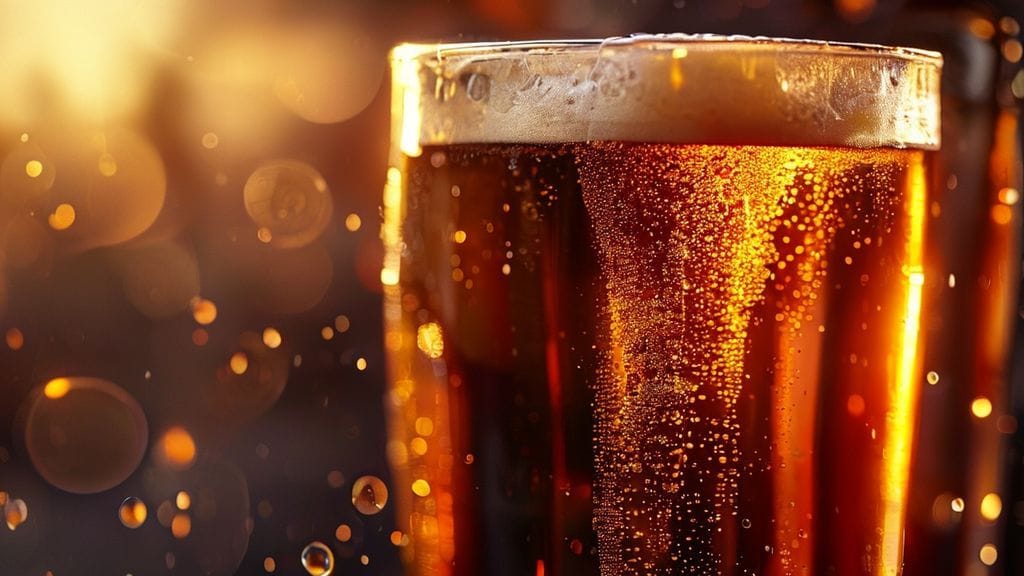
- Appearance: Expect a truly opaque, jet-black color, often with deep ruby or mahogany highlights when held to light, especially at the edges. It should be crowned with a persistent, tan to light-brown head, dense and creamy, that laces beautifully down the glass. A haze is generally undesirable; clarity is preferred.
- Aroma: The initial impression should be a vibrant blast of hop character – typically piney, resiny, citrusy (grapefruit, orange zest), and tropical fruit notes (mango, passion fruit) from the American hops. Beneath this, a subtle, supporting layer of dark malt character emerges: gentle roast, dark chocolate, a hint of coffee, or even cocoa. There should be no acrid or burnt notes, nor any significant dark fruit esters that would suggest a stout. The yeast character should be clean, allowing the hops and malts to shine.
- Mouthfeel: It should possess a medium to medium-full body, offering a smooth, almost velvety texture that belies its darker appearance. Carbonation should be moderate, providing a slight prickle that lifts the flavors. Despite the dark malts, it should finish relatively dry, preventing any cloying sweetness, with a pleasant hop bitterness lingering on the palate. No excessive astringency or harshness from the roast.
- Flavor: The flavor mirrors the aroma, starting with a bold, aggressive hop bitterness and flavor. Expect resinous pine, bright citrus, and perhaps some stone fruit or tropical notes. This is swiftly followed by, or beautifully interwoven with, the restrained dark malt character: dark chocolate, unsweetened cocoa, a touch of roasted coffee, and sometimes a hint of dark bread. The balance is key; neither the roast nor the hops should dominate entirely. The bitterness should be firm and enduring, yet clean, without any harsh edges. The finish should be dry, inviting another sip.
What distinguishes a “Cascadian Dark Ale” from a “Black IPA”?
While often used interchangeably, “Cascadian Dark Ale” is a regional name coined to describe this style, typically emphasizing the use of hops from the Pacific Northwest region and the pioneering spirit of brewers there. “Black IPA” is a more globally understood descriptive term focusing on the color and hop character. Flavor-wise, they are essentially the same: a dark, hop-forward, bitter beer with restrained roast.
How do I achieve the signature black color without harsh roast flavors?
The secret lies in the choice and timing of your dark malts. I exclusively use debittered black malts like Carafa Special II or III. These malts have had their husk removed or reduced, dramatically cutting down on astringency. I also sometimes cold steep them separately and add the resulting liquid to the boil kettle during the last 15 minutes, or even directly to the fermenter, to extract color without extracting harsh flavors. Limiting their percentage in the grist to 5-8% is also crucial.
What yeast strain is best for a Black IPA?
I consistently use clean-fermenting American Ale yeast strains. My go-to choices are typically Wyeast 1056 (American Ale) or White Labs WLP001 (California Ale Yeast). These strains produce minimal esters and phenols, allowing the intricate balance of hop and malt flavors to truly shine without introducing unwanted fruity or spicy notes. Fermenting within the lower end of their temperature range (e.g., 18°C / 64°F) further ensures a clean profile. For more yeast selection tips, check out BrewMyBeer.online.