


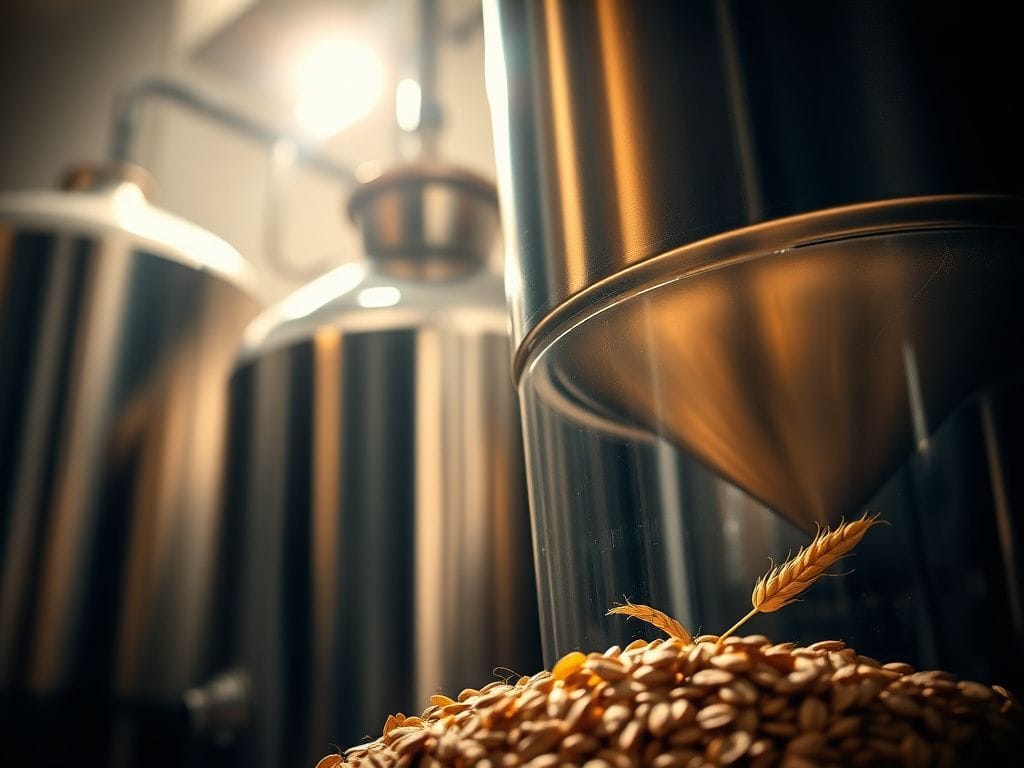
Choosing the optimal conical fermenter is a critical decision for any serious homebrewer seeking to elevate beer quality and consistency. This guide dissects the technical merits and practical implications of stainless steel versus PET conicals, offering an expert analysis to inform your investment in precision fermentation. Mastering these tools refines your craft.
Conical Fermenter Comparison: Stainless Steel vs. PET
| Feature | Stainless Steel (SS) Conical | PET (Plastic) Conical | Optimal Use Case | Key Technical Consideration |
|---|---|---|---|---|
| Material Composition | 304 or 316L Food-Grade Stainless Steel. Electropolished internal surfaces common. | Food-Grade Polyethylene Terephthalate (PET). Often UV-stabilized. | Long-term durability, professional-grade output, high-pressure applications. | SS: Inert, non-porous, corrosion-resistant. PET: Transparent, lightweight, potential for micro-scratches. |
| Thermal Regulation | High thermal conductivity (~16 W/(m·K)). Excellent for precise glycol chilling or heating. | Low thermal conductivity (~0.24 W/(m·K)). Requires robust insulation or ambient control. | Brewers requiring exact temperature control for specific yeast profiles or lagering. | SS: Rapid heat exchange with external jackets/coils. PET: Slower response, benefits from stable ambient conditions. |
| Oxygen Barrier | Impermeable. Zero oxygen ingress through the vessel wall. | Slightly permeable over long durations (e.g., >3 months). Permeability varies with thickness and temperature. | Any style, especially oxygen-sensitive styles like NEIPAs or long-aged beers. | SS: Preserves hop aromatics and prevents oxidation indefinitely. PET: Monitor for long contact times, potential for staling. |
| Durability & Longevity | Exceptional. Decades of service. Highly resistant to physical damage and UV degradation. | Good for several years (5-10+). Susceptible to scratches, stress cracking, and UV degradation over time. | Investment for a lifetime of brewing, requiring minimal replacement. | SS: Withstands rough handling; inert to most chemicals. PET: Handle with care; avoids harsh abrasives/solvents. |
| Cleaning & Sanitation | CIP (Clean-In-Place) compatible. Tolerates high temperatures, strong acids/caustics. Electropolished surfaces resist biofilm. | Requires non-abrasive cleaners (e.g., PBW). Prone to scratching, which can harbor bacteria. Limited high-temperature tolerance. | Brewers prioritizing ultimate hygiene and minimal infection risk. | SS: Robust sanitization protocols; passivates naturally or chemically. PET: Visible cleanliness, but microscopic imperfections can be an issue. |
| Yeast Harvesting | Precision ball valve at cone apex. Sanitary tri-clamp collection directly into mason jars or collection bulbs. | Typically smaller ball or butterfly valves. Static charge can sometimes clump yeast, requiring agitation. | Brewers who frequently harvest, wash, and re-pitch yeast for consistency. | SS: Clean, efficient yeast slurry collection. PET: May require more effort for consistent harvesting. |
| Pressure Fermentation Capability | High pressure ratings (15-30+ PSI). Ideal for true closed transfers, spunding, and natural carbonation. | Lower pressure ratings (typically 5-10 PSI). Suitable for basic transfers, limited spunding. | Advanced brewers aiming for precise carbonation, ester suppression, or closed-loop dry hopping. | SS: Robust design handles significant internal pressure without deformation. PET: Visual deformation at higher pressures; safety limits are critical. |
| Cost Factor | High initial investment. Lower long-term cost of ownership due to longevity. | Low initial investment. Higher long-term cost of ownership due to replacement cycles. | Brewers with significant budget for equipment or those viewing it as a long-term professional investment. | SS: Premium materials and manufacturing. PET: Mass-produced plastic, lower material cost. |
| UV Resistance | Excellent. Completely opaque, protecting beer from light-struck flavors. | Variable. Some models include UV inhibitors, but prolonged exposure can degrade material and impact beer. | Any brewer concerned about preventing “skunky” off-flavors from light exposure. | SS: Absolute light protection. PET: Store away from direct sunlight; consider opaque covers. |
| Visibility | None, unless equipped with a sight glass or dedicated sample port. | Excellent, allowing full visual monitoring of fermentation activity and clarity. | Brewers who value visual observation of yeast activity, krausen formation, and beer clarity without opening. | SS: Relies on hydrometer readings and sensory evaluation. PET: Direct visual feedback, aiding in fermentation tracking. |
Fermenter Thermal Management Calculation: Comparative Heat Transfer
To quantify the difference in thermal management between Stainless Steel (SS) and PET fermenters, let’s consider a simplified model for heat transfer coefficient (U-value) for conduction through the vessel wall. This directly impacts how effectively a cooling or heating jacket/coil can modify the wort temperature.
Variables:
- Material Thickness (t): Assume 2mm (0.002 m) for both for simplicity, though SS often thicker.
- Thermal Conductivity (k):
- kSS (Stainless Steel 304): ~16 W/(m·K)
- kPET (Polyethylene Terephthalate): ~0.24 W/(m·K)
Formula for Heat Transfer Coefficient (U) for conduction:
U = k / t
Calculation for Stainless Steel (SS):
USS = 16 W/(m·K) / 0.002 m
USS = 8000 W/(m²·K)
Calculation for PET:
UPET = 0.24 W/(m·K) / 0.002 m
UPET = 120 W/(m²·K)
Analysis:
The calculated U-value for Stainless Steel (8000 W/(m²·K)) is approximately 66.7 times higher than that for PET (120 W/(m²·K)).
Implication for Temperature Control:
This stark difference indicates that Stainless Steel ferments will transfer heat much more efficiently than PET. For a given temperature difference between the wort and a cooling/heating source (e.g., glycol in a jacket or chilling coil), the SS fermenter will achieve the target temperature significantly faster and maintain it with greater precision and less energy expenditure on the chiller/heater. PET fermenters, conversely, act as natural insulators, resisting rapid temperature changes. While this can be beneficial in stable ambient conditions, it makes active cooling or heating via external jackets or even internal coils less responsive and less efficient compared to SS. Therefore, PET systems often rely on maintaining the entire fermentation chamber at the target temperature, rather than direct vessel cooling.
The Definitive Master-Guide: Conical Fermenters for Homebrewers – Stainless Steel vs. PET
Introduction to Conical Fermenters in Homebrewing
For the discerning homebrewer, the choice of fermentation vessel transcends mere containment; it is a declaration of commitment to quality, consistency, and control. Conical fermenters, once the exclusive domain of commercial breweries, have become increasingly accessible, fundamentally altering the homebrewing landscape. Their design, characterized by a sloped conical bottom, is engineered for efficient separation of yeast and trub from the finished beer, enabling single-vessel fermentation, pressure capabilities, and meticulous yeast harvesting. This eliminates multiple transfers, mitigating oxidation risks and streamlining the brewing process. The debate, however, often centers on material science: the venerable stainless steel versus the innovative PET (polyethylene terephthalate). Each material presents a unique set of advantages and disadvantages that warrant a deep, technical examination to inform the optimal choice for your brewing regimen.
The Universal Advantages of Conical Fermenters
Before dissecting the material differences, it’s crucial to understand the overarching benefits that make conical fermenters a superior choice over traditional carboys or buckets:
1. Yeast Harvesting and Re-pitching: The conical design allows gravity to pull flocculated yeast and trub into a compact cone at the bottom. A dedicated dump valve enables sanitary removal of spent yeast and trub, or, crucially, harvesting clean, viable yeast for re-pitching subsequent batches. This is a game-changer for consistency and cost-efficiency.
2. Reduced Oxygen Exposure: By performing primary fermentation, secondary maturation (if desired), and even carbonation in a single vessel, conical fermenters drastically minimize transfers. Each transfer point is an opportunity for oxygen ingress, a primary enemy of beer stability and flavor. A closed system minimizes this risk.
3. Trub Separation: The conical bottom facilitates the separation of heavy solids (hot break, hop particles, spent yeast) from the fermenting wort. This leads to cleaner, clearer beer and reduces off-flavors associated with prolonged contact between beer and trub.
4. Pressure Fermentation: Many conical fermenters are designed to handle pressure, enabling techniques such as spunding (fermenting under pressure to naturally carbonate) and closed-loop transfers directly to kegs or bottles, further reducing oxygen exposure and allowing for ester profile manipulation.
Stainless Steel Conical Fermenters: The Industrial Standard Demystified
Stainless steel conicals represent the pinnacle of homebrewing fermentation vessels, drawing directly from commercial brewery technology. Their robust construction and inert properties make them a long-term investment for serious brewers.
Material Science and Construction: Commercial-grade stainless steel conicals are typically constructed from 304 or 316L food-grade stainless steel. 304 SS is common, offering excellent corrosion resistance, while 316L (low carbon) is even more resistant to pitting and crevice corrosion, especially in environments with chlorides, though less common in homebrew scale due to cost. The interior surfaces are often electropolished, creating an ultra-smooth, passive surface that resists microbial adhesion and simplifies cleaning. Welds are typically TIG-welded, followed by passivation to restore the protective chromium oxide layer, critical for preventing rust and ensuring longevity.
Thermal Management: This is where stainless steel truly excels. With a high thermal conductivity (~16 W/(m·K)), SS allows for extremely efficient heat transfer. This is particularly advantageous for precise temperature control. Many SS conicals feature integrated chilling coils or double-walled jackets through which glycol or chilled water can circulate, enabling rapid and precise heating or cooling of the wort. This level of control is paramount for fermenting lagers, manipulating ester profiles in ales, or performing cold crashing. The ability to quickly bring wort to specific temperatures and hold it there offers unparalleled consistency in fermentation outcomes.
Oxygen Barrier: Stainless steel is completely impermeable to oxygen. This is a non-negotiable advantage for brewing styles sensitive to oxidation, such as New England IPAs, or for beers intended for long-term aging. There is simply no risk of oxygen ingress through the vessel walls, preserving delicate hop aromatics and preventing the formation of cardboard-like off-flavors.
Durability and Longevity: A well-maintained stainless steel conical is a lifetime investment. It is virtually impervious to physical damage from typical brewing operations, resistant to UV degradation, and maintains its structural integrity for decades. This durability translates to a lower total cost of ownership over time, despite the higher initial outlay.
Cleaning and Sanitation: The smooth, non-porous surface of electropolished stainless steel is highly resistant to bacterial adhesion and biofilm formation. SS conicals are often CIP (Clean-In-Place) compatible, meaning they can be cleaned and sanitized without disassembly using recirculating pumps and specialized chemicals. They tolerate high temperatures, strong acids (e.g., phosphoric acid-based sanitizers), and caustics (e.g., PBW, caustic soda) without degradation. This robustness ensures optimal hygiene and drastically reduces the risk of infection.
Pressure Fermentation Capabilities: Most stainless steel conicals are designed and rated for significant internal pressures, often ranging from 15 PSI to over 30 PSI. This capability unlocks advanced brewing techniques: true closed transfers, spunding to naturally carbonate beer to desired levels, and even closed-loop dry hopping, where hops can be added under CO2 pressure without exposing the beer to oxygen. This level of control is indispensable for advanced brewers targeting commercial-quality results.
Yeast Harvesting: The conical design with a robust butterfly or ball valve at the apex allows for exceptionally clean and efficient yeast harvesting. Flocculated yeast settles into the cone, and the valve can be opened to collect a dense, viable yeast slurry, often directly into sanitized mason jars or dedicated collection bulbs. This enables effective yeast washing, accurate re-pitching rates, and ultimately, significant cost savings on yeast purchases.
Drawbacks: The primary drawback of stainless steel is its significantly higher initial cost. They are also considerably heavier than PET units, making them less portable. Finally, their opacity means visual inspection of fermentation activity and clarity requires a sight glass or opening the fermenter, which introduces oxygen risk.
PET Conical Fermenters: Accessibility Meets Innovation
PET (Polyethylene Terephthalate) conicals have emerged as a popular alternative, offering many of the conical advantages at a more accessible price point. They represent a blend of traditional plastic fermenter benefits with the modern conical design.
Material Science and Construction: PET conicals are manufactured from food-grade polyethylene terephthalate, the same material used for soda bottles. They are typically blow-molded or injection-molded, resulting in a seamless, transparent vessel. Many manufacturers incorporate UV inhibitors into the plastic to mitigate degradation from light, though full UV protection is rarely achieved. The transparency is a key selling point, allowing visual monitoring of krausen formation, yeast activity, and beer clarity.
Thermal Management: PET possesses a significantly lower thermal conductivity (~0.24 W/(m·K)) compared to stainless steel. This means PET acts as a decent insulator, slowing down temperature changes. While this can be beneficial in a stable ambient environment, it also makes active cooling or heating via external jackets or even internal coils less efficient and responsive. Brewers using PET conicals often rely on maintaining the entire fermentation chamber at the target temperature or utilize submersible chilling coils that directly contact the wort for more effective control. Rapid temperature shifts, like cold crashing, take longer and require more energy input than with SS.
Oxygen Barrier: This is a critical consideration for PET. While PET offers a better oxygen barrier than cheaper plastics like HDPE, it is still permeable to oxygen over time. Micro-permeability means that very small amounts of oxygen can pass through the vessel walls, especially during long fermentation or conditioning periods (e.g., beyond 3 months). For most standard ale fermentations (1-3 weeks), this is generally not an issue, but for oxygen-sensitive styles (e.g., NEIPAs) or extended aging, this permeability can lead to oxidation and staling. Some advanced PET designs attempt to mitigate this with thicker walls or multi-layer construction.
Durability and Longevity: PET conicals are durable for their material class, typically offering several years (5-10+) of reliable service. However, they are susceptible to scratching, which can create microscopic crevices where bacteria can hide, leading to infection. They are also prone to stress cracking over prolonged exposure to high temperatures or certain chemicals, and UV degradation can make them brittle over time. Their lifespan is finite and considerably shorter than stainless steel.
Cleaning and Sanitation: Cleaning PET requires a gentler approach. Abrasive brushes or harsh cleaning chemicals (e.g., bleach, strong caustics) can scratch the surface, compromising sanitation and potentially leading to infections. Non-abrasive cleaners like PBW (Powdered Brewery Wash) are recommended, followed by a no-rinse sanitizer like Star San. While the transparency allows for visual verification of cleanliness, micro-scratches are not visible to the naked eye but can harbor contaminants.
Pressure Fermentation Capabilities: PET conicals generally have much lower pressure ratings, typically in the range of 5-10 PSI. This is sufficient for basic closed transfers to a keg or bottle filler, but usually not robust enough for full spunding or forced carbonation within the fermenter. Exceeding these pressure limits can lead to dangerous vessel deformation or rupture. Always consult the manufacturer’s specified pressure rating.
Yeast Harvesting: Yeast harvesting is possible with PET conicals, but some brewers report that static electricity in plastic can cause yeast to stick to the cone walls, making collection less efficient than with SS. Smaller dump valves are common, sometimes requiring gentle agitation to fully collect the yeast slurry. However, for most homebrewers, this feature is still a significant upgrade over traditional fermenters.
Advantages: The primary advantages of PET conicals are their lower initial cost, lightweight nature (making them easier to move and store), and crucial transparency, which allows brewers to visually monitor every stage of fermentation without opening the vessel. This visual feedback can be invaluable for understanding yeast activity and krausen formation.
Comparative Analysis: Choosing Your Weapon
The decision between stainless steel and PET boils down to a personalized assessment of several factors:
Cost vs. Value: Stainless steel has a high upfront cost but offers unparalleled longevity and performance, making its total cost of ownership (TCO) lower over many years. PET is affordable initially but may require replacement after 5-10 years, potentially increasing TCO if multiple units are purchased over time. For a brewer just starting with conicals, PET offers an excellent entry point.
Control vs. Simplicity: Stainless steel, particularly jacketed models or those with internal coils, provides superior temperature control, crucial for precision brewing. PET requires a more stable ambient environment or specific cooling solutions (like submersible coils) due to its insulating properties. However, PET’s transparency offers a visual simplicity that many brewers appreciate.
Longevity vs. Replacement Cycle: A stainless steel conical is an heirloom piece of equipment. A PET conical is a consumable with a defined lifespan. Your brewing goals and budget will dictate which approach is more suitable. If you plan to brew for decades, SS is the clear winner. If you’re experimenting or on a tighter budget, PET is a viable option.
Brewing Philosophy: Are you a “set it and forget it” brewer who values visual checks, or a “precision engineer” obsessed with every degree and PSI? PET leans towards the former, SS towards the latter. If you’re pushing boundaries with lagers, high-gravity beers, or closed-loop techniques, SS is the professional choice. If you brew standard ales and value ease of use and affordability, PET is excellent.
Scalability: As you grow, consider future needs. SS systems are inherently more scalable and integrate better with advanced chilling and cleaning systems. Upgrading from a PET conical might mean a complete system overhaul rather than incremental additions.
Installation, Maintenance, and Best Practices for Optimal Performance
Regardless of material, proper care ensures longevity and prevents infection.
For Stainless Steel Conicals:
- Passivation: Periodically repassivate your SS fermenter (especially after heavy cleaning or any scratches) using a food-grade phosphoric acid solution to restore the protective chromium oxide layer. This prevents rust.
- Tri-Clamp Hygiene: Always ensure tri-clamp gaskets are clean, undamaged, and properly seated to prevent leaks and maintain a sanitary seal. Replace worn gaskets promptly.
- Pressure Testing: If using for pressure fermentation, regularly inspect pressure relief valves (PRVs) and test the vessel’s integrity within its rated PSI limits.
- Cleaning: Utilize PBW or similar alkaline brewery cleaners. Follow with an acid-based sanitizer like Star San. For deep cleaning, circulate caustic soda (with extreme caution).
For PET Conicals:
- Scratch Prevention: Use only soft cloths or sponges for cleaning. Avoid abrasive brushes or scourers at all costs. Never use metal utensils inside the fermenter.
- Chemical Compatibility: Stick to mild, non-abrasive brewery cleaners like PBW. Avoid strong acids, caustics, or solvents unless specifically approved by the manufacturer, as they can degrade PET.
- UV Protection: Store the fermenter away from direct sunlight. Consider using an opaque cover or ferment in a dark fermentation chamber to extend material life and protect beer from light strike.
- Temperature Limits: Adhere strictly to the manufacturer’s specified temperature limits. High temperatures can cause deformation or stress cracking.
- Replacement: Plan for replacement after 5-10 years, or sooner if you notice hazing, stress cracks, or persistent off-flavors that cannot be attributed to other sources.
Temperature Control Integration:
- Glycol Chillers: For SS, a glycol chiller connected to a jacket or internal coil provides the most precise temperature control.
- Fermentation Chambers: Both SS and PET benefit from a controlled fermentation chamber (e.g., a modified fridge or freezer with an external temperature controller) to maintain a stable ambient temperature, crucial for PET, and supplementary for SS.
- Heating Elements: Heating wraps or pads can be used with both to raise wort temperature in cooler environments, paired with a temperature controller.
Conclusion: The Optimal Choice for Your Brew Journey
Ultimately, the “best” conical fermenter for homebrewers isn’t a universal truth; it’s a calculated decision based on your brewing frequency, budget, desired level of control, and long-term aspirations. Stainless steel offers unmatched durability, precise temperature control, and superior oxygen barriers, making it the choice for those seeking professional-grade performance and a lifetime investment. PET provides an accessible entry point to conical brewing, with the undeniable benefit of visual fermentation monitoring, at a lower initial cost. Both elevate the homebrewing experience significantly beyond traditional methods.
Evaluate your priorities: are you willing to invest more upfront for a piece of equipment that will serve you for decades, providing the ultimate in control and consistency? Or do you prioritize affordability and visual feedback, accepting a shorter lifespan and certain technical limitations? Whichever path you choose, adopting a conical fermenter will undeniably refine your craft and produce cleaner, more consistent beer. For more in-depth guidance and a curated selection of fermenters, visit BrewMyBeer.online. Explore our resources at BrewMyBeer.online to find the perfect equipment for your brewing evolution.