

Discover how to make your beer taste amazing with our expert guide to understanding beer mouthfeel. Learn what creates that perfect texture in your favorite brews, from silky smooth stouts to crisp lagers and everything in between. Perfect for homebrewers and beer enthusiasts looking to enhance their appreciation of craft beer.
The perfect beer isn’t just about flavor and aroma—it’s about how it feels in your mouth. Beer mouthfeel, that sensory experience when beer crosses your palate, can transform a good brew into an exceptional one. From the effervescent tingle of carbonation to the silky smoothness of a well-crafted nitro stout, mouthfeel contributes significantly to our overall beer enjoyment. This comprehensive guide explores the science, perception, and brewing techniques behind beer mouthfeel to help you better appreciate this often-overlooked aspect of beer.

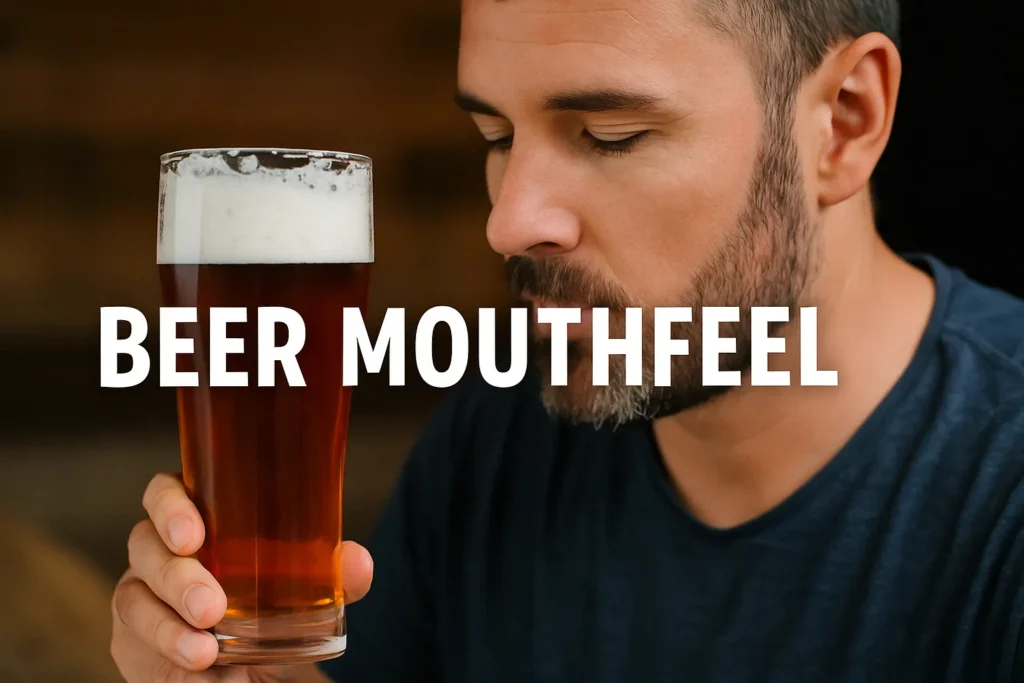
Discover how to experience beer mouthfeel more fully, understand what creates these sensations, and learn why craft brewers obsess over achieving the perfect texture in every style they produce.
What Exactly Is Beer Mouthfeel?
Beer mouthfeel encompasses all tactile sensations experienced when drinking beer. Unlike flavor and aroma, which engage taste buds and olfactory receptors, mouthfeel involves touch receptors throughout your mouth. These receptors detect physical properties including viscosity, carbonation, temperature, astringency, and alcohol warmth.
According to Dr. Pat Fahey, Content Director at the Cicerone Certification Program, “Mouthfeel is the bridge between aroma and flavor, often determining whether drinkers find a beer approachable or off-putting before they even fully process its taste.”
The complexity of beer mouthfeel goes beyond simple descriptions like “thick” or “thin.” A well-trained palate can detect subtle variations in body, creaminess, carbonation levels, and even the way a beer coats the tongue—all elements that contribute to the drinking experience.
The Components of Beer Mouthfeel
Understanding beer mouthfeel requires familiarity with its main components:
Body: From Light to Full
Body refers to the perceived weight or thickness of beer in the mouth. John Brewster, head brewer at Brew My Beer, explains that “body in beer is primarily derived from unfermentable sugars, proteins, and alcohol—elements that give beer its substance and create that satisfying fullness on the palate.”
| Body Type | Characteristics | Common Examples | Contributing Factors |
|---|---|---|---|
| Light | Thin, watery, quick to leave the palate | Pilsners, Light Lagers | High attenuation, low protein malts |
| Medium | Balanced, moderate viscosity | Pale Ales, Amber Lagers | Moderate malt bill, balanced fermentation |
| Medium-Full | Substantial, lingers moderately | IPAs, Porter, Dubbels | Specialty malts, moderate residual sugars |
| Full | Rich, viscous, coats the mouth | Imperial Stouts, Barleywines | High gravity, dextrins, proteins, alcohol |
Carbonation: The Effervescence Factor
Carbonation creates the prickly, tingling sensation that lifts aromas and refreshes the palate. According to research published in the Journal of the American Society of Brewing Chemists, carbonation significantly impacts how we perceive both mouthfeel and flavor in beer.
The level of carbonation varies widely across beer styles:
- Low Carbonation (1.5-2.0 volumes CO₂): English Ales, Cask Ales
- Medium Carbonation (2.2-2.7 volumes CO₂): Most American Ales, Lagers
- High Carbonation (2.8-4.5 volumes CO₂): Belgian Ales, German Weissbiers
- Very High Carbonation (4.0-5.0 volumes CO₂): Some Belgian styles, Champagne beers
The type of carbonation also matters. Natural carbonation from bottle conditioning often creates finer, more integrated bubbles compared to forced carbonation. Meanwhile, nitrogen-infused beers (nitro) produce the characteristic creamy mouthfeel with tiny bubbles that cascade beautifully before settling.
Astringency and Tannins
Astringency creates that drying, puckering sensation similar to drinking strong black tea or young red wine. In beer, astringency comes primarily from polyphenols (tannins) derived from grain husks, hop material, or fruits added during brewing.
While slight astringency can add complexity to certain styles like English Barleywines, excessive astringency is usually considered a flaw. The Beer Judge Certification Program (BJCP) guidelines note that high astringency can make beer seem “harsh” or “rough” on the palate.
Alcohol Warmth
The warming sensation of alcohol becomes noticeable in higher-ABV beers, typically above 7%. This warmth can range from a gentle glow to an intense burn depending on the alcohol percentage and how well it’s integrated with other elements.
Master Brewer Miguel Cerveza explains that “properly aged higher-alcohol beers often show better integration of alcohol warmth, transforming what might initially feel ‘hot’ into a pleasant warming sensation that complements rich, complex flavors.”
Creaminess and Silkiness
Creaminess in beer creates that smooth, silky sensation that glides across the palate. This quality is particularly prized in stouts, porters, and cream ales. According to a study in the Journal of the Institute of Brewing, proteins, beta-glucans, and specific brewing techniques all contribute to creating this desirable textural element.
How Brewing Ingredients Affect Mouthfeel
Each ingredient in beer contributes uniquely to its mouthfeel:
Malt’s Contribution to Mouthfeel
Malted grains provide the foundation for beer mouthfeel through:
- Proteins: Medium-sized proteins enhance body and foam stability
- Dextrins: Unfermentable sugars that increase viscosity
- Beta-glucans: Create silky textures, especially in oat-containing beers
Specialty malts like caramel/crystal malts add unfermentable sugars that boost body, while roasted malts contribute astringency and dryness. Wheat, oats, and rye each bring distinctive mouthfeel characteristics:
| Grain | Mouthfeel Contribution |
|---|---|
| Barley | Balanced body, baseline for most beers |
| Wheat | Fluffy, bready fullness, enhances foam |
| Oats | Silky, creamy smoothness |
| Rye | Distinctive spicy dryness, sometimes described as “slick” |
| Unmalted Grains | Starchy body, can create silkiness |
Hops and Mouthfeel
While primarily known for bitterness, aroma, and flavor, hops also influence mouthfeel through:
- Polyphenols: Create astringency, especially from excessive hop material
- Iso-alpha acids: Beyond bitterness, they impart a resinous quality
- Hop oils: Can add slickness or roundness to the palate
Heavily dry-hopped NEIPAs demonstrate how hops can contribute to a soft, pillowy mouthfeel. According to research published by the Brewers Association, specific hop varieties and techniques can significantly impact perceived smoothness and body in beer.
Water’s Silent Influence
Water chemistry profoundly affects mouthfeel through:
- Chloride-to-Sulfate Ratio: Higher chloride levels promote roundness and fullness
- Calcium content: Impacts enzyme activity during mashing
- pH level: Affects protein structure and perceived mouthfeel
Sophia Chen, brewing water specialist, notes that “adjusting the chloride-to-sulfate ratio is one of the most powerful tools brewers have to fine-tune mouthfeel without changing the grain bill. Higher chloride promotes a rounder, fuller mouthfeel while higher sulfate creates a crisper, drier perception.”
Yeast’s Textural Impact
Different yeast strains produce varying levels of glycerol, esters, and higher alcohols, all affecting how a beer feels on the palate. The degree of attenuation (how completely yeast ferments available sugars) directly impacts body—highly attenuative strains create drier beers, while less attenuative strains leave more residual sweetness and body.
According to Tyler Yeastman, microbiology expert, “English ale yeasts typically leave more residual sweetness and produce more esters and glycerol than their American counterparts, contributing to the characteristic full, rounded mouthfeel of traditional English ales.”
| Yeast Type | Attenuation | Mouthfeel Characteristics |
|---|---|---|
| American Ale | High (73-80%) | Clean, less body, drier finish |
| English Ale | Moderate (68-72%) | Fuller, more rounded |
| Belgian Ale | Variable (70-85%) | Complex, can be dry or full |
| German Wheat | High (73-77%) | Effervescent, light |
| Lager | High (73-80%) | Clean, crisp, defined |
Brewing Techniques That Enhance Mouthfeel
Beyond ingredients, specific brewing techniques can dramatically alter beer mouthfeel:
Mashing Techniques
The mashing process—where grain starches convert to fermentable sugars—offers several opportunities to influence mouthfeel:
- Mash Temperature: Higher mash temperatures (154-158°F/68-70°C) produce more unfermentable dextrins, creating fuller-bodied beers with enhanced mouthfeel. Lower temperatures (146-150°F/63-65°C) create more fermentable wort, resulting in drier beers.
- Step Mashing: Using specific temperature rests can target different enzyme activities. A beta-glucan rest (around 104-122°F/40-50°C) can break down gummy beta-glucans for better lautering while preserving some for body enhancement.
- Decoction Mashing: This traditional German technique involves removing, boiling, and returning portions of the mash. Research from the Technical University of Munich indicates that decoction mashing increases melanoidin formation and extraction of malt compounds, potentially enhancing mouthfeel.
Boil Considerations
The boil phase also influences mouthfeel:
- Boil Vigor: A more vigorous boil increases protein coagulation and Maillard reactions
- Boil Duration: Extended boils concentrate wort and develop more melanoidins
- Hot Break Handling: Retaining some hot break material can increase body and mouthfeel
Fermentation Management
How fermentation is conducted significantly impacts final mouthfeel:
- Fermentation Temperature: Lower temperatures often produce cleaner fermentation with fewer esters but may leave more body
- Pressure Fermentation: Can create smoother mouthfeel in certain styles
- Yeast Handling: Proper pitch rates ensure complete fermentation without stress-induced off-flavors
- Mixed Fermentation: Brett, Lactobacillus, and other organisms create unique mouthfeel characteristics
Post-Fermentation Techniques
After primary fermentation, several techniques can enhance mouthfeel:
- Dry Hopping: Beyond aroma, contributes oils and polyphenols that affect texture
- Cold Crashing: Drops yeast and protein material, potentially lightening body
- Filtration: Different filtration levels significantly alter perceived body
- Bottle Conditioning: Creates finer, more integrated carbonation
- Serving on Nitro: Creates exceptionally smooth, creamy texture with characteristic cascade effect
Mouthfeel Across Beer Styles
Different beer styles showcase distinctive mouthfeel characteristics, often central to their identity:
German Hefeweizen
The traditional German wheat beer exemplifies how mouthfeel defines a style. Its high wheat content creates a fluffy, pillowy texture, while the special yeast produces esters and phenols that complement its high carbonation. According to the German Beer Institute, the traditional weissbier should have “an effervescent mouthfeel with a creamy texture from suspended yeast.”
Czech Pilsner
The original pilsner demonstrates how a light-bodied beer can still possess remarkable mouthfeel complexity. Its soft water profile, coupled with decoction mashing and extended cold conditioning, creates a rounded palate despite its relatively light body. The Czech Beer and Malt Association notes that authentic Czech pilsners should have a “satisfying mouthfeel despite their crispness.”
Irish Stout
The classic Irish dry stout, especially when served on nitro, showcases how carbonation type dramatically affects perception. The nitrogen-infused dispensing creates microscopic bubbles that produce the signature silky, creamy mouthfeel that contrasts beautifully with the roasty dryness of the style.
New England IPA
Perhaps no modern style demonstrates the evolution of mouthfeel engineering better than the New England IPA. Its characteristic “juicy” sensation comes from a perfect storm of techniques:
- High protein grains (flaked oats, wheat)
- Water chemistry emphasizing chloride over sulfate
- Biotransformation through active dry-hopping
- Minimal finings and filtration
- Specific yeast strains that accentuate the soft, rounded profile
A recent article in Craft Beer & Brewing noted that “the pillowy mouthfeel of NEIPA has become one of the style’s defining characteristics, as important to its identity as its hazy appearance and juicy hop expression.”
Analyzing and Describing Mouthfeel
For both brewers and enthusiasts, developing the vocabulary and sensory skills to analyze mouthfeel enriches the beer experience:
Mouthfeel Vocabulary
Expand your descriptive capabilities with these terms used by professional tasters:
| Mouthfeel Dimension | Descriptive Terms |
|---|---|
| Body | Thin, watery, slick, medium, substantial, chewy, viscous, syrupy |
| Carbonation | Still, lightly sparkling, effervescent, prickly, foamy, spritzy |
| Texture | Smooth, silky, velvety, creamy, rough, gritty, coarse |
| Finish | Dry, semi-dry, sweet, cloying, lingering, quick |
| Astringency | Soft, moderate, tannic, puckering, harsh |
| Alcohol Warmth | Subtle, warming, hot, burning, solvent-like |
Developing Your Palate
To better appreciate mouthfeel differences:
- Comparative Tasting: Try the same beer style from different breweries side by side
- Style Exploration: Experience classic examples of styles known for distinctive mouthfeel
- Temperature Effects: Notice how mouthfeel changes as beer warms
- Glassware Impact: Use different glasses to observe how shape affects perception
- Food Pairing: Note how foods interact with beer’s textural elements
Amber Maltson, sensory analysis expert, recommends “paying attention to how long the sensations persist after swallowing. A beer’s finish—whether it’s quick and clean or lingering and coating—reveals much about its mouthfeel complexity.”
Troubleshooting Mouthfeel Issues in Homebrewing
For homebrewers seeking to improve their beer’s mouthfeel, here are common issues and solutions:
Beer Too Thin
Potential Causes:
- Mash temperature too low
- Over-attenuation by highly fermentative yeast
- Insufficient specialty malts
- Water profile issues
Solutions:
- Increase mash temperature to 154-158°F (68-70°C)
- Add dextrin malts like Carapils/Dextrine malt (5-10% of grist)
- Consider less attenuative yeast strains
- Increase chloride in brewing water
- Add maltodextrin or lactose (for appropriate styles)
Beer Too Heavy/Cloying
Potential Causes:
- Excessive use of specialty malts
- Under-attenuation
- Mash temperature too high
- Oxidation issues
Solutions:
- Reduce specialty malts, particularly crystal/caramel malts
- Ensure healthy fermentation with proper pitch rates
- Adjust mash temperature down to 148-152°F (64-67°C)
- Improve oxygen control post-fermentation
Astringency Issues
Potential Causes:
- Excessive tannins from over-sparging or high pH sparge
- Too much dark grain inclusion
- Excessive hop material exposure
- High polyphenol extraction
Solutions:
- Monitor sparge water temperature (<170°F/77°C)
- Control mash and sparge pH (5.2-5.6)
- Add dark grains late in the mash
- Cold steep dark grains separately
- Limit extended dry hop contact time
The Future of Mouthfeel in Brewing Innovation
As brewing science advances, new frontiers in mouthfeel engineering are emerging:
Enzyme Technology
Specialized enzymes allow greater control over fermentation and mouthfeel:
- Glucoamylase for creating ultra-dry finishes
- Beta-glucanase for managing oat-heavy grists
- Protease enzymes for haze stability and mouthfeel enhancement
Ryan Brewtech, brewing technology specialist, notes that “enzyme technology gives craft brewers unprecedented control over very specific aspects of mouthfeel, allowing them to create sensory experiences that were difficult to achieve consistently before.”
Novel Ingredients
The craft beer revolution has introduced new ingredients specifically targeting mouthfeel:
- Lupulin powder and hop extracts for smoother hop character
- Designer malts engineered for specific protein and dextrin profiles
- Alternative grains like triticale, spelt, and ancient wheat varieties
- Functional additives like glycerin and gums (where regulations permit)
Sensory Science Advancements
The Sensory Science Research Center reports that new research is deepening our understanding of mouthfeel perception:
- Identification of specific receptors for carbonation sensitivity
- Better understanding of individual variation in mouthfeel perception
- Recognition of interactions between flavor compounds and texture perception
- Improved training methods for sensory panels focusing on mouthfeel
Conclusion
Beer mouthfeel, though often overshadowed by discussions of flavor and aroma, represents a fascinating and crucial component of the overall beer experience. Understanding the elements that contribute to mouthfeel—from ingredients and brewing techniques to serving methods—enhances appreciation and enjoyment of beer in all its diverse forms.
Whether you’re a brewer seeking to perfect your recipes or an enthusiast wanting to deepen your tasting skills, attention to mouthfeel opens new dimensions of beer appreciation. The next time you raise a glass, take a moment to focus not just on what you taste and smell, but on how the beer feels as it crosses your palate—that textural experience is the silent partner in every great beer.
Discover how to enhance beer mouthfeel in your brewing by experimenting with these techniques and paying careful attention to each ingredient’s contribution. The journey to perfect mouthfeel is one of brewing’s most rewarding challenges and one that continues to drive innovation in craft beer worldwide.
Beer mouthfeel remains an exciting frontier in brewing science and craft beer innovation, with new discoveries and techniques constantly emerging to help brewers create ever more distinctive and satisfying sensory experiences.
About the Author:
Sophia Chen holds a Ph.D. in Biochemistry and applies her scientific expertise to the art of brewing. She specializes in water chemistry and how mineral profiles affect beer characteristics. After working in quality control for a major craft brewery, Sophia now consults with homebrewers on optimizing their water profiles for specific beer styles. Her analytical approach helps demystify the science behind brewing, making complex chemical reactions accessible to hobbyists. She regularly conducts blind taste tests comparing beers brewed with different water compositions to demonstrate their impact on final flavors.