

Master the complete Belgian Witbier recipe with orange peel using traditional spices, wheat malts, and authentic brewing techniques for refreshing Belgian wheat beer at home.

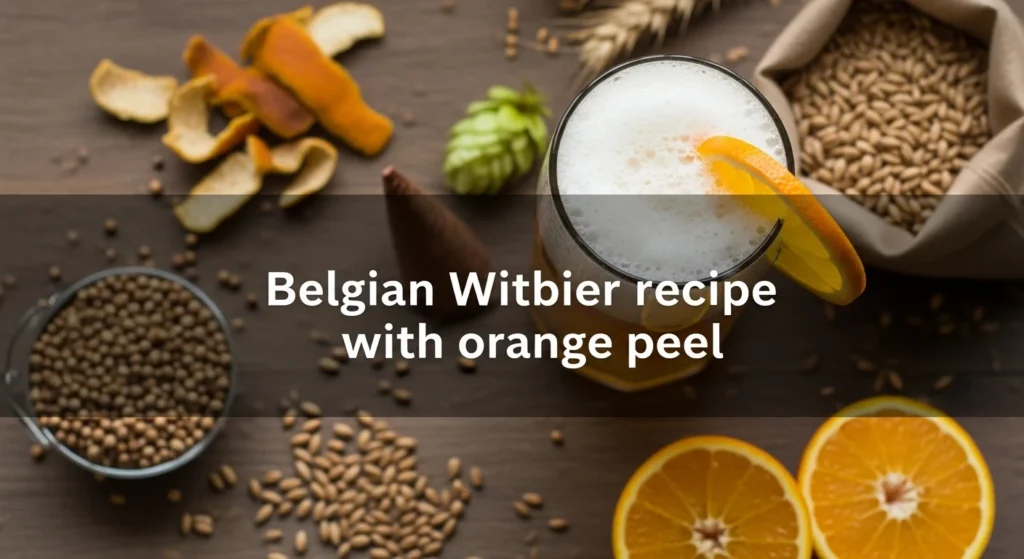
Belgian Witbier recipe with orange peel represents one of brewing’s most refreshing and approachable styles, combining traditional wheat malts with aromatic spices to create the distinctive cloudy appearance and complex flavor profile that made Belgian wheat beer internationally beloved. After brewing numerous Belgian Witbier variations over the past eight years and studying traditional Belgian brewing methods, I can confidently state that mastering this style requires understanding the delicate balance between wheat proteins, coriander spicing, and orange peel character while employing proper fermentation techniques that create the smooth mouthfeel and refreshing character defining authentic Belgian wheat beer.
My Belgian Witbier brewing journey began with attempts that lacked the characteristic haziness and spice complexity I expected from traditional examples. The breakthrough came when I discovered that proper orange peel selection and spice timing create the essential citrus character while controlled fermentation temperatures develop the signature Belgian yeast esters that complement rather than overwhelm the delicate spice balance.
This comprehensive Belgian Witbier recipe with orange peel guide explores every aspect of traditional Belgian brewing including wheat malt utilization, spice selection and timing, proper fermentation management, and conditioning techniques that produce the cloudy appearance, smooth mouthfeel, and refreshing complexity characteristic of the finest Belgian wheat beers. From understanding flaked wheat’s role to mastering traditional spice integration, this guide provides complete knowledge for creating exceptional Witbier that honors Belgian brewing heritage.
Whether you’re attempting your first Belgian style or seeking to perfect traditional wheat beer techniques, mastering this Belgian Witbier recipe with orange peel provides essential skills while creating one of the world’s most refreshing and food-friendly beer styles that showcases Belgian brewing innovation and summer sessionability.
Understanding Traditional Belgian Witbier Characteristics
Authentic Belgian Witbier displays pale straw color with characteristic haziness ranging from 1.044-1.052 original gravity while achieving 4.5-5.5% alcohol content through wheat protein suspension and Belgian yeast esters that create the smooth, refreshing character defining traditional Belgian wheat beer.
Appearance and Cloudiness
Traditional Belgian Witbier exhibits pale straw to light golden color with pronounced haziness from wheat proteins and yeast suspension while creating the distinctive cloudy appearance that separates witbier from filtered wheat beers through proper ingredient selection.
Wheat Character Foundation
Flaked wheat provides essential protein content and smooth mouthfeel comprising 40-60% of grain bill while contributing to head retention and characteristic texture without overwhelming fermentable sugar content or creating excessive sweetness.
Signature Spice Integration
Traditional coriander and orange peel create distinctive flavor complexity with careful timing and quantity control while providing the aromatic character that defines authentic Belgian witbier without overwhelming delicate wheat foundations.
Belgian Yeast Character
Proper Belgian wheat beer yeast strains produce subtle phenolic and ester character that complements spice additions while maintaining clean fermentation profile that allows wheat and spice flavors to dominate the overall experience.
Refreshing Drinkability
Authentic Belgian Witbier emphasizes sessionability and refreshment through proper balance and moderate alcohol content while creating the smooth drinking experience perfect for summer consumption and food pairing.
For comprehensive Belgian Witbier brewing techniques and traditional spice integration methods, explore the authentic Belgian brewing resources at BrewMyBeer’s Belgian wheat beer section, where traditional Belgian brewing wisdom meets modern homebrewing precision.
Essential Belgian Witbier Ingredients
Authentic Belgian Witbier requires specific ingredient combinations including wheat malts, traditional spices, Belgian yeast, and proper hop varieties that create the distinctive character impossible to replicate with substitute ingredients or simplified approaches.
Wheat Malt Selection
Flaked wheat provides essential protein and smooth mouthfeel comprising 40-50% of grain bill while white wheat malt offers alternative approach with enhanced enzymatic power for all-grain brewing without requiring additional enzyme supplementation.
Pilsner Malt Foundation
Belgian or German Pilsner malt creates clean foundation comprising 40-50% of grain bill while providing necessary enzymes and fermentable sugars that support wheat integration without competing with delicate flavor development.
Flaked Oats Addition
Small amounts of flaked oats enhance mouthfeel and head retention while contributing additional protein content that improves texture and appearance without overwhelming wheat character or creating excessive viscosity.
Orange Peel Varieties
Bitter orange peel provides traditional citrus character while sweet orange peel offers more pronounced orange flavor with modern commercial examples using both varieties for balanced citrus complexity.
Coriander Seed Selection
Fresh whole coriander seeds crushed before use provide optimal flavor extraction while avoiding pre-ground versions that lose essential oils and create harsh or muted spice character.
Belgian Yeast Strains
Traditional Belgian wit yeast including Wyeast 3944 and White Labs WLP400 produce characteristic phenolic and ester balance while maintaining proper attenuation and authentic Belgian character essential for style authenticity.
| Ingredient Component | Percentage/Amount | Character Contribution | Processing Notes | Quality Importance |
|---|---|---|---|---|
| Flaked Wheat | 40-50% | Haze, mouthfeel | Use as-is | Critical |
| Pilsner Malt | 40-50% | Clean foundation | Standard crush | Essential |
| Flaked Oats | 5-10% | Texture enhancement | Use as-is | Beneficial |
| Orange Peel | 0.75-1.5 oz | Citrus character | Add at flameout | Essential |
| Coriander Seeds | 0.5-1.0 oz | Spice complexity | Crush fresh | Essential |
Complete Belgian Witbier Recipe with Orange Peel
This comprehensive Belgian Witbier recipe produces 5 gallons of authentic Belgian wheat beer with proper haze, spice balance, and traditional character through carefully selected ingredients and proven brewing techniques.
All-Grain Recipe Specifications
Target parameters include 1.048 original gravity, 1.010 final gravity, 15 IBU, 3 SRM, and 5.0% ABV while creating authentic Belgian Witbier character through proper ingredient ratios and traditional Belgian brewing methods.
Traditional Grain Bill Composition
Premium grain bill includes 4.5 lbs flaked wheat, 4.9 lbs Belgian Pilsner malt, 1.1 lbs flaked oats, and 0.25 lbs Munich malt while providing proper protein content, enzymatic power, and complexity enhancement essential for style authenticity.
Spice and Hop Schedule
Traditional additions include 1.0 oz Hallertau at 60 minutes, 1.5 oz fresh orange zest at 5 minutes, 0.4 oz crushed coriander at 5 minutes, and optional 0.03 oz dried chamomile at 5 minutes while providing balanced bitterness and authentic Belgian spice character.
Yeast Selection Options
Recommended Belgian wit yeast strains include Wyeast 3944 Belgian Witbier or White Labs WLP400 Belgian Wit Ale while ensuring proper fermentation character and appropriate attenuation for traditional Belgian profile.
Extract Version Adaptation
Extract brewers substitute 3.3 lbs wheat liquid malt extract, 2.5 lbs Pilsner liquid malt extract, and 1.13 lbs flaked oats while maintaining traditional character through proper specialty grain steeping and spice integration.
Traditional Mashing Techniques
Belgian Witbier mashing employs protein rest protocols that enhance wheat protein extraction and improve beer stability while following traditional Belgian methods that optimize wheat malt utilization and spice integration.
Protein Rest Implementation
Begin with protein rest at 122°F for 15 minutes while promoting protein breakdown that enhances wheat protein solubility and improves head retention without compromising body or mouthfeel characteristics.
Temperature Progression Schedule
Raise temperature to 154°F over 15 minutes while achieving proper enzyme activity that converts starches to fermentable sugars and maintains appropriate body for traditional Belgian wheat beer character.
Extended Conversion Rest
Hold conversion temperature for 60-90 minutes while ensuring complete starch conversion and optimal extract efficiency from high wheat content grain bills that require extended enzymatic activity.
Rice Hull Integration
Add rice hulls to prevent stuck sparging while providing natural filtration that accommodates high wheat and oat content without compromising lautering efficiency or creating excessive grain bed compaction.
Gentle Lautering Process
Sparge slowly with low-temperature water while avoiding tannin extraction from wheat proteins and maintaining wort clarity that supports proper fermentation and final beer quality.
Orange Peel Selection and Preparation
Proper orange peel selection significantly impacts Belgian Witbier character with bitter and sweet varieties providing different citrus profiles while timing and preparation methods affect flavor extraction and integration.
Bitter vs Sweet Orange Peel
Bitter orange peel provides traditional citrus character with slight bitterness while sweet orange peel contributes more pronounced orange flavor recognizable from common eating oranges, with many brewers combining both varieties.
Fresh Zest Alternative
Fresh orange zest from 2 naval oranges provides equivalent flavor while offering more control over freshness and intensity compared to commercial dried orange peel products.
Preparation and Processing
Dried orange peel should be rehydrated briefly while fresh zest requires careful removal of white pith that contributes unwanted bitterness and astringency to finished beer.
Addition Timing Optimization
Add orange peel during final 5 minutes of boil while preserving volatile citrus oils and preventing excessive extraction that might create harsh or overwhelming orange character.
Quantity Guidelines
Use 0.75-1.5 oz orange peel per 5-gallon batch while adjusting based on peel type and desired intensity with bitter orange requiring less quantity than sweet orange peel.
Coriander Seed Integration
Proper coriander seed preparation and timing creates authentic Belgian spice character while avoiding excessive spicing that overwhelms delicate wheat foundations or creates medicinal off-flavors.
Fresh Seed Selection
Purchase whole coriander seeds and crush immediately before use while preserving essential oils that provide authentic flavor and avoiding pre-ground versions with diminished potency.
Crushing Technique
Lightly crush seeds to release oils without creating powder while using mortar and pestle or rolling pin to achieve proper particle size that optimizes extraction without creating harsh flavors.
Addition Timing Strategy
Add crushed coriander during final 5-10 minutes of boil while extracting optimal flavor compounds without excessive volatile oil loss or harsh extraction from extended boiling.
Quantity Control
Use 0.5-1.0 oz coriander per 5-gallon batch while starting with lower amounts and adjusting based on taste preference since excessive coriander creates overpowering medicinal character.
Alternative Addition Methods
Some brewers add coriander at flameout or during fermentation while experimenting with timing to achieve different extraction profiles and flavor integration approaches.
Step-by-Step Brewing Process
Traditional Belgian Witbier brewing follows systematic procedures that optimize wheat extraction, spice integration, and fermentation management while creating authentic character through proven techniques.
Mashing Protocol Execution
Begin mashing at 122°F protein rest progressing through temperature stages while maintaining proper timing and temperature control that optimizes wheat protein solubility and enzyme activity.
Boiling and Addition Schedule
Boil wort for 90 minutes adding hops at 60 minutes while incorporating spices during final 5 minutes to preserve volatile compounds and achieve proper extraction without harsh flavors.
Wort Cooling and Transfer
Cool wort rapidly to 68°F using immersion or counterflow chiller while preventing contamination and preparing for proper yeast pitching and fermentation initiation.
Fermentation Management
Begin fermentation at 68°F gradually raising to 72°F during final third of fermentation while promoting proper Belgian yeast character development and complete attenuation.
Conditioning and Packaging
Condition beer for 2-3 weeks after primary fermentation while allowing yeast settlement and flavor integration that improves overall quality and drinkability.
Belgian Yeast Fermentation Management
Proper Belgian yeast handling creates authentic witbier character through controlled fermentation that develops appropriate esters and phenols while maintaining clean profile that complements spice additions.
Temperature Control Strategy
Begin fermentation at 68°F with gradual temperature rise while promoting controlled yeast activity that develops subtle Belgian character without excessive ester formation or off-flavor development.
Yeast Pitching Considerations
Pitch adequate yeast cell count with proper oxygenation while ensuring healthy fermentation that prevents stress-related off-flavors and achieves complete attenuation essential for proper dryness.
Fermentation Duration
Allow 7-10 days primary fermentation while monitoring specific gravity changes and ensuring complete yeast activity before proceeding to conditioning or temperature reduction phases.
Diacetyl Management
Maintain fermentation temperature until diacetyl reduction complete while allowing yeast cleanup that prevents buttery off-flavors and maintains clean Belgian character essential for style authenticity.
Cold Conditioning Protocol
Gradually reduce temperature for cold conditioning while promoting yeast settling and clarity improvement without complete filtration that removes characteristic haze.
Carbonation and Serving Considerations
Proper Belgian Witbier carbonation enhances mouthfeel and presentation while traditional serving methods maximize aroma release and visual appeal that showcases authentic Belgian character.
Carbonation Level Optimization
Target 2.8-3.2 volumes CO2 for authentic mouthfeel while creating proper effervescence that enhances spice perception and provides refreshing character essential for summer consumption.
Traditional Bottle Conditioning
Bottle conditioning with priming sugar develops natural carbonation while allowing continued yeast activity that may enhance flavor development and maintains traditional Belgian presentation.
Serving Temperature Guidelines
Serve at 42-46°F for optimal flavor development while showcasing spice complexity and citrus character without cold-masking delicate flavors or overwhelming refreshment qualities.
Glassware Selection
Traditional Belgian wheat beer glasses enhance aromatics while providing proper volume and shape that supports head retention and aroma concentration.
Orange Garnish Tradition
Fresh orange wheel garnish enhances citrus aromatics while honoring traditional Belgian serving methods and providing visual appeal that complements orange peel character.
Troubleshooting Common Issues
Belgian Witbier brewing challenges require systematic solutions while addressing problems including excessive spicing, poor haze stability, fermentation issues, and balance problems that affect authentic character.
Spice Balance Problems
Excessive coriander creates medicinal off-flavors requiring reduced quantities in future batches while blending with unspiced beer can correct current batches without complete loss.
Haze Stability Issues
Poor haze retention indicates inadequate wheat proteins or excessive cold conditioning requiring grain bill adjustment and modified conditioning protocols that maintain characteristic cloudiness.
Fermentation Stalling
Incomplete fermentation in high-wheat beers requires proper yeast nutrition and temperature management while ensuring adequate enzyme activity during mashing phase.
Off-Flavor Development
Common off-flavors include phenolic harshness and estery character requiring improved fermentation temperature control and yeast health while maintaining proper sanitation throughout brewing process.
Clarity vs Authenticity Balance
Over-clarification removes authentic haze character requiring modified fining and filtration approaches that preserve wheat protein suspension essential for traditional appearance.
Recipe Variations and Creative Adaptations
Belgian Witbier variations explore different spice combinations while maintaining style authenticity through careful ingredient selection and brewing technique adaptation that honors traditional methods.
Alternative Spice Additions
Traditional variations include chamomile, cardamom, and grains of paradise while maintaining proper balance and avoiding overwhelming combinations that compromise refreshing character.
Seasonal Fruit Integration
Fresh fruit additions during fermentation create seasonal variations while blood oranges, lemons, or other citrus fruits complement traditional orange peel character.
Strength Variations
Lower alcohol versions maintain refreshing character while higher gravity versions require balanced spice adjustment and modified fermentation management that preserves authentic character.
Modern Hop Integration
Contemporary interpretations explore subtle hop additions while maintaining traditional balance and avoiding overwhelming citrus or floral character that competes with orange peel.
Extract Brewing Simplification
Extract versions maintain traditional character through proper wheat extract selection and specialty grain steeping while providing accessible approach for developing Belgian brewing skills.
Conclusion and Brewing Excellence
Belgian Witbier recipe with orange peel mastery requires attention to ingredient quality and balance while systematic spice integration, proper fermentation management, and traditional techniques create exceptional examples that honor Belgian brewing heritage.
Begin with quality wheat malts and fresh spices while investing in proper Belgian yeast strains and temperature control equipment that provide foundation for authentic character development and brewing success.
Master protein rest mashing and careful spice timing while understanding traditional Belgian techniques that create proper wheat extraction and spice integration without harsh or overwhelming character.
Focus on fermentation temperature control and proper conditioning while achieving appropriate balance and refreshing character through systematic yeast management and conditioning protocols.
Remember that authentic Belgian Witbier emphasizes refreshment and balance while rewarding dedicated brewers with complex, sessionable beers that showcase Belgian brewing innovation and traditional spice integration.
The investment in proper technique and quality ingredients provides lasting satisfaction through exceptional witbiers that honor Belgian brewing tradition while building skills applicable to broader Belgian beer styles.
Choose authentic methods and traditional approaches while maintaining respect for Belgian brewing heritage that created one of the world’s most refreshing and food-friendly beer styles.
About the Author
Lisa Fermenta is a certified nutritionist and fermentation expert who explores the health benefits of probiotic beverages. Her journey began in her grandmother’s kitchen, where she learned traditional fermentation techniques that have been passed down for generations. Lisa has studied with fermentation masters across Asia and Europe, bringing global perspectives to her brewing approach. She specializes in Belgian wheat beers and traditional spice integration, understanding how proper fermentation creates beneficial compounds while developing authentic character.
Lisa has extensively researched Belgian brewing traditions and has successfully brewed over 25 different witbier variations, drawing from her experience with traditional spice fermentation and authentic Belgian techniques. Her holistic approach to brewing considers both traditional flavor development and the nutritional benefits that properly fermented wheat beers provide. When not experimenting with traditional Belgian spice combinations or perfecting wheat beer fermentation, Lisa enjoys exploring how different fermentation cultures from around the world can enhance traditional Belgian brewing methods while preserving authenticity and craftsmanship. Contact Lisa at lisa.fermenta@brewmybeer.online or explore her comprehensive brewing guides and Belgian beer resources at brewmybeer.online.