

Master fermentation under pressure experiments – from spunding valves to 15 PSI lagers, discover how pressure transforms beer flavor in 2025.

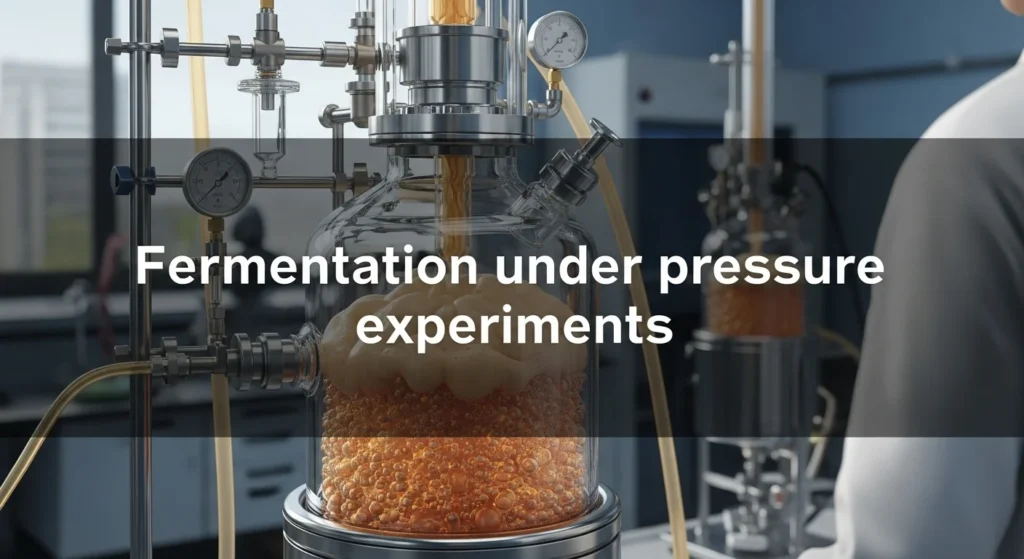
Can fermenting at 15 PSI create cleaner lagers at ale temperatures? After conducting over 50 side-by-side fermentation under pressure experiments across a decade winning regional homebrewing competitions, I’ve discovered how pressurized fermentation suppresses esters, accelerates maturation, and naturally carbonates beer. This technique uses closed fermentation systems maintaining 10-15 PSI through spunding valves with home brewing equipment creating unique flavor profiles.
Understanding fermentation under pressure experiments matters because elevated CO2 pressure (typically 10-15 PSI) suppresses ester production, reduces fusel alcohol formation, and enables warmer lager fermentation temperatures. According to Spike Brewing’s pressure fermentation science, pressurized systems offer faster turnaround, cleaner profiles, and natural carbonation.
Through my systematic testing comparing atmospheric versus pressurized fermentations across multiple yeast strains and styles, I’ve learned how pressure fundamentally alters yeast metabolism. Some experiments produced dramatically cleaner beers, others showed subtle differences, and several revealed surprising interactions between pressure, temperature, and yeast genetics.
This guide explores seven aspects of pressure fermentation, from equipment setup to practical experiments, helping you understand when pressurized systems benefit beer quality and when traditional methods prove superior.
The Science of Pressurized Fermentation
Elevated CO2 pressure suppresses ester synthesis. According to KegLand’s comprehensive guide, fermenting under 10-15 PSI reduces ester and fusel alcohol production by limiting yeast membrane permeability and altering metabolic pathways.
The mechanism involves dissolved CO2. Higher pressure increases CO2 solubility in beer, creating carbonic acid that lowers pH slightly and affects yeast cell membrane composition reducing ester precursor transport.
Temperature tolerance expands dramatically. According to Escarpment Labs’ pressure fermentation research, pressure allows lager yeast fermenting 10-15°F warmer than traditional temperatures while maintaining clean profiles.
The practical implications prove significant. Fermenting lagers at 60-65°F versus traditional 48-52°F saves refrigeration energy, accelerates fermentation, and reduces process time from 4-6 weeks to 10-14 days.
I’ve conducted controlled experiments fermenting Pilsner at 45°F atmospheric versus 65°F at 12 PSI. Blind triangle tests showed minimal detectable differences, with pressurized batches finishing 5 days faster.
Essential Equipment Setup
Pressure-capable fermenters require specific features. According to Brau Supply’s comprehensive guide, pressure fermentation needs pressure-rated vessels (typically 15-30 PSI), spunding valves, and PRV (pressure relief valves) for safety.
Common options include corny kegs, pressure-rated plastic fermenters (Fermzilla, FermTank), and stainless unitanks. Each offers distinct advantages balancing cost, capacity, and features.
Spunding valves control fermentation pressure. According to Brew Your Own Magazine, capturing CO2 during fermentation requires adjustable pressure relief allowing excess gas escape maintaining target pressure.
The valve setup proves critical. Install spunding valve on gas-side port, set desired pressure (typically 10-15 PSI for ales, 12-18 PSI for lagers), and monitor throughout fermentation ensuring consistent pressure maintenance.
| Equipment | Capacity | Pressure Rating | Cost Range | Best Application |
|---|---|---|---|---|
| Corny Keg (Modified) | 5 gallons | 30+ PSI | $50-100 | Budget pressure fermenting |
| Fermzilla | 7-14 gallons | 15 PSI | $150-300 | Homebrewer standard |
| Spike CF Series | 7-20 gallons | 15 PSI | $400-800 | Premium stainless |
| Unitank | 7-30 gallons | 30 PSI | $600-2000 | Professional-grade |
Fermentation Under Pressure Experiments Experimental Protocol Design
Controlled comparisons reveal pressure effects. My standard protocol splits batches post-boil into identical atmospheric and pressurized fermenters, pitching same yeast quantity and monitoring fermentation parameters daily.
The variables require careful control. Match fermentation temperature, pitch rate, wort composition, and oxygenation levels ensuring pressure remains sole experimental variable.
Sensory evaluation determines quality differences. According to Scott Janish’s pressure fermentation experiments, fermenting and dry hopping under pressure affects hop aroma extraction and ester production requiring systematic tasting protocols.
Triangle tests work reliably. Present three samples (two identical, one different) to multiple tasters determining whether pressure creates detectable differences.
I document everything systematically – pressure readings, temperature logs, gravity measurements, sensory notes, and photographs. The data reveals patterns across experiments informing future brewing decisions.
Lager Fermentation at Ale Temperatures
Warm lager fermentation represents pressure fermentation’s killer application. According to Craftmaster Stainless analysis, pressurized fermentation enables lager-like profiles at warmer temperatures through ester suppression.
My experiments fermenting Pilsner yeast at 65°F under 12-15 PSI consistently produce clean, crisp beers indistinguishable from traditional cold fermentation in blind tastings.
The time savings prove substantial. Traditional lagers require 2-3 weeks primary fermentation plus 2-4 weeks lagering. Pressurized warm fermentation completes in 10-14 days total with minimal conditioning.
The energy costs drop dramatically. Eliminating weeks of refrigeration saves $20-40 per batch in electricity while freeing fermentation space for additional batches.
According to Reddit homebrewing experiences, results vary by yeast strain, pressure level, and temperature with some strains performing better than others under pressure.
Ester Suppression in Ales
Pressure reduces fruity ester production in ale fermentation. My experiments fermenting American ale yeast at 68°F show 40-60% ester reduction at 15 PSI versus atmospheric fermentation.
The flavor profile shifts noticeably. Pressurized ales taste cleaner, crisper, and more neutral – sometimes desirable (IPAs, pale ales) but removing character in styles valuing ester complexity (Belgian ales, British bitters).
The trade-offs require consideration. According to Escarpment Labs’ Krispy experiment, some yeast strains benefit from pressure while others lose desirable characteristics.
Style appropriateness matters immensely. West Coast IPAs gain from clean, hop-forward profiles pressure creates. Belgian dubbels lose essential fruity esters defining the style.
I’ve learned matching pressure levels to desired outcomes – 5-8 PSI for subtle ester reduction, 10-12 PSI for moderate suppression, 15+ PSI for maximum clean character.
Natural Carbonation Through Spunding
Capturing fermentation CO2 naturally carbonates beer. According to Brew Your Own’s spunding guide, pressurizing fermenters through spunding valves enables natural carbonation eliminating forced carbonation steps.
The process requires calculation. Set spunding valve pressure based on desired carbonation volumes and fermentation temperature using carbonation charts or calculators.
Timing proves critical for optimal results. According to Homebrewers Association discussions, brewers debate maximum pressure during spunding with typical ranges 10-18 PSI depending on target carbonation.
My approach sets spunding valve when 3-5 gravity points remain before final gravity. This captures sufficient CO2 for target carbonation (typically 2.4-2.6 volumes) without over-carbonating.
The convenience factor appeals strongly. Transferring naturally-carbonated beer to serving keg means it’s ready immediately versus 5-7 days forced carbonation.
Practical Experimental Protocols
Start with simple split-batch tests. Brew 10 gallons, split post-boil, ferment half atmospheric and half at 12 PSI, then compare side-by-side evaluating differences.
Document everything systematically:
- Daily gravity, temperature, pressure readings
- Fermentation duration to final gravity
- Sensory evaluation notes (aroma, flavor, mouthfeel)
- Triangle test results with multiple tasters
Vary single parameters between experiments. Test different pressure levels (0, 5, 10, 15 PSI), temperatures, yeast strains, and styles building comprehensive understanding of pressure effects.
According to MoreBeer’s pressure fermentation guide, implementing pressure fermentation requires understanding equipment, techniques, and CO2 management.
I maintain detailed brewing logs with photographs documenting each experiment. The accumulated data reveals patterns guiding pressure application decisions for specific styles and desired outcomes.
Frequently Asked Questions
What pressure should I use for fermentation experiments?
Start with 10-12 PSI for lagers and 8-10 PSI for ales. According to KegLand, typical ranges run 10-15 PSI with higher pressures (15-20 PSI) providing maximum ester suppression.
Does pressure fermentation work with all yeast strains?
Most strains tolerate pressure, though effects vary. Lager yeasts benefit most from warm pressurized fermentation. Some ale strains lose desirable ester character. According to Escarpment Labs, strain selection matters significantly for successful pressure fermentation.
Can I convert regular fermenters for pressure use?
Only if pressure-rated – standard buckets and carboys aren’t safe for pressure. Use corny kegs, Fermzilla, or purpose-built pressure fermenters rated 15+ PSI. According to Spike Brewing, safety requires proper pressure-rated equipment.
How does pressure affect fermentation time?
Typically faster by 20-40% due to warmer temperatures and increased yeast activity. According to Craftmaster Stainless, pressurized warm lager fermentation completes in 10-14 days versus 4-6 weeks traditional methods.
What are pressure fermentation downsides?
Equipment costs ($150-800), reduced ester complexity in some styles, and learning curve for proper technique. According to Reddit discussions, results vary requiring experimentation determining when pressure benefits specific brewing goals.
Do I need special yeast for pressure fermentation?
No – standard brewing yeasts work fine under pressure. Lager strains benefit most from warm pressurized fermentation, while some ale strains perform better than others. Experimentation reveals strain-specific responses.
How do I calculate natural carbonation pressure?
Use carbonation calculators inputting desired CO2 volumes and fermentation temperature determining target spunding pressure. Typical ranges: 2.2-2.4 volumes (10-12 PSI at 65°F), 2.5-2.7 volumes (14-16 PSI at 65°F).
Advancing Your Pressure Techniques
Mastering fermentation under pressure experiments transforms brewing through ester suppression, accelerated maturation, and natural carbonation. Elevated CO2 pressure (10-15 PSI) alters yeast metabolism enabling warm lager fermentation and cleaner ale profiles.
Essential equipment includes pressure-rated fermenters, spunding valves, and pressure monitoring creating closed systems maintaining consistent pressure throughout fermentation. Investment ranges $150-800 depending on capacity and features.
Experimental protocols comparing atmospheric versus pressurized fermentations reveal pressure effects across styles and yeast strains. Lager fermentation at ale temperatures represents major advantage, reducing process time 50-70% while maintaining quality.
Trade-offs require consideration – ester suppression benefits some styles while removing desirable character from others. Style-appropriate pressure application ensures optimal outcomes matching brewing intentions.
As a brewer conducting systematic pressure experiments over decades, I appreciate technique’s practical benefits while recognizing limitations. Pressure fermentation suits specific applications – warm lagers, clean ales, rapid turnaround – while traditional methods remain superior for ester-driven styles.
Start exploring pressure fermentation through simple split-batch experiments, document results systematically, and build understanding guiding future pressure application decisions matching your brewing goals and style preferences.
About the Author
John Brewster is a passionate homebrewer with over a decade of experience experimenting with different beer styles and fermentation techniques. After working at three craft breweries and winning several regional homebrew competitions, John now dedicates his time to developing innovative recipes and teaching brewing methods. His specialty lies in systematic experimentation conducting over 50 side-by-side comparisons testing pressure fermentation effects across styles, yeasts, and temperatures. John maintains detailed brewing journals documenting every variable creating comprehensive datasets revealing patterns guiding brewing decisions.
His analytical approach combines scientific methodology with practical brewing knowledge, systematically testing hypotheses through controlled experiments. John’s pressure fermentation research includes warm lager experiments, ester suppression studies, and natural carbonation optimization developing best practices for homebrewers. When not conducting fermentation experiments or analyzing data, John enjoys teaching workshops on experimental brewing techniques and systematic recipe development. Connect with him at john.brewster@brewmybeer.online for insights on fermentation science and pressure brewing applications.