Last updated:
Taproom design is one of the most consequential decisions a brewery makes, the space directly determines dwell time, per-visit spend, social media shareability, and whether first-time visitors become regulars. I’ve visited dozens of Indian taprooms and analyzed what drives the measurable differences in revenue per seat between spaces that work and spaces that don’t, and the principles are consistent enough to serve as reliable design guidance regardless of budget.
Taproom design essentials for Indian craft breweries
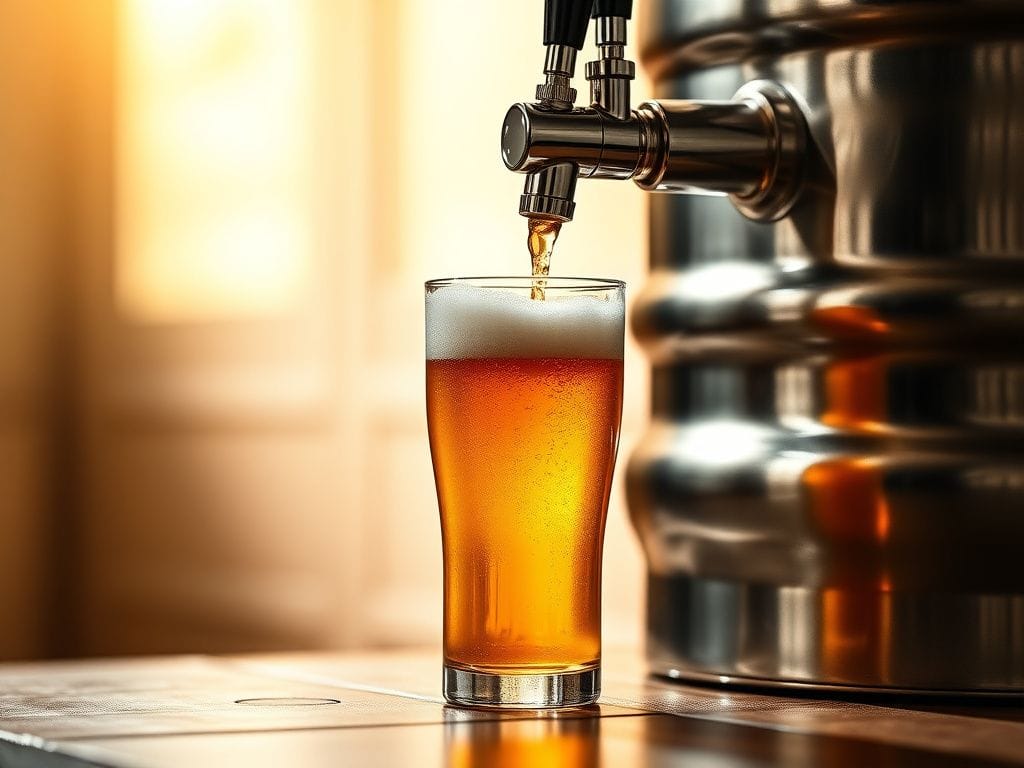
The bar and tap station as the central design element: The bar counter and tap station are the operational and visual heart of any taproom. Design principles that consistently work: Bar height at 1.05–1.10 metres (standard counter height) rather than table height, this creates energy and social facilitation. The tap handles should be visible from the entrance, they signal immediately that this is a brewery, not a restaurant or generic bar. Backlit tap wall with stainless taps, beer lines visible, and the active conditioning tanks visible through a glass window (if layout permits) creates the strongest “we make this here” statement that no signage can replicate. Bar depth: a minimum 75 cm depth for the bartender side (operational), with 45–60 cm bar top for customer seating. Seating format at the bar: high stools at 75–80 cm seat height for counter height bars. Draft lines should be laid out to allow all handles to be reached from one position, running back and forth behind the bar slows service and looks unprofessional. Seating density and layout: Indian taprooms that generate high revenue per square foot typically run approximately 1.2–1.5 sq metres per seat (floor area / seat count). Below this, the space feels crowded and drinkers don’t linger. Above 2 sq metres per seat, the space feels empty at 50% occupancy. Booth seating (upholstered benches with table between) encourages the longest dwell times and highest food attachment, essential for food-forward brewpubs. High communal tables (long tables with high stools) suit group-drinking occasions and create a social, energetic atmosphere. Mixed seating (bar counter, communal tables, booth seating) serves the broadest customer mix. Acoustics: This is systematically under-designed in Indian taprooms and is a primary cause of customers leaving early and not returning. At typical brewpub occupancy, a hard-surface room (tile floor, glass, concrete walls) will measure 75–85 dB SPL, loud enough to make conversation difficult and uncomfortable for extended stays. Solutions: fabric-upholstered seating (absorbs sound), acoustic ceiling tiles or fabric baffles suspended from the ceiling, wooden wall panels rather than bare concrete or brick, soft furnishings. Target ambient noise at 65% occupancy: 65–70 dB SPL, loud enough to feel lively, quiet enough to have a conversation at a normal voice level. Lighting: General lighting for a taproom: 200–300 lux at table height for a warm, amber-biased scheme (2700–3000K colour temperature). Track lighting on the tap wall and bar counter at 500–700 lux to make the pour visible and attractive. Avoid cool-white LED (5000K+) throughout, it’s energizing for a fast-food context but wrong for a dwell-oriented beer venue. Dimmability: the same space needs different light levels for a busy Friday evening (warmer, dimmer) vs. a Sunday afternoon (slightly brighter). A dimmable LED system costs marginally more than a fixed system and dramatically extends the venue’s versatility. India-specific design considerations: Air conditioning: non-negotiable in tropical Indian climates. A taproom in Bangalore, Pune, or Mumbai at ambient 30–35°C without effective air conditioning will empty quickly. Size AC systems for the maximum occupancy plus the heat load from cooking and bodies, typical rule is 1 ton of cooling per 150 sq ft in a well-insulated taproom. Outdoor seating: highly valuable in Bangalore (year-round pleasant evenings) and coastal cities. Covered outdoor seating with fans and mosquito mitigation (ceiling fans create enough air movement, or commercial mosquito repellent diffusers) is preferred by a significant segment of Indian beer drinkers. Entrance and queuing: Indian taprooms filling to 80%+ capacity on weekend evenings need a clear entrance queue and host station. A poorly managed queue exterior communicates disorganization and loses walk-in business.
Common Questions
What should a taproom fit-out cost in Bangalore for a 50-seat venue?
A 50-seat taproom fit-out in Bangalore has a wide cost range depending on the quality tier and the condition of the base space, but I can give realistic benchmarks based on recent completions. Basic fit-out (functional, clean, no design ambition): ₹15–25 lakhs for a 1,500–2,000 sq ft space. Includes bar counter, basic flooring (tiles), standard commercial furniture, pendant lighting, AC, and minimal decoration. Mid-range fit-out (design-led, Instagram-worthy, competitive with established Bangalore taprooms): ₹30–60 lakhs. Includes custom bar counter with statement materials (reclaimed wood, exposed brick, custom tile), custom seating furniture, acoustic treatment, quality lighting design, branded graphics, and a beer garden or terrace area. Premium fit-out (destination venue quality): ₹80–150 lakhs. Custom fabrication throughout, architect-designed space, extensive AV system, high-end outdoor area, wine cellar aesthetics for cold room display. The cost items that provide the highest return on investment: acoustic treatment (directly increases dwell time), good air conditioning (essential), and the tap wall/bar area (drives brand positioning and Instagram content). The cost items that new brewery founders typically overspend on relative to ROI: elaborate exterior signage (internal environment matters more than external signage for repeat visits), premium glassware (ordinary Pilsner glasses that are genuinely beer-clean outperform branded glasses that are poorly cleaned), and full commercial kitchen buildout (many Bangalore taprooms successfully operate with a limited charcuterie/snack menu from a small prep kitchen, reducing kitchen capex by ₹10–20 lakhs versus a full-service kitchen). An interior design consultant experienced in F&B (several operate in Bangalore at ₹3–8 lakhs for full taproom design) typically saves their fee in contractor cost reduction and material selection efficiency.