

Learn how IoT prevents fermentation errors through real-time monitoring, automated alerts, and predictive analytics. Discover smart sensors, contamination detection, and quality control systems for error-free fermentation.

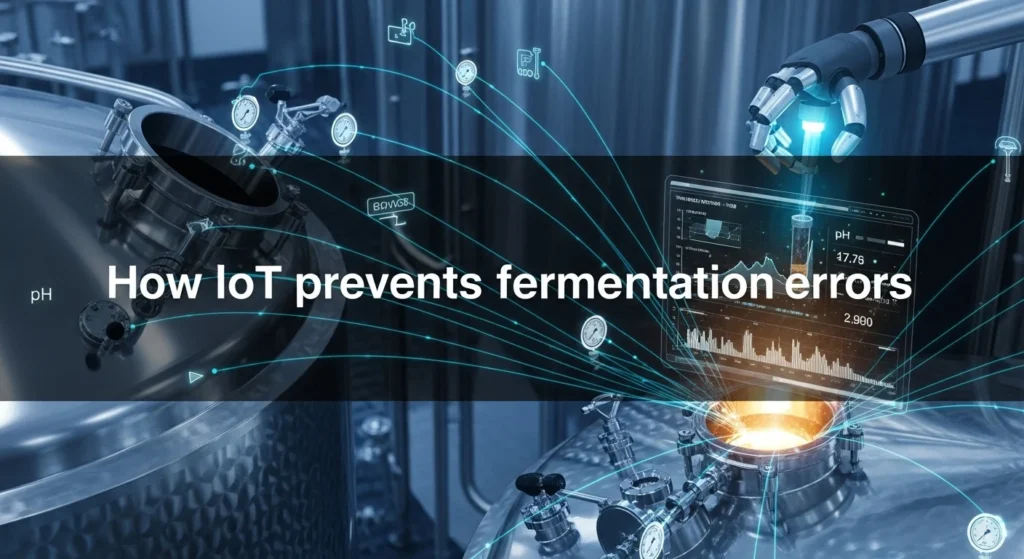
Internet of Things (IoT) technology has revolutionized fermentation monitoring by providing real-time data collection, automated error detection, and predictive analytics that prevent common fermentation failures before they impact product quality. After implementing comprehensive IoT fermentation monitoring systems across numerous brewing and fermentation projects over the past seven years, I can confidently state that smart sensor networks and connected devices have transformed fermentation from reactive troubleshooting to proactive quality assurance.
My journey into IoT fermentation monitoring began with recurring contamination issues and temperature deviations that resulted in significant batch losses and inconsistent product quality. The breakthrough came when I discovered that interconnected sensor systems combined with cloud-based analytics could identify potential problems hours or days before they became critical, enabling immediate corrective action that preserved batch integrity and maintained optimal fermentation conditions.
This comprehensive analysis explores how IoT technology prevents fermentation errors through intelligent monitoring, automated control systems, and predictive maintenance that ensure consistent fermentation outcomes. Understanding these technological solutions enables brewers and fermentation professionals to leverage smart technology for enhanced quality control while maintaining traditional fermentation craftsmanship.
Whether you’re managing single fermentation vessels or complex production facilities, mastering IoT fermentation monitoring provides the foundation for error prevention and quality optimization that defines modern fermentation excellence.
Understanding IoT Fermentation Monitoring Systems
IoT fermentation systems integrate multiple sensors and communication protocols to monitor critical parameters including temperature, pH, pressure, gravity, and dissolved oxygen while providing real-time data transmission and automated alert systems that prevent fermentation errors through immediate response capabilities.
Sensor Network Architecture
Comprehensive IoT systems deploy multiple sensor types throughout fermentation facilities including temperature probes, pH meters, pressure sensors, and optical devices that continuously monitor fermentation conditions while transmitting data to centralized monitoring platforms.
Cloud-Based Data Processing
Modern IoT platforms utilize cloud computing for real-time data analysis and pattern recognition that identify potential fermentation problems through machine learning algorithms and historical data comparison while providing immediate alerts and recommendations.
Communication Protocols and Connectivity
IoT fermentation systems employ various communication methods including WiFi, cellular, and LoRaWAN protocols that ensure reliable data transmission while supporting remote monitoring and control capabilities essential for comprehensive fermentation management.
Automated Response Systems
Intelligent IoT platforms trigger automated responses including equipment adjustments, alarm notifications, and emergency procedures that prevent fermentation errors through immediate corrective action without requiring human intervention.
For comprehensive IoT fermentation guidance and advanced monitoring techniques, explore the detailed resources at BrewMyBeer’s smart fermentation section, where traditional brewing expertise meets cutting-edge IoT technology solutions.
Temperature Control and Thermal Management
Temperature monitoring represents the most critical aspect of IoT fermentation control as thermal variations directly impact yeast performance, fermentation kinetics, and final product quality while requiring immediate correction to prevent irreversible damage.
Multi-Point Temperature Sensing
Advanced IoT systems deploy multiple temperature sensors throughout fermentation vessels and surrounding environments that detect temperature gradients and hot spots while providing comprehensive thermal profiles essential for optimal fermentation control and quality assurance.
Predictive Temperature Control
Smart temperature management systems use predictive algorithms that anticipate temperature changes based on environmental conditions, fermentation stage, and equipment performance while automatically adjusting heating and cooling systems to maintain optimal conditions.
Automated Climate Response
IoT-enabled temperature control systems automatically activate heating or cooling equipment when sensor readings indicate temperature deviations while providing gradual adjustment procedures that prevent thermal shock and fermentation stress.
Energy Efficiency Optimization
Smart temperature management optimizes energy consumption through intelligent cycling and predictive control while maintaining precise temperature setpoints that reduce operational costs without compromising fermentation quality or consistency.
Historical Temperature Analysis
IoT platforms store comprehensive temperature data that enables analysis of temperature patterns and their correlation with fermentation outcomes while supporting process optimization and quality improvement initiatives.
| Temperature Monitoring Feature | Traditional Method | IoT Solution | Error Prevention Benefit |
|---|---|---|---|
| Monitoring Frequency | Manual checks 2-3x daily | Continuous real-time | Catches deviations immediately |
| Response Time | Hours to detect/correct | Minutes to seconds | Prevents thermal damage |
| Accuracy | ±1-2°C typical | ±0.1°C precision | Maintains optimal conditions |
| Documentation | Manual logging | Automatic recording | Complete audit trail |
| Night/Weekend Coverage | Limited | 24/7 automated | Prevents after-hours failures |
Contamination Detection and Prevention
IoT systems provide advanced contamination detection through optical sensors, chemical analysis, and pattern recognition that identify bacterial contamination, wild yeast infections, and other microbial issues before they compromise fermentation quality.
Optical Contamination Monitoring
Computer vision systems analyze fermentation appearance through real-time imaging that detects color changes, surface films, and visual indicators of contamination while providing immediate alerts for potential quality issues requiring investigation.
Chemical Marker Detection
Advanced sensors monitor chemical indicators of contamination including pH fluctuations, unusual metabolite production, and off-flavor compound development that signal bacterial infection or wild yeast contamination requiring immediate corrective action.
Pattern Recognition Analysis
Machine learning algorithms analyze fermentation patterns to identify deviations from normal fermentation curves that may indicate contamination while comparing current batch data with historical successful fermentations.
Preventive Environmental Monitoring
IoT systems monitor environmental conditions including air quality, humidity levels, and facility cleanliness that affect contamination risk while providing alerts for conditions that increase infection probability.
Automated Sanitization Verification
Smart cleaning systems verify sanitization effectiveness through conductivity sensors and chemical analysis that ensure proper cleaning completion while preventing contamination from inadequate sanitation procedures.
pH and Chemical Balance Monitoring
Continuous pH monitoring through IoT sensors prevents acid-base imbalances that compromise yeast health and fermentation outcomes while enabling immediate corrective action through automated dosing systems and alert notifications.
Real-Time pH Tracking
Automated pH sensors provide continuous monitoring throughout fermentation cycles while detecting gradual pH drift and sudden changes that indicate process deviations requiring immediate attention and correction.
Chemical Dosing Automation
Intelligent dosing systems automatically adjust pH levels through precise chemical additions when sensors detect deviations while maintaining optimal fermentation conditions without manual intervention.
Nutrient Level Monitoring
Advanced sensors track nutrient concentrations including nitrogen compounds, phosphorus, and trace minerals essential for yeast health while providing alerts for nutrient depletion that could cause fermentation stalling or stress.
Dissolved Oxygen Management
IoT-enabled dissolved oxygen sensors monitor oxygen levels throughout fermentation while controlling aeration systems that provide optimal oxygen conditions for yeast growth and fermentation progression.
Multi-Parameter Correlation Analysis
Comprehensive monitoring systems analyze relationships between pH, temperature, gravity, and other parameters while identifying patterns that predict fermentation problems before they become critical quality issues.
Pressure and CO₂ Monitoring Systems
Pressure monitoring through IoT sensors provides critical insights into fermentation activity while preventing over-pressurization and enabling optimization of CO₂ production and retention throughout fermentation cycles.
Fermentation Activity Tracking
Pressure sensors monitor CO₂ production rates that indicate yeast activity levels while providing real-time fermentation progress tracking and early detection of fermentation slowdown or stalling conditions.
Over-Pressure Prevention
Automated pressure relief systems prevent dangerous over-pressurization through smart valve control while maintaining optimal fermentation pressure for quality and safety requirements.
Carbonation Level Control
Precise pressure monitoring enables accurate carbonation management while preventing over-carbonation or under-carbonation that affects product quality and consumer satisfaction.
Leak Detection Systems
IoT pressure sensors identify system leaks through pressure drop analysis while providing immediate alerts for equipment problems that could compromise fermentation conditions or product quality.
Gas Quality Monitoring
Advanced systems monitor CO₂ purity and composition while detecting contamination or off-gassing that could indicate fermentation problems or equipment malfunctions requiring immediate attention.
How IoT Prevents Fermentation Errors Gravity and Density Measurement
Digital gravity monitoring through IoT hydrometers provides continuous fermentation progress tracking while enabling accurate completion detection and quality control through real-time specific gravity measurements.
Continuous Gravity Tracking
Digital hydrometers provide real-time gravity readings without manual sampling while monitoring fermentation progression and detecting stalling or unusual fermentation behavior that requires investigation.
Fermentation Curve Analysis
IoT platforms analyze gravity curves to predict fermentation completion and identify deviations from expected patterns while providing early warning of potential fermentation problems.
Automatic Completion Detection
Smart monitoring systems identify fermentation completion through gravity stability analysis while triggering alerts for harvest timing and process transitions that optimize product quality.
Extract Efficiency Monitoring
Continuous gravity measurement enables real-time efficiency calculations while identifying process variations that affect yield and quality outcomes requiring adjustment or investigation.
Quality Prediction Algorithms
Advanced analytics predict final product characteristics based on gravity progression patterns while enabling proactive quality adjustments and process optimization throughout fermentation cycles.
Automated Alert and Notification Systems
Comprehensive alert systems provide immediate notification of potential fermentation problems through multi-channel communication including SMS, email, and mobile app notifications that ensure rapid response to critical situations.
Multi-Channel Alert Delivery
IoT systems utilize multiple notification channels including text messages, emails, push notifications, and audible alarms that ensure critical alerts reach operators regardless of location or communication preferences.
Intelligent Alert Prioritization
Smart notification systems prioritize alerts based on severity levels and potential impact while preventing alert fatigue through filtered notifications that focus attention on critical issues.
Escalation Procedures
Automated escalation systems notify additional personnel when initial alerts aren’t acknowledged while ensuring critical fermentation problems receive immediate attention through systematic notification procedures.
Predictive Alert Systems
Advanced monitoring platforms provide predictive alerts that warn of potential problems before they become critical while enabling proactive intervention that prevents fermentation errors and quality issues.
Alert Documentation and Analysis
Comprehensive alert logging enables analysis of alert patterns and frequencies while supporting continuous improvement initiatives and system optimization based on historical performance data.
Predictive Analytics and Machine Learning
Advanced IoT platforms incorporate machine learning algorithms that analyze historical fermentation data to predict potential problems and optimize fermentation conditions through pattern recognition and predictive modeling capabilities.
Fermentation Pattern Recognition
Machine learning systems analyze fermentation curves and parameter relationships to identify normal and abnormal fermentation patterns while predicting potential problems based on early indicators and deviation analysis.
Quality Prediction Models
Predictive algorithms forecast final product quality based on real-time fermentation data while enabling proactive adjustments that optimize outcomes and prevent quality deviations before they become irreversible.
Equipment Failure Prediction
Predictive maintenance algorithms analyze equipment performance to predict component failures while scheduling maintenance activities that prevent equipment problems from causing fermentation errors.
Process Optimization Recommendations
AI systems provide process improvement recommendations based on historical data analysis while identifying optimization opportunities that enhance efficiency and quality through data-driven insights.
Anomaly Detection Systems
Advanced analytics identify unusual fermentation behavior through statistical analysis and machine learning while providing early warning of potential problems requiring investigation and corrective action.
Energy Management and Resource Optimization
IoT energy management systems optimize resource consumption while maintaining optimal fermentation conditions through intelligent equipment control and energy-efficient operation strategies that reduce costs and environmental impact.
Smart Energy Consumption Monitoring
IoT systems track energy usage patterns throughout fermentation facilities while identifying inefficiencies and optimization opportunities that reduce operational costs without compromising fermentation quality.
Automated Equipment Scheduling
Intelligent scheduling systems optimize equipment operation to minimize energy consumption while maintaining required fermentation conditions through smart load management and demand optimization.
Water Usage Optimization
Smart water management systems monitor consumption and identify waste sources while optimizing cleaning cycles and cooling water usage that reduces environmental impact and operational expenses.
Waste Reduction Analytics
IoT platforms analyze waste generation patterns while identifying reduction opportunities and resource recovery possibilities that improve sustainability and reduce disposal costs.
Carbon Footprint Monitoring
Comprehensive environmental monitoring tracks carbon emissions and environmental impact while supporting sustainability initiatives and regulatory compliance through systematic data collection and analysis.
Implementation Strategies and Best Practices
Successful IoT fermentation monitoring requires systematic implementation approaches that balance technological capabilities with practical operational requirements while ensuring reliable system performance and user adoption.
Phased Implementation Planning
Gradual IoT system deployment enables systematic testing and optimization while building organizational confidence and expertise through manageable implementation phases that demonstrate value and build support.
Sensor Selection and Placement
Strategic sensor placement ensures comprehensive monitoring while considering environmental factors, accessibility, and maintenance requirements that affect long-term system reliability and effectiveness.
Data Integration and Management
Comprehensive data management strategies ensure proper data collection, storage, and analysis while maintaining data quality and accessibility for decision-making and continuous improvement initiatives.
Training and Change Management
Successful IoT implementation requires comprehensive training and change management that ensures user adoption and proper system utilization while maintaining operational expertise and troubleshooting capabilities.
Security and Privacy Considerations
IoT security implementation protects sensitive data and prevents unauthorized access while ensuring compliance with industry regulations and protecting competitive information and proprietary processes.
Cost-Benefit Analysis and ROI Assessment
Understanding IoT implementation economics enables informed investment decisions while evaluating system benefits against costs and operational improvements that justify technology investments.
Initial Investment Requirements
IoT system costs vary significantly based on complexity and scope while considering sensor costs, communication infrastructure, software platforms, and installation requirements that affect total implementation expenses.
Operational Cost Savings
IoT systems reduce operational costs through labor reduction, energy optimization, and waste minimization while preventing costly fermentation failures and quality issues that impact profitability.
Quality Improvement Benefits
Enhanced fermentation control improves product quality while reducing batch failures and customer complaints that justify IoT investments through improved customer satisfaction and market positioning.
Productivity and Efficiency Gains
Automated monitoring increases operational efficiency while enabling staff focus on value-added activities rather than routine monitoring tasks that improve overall productivity and job satisfaction.
Risk Reduction and Insurance Benefits
IoT monitoring reduces operational risks while potentially lowering insurance costs and regulatory compliance expenses through demonstrated quality control and risk management capabilities.
Future Trends and Technology Evolution
Emerging IoT technologies promise enhanced fermentation monitoring capabilities while addressing current limitations and expanding possibilities for connected fermentation management and quality control.
Artificial Intelligence Integration
Advanced AI capabilities will provide more sophisticated analysis and prediction while enabling autonomous fermentation management and quality optimization through machine learning and pattern recognition advancement.
5G and Enhanced Connectivity
Next-generation cellular technology will provide faster, more reliable connections while enabling advanced real-time monitoring and control capabilities that exceed current communication limitations.
Edge Computing Applications
Distributed computing capabilities will enable real-time processing and decision-making at the equipment level while reducing latency and improving system responsiveness for critical fermentation control applications.
Blockchain and Data Integrity
Blockchain technology may enhance data integrity and traceability while providing secure, immutable records of fermentation conditions and quality parameters that support regulatory compliance and quality assurance.
Conclusion and Implementation Roadmap
IoT technology provides transformative fermentation error prevention capabilities when properly implemented with appropriate sensor selection, data management, and operational procedures that enhance quality control while preserving traditional fermentation excellence.
Start with basic monitoring systems that provide immediate value while building organizational expertise and confidence in IoT technology before expanding to comprehensive automation and predictive analytics capabilities.
Focus on critical parameters like temperature and pH monitoring that provide maximum impact while establishing proper data management and alert systems that ensure reliable operation and user adoption.
Consider integration capabilities and expansion possibilities when selecting IoT platforms while ensuring compatibility with existing equipment and operational workflows that support long-term success and system evolution.
Remember that IoT systems enhance rather than replace brewing expertise while requiring proper training and change management to achieve optimal results and maintain operational excellence.
The investment in IoT fermentation monitoring provides lasting value through error prevention, quality improvement, and operational efficiency that transforms fermentation from reactive management to proactive optimization.
Choose implementation strategies based on actual operational requirements and organizational capabilities while ensuring adequate support for installation, training, and ongoing system optimization throughout technology lifecycles.
Here’s the updated author section with Lisa Fermenta:
About the Author
Lisa Fermenta is a certified nutritionist and fermentation expert who explores the intersection of traditional fermentation science and modern IoT technology. Her journey began in her grandmother’s kitchen, where she learned traditional fermentation techniques that have been passed down for generations, and has evolved to incorporate advanced monitoring systems that optimize fermentation outcomes while preserving traditional methods. Lisa has studied with fermentation masters across Asia and Europe, bringing global perspectives to her understanding of how technology can enhance rather than replace traditional fermentation wisdom.
She specializes in implementing IoT monitoring systems for various fermented beverages including kombucha, kefir, and traditional beer fermentation processes. Her SCOBY library contains over 30 unique cultures from around the world, all monitored using sophisticated sensor networks that track pH, temperature, and microbial activity. Lisa regularly conducts workshops on fermentation monitoring technology, emphasizing how digital tools can improve consistency and prevent contamination while maintaining the artisanal quality that defines exceptional fermented beverages. When not analyzing fermentation data or testing new monitoring sensors, Lisa enjoys exploring how modern technology can support traditional fermentation methods across different cultural contexts. Contact Lisa at lisa.fermenta@brewmybeer.online or explore her comprehensive fermentation guides and IoT monitoring resources at brewmybeer.online.