

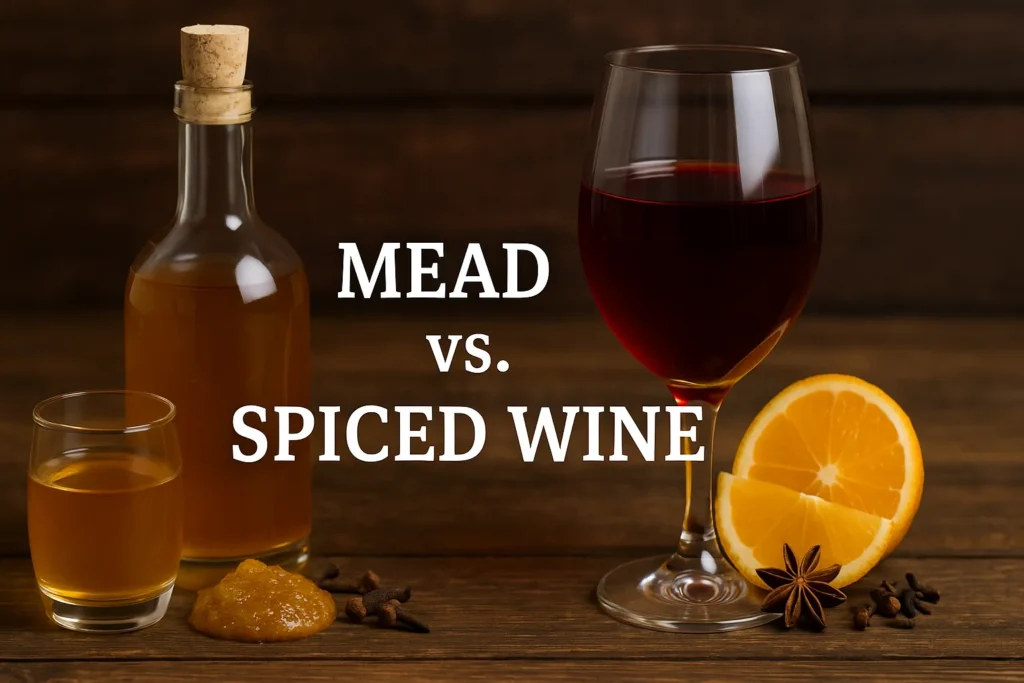
Understanding the brewing differences between mead vs spiced wine reveals fascinating distinctions in ingredients, fermentation processes, and flavor development. From honey-based fermentation to grape-driven techniques, these ancient beverages showcase unique approaches to creating complex, spiced alcoholic drinks.
The world of fermented beverages offers endless fascination, especially when comparing traditional drinks like mead and spiced wine. While both can incorporate aromatic spices and herbs, their fundamental brewing approaches differ dramatically in ingredients, fermentation techniques, temperature requirements, and aging processes. Understanding these mead spiced wine brewing differences helps both novice and experienced brewers appreciate the unique characteristics that make each beverage special.

The Foundation: Base Ingredients Define Everything
The most fundamental difference between mead and spiced wine lies in their primary fermentable ingredients. These base components dictate every subsequent brewing decision and ultimately determine the character of the finished product.
Mead: The Honey-Driven Approach
Mead is an alcoholic beverage made from fermenting honey while wine is made fermenting grapes. The defining characteristic of mead is that the majority of the beverage’s fermentable sugar is derived from honey. Modern mead production typically follows this basic formula:
- Primary Ingredient: Honey (must comprise at least 50% of fermentable sugars)
- Liquid Base: Water (spring water preferred for mineral content)
- Additional Elements: Fruits, spices, herbs, or botanicals
Mead is typically made solely from honey, water and yeast. The beer process requires boiling of grains, honey is only warmed to make mixing easier. This gentle approach preserves the delicate aromatics and complex flavor compounds found in quality honey.
The type of honey selected significantly impacts the final product. Clover honey produces light, floral meads, while buckwheat honey creates darker, earthier profiles. Raw honey contains wild yeasts and beneficial enzymes that contribute to fermentation complexity.
Spiced Wine: The Grape Foundation
Traditional spiced wine starts with fermented grape juice as its foundation. Wine is made from grape juice, while mead is created using fermented honey. Most grape wine is straightforward, made exclusively with wine grapes and sometimes blended before bottling for consistency.
The grape variety chosen for spiced wine affects both alcohol potential and flavor compatibility with spices:
- Red Wines: Cabernet Sauvignon, Merlot, Zinfandel provide robust bases for warming spices
- White Wines: Chardonnay, Sauvignon Blanc offer lighter profiles for delicate spice work
- Fortified Wines: Port and sherry styles handle intensive spicing better due to higher alcohol content
Quality spiced wine production begins with sound winemaking principles before spice integration occurs.
Fermentation Process Fundamentals Mead vs Spiced Wine
The brewing processes for mead and spiced wine diverge significantly, reflecting their different ingredient bases and traditional production methods.
Mead Fermentation: Simple Yet Sophisticated
The process for making mead is more similar to wine making than brewing beer. There’s no brewing (boiling) stage necessary in making mead. All of the fermentable sugar comes from the honey in mead, so you just mix honey with water (and whatever spices you want) and go directly to the fermenting stage.
Primary Fermentation Steps:
- Must Creation: Honey dissolved in warm (not boiling) water to preserve aromatics
- Nutrient Addition: Honey has very low acid levels and lacks nutrients. Add 8 grams of Diammonium Phosphate (“DAP”) yeast nutrient and 4 mg. of vitamin B1
- Yeast Pitching: Wine yeasts typically used for alcohol tolerance
- Active Fermentation: 60-75°F optimal temperature range
- Secondary Aging: Extended clarification and flavor development
Temperature Control Considerations:
Keep the fermenter in a cool location the fermentation temperature should be 68°-74°. The ideal temperature range is between 65° – 73°F. Temperature stability proves more critical in mead than spiced wine because honey fermentations are more sensitive to thermal fluctuations.
Spiced Wine Fermentation: Traditional Winemaking Plus
Spiced wine production follows conventional winemaking procedures with spice integration occurring at various stages. Although there are many different methods and variations involved in winemaking, there are seven essential steps that must be taken. These seven steps include harvesting, de-stemming, crushing, fermentation or maceration, malolactic fermentation, clarification, and bottling.
Primary Process Flow:
| Stage | Process | Spice Integration Options |
|---|---|---|
| Crushing | Grape processing | None typically |
| Primary Fermentation | Sugar-to-alcohol conversion | Early spice additions for extraction |
| Malolactic Fermentation | Acid conversion | Secondary spice additions |
| Aging | Flavor development | Oak barrel spicing, herb sachets |
| Finishing | Final adjustments | Fresh spice additions, essential oils |
Spice Addition Timing:
Some spices you add during early/active fermentation and others do better as the wine is slowing down or even bulk aging. A little bit of spice goes a long way. Professional spiced wine makers often split additions between fermentation and aging phases for optimal extraction and integration.
Temperature Management and Timing
Temperature control requirements differ significantly between mead and spiced wine production, affecting both fermentation success and spice extraction efficiency.
Mead Temperature Sensitivity
Yeast has a favorite temperature range between 60°F and 75°F (15°C to 24°C). Too cold? The yeast slows to a crawl. Too hot? You’ll risk burning them out before they finish their job. If you keep your fermentations temps in the lower 60s you may get better results.
Mead’s temperature sensitivity stems from several factors:
- Honey Composition: Complex sugars require steady conditions for complete fermentation
- Nutrient Limitations: Temperature stress exacerbates nutrient deficiencies
- Aromatic Preservation: Heat drives off delicate honey aromatics
- Alcohol Tolerance: Temperature affects yeast’s ability to handle increasing alcohol levels
Optimal Mead Temperature Ranges:
- Primary Fermentation: 65-70°F
- Secondary Aging: 60-65°F
- Spice Extraction: 68-72°F for maximum essential oil extraction
Spiced Wine Temperature Flexibility
Wine fermentation generally tolerates broader temperature ranges than mead, particularly when spices are involved. Grape-based fermentations show more resilience to temperature variations due to:
- Higher nutrient content in grape juice
- Natural acid balance supporting yeast health
- Traditional winemaking experience with temperature management
Spiced Wine Temperature Guidelines:
- Red Wine Fermentation: 75-85°F (higher temperatures enhance spice extraction)
- White Wine Fermentation: 65-75°F (preserves delicate flavors)
- Spice Extraction Phase: 160-180°F for mulled wine applications
Alcohol Content and Strength Differences
The alcohol potential and final strength of mead versus spiced wine vary considerably based on their different sugar sources and fermentation capabilities.
Mead Alcohol Ranges
With an alcohol by volume range that leaps from 3.5% to 20% and beyond, mead embraces diversity. BJCP guidelines break up mead into three categories based on alcohol content: hydromel (3.5-7.5%), standard (7.5-14%), and sack (14-18%).
Mead Classification by Strength:
| Category | ABV Range | Characteristics | Brewing Considerations |
|---|---|---|---|
| Hydromel | 3.5-7.5% | Session-strength, light | Low honey ratios, minimal nutrients |
| Standard | 7.5-14% | Traditional strength | Balanced honey-to-water ratios |
| Sack | 14-18% | High-alcohol, dessert-like | Step-feeding techniques required |
| Imperial | 18%+ | Specialty, port-like | Advanced yeast management |
Mead also has a higher alcohol content than most beers (8 – 20%, which is more similar to wine, or even brandy). This elevated alcohol potential makes mead an excellent candidate for spice integration, as alcohol serves as an efficient extraction medium for essential oils and flavor compounds.
Spiced Wine Alcohol Content
Traditional wine alcohol levels typically range from 11-15% ABV, with fortified versions reaching 20%+. Spiced wines often fall within these parameters:
- Table Spiced Wines: 11-14% ABV
- Dessert Spiced Wines: 15-18% ABV
- Fortified Spiced Wines: 18-20% ABV
The advantage of working with grape-based fermentations lies in their predictable alcohol development and the natural balance between sweetness, acidity, and alcohol that supports spice integration.
Spice Integration Techniques and Timing
The methods for incorporating spices into mead versus wine reflect their different fermentation characteristics and traditional approaches.
Mead Spicing Strategies
Traditional mead spicing, known as metheglin production, typically occurs during primary fermentation for maximum integration. A fairly wide range of herbs and spices were used by the Vikings in their meads – including juniper, cumin, chamomile, ginger, apple, grains of paradise, and lingonberry juice.
Primary Spicing Approach:
- Spice Selection: Whole spices preferred over ground for easier removal
- Timing: Add during must creation for maximum extraction
- Containment: Muslin bags or mesh containers for easy retrieval
- Duration: Throughout primary fermentation (2-4 weeks)
Common Mead Spice Combinations:
- Traditional Nordic: Juniper berries, cardamom, meadowsweet, yarrow
- Holiday Blend: Cinnamon, cloves, allspice, orange peel
- Herbal Complex: Lavender, rosemary, thyme, lemon balm
Modern homebrewing techniques often incorporate staggered spice additions, adding base spices during primary fermentation and finishing spices during secondary aging.
Spiced Wine Integration Methods
Wine spicing offers multiple integration points throughout the production process, allowing for greater control over spice intensity and character development.
Multi-Stage Spicing Protocol:
I prefer to work from the back of the process to the front. What’s the absolute latest in the process I can add something? That’s when I want to do it. Adding it post-fermentation means that I can taste what I’m adding, taste the wine I’m adding it to, and balance my flavors directly.
Fermentation Stage Spicing:
- Robust spices (cinnamon bark, cloves) during active fermentation
- 7-14 day contact time for proper extraction
- Natural alcohol production aids spice dissolution
Aging Stage Spicing:
- Delicate herbs and aromatics during secondary aging
- 30-90 day contact periods for complex development
- Temperature-controlled extraction at 60-65°F
Finishing Stage Spicing:
- Essential oils and extracts for precise flavor control
- Fresh herb additions for aromatic complexity
- Tincture blending for exact spice balance
Equipment and Technical Requirements
The equipment needs for mead and spiced wine production differ based on their processing requirements and traditional methods.
Mead Production Equipment
Mead brewing requires minimal specialized equipment but benefits from specific tools for honey handling and long-term aging:
Essential Equipment:
- Primary Fermenter: 6-8 gallon food-grade plastic or glass
- Secondary Vessels: Glass carboys for clarity observation
- Hydrometers: For tracking fermentation progress
- Spice Bags: Muslin or nylon mesh for spice containment
- Racking Equipment: Siphons for clear transfers
Specialized Mead Tools:
- Honey Warming Equipment: For easy honey incorporation
- Degassing Tools: For CO2 release during active fermentation
- Acid Testing Kits: For pH balance monitoring
Spiced Wine Equipment Needs
Spiced wine production utilizes traditional winemaking equipment with additions for spice processing:
Standard Winemaking Gear:
- Crushers/Destemmers: For grape processing
- Press Equipment: For juice extraction
- Fermentation Tanks: Temperature-controlled stainless steel preferred
- Oak Barrels: For traditional aging and spice integration
Spice-Specific Additions:
- Spice Grinders: For controlled particle size
- Infusion Vessels: For controlled spice extraction
- Filtration Systems: For spice particle removal
- Dosing Equipment: For precise spice addition
Professional spiced wine operations often use stainless steel fermentation equipment for precise temperature control during spice extraction phases.
Aging and Maturation Differences
The aging requirements and maturation timelines for mead versus spiced wine reflect their different flavor development patterns and structural characteristics.
Mead Aging Complexity
Mead takes a long time to mature and there is a stark difference between a mead aged for 6 months and one aged for 2 years. Young mead often will taste very hot and unpleasant and will only get better with time.
Mead Aging Timeline:
| Time Period | Development | Spice Integration |
|---|---|---|
| 0-3 months | Primary clarification | Harsh spice notes dominant |
| 3-6 months | Alcohol integration | Spice mellowing begins |
| 6-12 months | Flavor marriage | Balanced spice character |
| 1-2 years | Full maturation | Complex spice harmony |
| 2+ years | Premium development | Subtle, sophisticated spicing |
Factors Affecting Mead Aging:
- Alcohol Content: Higher ABV requires longer aging
- Spice Intensity: Strong spices need time to integrate
- Honey Character: Darker honeys age more slowly
- Acidity Levels: Proper acid balance accelerates maturation
Spiced Wine Maturation
Spiced wine aging follows traditional wine maturation patterns but with additional considerations for spice integration and development.
Spice Wine Aging Considerations:
- Tannin Development: Oak aging enhances spice complexity
- Acid Integration: Malolactic fermentation affects spice perception
- Sediment Management: Spice particles require careful handling
- Flavor Evolution: Spices continue developing during bottle aging
Optimal Spiced Wine Aging:
- Light Spiced Whites: 6-18 months
- Medium Spiced Reds: 1-3 years
- Heavy Spiced Dessert Wines: 2-5 years
- Traditional Mulled Wines: Consumed within 1 year
Flavor Profile Development and Characteristics
The flavor development patterns in mead versus spiced wine showcase how different base ingredients interact with spices throughout fermentation and aging.
Mead Flavor Evolution
Mead offers a diverse array of flavors that are as varied as the honeys and additional ingredients used in its fermentation: Floral Notes, Spicy Undertones, Fruity Flavors, and Herbal Accents.
Honey-Spice Interactions:
The natural complexity of honey provides an excellent foundation for spice integration. Unlike the straightforward sugar profile of grapes, honey contains:
- Amino Acids: Interact with spice compounds during fermentation
- Minerals: Catalyze spice extraction and integration
- Enzymes: Modify spice compounds over time
- Aromatics: Complement or contrast with spice character
Common Mead-Spice Flavor Profiles:
- Floral-Herb Combinations: Orange blossom honey with lavender and chamomile
- Earth-Spice Blends: Buckwheat honey with cinnamon and cloves
- Fruit-Spice Marriages: Wildflower honey with apple and warming spices
Spiced Wine Flavor Development
Wine flavors come mainly from the type of grape used and the winemaking process. Red wines often have richer and deeper flavors, while white wines are usually lighter and crisper.
Grape-Spice Synergies:
Different grape varieties provide distinct platforms for spice expression:
Red Wine Spice Combinations:
- Cabernet Sauvignon: Bold spices like black pepper, star anise
- Pinot Noir: Delicate spices such as white pepper, cardamom
- Zinfandel: Warming spices including cinnamon, allspice
White Wine Spice Applications:
- Chardonnay: Vanilla, nutmeg, subtle oak spicing
- Riesling: Ginger, lemongrass, Asian spice blends
- Gewürztraminer: Rose petals, exotic spice combinations
Modern Innovations and Techniques
Contemporary mead and spiced wine production incorporates modern brewing science while respecting traditional methods, leading to improved consistency and expanded flavor possibilities.
Advanced Mead Techniques
Modern meadmaking embraces scientific approaches to traditional challenges:
Staggered Nutrient Additions (SNA): The technique of providing nutrients in increments is popularly known as staggered nutrient additions (SNA). The process consists of nutrient doses with periods of off-gassing in between. This technique improves fermentation health and reduces off-flavors that can mask delicate spice character.
Controlled Spice Extraction:
- Spice Tinctures: Alcohol-based extractions for precise dosing
- Essential Oil Integration: Controlled aromatic additions
- Cold Extraction: Long-term spice contact without heat degradation
Temperature Ramping: Mead may benefit from a higher primary fermentation temperature (70-84 or so), but it would probably be good to allow it to sit at a lower temperature (54-68 or so) once the more vigorous activity has stopped.
Contemporary Spiced Wine Innovation
Modern spiced wine production benefits from advances in both winemaking and spice processing:
Precision Spice Dosing:
- Analytical Testing: Gas chromatography for spice compound analysis
- Micro-dosing: Precise essential oil additions measured in parts per million
- Blend Optimization: Computer modeling for spice combination development
Advanced Extraction Methods:
- Ultrasonic Extraction: Enhanced spice compound release
- Supercritical CO2: Clean spice extractions without alcohol
- Enzyme-Assisted Extraction: Improved spice availability
Troubleshooting Common Issues
Both mead and spiced wine production present unique challenges that require different approaches and solutions.
Mead-Specific Problems
Stuck Fermentation: Fermenting a honey must without nutrients usually produces a protracted slow fermentation. Undernourished yeast may produce sulfur odors, and in a highly clarified must, more acetic acid.
Solutions:
- Increase nutrient additions using proper SNA protocols
- Check temperature consistency and adjust if needed
- Consider yeast strain tolerance for current alcohol level
Harsh Spice Character: Young meads often display aggressive spice notes that require aging to integrate properly.
Management strategies:
- Reduce spice quantities in future batches
- Blend with neutral mead to balance intensity
- Extended aging to allow natural integration
Off-Flavors: Fermenting too warm encourages yeast to produce byproducts like esters and fusel alcohols. Instead of a smooth mead, you might end up with one that tastes “hot” or sharp.
Spiced Wine Challenges
Spice Precipitation: Spice particles can create clarity issues and affect mouthfeel.
Solutions:
- Proper filtration after spice contact
- Bentonite fining for protein removal
- Cold stabilization to encourage settling
Over-Extraction: Excessive spice contact can lead to harsh, medicinal flavors.
Prevention:
- Taste testing during extraction periods
- Controlled contact time protocols
- Professional spice dosing guidelines
Commercial Production Considerations
The commercial production of mead versus spiced wine involves different regulatory, market, and production scale considerations.
Regulatory Environment
There’s a lot of legal gray area, as most if not all states have different laws governing breweries and wineries. Mead is really something different than both, but most meaderies choose to identify as wineries.
Licensing Requirements:
- Mead Operations: Usually classified under winery licenses
- Spiced Wine Production: Traditional winery regulations apply
- TTB Approval: Formula approvals required for both categories
Labeling Considerations:
- Mead: Must specify honey as primary fermentable
- Spiced Wine: Requires ingredient disclosure for added spices
- Alcohol Content: Both must display accurate ABV information
Market Positioning
Consumer Education: Reports from the American Mead Makers Association (AMMA) indicate that on average, a meadery opens in the US every 3 days, signalling the beginnings of a potential new trend in craft mead production.
Target Demographics:
- Mead: Craft beverage enthusiasts, historical interest groups
- Spiced Wine: Traditional wine consumers, seasonal drinkers
- Crossover Appeal: Both categories attract artisanal beverage seekers
Cost Analysis and Production Economics
Understanding the economic differences between mead and spiced wine production helps inform both commercial and hobbyist brewing decisions.
Mead Production Costs
Raw Material Expenses:
- Honey: $3-8 per pound depending on variety and source
- Spices: Premium whole spices cost significantly more than ground
- Yeast and Nutrients: Specialized wine yeasts and nutrient blends
Production Economics:
- Higher raw material costs offset by simpler equipment needs
- Longer aging requirements increase carrying costs
- Lower yields per batch compared to grape wine
Spiced Wine Cost Structure
Grape Sourcing:
- Juice Costs: $1-3 per pound depending on variety and vintage
- Processing Fees: Crushing, pressing, and testing services
- Spice Premium: Quality spices add 10-25% to production costs
Economies of Scale:
- Better suited to large-scale production
- Established supply chains reduce ingredient costs
- Shorter aging cycles improve cash flow
Quality Control and Testing
Professional production of both mead and spiced wine requires comprehensive quality control protocols tailored to each beverage type.
Mead Quality Metrics
Chemical Analysis:
- Sugar Content: Brix testing throughout fermentation
- Alcohol Measurement: Accurate ABV determination for legal compliance
- Acid Levels: pH and titratable acidity for balance
- Spice Compound Analysis: Essential oil quantification when required
Sensory Evaluation:
- Honey Character: Evaluation of primary honey aromatics
- Spice Integration: Balance assessment throughout aging
- Off-Flavor Detection: Identification of fermentation defects
Spiced Wine Quality Standards
Traditional Wine Analysis:
- Standard Wine Chemistry: pH, TA, alcohol, residual sugar
- Malolactic Completion: For wines undergoing secondary fermentation
- Microbiological Stability: Ensuring absence of spoilage organisms
Spice-Specific Testing:
- Extraction Efficiency: Measuring spice compound levels
- Stability Testing: Ensuring spice integration over time
- Sensory Panel Evaluation: Professional taste assessment
Future Trends and Innovations
The future of mead and spiced wine production continues evolving with new techniques, ingredients, and consumer preferences driving innovation.
Emerging Mead Trends
Hybrid Styles:
- Session Meads: Lower alcohol versions targeting beer drinkers
- Hopped Meads: IPA-inspired honey wines with hop character
- Barrel-Aged Expressions: Premium aged meads with wood integration
Sustainable Practices:
- Local Sourcing: Emphasizing regional honey and botanical ingredients
- Organic Certification: Meeting growing demand for organic options
- Carbon Neutral Production: Environmental sustainability focus
Spiced Wine Evolution
Modern Flavor Profiles:
- Global Spice Influences: Asian, African, and Latin American spicing
- Molecular Gastronomy: Scientific approaches to spice integration
- Health-Focused Additions: Functional spices with wellness benefits
Technology Integration:
- Precision Fermentation: AI-controlled temperature and spice dosing
- Predictive Modeling: Computer optimization of spice combinations
- Blockchain Tracking: Supply chain transparency for premium products
Choosing Your Path
The fundamental differences between mead and spiced wine brewing reflect thousands of years of distinct evolution in fermented beverage production. While both categories offer excellent platforms for spice integration and creative expression, their unique characteristics demand different approaches to achieve optimal results.
Mead advantages include simple ingredient lists, unique honey character, and tremendous flexibility in alcohol content and sweetness levels. The longer aging requirements and higher raw material costs represent challenges offset by the distinctive character and artisanal appeal of quality honey wines.
Spiced wine benefits from established winemaking infrastructure, predictable fermentation behavior, and broader consumer familiarity. The complexity of grape processing and traditional wine production techniques may seem daunting but offer proven pathways to consistent quality.
For aspiring brewers, the choice between mead and spiced wine often comes down to personal preference, available resources, and target market considerations. Both categories reward careful attention to technique, quality ingredients, and patience during the aging process.
Whether crafting traditional metheglin with medieval spice combinations or developing modern spiced wine expressions with global influences, success depends on understanding and respecting the fundamental brewing differences that make each beverage category unique. The future holds exciting possibilities for both mead and spiced wine as consumer interest in artisanal, locally-produced beverages continues growing.
The journey of mastering these ancient arts offers rewards far beyond the final product – connecting modern brewers with historical traditions while pushing the boundaries of flavor innovation and brewing excellence.
About the Author:
John Brewster is a passionate homebrewer with over a decade of experience experimenting with different beer styles. After working at three craft breweries and winning several regional homebrew competitions, John now dedicates his time to developing innovative recipes and teaching brewing techniques. His specialty lies in creating unique flavor profiles by combining traditional brewing methods with unexpected ingredients. When not tending to his five fermenters, John enjoys pairing his creations with artisanal cheeses and hosting tasting sessions for friends and family. You can reach John at john.brewster@brewmybeer.online