

The West Coast Pilsner (WCP) represents a modern fusion of classic lager crispness with aggressive, aromatic hop profiles typically found in West Coast IPAs. This guide details the technical specifications, ingredient selections, precise process controls, and nuanced sensory targets required to master this evolving, hop-forward lager style. Achieve maximal hop expression without sacrificing lager integrity.
Technical Parameters: West Coast Pilsner
| Parameter/Component | Target Range/Type | Rationale | Impact on WCP | Notes/Considerations |
|---|---|---|---|---|
| Original Gravity (OG) | 1.048 – 1.056 | Sufficient fermentable sugars for moderate alcohol and body. | Provides a clean, medium-light body that supports hop character. | Higher OG can lead to increased sweetness or alcohol heat if attenuated improperly. |
| Final Gravity (FG) | 1.008 – 1.012 | Ensures high attenuation, leading to a dry, crisp finish. | Crucial for the “West Coast” crispness and drinkability; accentuates hop bitterness. | Excessively high FG can contribute to undesirable sweetness and malty notes. |
| International Bitterness Units (IBU) | 30 – 50 | Provides a firm, perceived bitterness that balances malt sweetness, but allows late hop character to shine. | Supports the “hop-forward” aspect without becoming excessively harsh. | Focus on late-addition/whirlpool bitterness for smoother integration. |
| Standard Reference Method (SRM) | 2 – 4 | Utilizes pale malts for a brilliant, straw-to-light-gold appearance. | Emphasizes the clean, bright lager character and contrasts with hop haze. | Avoid darker crystal malts to maintain color purity and crispness. |
| Alcohol by Volume (ABV) | 5.0% – 6.5% | Medium alcohol content, contributing to drinkability and hop solvent properties. | Balances perceived bitterness and hop flavor without being overly warming. | Higher ABV can mask delicate hop nuances and increase body. |
| Water Profile | Low Residual Alkalinity; Balanced Cl/SO4 (1:1 to 1:2 SO4 focus) | Minimizes mash pH issues; Sulfate enhances hop bitterness and dryness. | Accentuates hop character and promotes a crisp finish. | Target mash pH 5.2-5.4. Excessive sulfate can lead to harshness. |
| Malt Bill | 90-95% Pilsner, 5-10% Flaked Rice/Corn, optional small amount Vienna/Carafoam | Pilsner malt for clean base; adjuncts for extreme dryness and lightness; minimal specialty malt for head retention. | Establishes a lean, clean canvas for hop expression; prevents cloying sweetness. | Quality German or Bohemian Pilsner malt is paramount for authentic character. |
| Hop Schedule | Minimal bittering charge, massive whirlpool (2-4 lbs/bbl), aggressive dry hopping (3-6 lbs/bbl, potentially split) | Maximizes hop aroma and flavor; minimizes harsh alpha acid extraction. | Defines the “West Coast” character through intense citrus, pine, tropical, or stone fruit notes. | Utilize high-alpha, aromatic varietals (Citra, Mosaic, Simcoe, Centennial, Chinook). |
| Yeast Strain | Clean Lager Strain (e.g., WLP830, WLP838, Wyeast 2007, Saflager W-34/70) | Ensures a clean, sulfur-free fermentation profile with high attenuation. | Prevents ester or fusel alcohol production that could clash with hop character. | Proper pitching rate and temperature control are critical to avoid off-flavors. |
| Fermentation Temperature | 9-13°C (48-55°F) primary; rise to 18°C (64°F) for diacetyl rest | Low and slow for clean lager profile; diacetyl rest for full diacetyl clean-up. | Ensures minimal undesirable yeast byproducts; promotes crispness. | Monitor gravity closely; diacetyl rest duration depends on yeast and gravity drop. |
| Lagering Time | 3-6 weeks minimum at 0-2°C (32-35°F) | Allows yeast to flocculate, flavors to meld, and beer to clarify. | Essential for classic lager smoothness, crispness, and brilliant clarity. | Longer lagering can further refine the profile and reduce potential sulfur notes. |
Hop Bitterness (IBU) Calculation Example
For a 5-gallon (19L) batch targeting 40 IBU with a specific hop schedule, we must account for boil time, hop alpha acid percentage (AA%), and wort specific gravity.
General Formula (Simplified Tinseth):
IBU = (Hop Weight (oz) * AA% * Utilization %) / (Batch Volume (gallons) * 1.34)
Example Hop Schedule:
- 0.5 oz Magnum @ 60 min (14% AA)
- 1.0 oz Citra @ 10 min (12% AA)
- 2.0 oz Mosaic @ Whirlpool (0 min steep, 12.5% AA)
Assumed Utilization Rates (approximate for typical homebrew setup):
- 60 min boil: 25%
- 10 min boil: 10%
- Whirlpool (0 min/steep): 5% (actual bittering, flavor/aroma significantly higher)
Calculations:
1. Magnum (60 min):
(0.5 oz * 14% * 25%) / (5 gal * 1.34) = (0.5 * 0.14 * 0.25) / 6.7 = 0.0175 / 6.7 ≈ 2.6 IBU
2. Citra (10 min):
(1.0 oz * 12% * 10%) / (5 gal * 1.34) = (1.0 * 0.12 * 0.10) / 6.7 = 0.012 / 6.7 ≈ 1.8 IBU
3. Mosaic (Whirlpool – for bittering contribution):
(2.0 oz * 12.5% * 5%) / (5 gal * 1.34) = (2.0 * 0.125 * 0.05) / 6.7 = 0.0125 / 6.7 ≈ 1.9 IBU
Total Estimated Bitterness from Boil/Whirlpool Additions:
2.6 + 1.8 + 1.9 = 6.3 IBU
Note: This calculation specifically addresses bittering units. The majority of the perceived “bitterness” and hop character in a West Coast Pilsner comes from massive late kettle and dry hop additions contributing flavor and aroma compounds. To achieve a higher target IBU, a larger 60-minute addition or a dedicated bittering hop at the start of the boil would be necessary. This example demonstrates how to calculate the bittering impact of a schedule designed for aroma/flavor primacy.
The West Coast Pilsner: A Master Brewmaster’s Definitive Guide
Introduction to the Hop-Forward Lager Renaissance
The West Coast Pilsner (WCP) is not merely a hopped-up lager; it is a meticulously engineered bridge between the pristine clarity and delicate nuances of traditional German Pilsner and the bold, aromatic exuberance of West Coast IPAs. Born from a desire to combine the ultimate drinkability of a lager with the sensory fireworks of modern American hops, the WCP represents a technical challenge and a rewarding achievement for the discerning brewer. This style demands an understanding of both classic lager brewing principles and advanced hop utilization techniques. The goal is to produce a beer that is brilliantly clear, aggressively aromatic, dry, crisp, and utterly devoid of the esters, diacetyl, or solvent notes that would betray its lager heritage or overwhelm its hop character. It is a testament to precision, demanding exacting control at every stage of the brewing process.
Water Chemistry: The Foundation of Purity and Hop Expression
Water is the silent partner in every great beer, and for a West Coast Pilsner, its composition is paramount. We are building a lean, clean canvas for the hops, and inappropriate water chemistry can quickly muddy the waters, literally and figuratively. The ideal water profile for a WCP begins with low residual alkalinity. High residual alkalinity buffers the mash pH too high, leading to poor enzyme activity, increased tannin extraction, and a harsher, less refined hop character. Aim for a mash pH between 5.2 and 5.4, which can often be achieved through lactic acid or phosphoric acid additions, particularly with reverse osmosis (RO) water or heavily diluted tap water. Consulting resources on proper water treatment, such as those available at BrewMyBeer.online, is critical.
Beyond pH, the ion profile is crucial. Sulfate (SO4) plays a vital role in enhancing hop bitterness perception and promoting a drier, crisper finish. A sulfate-to-chloride (SO4:Cl) ratio ranging from 1:1 to 2:1, favoring sulfate, is generally desirable. However, excessive sulfate can lead to a harsh, chalky bitterness. Calcium (Ca) is important for enzyme function, yeast health, and protein coagulation; target 50-100 ppm. Magnesium (Mg) in low amounts (5-15 ppm) supports enzyme function, while sodium (Na) should be kept below 50 ppm to prevent unwanted salinity. Avoid high levels of bicarbonate (HCO3) which contribute to residual alkalinity. A typical target profile might look like: Ca: 60-80 ppm, Mg: 5-10 ppm, Na: <30 ppm, SO4: 80-150 ppm, Cl: 40-70 ppm, HCO3: <50 ppm. Precise water adjustments, measured by a professional lab analysis of your source water, are non-negotiable for consistency and quality.
Malt Bill: The Unassuming Backbone
The malt bill for a West Coast Pilsner is intentionally minimalistic, designed to be a transparent vehicle for hop character, not a contributor of significant malt flavor or color. The base malt should comprise 90-95% of the grist, utilizing premium Pilsner malt. German or Bohemian Pilsner malts are preferred for their clean, slightly sweet, crackery profile and excellent extract efficiency. Their lower protein content also aids in achieving brilliant clarity. Avoid highly modified or colored malts that would introduce bready, caramelly, or biscuity notes which are antithetical to the style.
To further enhance dryness and crispness, the addition of flaked adjuncts like rice or corn is highly recommended, making up 5-10% of the grist. These adjuncts contribute fermentable sugars without adding significant body or flavor, driving down the final gravity and lightening the mouthfeel. A minimal amount (1-2%) of a very light specialty malt such as Carafoam or Carapils can be considered for head retention, but it must be used judiciously to avoid any contribution of unfermentable dextrins that would detract from the dry finish. The goal is complete fermentability, resulting in a beer with minimal residual sugar and a truly crisp snap on the palate.
Hops: The Star of the Show
This is where the “West Coast” in West Coast Pilsner truly shines. The hop selection and scheduling are critical to defining the style. Modern, aromatic American hop varietals are central to the WCP’s identity, providing intense notes of citrus, tropical fruit, pine, and sometimes dankness, without the earthy or spicy character of noble hops dominating. While some brewers may include a small charge of traditional noble hops (e.g., Saaz, Tettnang) for a subtle floral complexity, the vast majority of hop character must come from American or New World varietals.
Hop Varietals: Focus on the classic “C” hops (Centennial, Cascade, Chinook, Columbus) alongside modern favorites like Citra, Mosaic, Simcoe, Galaxy, Nelson Sauvin, and Idaho 7. These hops are renowned for their high oil content and vibrant aromatic profiles. Cashmere, Strata, and Azacca are also excellent choices for adding unique fruit and berry notes.
Hop Scheduling: The approach to hopping is distinctly West Coast IPA-inspired, emphasizing late additions and dry hopping to maximize aroma and flavor while minimizing harsh bitterness.
- Bittering: A small, clean bittering addition early in the boil (e.g., Magnum, Warrior) is acceptable to achieve the target IBU range (30-50). However, the preference is to derive much of the perceived bitterness from massive whirlpool additions, as this method extracts more desirable aromatics and a smoother bitterness profile. Aim for a balanced IBU, firm but not aggressively sharp.
- Whirlpool/Flameout: This is a critical stage. Hops added at flameout or during a whirlpool stand contribute significant flavor and aroma compounds without extracting excessive alpha acids. Employ a large charge here, typically 2-4 lbs/bbl (75-150 g/20L), steeped for 20-30 minutes at temperatures between 80-90°C (175-195°F). This temperature range optimizes the extraction of desirable hop oils while minimizing isomerization of alpha acids into bittering compounds, which would be harsher. Consider hop products like Cryo Hops or Incognito for enhanced impact and reduced trub.
- Dry Hopping: Aggressive dry hopping is the hallmark of the WCP. Add 3-6 lbs/bbl (110-225 g/20L), often split into two charges. The first dry hop addition can occur during active fermentation (biotransformation dry hopping) or just as fermentation activity subsides. Biotransformation, where yeast enzymes modify hop compounds, can lead to new and complex aromatic compounds. However, excessive dry hopping during peak fermentation can lead to yeast stress and off-flavors. A more common approach is to add the first dry hop charge towards the end of primary fermentation, during the diacetyl rest, for 3-5 days. A second charge, often larger, can be added post-fermentation, during lagering, for another 3-7 days. Maintaining cold temperatures during this second dry hop period can help retain volatile hop compounds and minimize grassy flavors. For best practices in dry hopping, consult resources from the Brewers Association.
Minimizing oxygen exposure during dry hopping and packaging is absolutely critical for hop-forward lagers. Oxygen rapidly degrades delicate hop compounds, leading to “hop creep” (referring to refermentation from hop enzymes) and the dreaded “wet cardboard” or “catty” off-flavors associated with oxidation. Employ closed transfer techniques, purge vessels with CO2, and ensure low dissolved oxygen (DO) levels throughout the cold side process.
Yeast and Fermentation: The Clean Imperative
For a West Coast Pilsner, the choice of yeast and strict control over fermentation are non-negotiable. A clean, highly attenuative lager strain is essential. Popular choices include WLP830 (German Lager), WLP838 (Southern German Lager), Wyeast 2007 (Pilsen Lager), or Saflager W-34/70. These strains are known for producing minimal esters and fusel alcohols, allowing the malt and hop characters to dominate.
Pitching Rate: Lager fermentations demand a significantly higher pitching rate than ales. Target 1.5-2 million cells/mL/°P. This high pitching rate ensures a healthy, rapid start to fermentation, minimizes lag phase, and reduces the production of off-flavors. Underpitching can lead to sluggish fermentation, increased ester production, and higher levels of diacetyl.
Temperature Control: This is arguably the most critical aspect of lager brewing. Ferment at the cooler end of the yeast’s recommended range, typically 9-13°C (48-55°F). Consistent temperature control is vital; even minor fluctuations can stress the yeast and result in off-flavors. Allow the fermentation to progress slowly and steadily. As terminal gravity approaches (usually 2-4 points above final gravity), raise the temperature to 18°C (64°F) for a diacetyl rest. This warmer temperature encourages the yeast to reabsorb and metabolize diacetyl (a buttery off-flavor) and its precursor, alpha-acetolactate. The diacetyl rest should typically last 2-5 days, or until a forced diacetyl test confirms its absence. After the diacetyl rest, slowly crash cool the beer to lagering temperatures.
Lagering: The Art of Maturation and Refinement
Lagering, the cold conditioning phase, is fundamental to any Pilsner, including its West Coast iteration. Following the diacetyl rest, slowly reduce the temperature to 0-2°C (32-35°F). A slow drop helps the yeast settle out gently and minimizes the shock that could lead to autolysis. Lagering serves several crucial purposes:
- Clarity: Cold temperatures facilitate the flocculation and sedimentation of yeast, proteins, and hop particulate, leading to the characteristic brilliant clarity of a Pilsner.
- Flavor Maturation: During lagering, remaining yeast activity cleans up any residual undesirable compounds, sulfur notes dissipate, and the flavors meld and smooth out. The harsh edges of fresh bitterness soften, integrating seamlessly with the hop aromatics.
- Stability: Lagering contributes to the overall stability of the beer, both in terms of flavor and colloidal stability (haze).
A minimum lagering period of 3-6 weeks is recommended, but longer periods (up to 8 weeks or more) will often yield a superior, more refined product. Patience is a virtue in lager brewing. Throughout lagering, maintain low dissolved oxygen levels, as hop character is especially susceptible to oxidation during this extended cold contact. Brewers seeking advanced insights into lagering and quality control should consult the Homebrewers Association resources.
Finishing and Packaging: Preservation of Perfection
After lagering, the West Coast Pilsner requires careful finishing and packaging to preserve its delicate hop aromatics and crisp character.
- Filtration (Optional, but Common): Many brewers opt for filtration (plate and frame, lenticular, or membrane) to achieve absolute brilliance and remove remaining yeast and hop particulate. While not strictly required, it aids in presenting a visually stunning product consistent with the style’s clarity expectations. If filtering, ensure ultra-low oxygen pickup during the process.
- Carbonation: Target a carbonation level of 2.5-2.7 volumes of CO2. This level enhances the crisp mouthfeel and helps to lift the delicate hop aromatics to the nose. Force carbonation is preferred for lagers, offering precise control.
- Packaging: Whether kegging or bottling, oxygen ingress is the enemy. Employ counter-pressure filling techniques for bottles and ensure kegs are thoroughly purged with CO2. High-quality crown caps and proper sealing are essential for bottled product. The rapid degradation of hop aromatics due to oxygen is a significant concern for hop-forward lagers, making meticulous packaging critical for shelf stability and consumer enjoyment.
Sensory Analysis: The Desired Profile
A perfectly executed West Coast Pilsner offers a captivating sensory experience:
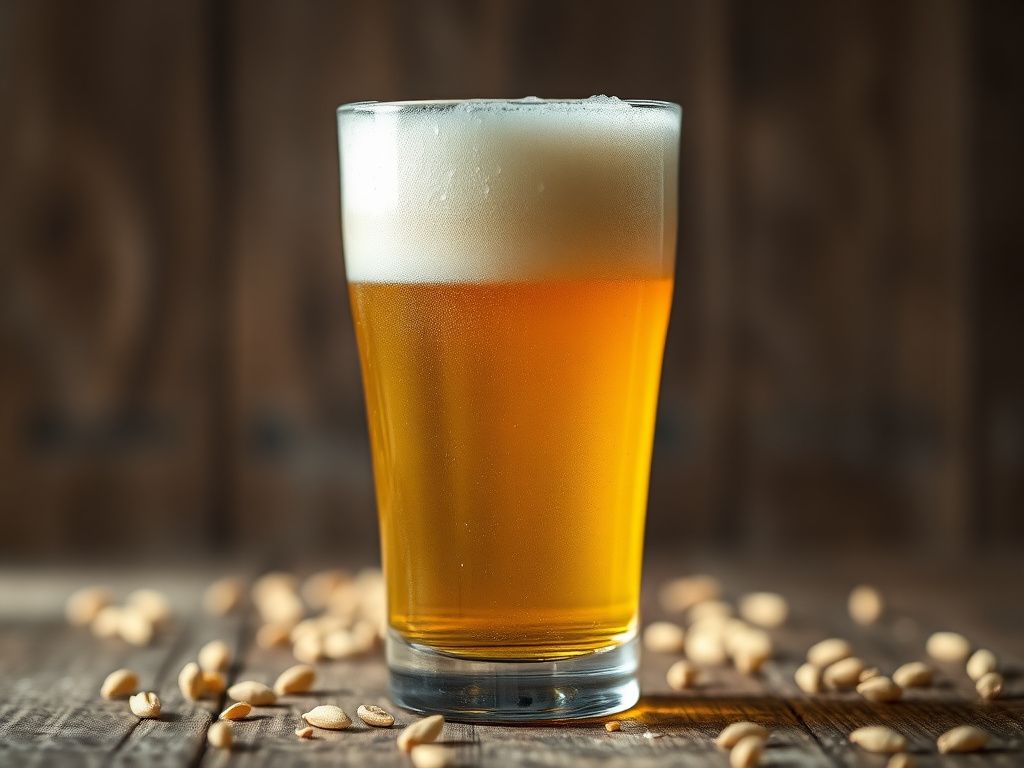
- Appearance: Brilliant clarity, pale straw to light gold color, with a persistent, dense white head.
- Aroma: Dominant, complex hop aroma with notes of citrus (grapefruit, orange, lemon), tropical fruit (passionfruit, mango, pineapple), pine, and sometimes a subtle dank character. There should be no discernable yeast esters, diacetyl, or solventy notes. A very faint, clean sulfur note is acceptable for some lager strains, but it should not be prominent.
- Flavor: Clean, crisp malt base with a prominent hop flavor that mirrors the aroma. Hop bitterness is firm but smooth, balanced by the dry finish. No cloying sweetness, bready malt character, or off-flavors. The finish should be exceptionally dry and refreshing, inviting another sip.
- Mouthfeel: Light to medium-light body. High carbonation contributes to a spritzy, effervescent mouthfeel. Crisp, clean, and refreshing with no astringency or harshness.
Understanding these sensory targets, detailed further in resources such as the BJCP Style Guidelines for similar lager and hop-forward styles, is key to evaluating and refining your WCP.
Troubleshooting Common Issues
- Haze: Often caused by insufficient lagering time, protein-polyphenol haze (from hot or cold side aeration, or excess dry hopping), or chill haze (insufficient cold conditioning). Ensure proper cold break formation, adequate lagering, and minimize oxygen.
- Diacetyl: Indicates an incomplete diacetyl rest. Extend the rest period, ensuring proper temperature. Underpitching or sudden temperature drops during fermentation can also contribute.
- Oxidation (Cardboard/Papery/Sherry notes): The most pervasive enemy of hop-forward beers. Minimize all oxygen exposure from knockout through packaging. Use oxygen-scavenging caps and ensure inert gas purges.
- Insufficient Hop Aroma/Flavor: Re-evaluate hop charges (increase whirlpool and dry hop amounts), consider hop varietals, and ensure optimal dry hop contact time and temperature. Check for oxidation during transfers and packaging.
- Harsh Bitterness: Could be due to excessive bittering additions, high sulfate levels in water, or boil additions that were meant for aroma/flavor. Adjust hop schedule and water profile.
Mastering the West Coast Pilsner is a journey that marries precision with passion. By adhering to these rigorous technical guidelines for water chemistry, malt selection, advanced hop utilization, meticulous fermentation control, and extended lagering, you will produce a beer that exemplifies the pinnacle of the hop-forward lager renaissance. For further technical support and ingredient sourcing for your next ambitious brew, visit BrewMyBeer.online.