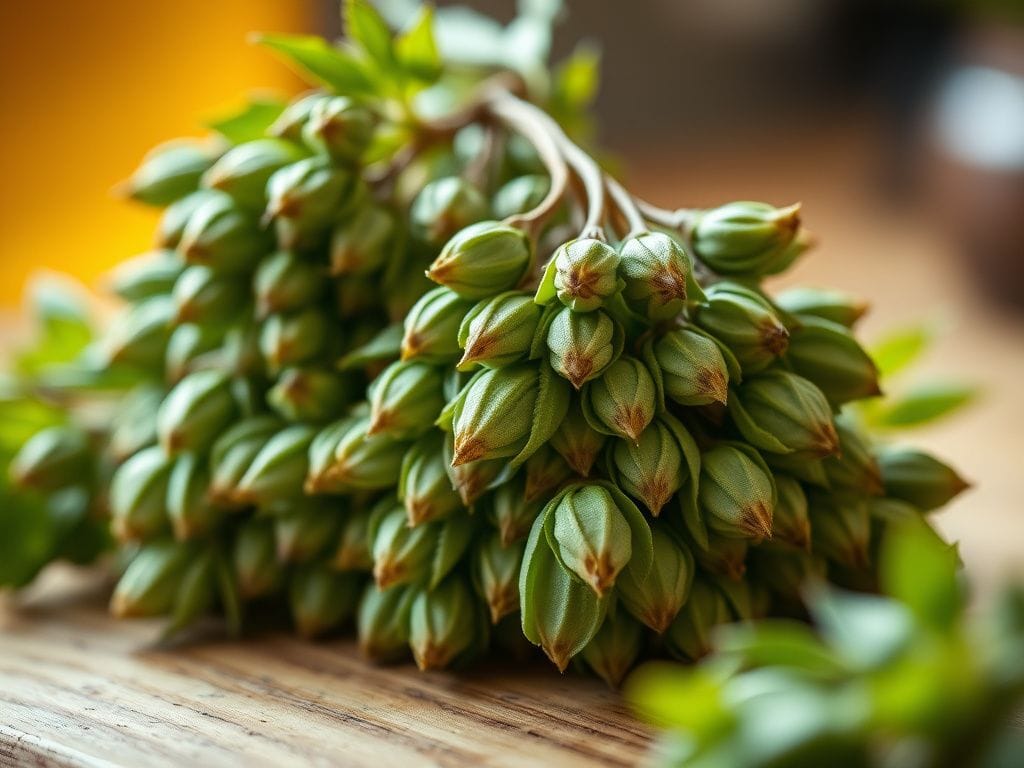
I’ve found that one of the most exciting aspects of brewing is experimenting with different hop varieties, and Nelson Sauvin is certainly one of the most intriguing. This New Zealand-bred hop has gained a cult following among brewers and beer enthusiasts alike, thanks to its unique flavor and aroma profile. As a homebrewer, I’ve had the opportunity to work with Nelson Sauvin hops on several occasions, and I’m always impressed by the complexity and depth they bring to a beer. In this article, I’ll explore the origins and characteristics of Nelson Sauvin hops, exploring their flavor and aroma profile, best uses in brewing, potential substitutes, and tips for growing and harvesting.
In my experience, Nelson Sauvin hops are a bit of a chameleon – they can add a range of flavors and aromas to a beer, from citrus and tropical fruit to earthy and herbal notes. This versatility makes them a great choice for a variety of beer styles, from IPAs and pale ales to sour beers and wild ales. Whether you’re a seasoned brewer or just starting out, Nelson Sauvin hops are definitely worth exploring. With their unique character and adaptability, they can help you create some truly unique and delicious beers.
Introduction to Nelson Sauvin Hops: Origins and Characteristics
Nelson Sauvin hops were bred in New Zealand in the 1990s, with the goal of creating a hop variety that combined the best characteristics of traditional European hops with the unique flavor and aroma profile of New Zealand’s native hops. The result was a hop that is both robust and refined, with a complex flavor and aroma profile that is both fruity and earthy. Nelson Sauvin hops are known for their high alpha acid content, which makes them well-suited for bittering and flavor additions in a variety of beer styles.
| Characteristic | Value |
|---|---|
| Alpha Acid | 12-14% |
| Beta Acid | 5-6% |
| Co-Humulone | 23-25% |
| Attenuation | 35-40% |
One of the key characteristics of Nelson Sauvin hops is their high co-humulone content, which contributes to their unique flavor and aroma profile. Co-humulone is a compound that is found in the alpha acids of hops, and it plays a major role in determining the bitterness and flavor of a beer. Nelson Sauvin hops have a co-humulone content of 23-25%, which is relatively high compared to other hop varieties. This makes them well-suited for brewing styles that require a robust, complex flavor and aroma profile.
Flavor and Aroma Profile of Nelson Sauvin: A Comprehensive Breakdown
The flavor and aroma profile of Nelson Sauvin hops is complex and multifaceted, with a range of flavors and aromas that can be described as fruity, earthy, and herbal. When used in brewing, Nelson Sauvin hops can add a range of flavors and aromas to a beer, from citrus and tropical fruit to earthy and herbal notes. The specific flavor and aroma profile of Nelson Sauvin hops will depend on the brewing style and technique used, as well as the other ingredients in the beer.
Flavor Profile
The flavor profile of Nelson Sauvin hops is characterized by a range of fruity and earthy flavors, including citrus, tropical fruit, and stone fruit. When used in brewing, Nelson Sauvin hops can add a range of flavors to a beer, from the bright, citrusy flavor of grapefruit and lemon to the rich, earthy flavor of stone fruit and berries. The flavor profile of Nelson Sauvin hops is also influenced by the brewing style and technique used, with different brewing methods and ingredient combinations bringing out different aspects of the hop’s flavor profile.
Aroma Profile
The aroma profile of Nelson Sauvin hops is equally complex and multifaceted, with a range of aromas that can be described as fruity, earthy, and herbal. When used in brewing, Nelson Sauvin hops can add a range of aromas to a beer, from the bright, citrusy aroma of grapefruit and lemon to the rich, earthy aroma of stone fruit and berries. The aroma profile of Nelson Sauvin hops is also influenced by the brewing style and technique used, with different brewing methods and ingredient combinations bringing out different aspects of the hop’s aroma profile.
Brewing with Nelson Sauvin: Best Beer Styles and Recipe Suggestions
Nelson Sauvin hops are a versatile ingredient that can be used in a range of brewing styles, from IPAs and pale ales to sour beers and wild ales. When used in brewing, Nelson Sauvin hops can add a range of flavors and aromas to a beer, from citrus and tropical fruit to earthy and herbal notes. Some of the best beer styles for using Nelson Sauvin hops include IPAs, pale ales, and sour beers, where the hop’s unique flavor and aroma profile can shine through.
- IPA: Nelson Sauvin hops are a great choice for IPAs, where they can add a range of flavors and aromas to the beer, from citrus and tropical fruit to earthy and herbal notes.
- Pale Ale: Nelson Sauvin hops are also well-suited for pale ales, where they can add a bright, citrusy flavor and aroma to the beer.
- Sour Beer: Nelson Sauvin hops can also be used in sour beers, where they can add a range of flavors and aromas to the beer, from citrus and tropical fruit to earthy and herbal notes.
Here are three example recipes that showcase the unique flavor and aroma profile of Nelson Sauvin hops:
| Recipe | Style | Grains | Hops | Yeast |
|---|---|---|---|---|
| Recipe 1 | IPA | Pilsner Malt, Wheat Malt | Nelson Sauvin, Cascade | American Ale Yeast |
| Recipe 2 | Pale Ale | Pilsner Malt, Munich Malt | Nelson Sauvin, Centennial | English Ale Yeast |
| Recipe 3 | Sour Beer | Pilsner Malt, Wheat Malt | Nelson Sauvin, Hallertau | Brettanomyces Yeast |
Nelson Sauvin Hop Substitutes: Alternatives for Homebrewers and Brewers
While Nelson Sauvin hops are a unique and versatile ingredient, there may be times when you need to substitute them with another hop variety. This can be due to a range of factors, from availability and cost to personal preference and brewing style. When substituting Nelson Sauvin hops, it’s best to choose a hop variety that has a similar flavor and aroma profile, such as Motueka or Riwaka hops.
| Hop Variety | Alpha Acid | Beta Acid | Co-Humulone | Attenuation |
|---|---|---|---|---|
| Motueka | 6-8% | 4-5% | 20-22% | 30-35% |
| Riwaka | 5-7% | 3-4% | 18-20% | 25-30% |
Here is a substitution chart that can help you choose the best substitute for Nelson Sauvin hops:
| Nelson Sauvin | Motueka | Riwaka |
|---|---|---|
| 100g | 120g | 150g |
Growing and Harvesting Nelson Sauvin Hops: Tips for Hop Farmers
Growing and harvesting Nelson Sauvin hops requires careful attention to detail and a deep understanding of the hop plant’s needs and preferences. Nelson Sauvin hops are a relatively easy variety to grow, but they do require a cool and dry climate, with well-draining soil and full sun. Hop farmers should also be aware of the potential risks and challenges associated with growing Nelson Sauvin hops, such as pests and diseases.
- Choose a cool and dry climate, with well-draining soil and full sun.
- Plant the hop rhizomes in early spring, when the soil has warmed up to at least 40°F (4°C).
- Train the hop bines to climb up a trellis or other support, using twine or string to secure them.
- Harvest the hops in late summer or early fall, when the cones are dry and the alpha acid content is at its peak.
Pairing Nelson Sauvin with Other Hops: Blending Strategies for Unique Beers
Pairing Nelson Sauvin hops with other hop varieties can create some truly unique and delicious beers. When pairing Nelson Sauvin hops with other hops, it’s best to choose hop varieties that complement the Nelson Sauvin’s flavor and aroma profile, such as citrusy and tropical hop varieties. Some good pairing options for Nelson Sauvin hops include Cascade, Centennial, and Motueka hops.
| Hop Variety | Alpha Acid | Beta Acid | Co-Humulone | Attenuation |
|---|---|---|---|---|
| Cascade | 4-6% | 3-4% | 15-18% | 20-25% |
| Centennial | 10-12% | 5-6% | 25-28% | 35-40% |
| Motueka | 6-8% | 4-5% | 20-22% | 30-35% |
Common Questions
Here are some common questions about Nelson Sauvin hops, along with their answers:
- Q: What is the alpha acid content of Nelson Sauvin hops? A: The alpha acid content of Nelson Sauvin hops is typically around 12-14%.
- Q: What is the best brewing style for using Nelson Sauvin hops? A: Nelson Sauvin hops are well-suited for a range of brewing styles, including IPAs, pale ales, and sour beers.
- Q: Can I substitute Nelson Sauvin hops with another hop variety? A: Yes, you can substitute Nelson Sauvin hops with another hop variety, such as Motueka or Riwaka hops.
- Q: How do I grow and harvest Nelson Sauvin hops? A: Growing and harvesting Nelson Sauvin hops requires careful attention to detail and a deep understanding of the hop plant’s needs and preferences.
- Q: What is the best way to pair Nelson Sauvin hops with other hop varieties? A: The best way to pair Nelson Sauvin hops with other hop varieties is to choose hop varieties that complement the Nelson Sauvin’s flavor and aroma profile, such as citrusy and tropical hop varieties.