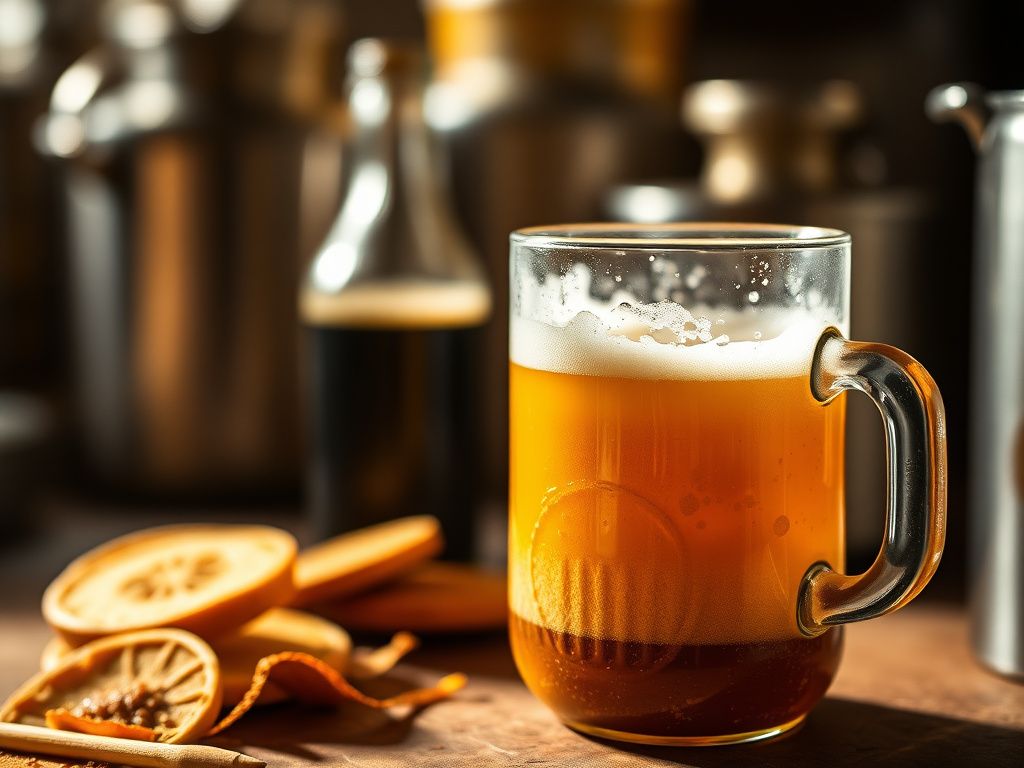
I’ve found that brewing lambic beer is a challenging yet rewarding experience that requires patience, dedication, and a willingness to experiment. As a homebrewer, I’ve spent years perfecting my lambic recipe, and I’m excited to share my knowledge with you. In this article, we’ll explore the world of lambic brewing, exploring its origins, ingredients, equipment, and techniques. Whether you’re a seasoned brewer or just starting out, you’ll learn everything you need to know to create a traditional lambic recipe that will impress even the most discerning palates. With its unique blend of tartness, funk, and complexity, lambic beer is a style that’s sure to intrigue and delight. So, here’s how it works on this journey into the world of lambic brewing, and discover the secrets behind this beloved Belgian style.
My own journey into lambic brewing began several years ago, when I first stumbled upon a bottle of Cantillon Gueuze at a local beer store. I was immediately struck by the beer’s complexity and depth, with its notes of citrus, oak, and earthy funk. From that moment on, I was hooked, and I spent the next several years researching and experimenting with different lambic recipes. Through trial and error, I’ve developed a recipe that I’m proud to share with you, and I’m confident that it will help you to create a delicious and authentic lambic beer. So, if you’re ready to embark on this journey, here’s how it works and explore the world of lambic brewing.
The Origins and History of Lambic Beer: A Style Overview
Lambic beer originated in the Pajottenland region of Belgium, where it has been brewed for centuries. The style is characterized by its use of wild yeast and bacteria, which are introduced into the brew through a process called “spontaneous fermentation.” This process involves exposing the beer to the open air, allowing wild yeast and bacteria to colonize the brew and impart their unique flavors and aromas. Lambic beer is typically brewed with a combination of wheat and barley malts, and is often flavored with fruits such as cherries, raspberries, or apricots. The resulting beer is tart, funky, and complex, with a wide range of flavors and aromas that are sure to intrigue and delight.
One of the key characteristics of lambic beer is its use of wild yeast and bacteria. These microorganisms are responsible for the beer’s unique flavors and aromas, and are introduced into the brew through a process called “spontaneous fermentation.” This process involves exposing the beer to the open air, allowing wild yeast and bacteria to colonize the brew and impart their unique characteristics. The resulting beer is tart, funky, and complex, with a wide range of flavors and aromas that are sure to intrigue and delight. Whether you’re a fan of sour beers or just looking to try something new, lambic beer is a style that’s sure to impress and intrigue.
Essential Ingredients for a Traditional Lambic Recipe
When it comes to brewing a traditional lambic recipe, there are several essential ingredients that you’ll need to include. These include a combination of wheat and barley malts, as well as a small amount of hops for bitterness and flavor. You’ll also need to include a source of wild yeast and bacteria, such as a lambic blend or a wild yeast culture. In addition to these ingredients, you may also want to include fruits or other flavorings to create a unique and delicious lambic beer. Some popular fruits for lambic beer include cherries, raspberries, and apricots, although you can experiment with a wide range of flavors to find the one that you like best.
| Ingredient | Quantity |
|---|---|
| Wheat malt | 50% |
| Barley malt | 40% |
| Hops | 10 IBU |
| Wild yeast and bacteria | 1 packet or 1 cup slurry |
Equipment and Sanitization Requirements for Lambic Brewing
When it comes to brewing lambic beer, there are several pieces of equipment that you’ll need to have on hand. These include a brew kettle, a fermenter, and a conditioning tank, as well as a variety of smaller equipment such as hydrometers, thermometers, and siphons. In addition to this equipment, you’ll also need to have a good understanding of sanitization techniques, as lambic beer is particularly susceptible to contamination. This means that you’ll need to take extra precautions to sanitize all of your equipment, as well as your brewing area and any ingredients that you’ll be using. By taking the time to properly sanitize your equipment and ingredients, you can help to ensure that your lambic beer turns out delicious and free of contaminants.
In addition to sanitization, you’ll also need to have! a good understanding of temperature control, as lambic beer is typically fermented at a relatively cool temperature. This means that you’ll need to have a way to cool your fermenter, such as a cooling system or a cold water bath. You’ll also need to have a way to monitor the temperature of your fermenter, such as a thermometer or a temperature probe. By taking the time to properly control the temperature of your fermenter, you can help to ensure that your lambic beer turns out delicious and free of off-flavors.
Step-by-Step Guide to Creating a Authentic Lambic Recipe
Creating a authentic lambic recipe requires a bit of patience and dedication, but the end result is well worth the effort. To start, you’ll need to create a mash of wheat and barley malts, which will provide the fermentable sugars for your beer. You can do this by mixing the malts with hot water in a large pot, and then letting the mixture sit for about an hour. After the mash has finished, you can sparge the grains with hot water to extract the sugars, and then boil the resulting wort with a small amount of hops for bitterness and flavor.
| Grain Bill | Quantity |
|---|---|
| Wheat malt | 5 lbs |
| Barley malt | 4 lbs |
| Hop Schedule | Quantity | Time |
|---|---|---|
| Hallertau hops | 1 oz | 60 minutes |
After the boil has finished, you can cool the wort to around 70°F to 75°F, and then pitch a lambic blend or a wild yeast culture. The beer will then undergo a process called “spontaneous fermentation,” in which the wild yeast and bacteria will colonize the brew and impart their unique flavors and aromas. This process can take several months to a year or more, depending on the specific recipe and the conditions of the brew. During this time, you’ll need to monitor the beer’s progress, taking specific gravity readings and tasting the beer regularly to ensure that it’s developing the desired flavors and aromas.
BJCP-Style Stats
| Statistic | Value |
|---|---|
| OG | 1.050 |
| FG | 1.010 |
| IBU | 10 |
| SRM | 5 |
| ABV | 5% |
Blending and Aging Techniques for Complex Lambic Flavors
One of the key characteristics of lambic beer is its complexity and depth of flavor, which is achieved through a process called “blending and aging.” This involves combining multiple batches of beer that have been aged for different lengths of time, in order to create a final product that is greater than the sum of its parts. The resulting beer is tart, funky, and complex, with a wide range of flavors and aromas that are sure to intrigue and delight. By experimenting with different blending and aging techniques, you can create a unique and delicious lambic beer that reflects your own personal style and preferences.
In addition to blending and aging, you can also experiment with different fruits and flavorings to create a unique and delicious lambic beer. Some popular fruits for lambic beer include cherries, raspberries, and apricots, although you can experiment with a wide range of flavors to find the one that you like best. When using fruits or other flavorings, it’s a good idea to start with a small amount and taste the beer regularly, in order to ensure that the flavors are balanced and harmonious. By taking the time to experiment and refine your recipe, you can create a delicious and authentic lambic beer that will impress even the most discerning palates.
Troubleshooting Common Issues in Lambic Brewing and Recipes
Despite the best planning and execution, things don’t always go as planned when brewing lambic beer. One common issue is contamination, which can occur when wild yeast or bacteria are introduced into the brew. This can result in off-flavors and aromas, and can even cause the beer to become over-carbonated or sour. To avoid contamination, it’s essential to take proper sanitization precautions, such as sanitizing all of your equipment and ingredients, and keeping your brewing area clean and tidy. You should also monitor the beer’s progress regularly, taking specific gravity readings and tasting the beer to ensure that it’s developing the desired flavors and aromas.
Another common issue in lambic brewing is inconsistent fermentation, which can result in a beer that is over- or under-attenuated. This can be caused by a variety of factors, including temperature fluctuations, inadequate pitching rates, or insufficient oxygenation. To avoid inconsistent fermentation, it’s essential to monitor the beer’s temperature and specific gravity regularly, and to make adjustments as needed. You should also ensure that your yeast is healthy and viable, and that you’re providing adequate nutrients and oxygenation for fermentation to occur.
Common Questions
- Q: What is the difference between a lambic and a sour beer? A: While both lambic and sour beers are tart and funky, they are distinct styles with different brewing traditions and techniques. Lambic beer is a traditional Belgian style that is brewed with wild yeast and bacteria, while sour beer is a more general term that can refer to a wide range of beers that have been soured through various means.
- Q: How long does it take to brew a lambic beer? A: The brewing time for a lambic beer can vary depending on the specific recipe and the conditions of the brew. Typically, it can take several months to a year or more for the beer to fully ferment and mature.
- Q: What is the best way to sanitize my equipment for lambic brewing? A: Sanitization is critical when brewing lambic beer, as the style is particularly susceptible to contamination. The best way to sanitize your equipment is to use a combination of heat, chemicals, and rinsing, taking care to ensure that all surfaces are clean and free of debris.
- Q: Can I use a lambic blend or wild yeast culture to brew a lambic beer? A: Yes, you can use a lambic blend or wild yeast culture to brew a lambic beer. These products contain a mixture of wild yeast and bacteria that are specifically designed for brewing lambic beer, and can help to impart the unique flavors and aromas that are characteristic of the style.
- Q: How do I know when my lambic beer is fully fermented and ready to bottle? A: The best way to determine when your lambic beer is fully fermented and ready to bottle is to take regular specific gravity readings and to taste the beer regularly. When the beer has reached the desired level of attenuation and flavor development, it is ready to bottle and condition.