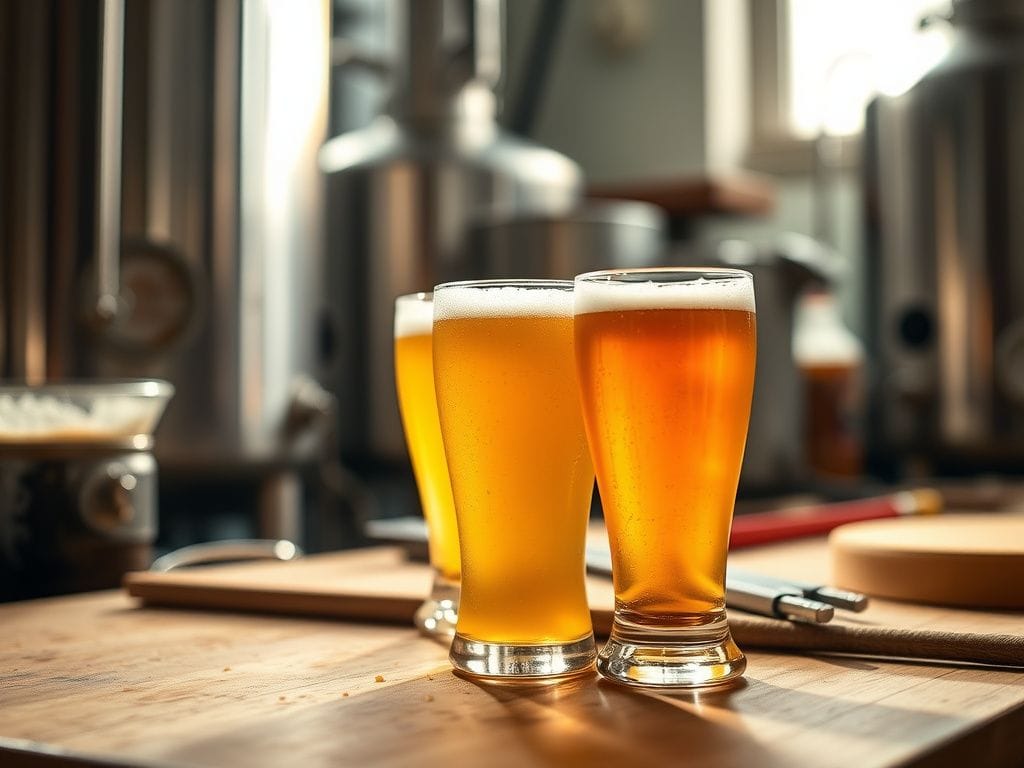
I still remember my first sip of a NEIPA – the haze, the tropical fruit flavors, and the silky smooth texture all combined to create an unforgettable experience. As a homebrewer, I was immediately hooked and set out to learn everything I could about this style. Over the years, I’ve experimented with countless recipes, techniques, and ingredients, and I’m excited to share my knowledge with you in this complete NEIPA brewing guide. From the origins and evolution of the style to troubleshooting common issues and scaling up your recipe, we’ll cover it all. Whether you’re a seasoned brewer or just starting out, this guide will provide you with the tools and expertise you need to brew top-tier NEIPAs.
My journey with NEIPAs began several years ago, when I first discovered the style at a local craft brewery. I was blown away by the complexity and depth of flavor, and I knew I had to try brewing one myself. After months of experimentation, I finally landed on a recipe that I was happy with, and it’s been a staple in my brewing repertoire ever since. In this guide, I’ll share my own experiences and lessons learned, as well as provide you with the technical knowledge and expertise you need to brew great NEIPAs. So here’s how it works and dive into the world of NEIPA brewing!
Introduction to NEIPA: Origins and Evolution of the Style
The NEIPA style, also known as the New England IPA or Hazy IPA, originated in the northeastern United States in the early 2010s. Breweries like The Alchemist, Hill Farmstead, and Tree House popularized the style, which is characterized by its hazy appearance, juicy flavor, and aromatic hop profile. The style has since spread rapidly across the globe, with breweries from all over the world experimenting with their own versions of NEIPAs. One of the key factors that contributed to the style’s popularity was the use of new and innovative hop varieties, such as Mosaic and Galaxy, which provided a unique and complex flavor profile. Additionally, the use of specialized yeast strains and brewing techniques, such as dry-hopping and biotransformation, helped to further define the style.
Today, NEIPAs are one of the most popular and sought-after beer styles, with breweries and homebrewers alike experimenting with new and innovative techniques to create unique and delicious versions. The style has also spawned a number of sub-styles, including the “milkshake IPA” and the “brut IPA,” which offer their own twists on the traditional NEIPA recipe. Despite the style’s popularity, however, brewing a great NEIPA can be challenging, requiring a deep understanding of the underlying chemistry and biology of the brewing process. In this guide, we’ll explore the key factors that contribute to a great NEIPA, from grain selection and water chemistry to hop scheduling and yeast strain selection.
Understanding NEIPA Characteristics: Flavor, Aroma, and Appearance
So what makes a great NEIPA? At its core, the style is all about balance and harmony, with a delicate interplay between flavor, aroma, and appearance. A great NEIPA should have a hazy or cloudy appearance, with a thick and creamy head that persists throughout the drinking experience. The flavor should be juicy and fruity, with notes of tropical fruit, citrus, and stone fruit, and a smooth and silky texture that coats the palate. The aroma should be intense and hoppy, with a complex and layered profile that reflects the unique characteristics of the hops used in the brew.
In terms of specific characteristics, a great NEIPA should have the following: an original gravity of 1.060-1.070, a final gravity of 1.010-1.015, and an ABV of 6-8%. The IBU should be relatively low, in the range of 20-40, with a focus on flavor and aroma rather than bitterness. The color should be a deep golden or orange, with a hazy or cloudy appearance that reflects the use of wheat or oats in the grain bill. Overall, a great NEIPA should be a beer that is both refreshing and complex, with a unique and captivating flavor profile that keeps you coming back for more.
Building a NEIPA Recipe: Grains, Hops, and Yeast Selection
When it comes to building a NEIPA recipe, there are several key factors to consider, including grain selection, hop scheduling, and yeast strain selection. In terms of grains, a typical NEIPA recipe will include a combination of pale malt, wheat, and oats, with a focus on creating a smooth and creamy texture. The pale malt provides the base flavor and fermentability, while the wheat and oats add complexity and depth to the brew. For hops, NEIPAs typically use a combination of new and innovative varieties, such as Mosaic, Galaxy, and Citra, which provide a unique and complex flavor profile.
In terms of yeast strain selection, NEIPAs typically use a specialized yeast strain that is designed to produce a hazy and juicy flavor profile. Some popular yeast strains for NEIPAs include London Ale III, Vermont Ale, and Conan, which are known for their ability to produce a complex and layered flavor profile. When selecting a yeast strain, it’s also important to consider factors such as attenuation, flocculation, and temperature tolerance, as these can all impact the final flavor and character of the brew. By carefully selecting the right combination of grains, hops, and yeast, you can create a NEIPA recipe that is both unique and delicious.
| Grain | Percentage | Contribution |
|---|---|---|
| Pale Malt | 60-70% | Base flavor and fermentability |
| Wheat | 10-20% | Complexity and depth |
| Oats | 5-10% | Smooth and creamy texture |
The Importance of Water Chemistry in NEIPA Brewing
Water chemistry is a critical factor in NEIPA brewing, as it can impact the final flavor and character of the brew. A good water chemistry profile for NEIPAs should have a balanced pH, with a focus on creating a smooth and creamy texture. The ideal water chemistry profile for NEIPAs will have a calcium level of 50-100 ppm, a magnesium level of 10-20 ppm, and a sodium level of 10-20 ppm. The sulfate level should be relatively low, in the range of 50-100 ppm, while the chloride level should be higher, in the range of 100-150 ppm.
In addition to the individual ion levels, the overall water chemistry profile should also be considered. A good water chemistry profile for NEIPAs should have a balanced ratio of calcium to magnesium, with a focus on creating a smooth and creamy texture. The water should also be relatively soft, with a low level of total dissolved solids (TDS). By adjusting the water chemistry profile to meet the needs of the brew, you can create a NEIPA that is both delicious and refreshing. Some popular water chemistry profiles for NEIPAs include the “New England” profile, which has a balanced pH and a focus on creating a smooth and creamy texture, and the ” Vermont” profile, which has a higher level of calcium and a focus on creating a complex and layered flavor profile.
NEIPA Mashing and Sparging Techniques for Optimal Extraction
Mashing and sparging are critical steps in the NEIPA brewing process, as they can impact the final flavor and character of the brew. A good mashing technique for NEIPAs should involve a relatively high temperature, in the range of 152-155°F, and a focus on creating a smooth and creamy texture. The mash should be relatively long, in the range of 60-90 minutes, to allow for optimal extraction of the sugars and flavors from the grains. The sparge should be relatively slow, in the range of 0.5-1.0 gallons per minute, to prevent extraction of unwanted compounds from the grains.
In addition to the individual steps, the overall mashing and sparging technique should also be considered. A good technique for NEIPAs should involve a focus on creating a balanced and harmonious flavor profile, with a smooth and creamy texture. The technique should also be designed to minimize the risk of oxidation and staling, which can impact the final flavor and character of the brew. Some popular mashing and sparging techniques for NEIPAs include the “single infusion” method, which involves a single mash at a relatively high temperature, and the “step mash” method, which involves multiple mashes at different temperatures to create a complex and layered flavor profile.
| Step | Temperature | Time |
|---|---|---|
| Mash | 152-155°F | 60-90 minutes |
| Sparge | 168-172°F | 30-60 minutes |
Hop Selection and Scheduling for Maximum Flavor and Aroma
Hop selection and scheduling are critical factors in NEIPA brewing, as they can impact the final flavor and aroma of the brew. A good hop selection for NEIPAs should involve a combination of new and innovative varieties, such as Mosaic, Galaxy, and Citra, which provide a unique and complex flavor profile. The hops should be added at different times during the brewing process, including during the boil, whirlpool, and dry-hop stages, to create a balanced and harmonious flavor profile.
In terms of hop scheduling, a good technique for NEIPAs should involve a focus on creating a complex and layered flavor profile, with a balance of bittering, flavor, and aroma hops. The bittering hops should be added early in the boil, in the range of 60-90 minutes, to provide a smooth and creamy texture. The flavor and aroma hops should be added later in the boil, in the range of 15-30 minutes, to provide a complex and layered flavor profile. The dry-hop should be added after fermentation, in the range of 3-7 days, to provide a intense and aromatic hop flavor.
| Hop Variety | Boil Time | Whirlpool Time | Dry-Hop Time |
|---|---|---|---|
| Mosaic | 15-30 minutes | 15-30 minutes | 3-7 days |
| Galaxy | 15-30 minutes | 15-30 minutes | 3-7 days |
| Citra | 15-30 minutes | 15-30 minutes | 3-7 days |
Yeast Strain Selection and Fermentation Temperature Control
Yeast strain selection and fermentation temperature control are critical factors in NEIPA brewing, as they can impact the final flavor and character of the brew. A good yeast strain for NEIPAs should be able to produce a hazy and juicy flavor profile, with a focus on creating a smooth and creamy texture. Some popular yeast strains for NEIPAs include London Ale III, Vermont Ale, and Conan, which are known for their ability to produce a complex and layered flavor profile.
In terms of fermentation temperature control, a good technique for NEIPAs should involve a focus on creating a balanced and harmonious flavor profile, with a smooth and creamy texture. The fermentation temperature should be relatively warm, in the range of 68-72°F, to promote the growth of the yeast and the production of the desired flavor compounds. The temperature should be controlled throughout the fermentation process, to prevent the growth of unwanted microorganisms and the production of off-flavors. Some popular fermentation temperature control techniques for NEIPAs include the “temperature ramp” method, which involves gradually increasing the temperature over the course of the fermentation, and the “temperature step” method, which involves holding the temperature at a constant level for a period of time.
| Yeast Strain | Fermentation Temperature | Fermentation Time |
|---|---|---|
| London Ale III | 68-72°F | 7-10 days |
| Vermont Ale | 68-72°F | 7-10 days |
| Conan | 68-72°F | 7-10 days |
Dry-Hopping Methods and Best Practices for NEIPA Brewing
Dry-hopping is a critical step in the NEIPA brewing process, as it can impact the final flavor and aroma of the brew. A good dry-hopping method for NEIPAs should involve a focus on creating a complex and layered flavor profile, with a balance of flavor and aroma hops. The dry-hop should be added after fermentation, in the range of 3-7 days, to provide a intense and aromatic hop flavor. The dry-hop should be added in a way that minimizes the risk of oxidation and staling, which can impact the final flavor and character of the brew.
In terms of best practices for dry-hopping, a good technique for NEIPAs should involve a focus on creating a balanced and harmonious flavor profile, with a smooth and creamy texture. The dry-hop should be added in a way that promotes the growth of the yeast and the production of the desired flavor compounds. The dry-hop should also be added in a way that minimizes the risk of contamination and spoilage, which can impact the final flavor and character of the brew. Some popular dry-hopping methods for NEIPAs include the “hop bag” method, which involves adding the hops to a bag and then adding the bag to the fermenter, and the “hop pellet” method, which involves adding the hops in pellet form directly to the fermenter.
| Dry-Hop Method | Dry-Hop Time | Dry-Hop Amount |
|---|---|---|
| Hop Bag | 3-7 days | 1-2 oz |
| Hop Pellet | 3-7 days | 1-2 oz |
NEIPA Brewing Tips and Tricks for Homebrewers and Professionals
As a homebrewer or professional brewer, there are several tips and tricks that you can use to improve the quality and character of your NEIPAs. One of the most important tips is to use high-quality ingredients, including fresh and flavorful hops, and to follow proper sanitation and brewing techniques to minimize the risk of contamination and spoilage. Another important tip is to experiment with different yeast strains and fermentation temperatures to find the combination that works best for your brewery and your style of beer.
Additionally, it’s also important to pay attention to the brewing process itself, including the mashing and sparging techniques, the boil and whirlpool schedules, and the dry-hopping methods. By optimizing these steps, you can create a NEIPA that is both delicious and refreshing, with a complex and layered flavor profile. Some popular tips and tricks for NEIPA brewing include the use of a “hop stand” to add hops to the brew during the whirlpool stage, and the use of a “temperature ramp” to gradually increase the fermentation temperature over the course of the fermentation. By following these tips and tricks, you can take your NEIPA brewing to the next level and create beers that are truly top-tier.
Troubleshooting Common Issues in NEIPA Brewing and Fermentation
Despite the best efforts of brewers, NEIPAs can sometimes be prone to common issues and problems, including off-flavors, contamination, and spoilage. One of the most common issues is the development of off-flavors, which can be caused by a variety of factors, including the use of low-quality ingredients, improper sanitation and brewing techniques, and the growth of unwanted microorganisms. Another common issue is contamination, which can be caused by the introduction of wild yeast or bacteria into the brew, and can result in a range of off-flavors and aromas.
To troubleshoot these issues, brewers can use a variety of techniques, including the use of specialized equipment, such as hydrometers and refractometers, to monitor the brewing process and detect any potential problems. Brewers can also use a variety of analytical tests, such as pH and gravity measurements, to identify the source of the problem and develop a plan to correct it. Additionally, brewers can use a variety of preventative measures, such as proper sanitation and brewing techniques, to minimize the risk of contamination and spoilage. By following these techniques and taking a proactive approach to troubleshooting, brewers can minimize the risk of common issues and problems, and create NEIPAs that are both delicious and refreshing.
Scaling Up Your NEIPA Recipe: From Homebrew to Commercial Production
As a homebrewer or professional brewer, one of the most exciting challenges is scaling up your NEIPA recipe from a small batch to a larger commercial production. This can involve a range of steps, including increasing the size of the brew, optimizing the brewing process, and developing a plan for packaging and distribution. One of the most important steps is to optimize the brewing process, including the mashing and sparging techniques, the boil and whirlpool schedules, and the dry-hopping methods. This can involve the use of specialized equipment, such as larger brew kettles and fermenters, as well as the development of a more efficient and streamlined brewing process.
Another important step is to develop a plan for packaging and distribution, including the selection of the! right packaging materials, such as bottles or cans, and the development of a distribution network to get the beer to customers. This can involve a range of considerations, including the cost and availability of packaging materials, the efficiency and effectiveness of the distribution network, and the overall quality and character of the beer. By following these steps and taking a proactive approach to scaling up your NEIPA recipe, you can create a beer that is both delicious and refreshing, and that meets the needs and expectations of your customers.
Comparison of Popular NEIPA Recipes
| Recipe | Grain Bill | Hop Schedule | Yeast Strain |
|---|---|---|---|
| Recipe 1 | 60% Pale Malt, 20% Wheat, 20% Oats | Mosaic, Galaxy, Citra | London Ale III |
| Recipe 2 | 50% Pale Malt, 30% Wheat, 20% Oats | Mosaic, Galaxy, Citra | Vermont Ale |
| Recipe 3 | 70% Pale Malt, 15% Wheat, 15% Oats | Mosaic, Galaxy, Citra | Conan |
Common Questions
- Q: What is the ideal water chemistry profile for NEIPAs? A: The ideal water chemistry profile for NEIPAs should have a balanced pH, with a focus on creating a smooth and creamy texture. The calcium level should be in the range of 50-100 ppm, the magnesium level should be in the range of 10-20 ppm, and the sodium level should be in the range of 10-20 ppm.
- Q: What is the best yeast strain for NEIPAs? A: The best yeast strain for NEIPAs will depend on the specific characteristics of the beer, but some popular options include London Ale III, Vermont Ale, and Conan.
- Q: How do I prevent oxidation and staling in my NEIPAs? A: To prevent oxidation and staling in your NEIPAs, it’s essential to follow proper sanitation and brewing techniques, and to minimize the risk of contamination and spoilage. This can involve the use of specialized equipment, such as oxygen-free transfer lines, and the development of a more efficient and streamlined brewing process.
- Q: What is the ideal fermentation temperature for NEIPAs? A: The ideal fermentation temperature for NEIPAs will depend on the specific yeast strain and the desired characteristics of the beer, but a common range is between 68-72°F.
- Q: How do I scale up my NEIPA recipe from a small batch to a larger commercial production? A: To scale up your NEIPA recipe, it’s essential to optimize the brewing process, including the mashing and sparging techniques, the boil and whirlpool schedules, and the dry-hopping methods. This can involve the use of specialized equipment, such as larger brew kettles and fermenters, as well as the development of a more efficient and streamlined brewing process.
- Q: What is the best hop variety for NEIPAs? A: The best hop variety for NEIPAs will depend on the specific characteristics of the beer, but some popular options include Mosaic, Galaxy, and Citra.
- Q: How do I troubleshoot common issues in NEIPA brewing and fermentation? A: To troubleshoot common issues in NEIPA brewing and fermentation, it’s essential to use a range of techniques, including the use of specialized equipment, such as hydrometers and refractometers, to monitor the brewing process and detect any potential problems. Brewers can also use a range of analytical tests, such as pH and gravity measurements, to identify the source of the problem and develop a plan to correct it.