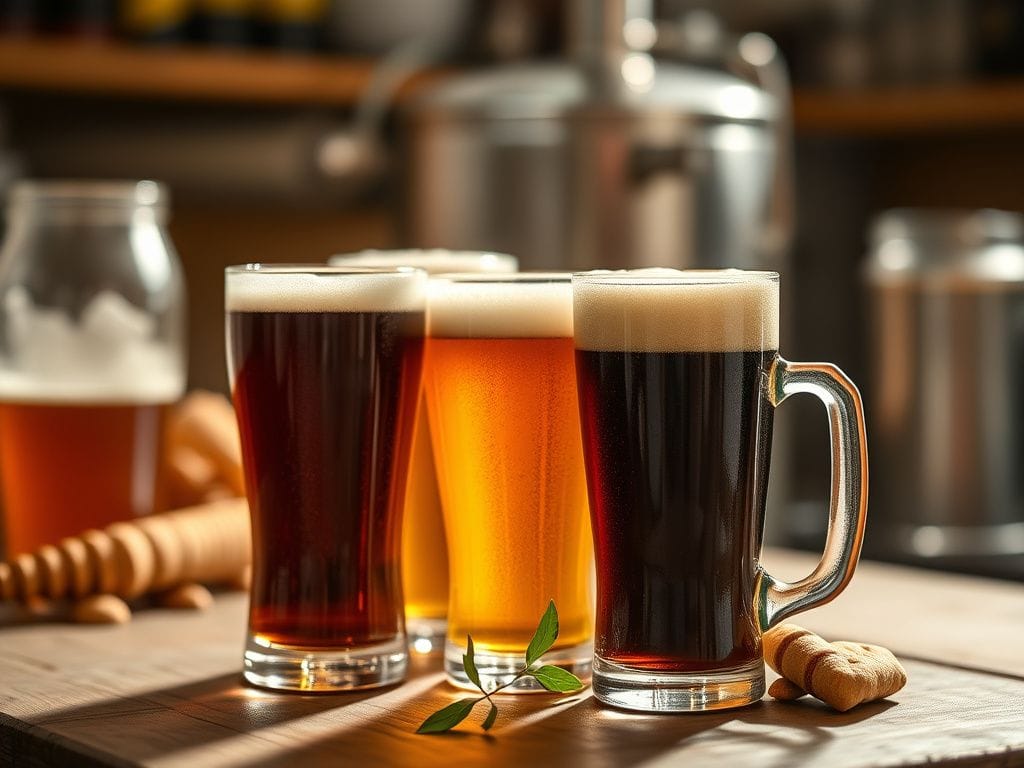
I’ve found that there’s no better way to celebrate the joys of hoppy beers than on National IPA Day (August 7). As a homebrewer, I’ve always been fascinated by the complexity and diversity of India Pale Ales, and I love sharing my passion with fellow beer enthusiasts. Whether you’re a seasoned brewer or just starting out, National IPA Day (August 7) is the perfect opportunity to experiment with new recipes, techniques, and ingredients. In this article, I’ll explore the history of IPA, explore the essential ingredients for crafting the perfect IPA, and share five unique recipes to brew for National IPA Day (August 7). So grab your brewing gear, and here’s how it works!
As I reflect on my own brewing journey, I realize that my love for IPAs was sparked by a chance encounter with a hoppy beer at a local craft brewery. The bold, citrusy flavors and aromas of that beer left a lasting impression on me, and I’ve been hooked ever since. Since then, I’ve spent countless hours experimenting with different hop varieties, grain bills, and brewing techniques to create the perfect IPA. And now, I’m excited to share my knowledge and expertise with you, just in time for National IPA Day (August 7). So, here’s the breakdownto the wonderful world of IPAs and explore what makes them so special.
Brief History of IPA: From British Roots to Modern Variations
The history of IPA is a fascinating story that spans centuries and continents. Originating in Britain in the late 18th century, IPAs were designed to withstand the long journey to India, where they would be consumed by British colonizers. To achieve this, brewers used a combination of high-hop rates, pale malts, and specialized yeast strains to create a beer that was both durable and flavorful. Over time, IPAs evolved and adapted to changing tastes and technologies, giving rise to a wide range of modern variations, from session IPAs to double IPAs and beyond. Today, IPAs are one of the most popular and beloved beer styles in the world, with a vast array of hop varieties, brewing techniques, and flavor profiles to explore.
As a homebrewer, I’ve always been fascinated by the evolution of IPA and the many factors that have contributed to its success. From the development of new hop varieties to advances in brewing technology, the IPA style has undergone a remarkable transformation over the years. And yet, despite all these changes, the core principles of IPA remain the same: a balance of hop flavor, bitterness, and aroma, combined with a crisp, refreshing finish. Whether you’re brewing a traditional British IPA or a modern American IPA, the key to success lies in understanding the intricacies of hop flavor and how to showcase it in your beer.
Essential Ingredients for Crafting the Perfect IPA on National IPA Day (August 7)
When it comes to crafting the perfect IPA, the right ingredients are essential. At the heart of every great IPA is a combination of high-quality hops, pale malts, and specialized yeast strains. For hops, I recommend using a blend of classic varieties like Cascade, Chinook, and Centennial, along with some newer, more exotic options like Mosaic, Simcoe, and Citra. These hops offer a wide range of flavor and aroma profiles, from citrus and pine to tropical fruit and spice. For malts, a pale, crisp base malt like Pilsner or Pale Ale malt is ideal, providing a clean, neutral background for the hops to shine. And for yeast, a neutral, attenuative strain like California Ale or English Ale yeast is perfect for showcasing the hop flavor and aroma.
| Hop Variety | Alpha Acid (%) | Flavor/Aroma Profile |
|---|---|---|
| Cascade | 4.5-6.0 | Citrus, floral, spice |
| Chinook | 12-14 | Pine, herbal, spicy |
| Citra | 11-13 | Tropical fruit, citrus, stone fruit |
5 Unique IPA Recipes to Brew for National IPA Day (August 7)
Now that we’ve covered the essential ingredients for crafting the perfect IPA, it’s time to get brewing! Here are five unique IPA recipes to try for National IPA Day (August 7), each with its own unique flavor profile and character. Recipe 1: Citra IPA – 6.5% ABV, 60 IBU, featuring Citra, Mosaic, and Simcoe hops. Recipe 2: English IPA – 5.5% ABV, 40 IBU, featuring East Kent Goldings, Fuggles, and Challenger hops. Recipe 3: Double IPA – 8.5% ABV, 80 IBU, featuring Cascade, Chinook, and Centennial hops. Recipe 4: Session IPA – 4.5% ABV, 30 IBU, featuring Amarillo, Cascade, and Simcoe hops. Recipe 5: Belgian IPA – 7.5% ABV, 60 IBU, featuring Saaz, Hallertau, and Citra hops.
Each of these recipes offers a unique twist on the traditional IPA style, with a focus on showcasing the complex flavor and aroma profiles of different hop varieties. Whether you’re a fan of citrusy, tropical IPAs or prefer a more traditional, malty flavor profile, there’s something here for everyone. And with National IPA Day (August 7) just around the corner, now is the perfect time to get brewing and experiment with new recipes and ingredients.
Recipe 1: Citra IPA
Grain Bill: 60% Pilsner malt, 20% Wheat malt, 10% Munich malt, 10% Crystal 60L. Hop Schedule: Citra (60 min, 15 IBU), Mosaic (15 min, 10 IBU), Simcoe (5 min, 5 IBU), Citra (dry hop, 2 oz). Yeast: California Ale yeast. This recipe is a showcase for the great flavor and aroma of Citra hops, with a balanced blend of citrus, tropical fruit, and stone fruit flavors.
Recipe 2: English IPA
Grain Bill: 80% Pale Ale malt, 10% Crystal 60L, 5% Wheat malt, 5% Flaked maize. Hop Schedule: East Kent Goldings (60 min, 20 IBU), Fuggles (30 min, 10 IBU), Challenger (15 min, 5 IBU), East Kent Goldings (dry hop, 1 oz). Yeast: English Ale yeast. This recipe is a traditional take on the English IPA style, with a focus on malty, biscuity flavors and a balanced blend of earthy, floral hop flavors.
Tips and Tricks for Optimizing Hop Flavor on National IPA Day (August 7)
When it comes to optimizing hop flavor in your IPAs, there are a few key tips and tricks to keep in mind. First, make sure to use high-quality, fresh hops that are stored properly to preserve their flavor and aroma. Second, experiment with different hop varieties and blends to find the perfect combination for your beer. Third, pay attention to your brewing temperatures and times, as these can greatly affect the extraction of hop flavor and aroma compounds. Finally, consider using techniques like dry hopping, hop bursting, or hop standing to add extra depth and complexity to your hop flavor.
- Use high-quality, fresh hops stored properly to preserve flavor and aroma
- Experiment with different hop varieties and blends to find the perfect combination
- Pay attention to brewing temperatures and times to optimize hop flavor extraction
- Consider using techniques like dry hopping, hop bursting, or hop standing to add depth and complexity
Hosting the Ultimate National IPA Day (August 7) Party with Food and Beer Pairings
Now that you’ve brewed your perfect IPA, it’s time to celebrate National IPA Day (August 7) in style! Hosting a party with food and beer pairings is a great way to share your passion for IPAs with friends and family, and to explore the many different flavor profiles and pairing options available. For a classic IPA pairing, try pairing your beer with spicy foods like chicken wings or curry, or with rich, savory foods like cheese or charcuterie. For a more adventurous pairing, consider trying your IPA with sweet or fruity foods like desserts or salads, or with umami-rich foods like mushrooms or soy sauce.
Some of my favorite food and beer pairing suggestions for National IPA Day (August 7) include: Citra IPA with grilled chicken or fish, English IPA with fish and chips or bangers and mash, Double IPA with spicy wings or pizza, Session IPA with salads or sushi, and Belgian IPA with waffles or crepes. Whatever your favorite pairing, make sure to have fun and experiment with different combinations to find the perfect match for your IPA.
Common Questions
Q: What is the best way to store hops to preserve their flavor and aroma? A: The best way to store hops is in a cool, dark place with low humidity, such as a refrigerator or freezer. Make sure to store them in airtight containers or bags to prevent oxidation and spoilage.
Q: How do I know which hop varieties to use for my IPA recipe? A: The choice of hop variety will depend on the specific flavor and aroma profile you’re looking for in your IPA. Consider factors like alpha acid content, flavor and aroma profile, and pairing suggestions when selecting your hops.
Q: What is the difference between a double IPA and a regular IPA? A: A double IPA is a stronger, more full-bodied version of a regular IPA, with a higher ABV and IBU rating. Double IPAs typically feature a more complex, intense hop flavor and aroma profile, with a balanced blend of bitterness and sweetness.