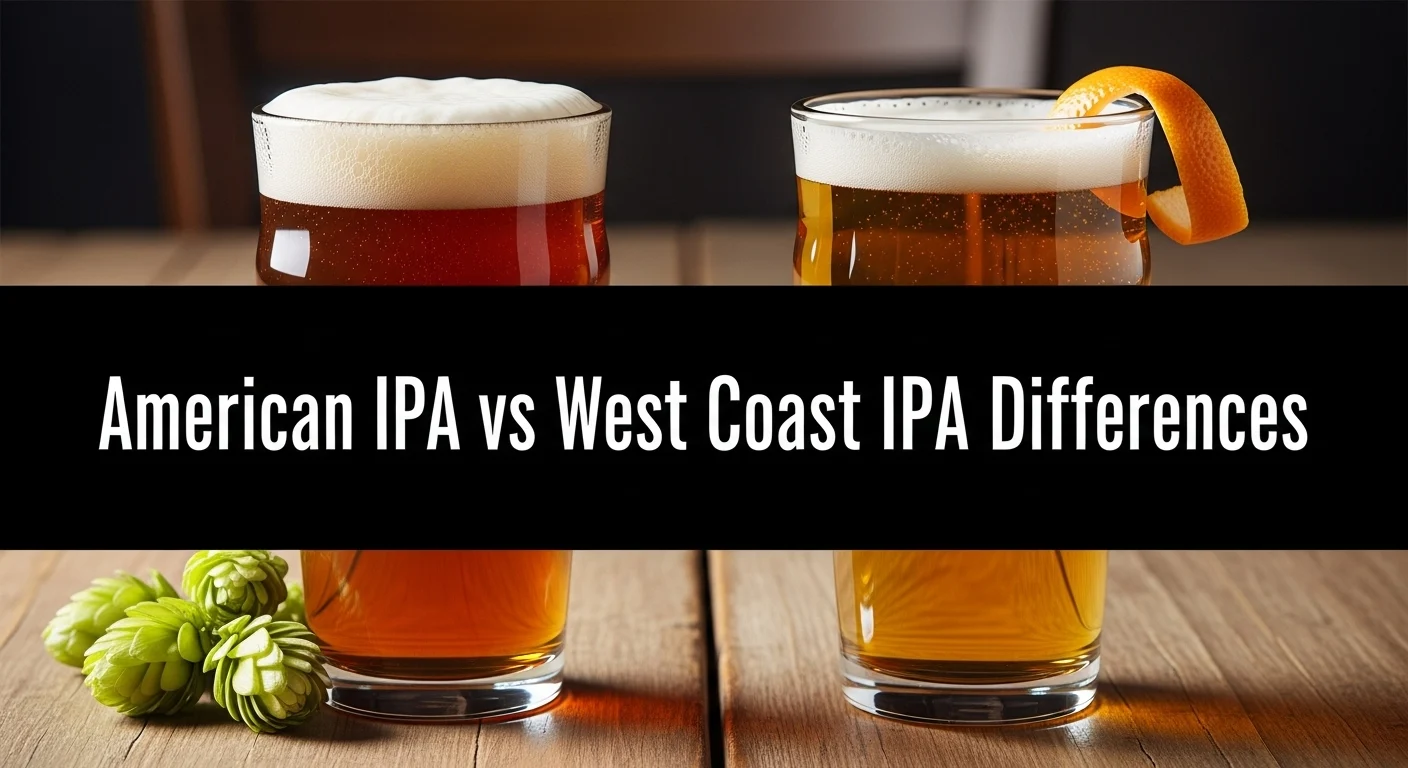
Discover the American IPA vs West Coast IPA Differences key differences between American IPA vs West Coast IPA, including bitterness levels, hop profiles, malt character, and brewing techniques that define these popular craft beer styles.
American IPA vs West Coast IPA differences represent one of the most nuanced distinctions in modern craft brewing, with subtle yet significant variations that affect bitterness intensity, hop character, and overall drinking experience. After brewing dozens of both styles over the past seven years and studying their evolution through the American craft beer movement, I can confidently state that understanding these differences requires examining specific brewing techniques, ingredient selections, and flavor profiles that separate these closely related yet distinctly different beer styles.
My exploration of American IPA vs West Coast IPA differences began with confusion over seemingly interchangeable terms that appeared to describe identical beers with similar hop-forward profiles. The clarity came when I discovered that West Coast IPA represents a more aggressive subset of American IPA with higher bitterness levels, drier finish, and more pronounced hop intensity while American IPA encompasses a broader range of hop-forward beers with varying malt support and regional interpretations.
This comprehensive comparison examines American IPA vs West Coast IPA differences across critical brewing parameters including grain bill composition, hop utilization strategies, fermentation techniques, and flavor development that create distinct drinking experiences despite their shared American brewing heritage. From understanding bitterness thresholds to analyzing regional brewing philosophies, this guide provides complete knowledge for appreciating these influential craft beer styles.
Whether you’re a homebrewer planning recipe development or a beer enthusiast seeking deeper style understanding, mastering American IPA vs West Coast IPA differences enhances appreciation for American craft brewing innovation while building knowledge applicable to broader IPA family comprehension.
Understanding American IPA Style Foundation
American IPA established the foundation for modern hop-forward brewing with 40-70 IBU bitterness and 5.5-7.5% ABV while showcasing American hop varieties through balanced malt support that allows hop character to dominate without overwhelming other flavor components.
Historical Development Context
American IPA evolved from English IPA through American craft brewing innovation beginning in the 1970s while incorporating indigenous American hops and brewing techniques that created distinctly different flavor profiles emphasizing citrus and pine characteristics rather than traditional English hop earthiness.
Broader Style Parameters
American IPA encompasses wide stylistic variation including different hop varieties, malt supports, and regional interpretations while maintaining core characteristics of hop prominence, clean fermentation, and American hop showcase that defines the overarching style category.
Malt Profile Flexibility
American IPA permits various malt approaches including pale malt-only bases or moderate crystal malt additions while supporting hop character through appropriate grain bills that provide foundation without competing with hop complexity and bitterness.
Hop Variety Evolution
American IPA hop selection expanded beyond traditional “C” hops including international varieties while maintaining American brewing philosophy of hop prominence and flavor expression that showcases hop breeding innovation and global hop integration.
Regional Interpretation Diversity
American IPA varies across different brewing regions while reflecting local preferences and ingredient availability that create subtle variations within the overarching style framework and brewing philosophy.
For comprehensive American IPA brewing techniques and style development guidance, explore the hop-forward brewing resources at BrewMyBeer’s American IPA section, where traditional American craft brewing meets modern hop utilization techniques.
West Coast IPA Distinctive Characteristics
West Coast IPA represents the most aggressive interpretation of American hop-forward brewing with 50-70+ IBU, 6.2-7.5% ABV, and bone-dry finish while emphasizing maximum hop extraction and minimal malt interference that creates the most intense hop experience possible within balanced beer parameters.
Extreme Bitterness Focus
West Coast IPA prioritizes aggressive bitterness through extended boil hop additions and high-alpha acid varieties while creating clean, sharp bitterness that defines the style’s confrontational approach to hop utilization and flavor development.
Minimal Malt Interference
West Coast IPA employs neutral malt profiles avoiding crystal malts and caramel flavors while providing clean foundation that allows hop character complete dominance without competing malt sweetness or complexity that might soften the aggressive hop impact.
Dry Finish Emphasis
Bone-dry finish characterizes West Coast IPA through complete fermentation and minimal residual sweetness while creating sharp, clean conclusion that enhances hop perception and encourages continued consumption despite high bitterness levels.
California Heritage Origins
West Coast IPA originated in California brewing culture during the 1980s-1990s while reflecting regional preferences for aggressive hop character and brewing philosophy that challenged traditional beer expectations and established American craft brewing identity.
Modern Evolution Balance
Contemporary West Coast IPA balances aggression with drinkability while maintaining core characteristics of high bitterness and hop intensity but incorporating modern brewing techniques that improve overall quality and drinking experience.
| Style Characteristic | American IPA | West Coast IPA | Key Difference | Impact on Flavor |
|---|---|---|---|---|
| IBU Range | 40-70 IBU | 50-70+ IBU | Higher bitterness floor | More aggressive hop impact |
| ABV Range | 5.5-7.5% ABV | 6.2-7.5% ABV | Stronger alcohol focus | Enhanced hop perception |
| Malt Character | Moderate support | Minimal interference | Reduced malt presence | Cleaner hop showcase |
| Finish Style | Variable dryness | Bone dry mandatory | Consistent dry finish | Enhanced bitterness perception |
| Regional Focus | Nationwide styles | West Coast origins | Geographic specificity | Cultural brewing identity |
Bitterness Level and Hop Utilization Differences
American IPA vs West Coast IPA differences manifest most clearly in bitterness approach with West Coast styles pushing bitterness boundaries while American IPA maintains broader acceptability through more moderate hop intensity and varied bitterness presentations.
IBU Threshold Distinctions
American IPA accepts 40-70 IBU range while West Coast IPA typically exceeds 50 IBU with many examples reaching 70+ IBU while maintaining drinkability through clean bitterness character and proper brewing technique that prevents harsh astringency.
Hop Addition Timing Strategy
West Coast IPA emphasizes boil hop additions for maximum bitterness extraction while American IPA permits more balanced approach including late additions and dry hopping that creates different hop character emphasis and bitterness integration.
Alpha Acid Content Preferences
West Coast IPA favors high-alpha acid varieties including Columbus, Warrior, and Magnum while American IPA accepts broader hop variety range including moderate-alpha varieties that provide different bitterness qualities and flavor contributions.
Bitterness Quality Standards
Both styles require clean bitterness without harsh astringency while West Coast IPA demands sharper, more aggressive bitterness character and American IPA permits smoother integration that appeals to broader consumer preferences.
Water Chemistry Influence
West Coast IPA benefits from higher sulfate water profiles that sharpen bitterness perception while American IPA accepts various water treatments that create different hop character emphasis and overall flavor balance approaches.
American IPA vs West Coast IPA Differences Malt Profile and Grain Bill Variations
American IPA vs West Coast IPA differences extend to malt utilization strategies with American IPA permitting moderate malt complexity while West Coast IPA demands minimal malt interference that allows complete hop character domination.
Base Malt Selection Approaches
Both styles utilize pale malt foundations while American IPA permits darker base malts in small percentages and West Coast IPA emphasizes lightest possible malt character that provides fermentable sugars without competing flavors.
Crystal Malt Usage Philosophy
American IPA historically incorporated crystal malts for complexity while West Coast IPA strictly avoids caramel flavors that might interfere with hop purity and aggressive character presentation through clean grain bill composition.
Color Development Differences
American IPA accepts wider color range including amber variations while West Coast IPA maintains pale to light amber appearance that reflects minimal malt influence and maximum hop showcase through appearance consistency.
Malt Sweetness Balance
American IPA balances malt sweetness with hop bitterness while West Coast IPA minimizes residual sweetness through complete fermentation and grain bill composition that creates bone-dry finish enhancing hop perception.
Modern Grain Bill Evolution
Contemporary versions of both styles trend toward simpler grain bills while maintaining style-specific approaches to malt character that reflect evolving brewing philosophy and consumer preference development.
Hop Variety Selection and Character Profiles
American IPA vs West Coast IPA differences include hop variety preferences with West Coast styles favoring traditional aggressive varieties while American IPA embraces broader hop exploration including international and experimental cultivars.
Traditional “C” Hop Emphasis
West Coast IPA emphasizes classic American “C” hops including Cascade, Centennial, Chinook, and Columbus while American IPA incorporates these alongside broader variety selection that reflects hop breeding innovation and global availability.
Aggressive Character Preferences
West Coast IPA favors dank, resinous, and piney hop characteristics while American IPA accepts fruity and floral varieties that create different flavor experiences and broaden style accessibility through varied hop character presentations.
Modern Hop Integration
American IPA readily adopts new hop varieties including international cultivars while West Coast IPA maintains traditional American hop focus that preserves style heritage and characteristic flavor development.
Alpha Acid Content Selection
West Coast IPA prioritizes high-alpha varieties for maximum bitterness impact while American IPA balances alpha acid content with flavor contribution that creates more varied hop utilization strategies.
Flavor Compound Emphasis
West Coast IPA emphasizes myrcene and pinene compounds creating pine and citrus character while American IPA explores broader terpene profiles that expand flavor possibilities and brewing creativity.
Fermentation and Yeast Character Differences
American IPA vs West Coast IPA differences in fermentation approach focus on yeast selection and fermentation management that supports style-specific character development through appropriate yeast strains and conditioning techniques.
Yeast Strain Selection Criteria
Both styles require clean fermentation character while West Coast IPA demands neutral yeast that provides complete hop showcase and American IPA accepts slight fruitiness that complements hop character without overwhelming style focus.
Attenuation Level Requirements
West Coast IPA requires maximum attenuation for bone-dry finish while American IPA accepts moderate residual sweetness that provides malt balance and different mouthfeel characteristics through controlled fermentation completion.
Fermentation Temperature Management
Both styles benefit from controlled ale fermentation temperatures while maintaining clean character that allows hop prominence without excessive ester production that might compete with hop complexity and bitterness perception.
Secondary Character Development
American IPA permits subtle yeast-derived complexity while West Coast IPA eliminates all fermentation-derived flavors that might interfere with hop purity and aggressive character presentation through strict fermentation control.
Conditioning Period Differences
Both styles require adequate conditioning for hop integration while West Coast IPA emphasizes rapid consumption for maximum hop impact and American IPA accepts longer aging that allows flavor development and integration.
Regional Brewing Philosophy and Cultural Context
American IPA vs West Coast IPA differences reflect distinct regional brewing philosophies with West Coast representing aggressive California brewing culture while American IPA encompasses broader national craft brewing approaches and consumer preferences.
California Brewing Heritage
West Coast IPA originated in California’s aggressive brewing culture during the 1980s-1990s while establishing confrontational approach to hop utilization that challenged traditional beer expectations and created distinct regional identity.
National Style Evolution
American IPA developed across multiple regions while incorporating diverse brewing philosophies and local preferences that created broader style interpretation and increased accessibility for varied consumer tastes.
IBU Wars Cultural Impact
West Coast IPA participated in early 2000s IBU Wars while pushing bitterness boundaries as brewing challenge and cultural statement that established American craft brewing’s aggressive identity and innovation focus.
Consumer Acceptance Evolution
American IPA developed for broader market appeal while West Coast IPA maintained niche focus on hop enthusiasts and brewing purists who appreciated aggressive flavor profiles and uncompromising brewing approaches.
Modern Cultural Positioning
Contemporary West Coast IPA represents brewing tradition and craftsmanship while American IPA continues evolving with new hop varieties and brewing techniques that reflect ongoing craft brewing innovation.
Brewing Technique and Process Variations
American IPA vs West Coast IPA differences include specific brewing techniques that support style-specific character development through hop utilization, mash management, and conditioning approaches that maximize desired flavor outcomes.
Hop Addition Scheduling
West Coast IPA emphasizes extended boil hopping for maximum bitterness extraction while American IPA employs balanced addition timing that includes late additions and dry hopping for varied hop character development.
Mash Temperature Management
Both styles benefit from moderate mash temperatures while West Coast IPA requires lower finish gravity through higher conversion efficiency and American IPA accepts varied attenuation levels that provide different mouthfeel characteristics.
Water Treatment Strategies
West Coast IPA benefits from high-sulfate water profiles that enhance bitterness perception while American IPA accepts broader water chemistry approaches that create different hop character emphasis and overall balance.
Dry Hopping Techniques
Both styles employ dry hopping for aroma enhancement while West Coast IPA focuses on traditional varieties and American IPA explores innovative hop combinations and techniques that expand flavor possibilities.
Conditioning and Packaging
West Coast IPA requires immediate consumption for peak hop impact while American IPA accepts longer shelf life through balanced brewing that maintains quality over extended periods.
Sensory Evaluation and Tasting Differences
American IPA vs West Coast IPA differences manifest clearly in sensory evaluation through distinct aroma profiles, flavor intensities, and overall drinking experiences that reflect different brewing philosophies and ingredient approaches.
Aroma Intensity Comparison
West Coast IPA delivers aggressive hop aroma while American IPA provides balanced hop presence that accommodates broader consumer preferences through moderated intensity and varied hop character presentation.
Bitterness Perception Differences
West Coast IPA creates sharp, lingering bitterness while American IPA offers smoother bitterness integration that provides hop character without overwhelming other flavor components or reducing drinkability.
Mouthfeel and Body Variations
Both styles maintain medium-light body while West Coast IPA emphasizes drier finish and American IPA accepts slight residual sweetness that provides different textural experiences and flavor balance approaches.
Finish Character Analysis
West Coast IPA creates sharp, dry finish that enhances hop perception while American IPA offers varied finish styles that accommodate different brewing approaches and consumer preference patterns.
Overall Drinking Experience
West Coast IPA provides confrontational hop experience while American IPA offers accessible hop showcase that introduces consumers to hop-forward brewing without excessive intensity.
Modern Evolution and Future Trends
American IPA vs West Coast IPA differences continue evolving through brewing innovation and changing consumer preferences while maintaining core style characteristics that define each category’s distinct brewing philosophy and cultural significance.
Contemporary Style Refinement
Modern West Coast IPA balances aggression with drinkability while maintaining core characteristics through improved brewing technique and ingredient selection that enhances quality without compromising style identity.
Hop Variety Integration
American IPA continues adopting new hop varieties while West Coast IPA maintains traditional hop focus that preserves heritage while selectively incorporating proven varieties that enhance characteristic profiles.
Brewing Technology Impact
Advanced brewing equipment improves both styles while enabling better hop utilization and fermentation control that enhances quality and consistency across different brewing scales and operational contexts.
Consumer Preference Evolution
Changing taste preferences influence style development while maintaining style integrity through careful adaptation that respects traditional character while accommodating broader market appeal.
Global Influence and Adaptation
International brewers interpret both styles while creating regional variations that expand style understanding and application through global craft brewing influence and cultural exchange.
Homebrewing Applications and Recipe Development
Understanding American IPA vs West Coast IPA differences guides homebrewing decisions through appropriate ingredient selection, process management, and technique application that achieves style-appropriate character and brewing success.
Recipe Formulation Guidelines
American IPA recipes allow moderate malt complexity while West Coast IPA demands minimal grain bill interference that supports aggressive hop character through clean foundation and complete fermentation management.
Hop Selection Strategies
Choose traditional aggressive varieties for West Coast IPA while American IPA accepts broader hop exploration that includes modern varieties and international cultivars for creative recipe development.
Brewing Process Adaptation
West Coast IPA requires aggressive hop utilization techniques while American IPA permits varied approaches that balance hop character with overall drinkability through flexible brewing strategies.
Quality Control Considerations
Both styles require careful oxidation prevention while maintaining hop character through proper handling and packaging that preserves volatile hop compounds essential for style authenticity.
Style Evaluation Methods
Compare finished beers against style standards while identifying specific improvements that enhance style conformity and brewing technique development through systematic evaluation.
Conclusion and Brewing Mastery
Understanding American IPA vs West Coast IPA differences enhances brewing knowledge while providing foundation for successful recipe development and style mastery that honors both brewing traditions and enables creative exploration within established parameters.
Master basic American IPA brewing before attempting West Coast variations while building hop utilization skills and fermentation management that provide essential foundation for aggressive hop-forward brewing techniques and style development.
Focus on quality hop selection and proper utilization while understanding how different varieties and techniques create distinct character profiles that separate exceptional examples from mediocre attempts.
Practice systematic evaluation and recipe refinement while comparing results against style standards that guide continuous improvement and brewing skill development through focused practice and objective assessment.
Remember that both styles reward attention to detail and quality ingredients while requiring proper technique execution that maximizes hop character and creates memorable drinking experiences.
The investment in understanding these style differences provides foundation for broader IPA family appreciation while building skills applicable to all hop-forward brewing and recipe development projects.
Choose brewing approaches based on desired outcomes and consumer preferences while respecting style traditions that created these influential American craft beer innovations.
About the Author
Dave Hopson is a certified Cicerone® and beer historian who has visited over 200 breweries across 15 countries. With a background in anthropology and culinary arts, Dave brings a unique perspective to understanding beer’s cultural significance and traditional brewing methods. He specializes in documenting regional brewing traditions and how they’ve evolved with modern craft movements, with particular expertise in American craft brewing history and IPA style development. His research on American brewing culture and style evolution has been featured in several brewing publications and educational journals. Dave has extensively studied.
the development of American IPA styles, including the cultural and technical factors that created regional variations like West Coast IPA. His systematic approach to understanding brewing culture helps brewers appreciate the historical context and regional influences that make each beer style unique and meaningful. When not visiting breweries around the world or analyzing brewing trends, Dave enjoys exploring how cultural brewing traditions continue influencing modern craft beer development while preserving the authenticity and craftsmanship that defines exceptional brewing heritage. Contact Dave at [email protected] or explore his comprehensive brewing guides and IPA style resources at brewmybeer.online.