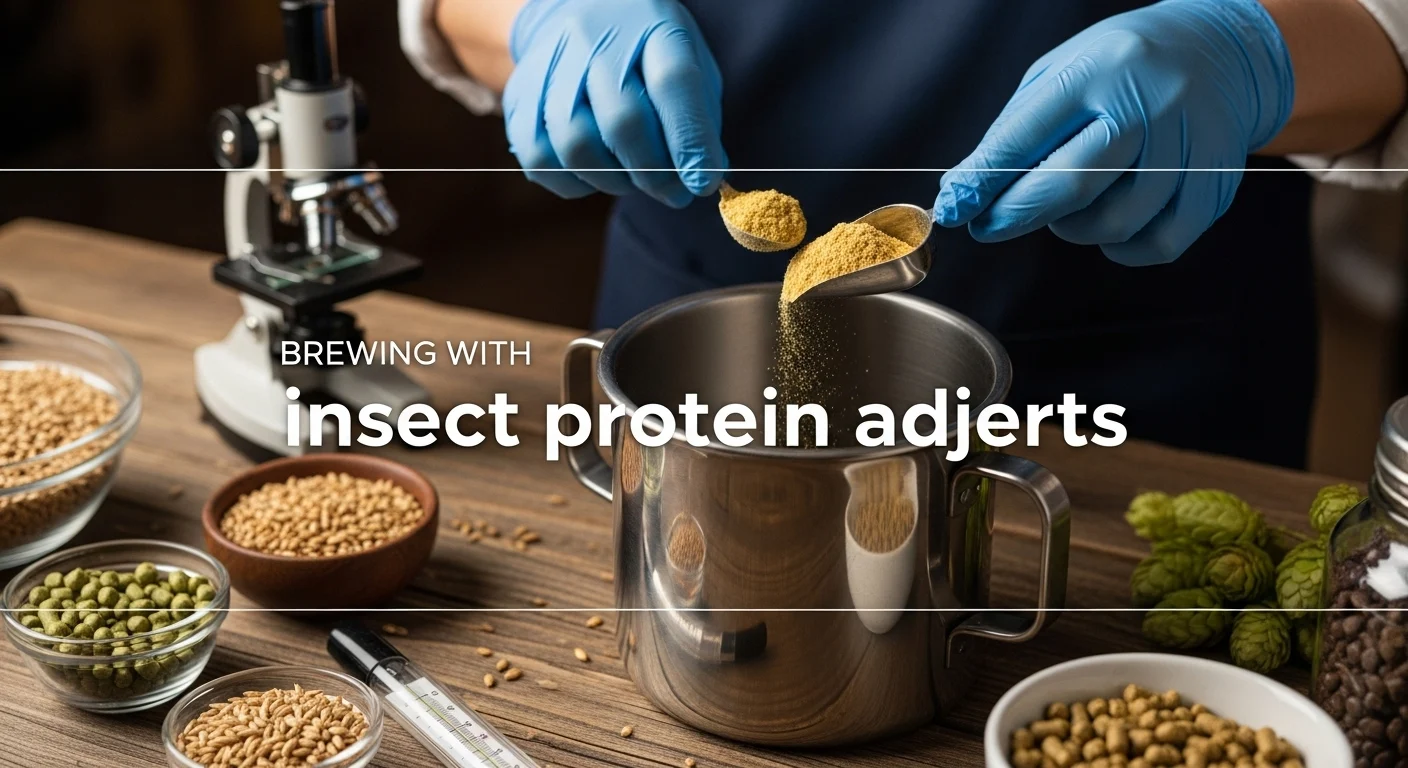
Explore brewing with insect protein adjuncts – from cricket flour to mealworm powder, discover sustainable protein alternatives transforming beer in 2025.
Could crickets replace barley in brewing? Consulting with sustainable breweries while researching alternative ingredients, I’ve explored brewing with insect protein adjuncts through cricket flour mashing, roasted insect additions, and protein-enriched formulations creating novel beers. These alternative protein applications using home brewing equipment demonstrate sustainability-driven ingredient innovation.
Understanding brewing with insect protein adjuncts matters because edible insects provide sustainable protein replacing portions of traditional grain bills while climate change threatens barley availability. According to Axios’ Mexican beer coverage, Mexican beer makers use crickets to supplement barley as drought and excessive heat impede grain growth.
Through my systematic analysis of insect-adjunct beers including Quebec’s Stout Aux Grillons, Belgium’s Beetles Beer, and Mexico’s La Grilla, I’ve learned how roasted crickets, mealworm powder, and insect flour integrate into brewing. Some applications prove surprisingly successful, others face consumer resistance, and several reveal unexpected flavor and technical benefits.
This guide explores seven aspects of insect-adjunct brewing, from processing methods to flavor profiles, helping you understand how alternative proteins transform sustainable beer production.
The Sustainability Case for Insect Brewing
Climate change threatens traditional barley cultivation. Drought and excessive heat reduce barley yields creating supply concerns motivating exploration of alternative starch and protein sources.
The environmental metrics favor insects dramatically. According to American Craft Beer’s analysis, crickets require significantly less water, land, and feed than traditional grain production though taste acceptance challenges remain.
The nutritional density proves remarkable. Cricket flour contains approximately 65% protein, complete amino acid profiles, B vitamins, iron, and calcium creating nutrient-dense brewing adjuncts.
According to SCI’s Beetles Beer coverage, Belgian Beetles Beer enriched with insect vitamins and proteins demonstrates how alternative ingredients challenge consumer assumptions while providing novel experiences.
I appreciate insect brewing’s sustainability potential while recognizing cultural acceptance barriers. The environmental benefits prove compelling, though Western consumer resistance requires gradual introduction and careful positioning.
Processing Methods and Preparation
Roasting proves most effective preparation. According to CBC’s cricket stout coverage, Quebec brewer Jérémie Tremblay found roasted crickets produced malty flavor while raw insects created Tex-Mex notes and ground cricket flour proved too gooey.
The whole versus flour decision affects integration. Ground cricket flour added during mashing provides protein and starch conversion, while whole roasted insects contribute flavor similar to specialty malts.
The sterilization requirement ensures safety. Insects undergo heat treatment killing potential pathogens before brewing use meeting food safety regulations governing novel food ingredients.
According to SCI’s development story, beetles accidentally dried in radio frequency machine created powder analyzed for nutritional content revealing protein and vitamin profiles suitable for brewing enrichment.
The timing decisions affect outcomes. Mash additions extract proteins and starches, while post-fermentation additions preserve distinct insect flavors avoiding conversion or boiling.
Flavor Profiles and Sensory Characteristics
Roasted crickets impart nutty, malty notes. The flavor resembles toasted barley or rye creating natural compatibility with dark beer styles including stouts, porters, and brown ales.
The intensity proves surprisingly mild. According to Bitch Beer’s pairing exploration, crickets possess distinct yet mild nutty flavor easily overwhelmed by bitter IPAs or high-alcohol barrel-aged stouts.
The protein contribution improves foam. According to CBC, added protein from insects keeps beer foamier providing better head retention enhancing visual appeal and mouthfeel.
According to Crafty Pint’s Australian coverage, insects used in mash contribute naturally occurring starches converted to sugars reducing barley malt requirements without significantly altering flavor.
I’ve tasted cricket-adjunct beers. The best examples minimize overt insect flavor focusing on subtle nutty enhancement, while inferior products suffer from overpowering or unpleasant off-notes revealing processing inadequacies.
| Insect Type | Protein Content | Flavor Profile | Best Beer Styles | Processing | Typical Usage Rate |
|---|---|---|---|---|---|
| Crickets | 60-70% | Nutty, malty, earthy | Stouts, porters, brown ales | Roasted whole or flour | 5-15% of grain bill |
| Mealworms | 45-55% | Mild, slightly sweet | Pale ales, amber ales | Ground or powder | 3-10% of grain bill |
| Cicadas | 50-60% | Variable, seasonal | Experimental batches | Boiled or roasted | Special editions only |
| Black Soldier Fly Larvae | 40-50% | Mild, neutral | Lagers, pilsners | Protein extract | 2-8% of grain bill |
Commercial Examples and Case Studies
Quebec’s Stout Aux Grillons pioneered cricket stout. La Baleine Endiablée and Lion Bleu microbreweries collaborated with cricket farmer creating beer with chocolate and coffee tones pairing well with oysters and ribs.
The Belgium Beetles Beer positioned as blonde ale. Described as rich in taste, light sweet, slightly bitter with seductive hopped flavors, the marketing emphasized protein and vitamin content creating novel experience.
Mexico’s La Grilla substitutes crickets for barley. According to Axios, pulverized crickets when lightly toasted taste similar to barley and rye enabling partial substitution in malt/porter production.
According to Nikkei Asia’s Japanese coverage, Join Earth’s cricket-based dark ale tastes like roasted caramel with protein-rich crickets promoting rich flavor, lingering aftertaste, and long-lasting foam.
The cicada beer tradition demonstrates experimental spirit. According to Homebrewers Association’s cicada guide, periodic cicada emergences inspire limited-edition brews showcasing adventurous homebrewing creativity.
Brewing with Insect Protein Adjuncts Technical Brewing Considerations
The mash conversion requires adjustment. Cricket flour contributes protein without sufficient starch-converting enzymes requiring longer mash times or exogenous enzyme additions achieving target conversion efficiency.
The foam stability improves predictably. Increased protein content enhances foam formation and retention creating visual appeal though excessive protein risks chill haze formation.
The fermentation characteristics remain standard. Insect proteins do not significantly affect yeast performance with typical fermentation kinetics and attenuation rates matching all-grain controls.
According to Reddit’s homebrewing discussion, cricket flour added to mash extracts protein while gathering flavor without boiling bugs enabling integration into standard brewing processes.
The filtration complexity increases slightly. Higher protein content may require more aggressive clarification though impact remains minimal compared to heavily-proteinaceous adjuncts like wheat.
Consumer Acceptance and Market Positioning
The “yuck factor” challenges adoption. Western cultural aversion to insect consumption creates marketing obstacles despite logical sustainability arguments and favorable nutritional profiles.
The transparency debate divides producers. Some proudly feature insect ingredients challenging consumer assumptions, while others minimize disclosure fearing rejection despite regulatory approval.
The craft beer audience proves more receptive. Adventurous drinkers seeking novel experiences and prioritizing sustainability show greater willingness trying insect-adjunct beers than mainstream consumers.
According to American Craft Beer, Mexican insect beer creators wanted proving insects can become dietary staples even in drinks while maintaining taste driving experimentation.
The pairing strategy increases acceptance. Serving insect beers alongside insect-based foods normalizes ingredient creating cohesive tasting experiences reducing perceived novelty shock.
Future Developments and Regulatory Landscape
The novel food regulations govern insect ingredients. EU and FDA approval processes require safety documentation, allergen testing, and production standards ensuring consumer protection.
The brewery by-product valorization shows promise. According to CHEERS project’s validation, beer bagasse and yeast feed mealworms creating circular economy using brewing waste producing insect protein.
The protein extraction advances. According to Alfa Laval’s BSG upcycling, EverPro extracts barley protein from spent grain demonstrating alternative protein sourcing from brewing waste.
According to Food Navigator’s alt-protein trends, fermentation-derived proteins represent next-gen sustainability solutions with 72% of Millennials showing interest in alternative protein sources.
The scaling challenges remain substantial. Small-batch experimental brews prove feasible, though commercial-scale production requires reliable insect supply chains, consistent quality standards, and consumer education campaigns.
Frequently Asked Questions
Is beer brewed with insects safe?
Yes – when properly processed and meeting food safety standards. According to SCI, insects undergo sterilization and testing ensuring safety though allergen warnings prove necessary for shellfish-sensitive individuals.
What do insect-adjunct beers taste like?
Varies by processing – roasted crickets impart nutty, malty notes similar to specialty grains. According to CBC, cricket stout tastes like oatmeal stout with twist featuring chocolate and coffee tones.
Why use insects in brewing?
Sustainability – insects require less water, land, and feed than barley while providing protein-rich alternatives. According to Axios, climate change impacts barley availability motivating alternative ingredient exploration.
How much insect protein is used?
Typically 5-15% of grain bill depending on style and desired contribution. According to Crafty Pint, insects in mash reduce barley malt requirements without drastically altering flavor profile.
Do insects improve beer quality?
Potentially – increased protein enhances foam stability and head retention. According to CBC, cricket protein keeps beer foamier providing better head improving visual and sensory experience.
Where can you buy insect beer?
Limited availability – primarily craft breweries in Quebec, Belgium, Mexico, and Japan producing small batches. According to Nikkei Asia, Join Earth’s cricket ale represents growing Asian market interest.
Are insect beers expensive?
Yes – specialty ingredient costs and small production runs create premium pricing typically 20-50% above comparable conventional beers reflecting novelty and sustainability positioning.
Pioneering Alternative Proteins
Understanding brewing with insect protein adjuncts reveals sustainable ingredient innovation responding to climate change and environmental concerns. Roasted crickets, mealworm powder, and insect flour provide protein-rich barley alternatives requiring less water and land.
Processing methods emphasize roasting creating nutty, malty flavors naturally complementing dark beer styles. The preparation decisions affect texture, flavor intensity, and brewing integration requiring experimentation identifying optimal approaches.
Flavor profiles prove surprisingly compatible with traditional beer styles when properly processed. The protein contribution improves foam stability and head retention creating technical benefits beyond sustainability positioning.
Commercial examples from Quebec, Belgium, Mexico, and Japan demonstrate growing global interest though production remains small-batch experimental. The consumer acceptance challenges require education, transparency, and strategic positioning overcoming cultural resistance.
Technical brewing considerations include mash conversion adjustments, foam stability improvements, and standard fermentation characteristics. The integration proves feasible within existing brewing processes requiring minimal equipment modifications.
As a sustainability advocate consulting with eco-friendly breweries, I appreciate insect brewing’s environmental promise while recognizing consumer education requirements. The logical sustainability arguments prove compelling, though Western cultural aversion demands gradual introduction through adventurous craft beer audiences.
Future developments include regulatory clarification, brewery waste valorization feeding insects, and scaling challenges addressing supply chain consistency. The circular economy potential combining spent grain insect farming with insect-adjunct brewing creates compelling sustainability narratives.
Start exploring insect brewing through understanding available insect ingredients and suppliers in your region, experimenting with small test batches evaluating flavor and technical performance, and appreciating how alternative proteins represent brewing’s sustainable future requiring both innovation and consumer education.
About the Author
Amber Maltson is a certified Cicerone and sustainability advocate who has spent over 8 years consulting with breweries on implementing eco-friendly practices and alternative ingredient sourcing. After earning her degree in Environmental Science, Amber combined her passion for craft beer with sustainable ingredient knowledge, specializing in how breweries evaluate and implement novel protein sources including insects, spent grain upcycling, and fermentation-derived proteins. Her consulting work includes helping breweries navigate novel food regulations, develop experimental batches with alternative ingredients, and position sustainability-focused products appropriately.
Amber’s systematic approach emphasizes both environmental benefits and consumer acceptance strategies documenting measurable sustainability improvements while addressing cultural barriers. When not consulting with breweries or researching alternative ingredients, Amber teaches workshops on sustainable brewing practices and circular economy principles. Connect with her at [email protected] for insights on alternative brewing ingredients and sustainable production methods.