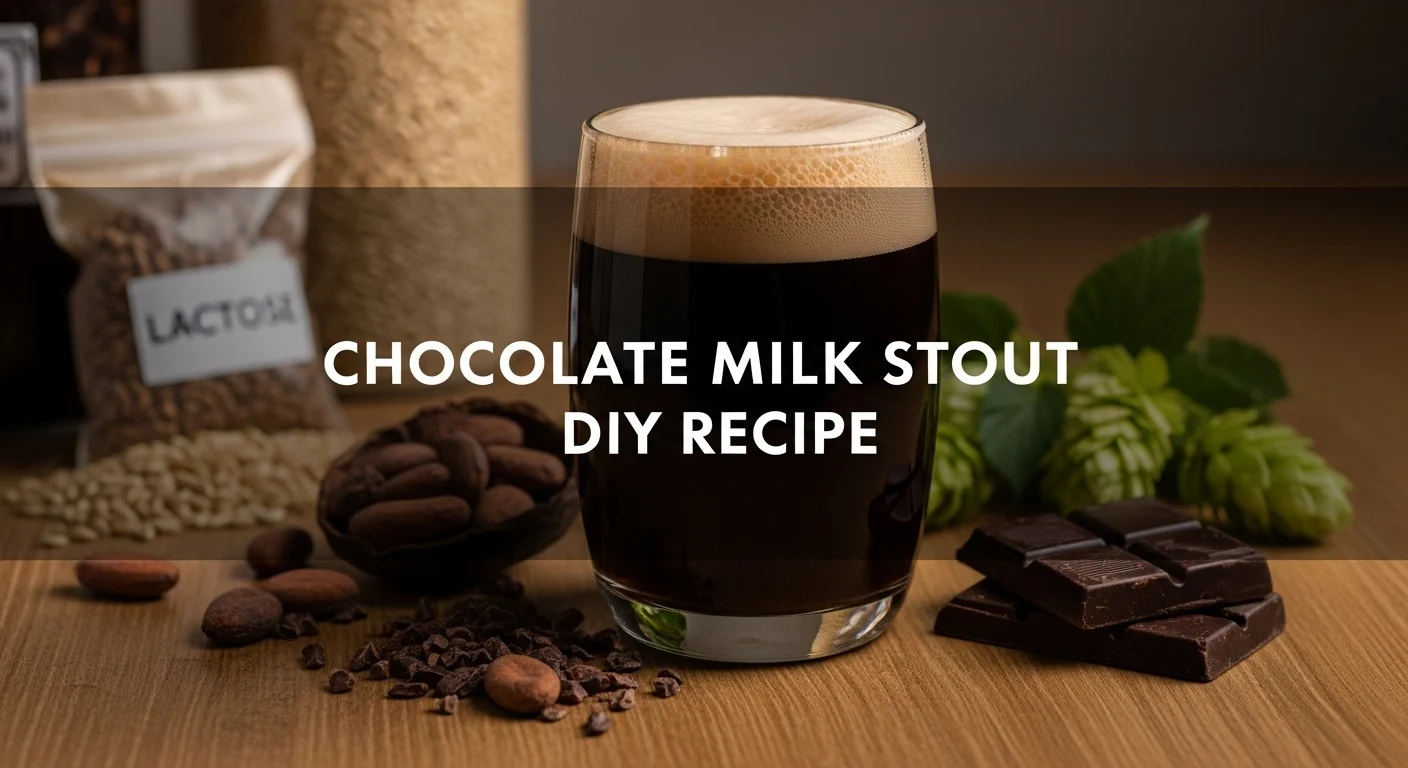
Master the complete Chocolate Milk Stout DIY recipe with traditional techniques, proper lactose integration, chocolate addition methods, and extended conditioning for creating rich dessert stouts.
Chocolate Milk Stout DIY recipe represents one of the most beloved and rewarding styles in homebrewing, requiring mastery of lactose integration, chocolate preparation techniques, and balanced stout brewing to create the characteristic opaque black appearance, rich chocolate-coffee complexity, and creamy mouthfeel that transforms traditional stout into an indulgent dessert beer experience. After developing numerous Chocolate Milk Stout DIY recipe variations over the past seven years and experimenting with different chocolate forms and lactose ratios, I can confidently state that mastering this style demands understanding the intricate balance between roasted malt foundations, unfermentable sugar additions, and chocolate enhancement that creates beers with remarkable richness while maintaining the smooth, sweet character defining modern milk stout excellence.
My Chocolate Milk Stout DIY recipe journey began with attempts that either produced harsh, astringent beers from excessive roasted malts or overly sweet, cloying ales that lacked the essential chocolate complexity. The breakthrough came when I discovered that proper lactose dosage and chocolate timing techniques create the foundation while balanced grain bills and specialized ingredient preparation develop the luscious, integrated character that separates exceptional chocolate milk stouts from ordinary sweet beers through proven brewing methods.
This comprehensive Chocolate Milk Stout DIY recipe guide explores every aspect of dessert stout brewing including grain bill formulations, lactose usage protocols, chocolate preparation methods, and fermentation techniques that produce the signature jet-black appearance, decadent chocolate-cream aromatics, and substantial body defining this popular American craft beer innovation. From understanding lactose behavior to mastering chocolate integration timing, this guide provides complete knowledge for creating outstanding chocolate milk stouts that showcase both brewing creativity and dessert-like satisfaction.
Whether you’re beginning dessert beer exploration or seeking to master specialty ingredient brewing, learning Chocolate Milk Stout DIY recipe provides essential skills while creating indulgent beers that demonstrate both technical precision and creative expression through systematic approach and proven methods.
Understanding Chocolate Milk Stout Character
Authentic Chocolate Milk Stout displays opaque black coloration with rich complexity ranging from 1.055-1.075 original gravity while achieving 4.5-7.0% alcohol content through sophisticated grain bills enhanced by lactose and chocolate that creates the signature creamy sweetness, intense chocolate aromatics, and substantial mouthfeel defining modern dessert stout brewing excellence.
Opaque Black Appearance
Traditional milk stouts exhibit jet-black color with rich brown foam while showcasing complete opacity and persistent head retention that creates visual impact essential for dessert beer presentation through proper grain selection.
Rich Chocolate-Coffee Integration
Chocolate malt and cocoa additions provide complex cocoa character while contributing milk chocolate notes rather than bitter dark chocolate through careful variety selection and timing coordination.
Creamy, Sweet Mouthfeel
Lactose provides distinctive smooth texture and residual sweetness while unfermentable milk sugar enhances body and creates the characteristic “milky” character that defines the style.
Balanced Roasted Character
Roasted malts provide coffee-like backbone without harshness while chocolate malt and roasted barley contribute depth without overwhelming the sweet chocolate integration.
Dessert-Like Richness
Substantial body supports complex flavor integration while creating a beer that functions as both beverage and dessert through proper ingredient balance and brewing technique.
For comprehensive Chocolate Milk Stout brewing techniques and specialty ingredient methods, explore the dessert brewing resources at BrewMyBeer’s specialty stout section, where traditional stout brewing meets modern dessert innovation and precision.
Essential Chocolate Milk Stout Ingredients
Authentic Chocolate Milk Stout DIY recipe requires specific ingredient combinations including quality base malts, roasted grains, lactose, chocolate additions, and clean yeast strains that create distinctive character through ingredient quality and proper integration techniques.
Base Malt Foundation
Pale ale or 2-row malt comprises 70-80% of grain bills providing essential clean grain character while contributing light color foundation and enzymatic power necessary for complex specialty grain conversion.
Chocolate Malt Integration
Chocolate malt adds 8-12% rich cocoa character while providing milk chocolate notes and enhanced color without harsh astringency through quality British specialty malts.
Crystal Malt Sweetness
Caramel 60-80L malts contribute 8-15% caramel complexity while providing residual sweetness and enhanced mouthfeel that complements lactose additions through systematic grain selection.
Roasted Barley Character
Small amounts of roasted barley provide 2-5% coffee notes while contributing essential stout character without overwhelming chocolate and sweet integration.
Lactose Sugar Addition
Unfermentable lactose provides 0.5-1.5 lbs per 5 gallons while contributing creamy sweetness and enhanced body that defines milk stout character through proper dosage.
Chocolate Enhancement Options
Cocoa nibs, cocoa powder, or chocolate syrup provide chocolate intensity while various forms offer different character contributions through specialized preparation and timing.
Minimal Hop Character
Low-alpha hops provide balance without interfering with sweetness while Northern Brewer or Willamette varieties contribute gentle bitterness through restrained application.
| Ingredient Component | Percentage Range | Character Contribution | Quality Requirements | Integration Benefits |
|---|---|---|---|---|
| Base Malt | 70-80% | Clean foundation | Premium quality | Essential backbone |
| Chocolate Malt | 8-12% | Cocoa character | British quality | Milk chocolate notes |
| Crystal Malts | 8-15% | Caramel sweetness | Traditional varieties | Body enhancement |
| Lactose | 0.5-1.5 lbs/5 gal | Creamy sweetness | Pure quality | Signature character |
| Chocolate Additions | Variable | Intense chocolate | Quality processing | Flavor enhancement |
Complete Chocolate Milk Stout Recipe
This proven Chocolate Milk Stout DIY recipe produces 5 gallons of exceptional dessert stout with proper balance, rich character, and indulgent appeal through carefully selected ingredients and proven brewing techniques.
All-Grain Recipe Specifications
Target original gravity 1.060, final gravity 1.022, 27 IBU, 36 SRM, and 5.0% ABV while creating authentic chocolate milk stout character through traditional ingredient ratios and systematic brewing methods.
Rich Dessert Grain Bill
Premium ingredients include 8 lbs 2-row malt, 1 lb Caramel 80L, 1 lb chocolate malt, 0.25 lb roasted barley, and 1 lb lactose while providing proper foundation, complexity, and authentic sweet character development.
Chocolate Enhancement Strategy
4 oz cocoa nibs soaked in vodka for one week provides intense chocolate character while alcohol extraction preserves aromatics and prevents contamination through proven preparation methods.
Balanced Hop Schedule
1.5 oz Willamette first wort hops and 0.5 oz at 60 minutes while creating gentle bitterness that balances sweetness without overwhelming chocolate integration.
Clean Yeast Selection
Safale US-05 or similar neutral ale yeast provides reliable fermentation while maintaining clean profiles that showcase ingredient integration without competing flavors.
Lactose Integration and Dosage
Strategic lactose usage represents the defining aspect of Chocolate Milk Stout DIY recipe while proper dosage, timing, and quality create the distinctive creamy character that separates milk stouts from ordinary sweet beers.
Dosage Guidelines
0.5 lb lactose creates subtle sweetness enhancement while 0.75-1 lb provides moderate milk stout character and 1+ lb creates distinctly sweet, dessert-like profiles through systematic scaling.
Addition Timing Options
Add lactose during final 15 minutes of boil for sterilization while late addition ensures dissolution without caramelization that might affect intended flavor development.
Post-Fermentation Adjustment
Taste-based lactose additions during packaging allow precise control while adding 0.25 lb increments until desired sweetness achieved through systematic evaluation.
Quality Considerations
Use pharmaceutical-grade lactose for consistency while avoiding food-grade variants that might contain additives affecting fermentation or flavor development.
Fermentation Impact
Lactose remains unfermented creating residual sweetness while understanding that final gravity increases proportionally with lactose additions through systematic measurement.
Chocolate Preparation and Integration
Proper chocolate handling creates authentic Chocolate Milk Stout DIY recipe character while variety selection, preparation methods, and timing develop the complex cocoa notes that define exceptional chocolate integration.
Cocoa Nib Preparation
Toast cocoa nibs lightly to enhance chocolate character while 10-15 minutes at 250°F develops nutty complexity without bitter compounds through controlled thermal processing.
Alcohol Extraction Method
Soak cocoa nibs in vodka for 1-2 weeks while 4 oz nibs in 8 oz vodka creates concentrated chocolate essence that integrates cleanly without particulate matter.
Alternative Cocoa Powder Usage
Add 2-4 oz unsweetened cocoa powder at 15 minutes while ensuring complete dissolution and sterilization through boil integration and systematic mixing.
Chocolate Syrup Applications
High-quality chocolate syrup provides consistent results while 8-16 oz additions create reliable chocolate character through commercial processing and standardized concentration.
Secondary Addition Timing
Add chocolate tincture after primary fermentation while active yeast prevents oxidation and contamination through biological protection and systematic timing.
Specialized Stout Mashing Techniques
Effective stout mashing optimizes Chocolate Milk Stout DIY recipe extraction while temperature control and timing create proper conditions for complex grain bill conversion and body development.
Moderate Temperature Protocol
Mash at 152°F for balanced fermentability and body while promoting enzyme activity that creates proper balance between attenuation and residual sweetness.
Extended Conversion Period
Hold mash temperature for 60-90 minutes while ensuring complete starch conversion from complex specialty grain combinations through adequate enzyme contact time.
Dark Grain Integration
Add roasted grains during final 15 minutes of mash while minimizing harsh extraction and tannin development that might create inappropriate astringency.
pH Management
Target mash pH around 5.4-5.6 for dark grains while roasted malts naturally lower pH requiring alkalinity adjustment to maintain optimal enzyme conditions.
Sparge Control
Maintain sparge temperature below 170°F while preventing tannin extraction from dark grains that might create harsh astringency inappropriate for sweet stouts.
Fermentation Management for Sweet Stouts
Successful chocolate milk stout fermentation requires systematic yeast management while understanding lactose impact on yeast performance creates optimal conditions for clean character development.
Yeast Selection Strategy
Clean ale strains handle unfermentable sugars effectively while neutral profiles including US-05 and S-04 allow ingredient character complete expression through proven performance.
Temperature Control Protocol
Ferment at 64-68°F for clean character development while controlled temperatures prevent excessive ester formation that might compete with chocolate and sweet integration.
Extended Primary Duration
Allow 2-3 weeks primary fermentation while monitoring gravity changes and ensuring complete yeast activity before chocolate additions or packaging phases.
Yeast Health Considerations
Higher gravity and lactose may stress yeast requiring adequate nutrients and cell counts while maintaining optimal environmental conditions.
Final Gravity Assessment
Expect higher final gravity due to lactose while understanding that 1.018-1.025 represents normal attenuation for milk stout recipes.
Water Chemistry for Sweet Stouts
Proper water chemistry supports Chocolate Milk Stout DIY recipe development while mineral profiles influence both mash performance and final beer character through systematic chemistry management.
London Water Profile Benefits
Moderately hard water enhances stout character while higher alkalinity buffers dark grain acidity and supports proper enzyme activity through traditional brewing chemistry.
Alkalinity Buffer Management
Adequate bicarbonate counteracts mash pH drop while dark grains naturally acidify requiring buffering capacity to maintain optimal brewing conditions.
Calcium Requirements
150-200 ppm calcium supports yeast health and protein precipitation while providing essential minerals for challenging fermentation without excessive mineral interference.
Chloride Enhancement
Moderate chloride levels enhance mouthfeel and sweetness perception while supporting chocolate integration and body development through mineral optimization.
Treatment Coordination
Balance mineral additions for both extraction and flavor while avoiding excessive chemistry that might interfere with delicate chocolate and sweet balance.
Advanced Chocolate Integration Techniques
Professional chocolate integration employs sophisticated methods that optimize flavor development while preventing contamination and achieving consistent results through systematic preparation.
Multiple Chocolate Source Blending
Combine cocoa nibs, powder, and syrup for complexity while layered chocolate additions create depth impossible to achieve through single-source methods.
Vanilla Bean Enhancement
Add vanilla bean to chocolate tincture for dessert character while complementary flavoring creates sophisticated dessert integration through traditional pairing approaches.
Coffee Integration Options
Cold brew coffee additions complement chocolate character while 1-2 cups cold brew enhance mocha complexity through systematic flavor development.
Bourbon Enhancement
Soak chocolate in bourbon for enhanced complexity while alcohol extraction combined with barrel character creates premium dessert integration.
Temperature-Controlled Extraction
Controlled extraction temperatures optimize chocolate character while preventing harsh compound development through systematic thermal management.
Carbonation and Serving Considerations
Proper carbonation enhances Chocolate Milk Stout DIY recipe appreciation while service temperature and presentation showcase the rich character and dessert-like qualities defining the style.
Moderate Carbonation Levels
Target 2.2-2.4 volumes CO2 for proper mouthfeel while lower carbonation enhances creamy texture and prevents harsh carbonic interference with sweetness.
Optimal Serving Temperature
Serve at 45-50°F for maximum character expression while proper temperature showcases both chocolate complexity and sweet integration without masking delicate balance.
Glassware Selection
Use snifters or tulip glasses for aromatic concentration while proper glassware enhances chocolate aromatics and supports dessert beer appreciation.
Presentation Enhancement
Consider nitrogen service for enhanced texture while widget systems or nitrogen taps create exceptional mouthfeel and visual appeal.
Dessert Pairing Opportunities
Complements chocolate desserts and ice cream while rich character supports rather than competes with sweet dessert courses through balanced integration.
Troubleshooting Chocolate Milk Stout Production
Common Chocolate Milk Stout DIY recipe challenges require systematic solutions while addressing problems including harsh chocolate character, excessive sweetness, fermentation issues, and balance problems.
Harsh Chocolate Character
Excessive cocoa bitterness indicates preparation problems requiring reduced quantities, improved processing, or variety substitution while maintaining chocolate intensity.
Overly Sweet Character
Excessive lactose creates cloying profiles requiring systematic reduction and better balance with roasted grain character through recipe adjustment.
Poor Chocolate Integration
Inadequate chocolate character indicates timing or preparation issues requiring improved extraction methods, increased quantities, or better processing techniques.
Fermentation Performance Issues
Lactose and higher gravity stress yeast requiring enhanced management through adequate nutrients and optimal environmental conditions.
Clarity and Presentation Problems
Chocolate particles affect visual appeal requiring improved filtration and processing while maintaining chocolate character through systematic refinement.
Modern Variations and Innovation
Contemporary Chocolate Milk Stout DIY recipe development explores creative possibilities while maintaining traditional foundations through innovative ingredient combinations and processing techniques.
Pastry Stout Applications
Enhanced sweetness and additional flavors create dessert-focused beers while maintaining balance through systematic ingredient integration and proven brewing methods.
Barrel Aging Enhancement
Bourbon or whiskey barrel aging adds complexity while oak character complements chocolate and vanilla through traditional conditioning methods.
Specialty Chocolate Applications
Single-origin chocolates create unique terroir expressions while premium ingredients showcase specific regional character through quality sourcing.
Spice Integration Options
Cinnamon, chili, or other spices enhance complexity while complementary additions create unique profiles through systematic flavor development.
Seasonal Variations
Holiday spices and seasonal ingredients create themed versions while maintaining chocolate foundations through creative seasonal adaptation.
Conclusion and Brewing Excellence
Mastering Chocolate Milk Stout DIY recipe requires understanding specialty ingredient integration while systematic lactose usage, chocolate preparation, and fermentation management create exceptional examples that showcase dessert brewing artistry.
Begin with proven ingredient ratios and quality materials while building understanding of lactose behavior and chocolate processing that enables authentic character development.
Master timing coordination and balance management while developing skills in specialty ingredient integration that separate exceptional chocolate milk stouts from ordinary sweet beers.
Practice systematic evaluation and recipe refinement while understanding that exceptional dessert stouts reward creativity and quality ingredients through proven brewing methods.
Remember that Chocolate Milk Stout DIY recipe success depends on ingredient harmony while creating indulgent, dessert-like beers that demonstrate both brewing skill and creative expression through systematic technique application.
The investment in understanding dessert brewing provides lasting education while creating exceptional specialty stouts that showcase the marriage between traditional brewing and modern dessert innovation.
Choose quality ingredients and proven techniques while maintaining respect for balance and drinkability that makes chocolate milk stouts both technically challenging and remarkably satisfying to create and enjoy.
About the Author
Tyler Yeastman specializes in fermentation microbiology and yeast behavior, bringing over 12 years of experience in both commercial brewing and laboratory research to his analysis of complex fermentation systems including specialty ingredient brewing. His expertise in microbial ecology and controlled fermentation makes him particularly knowledgeable about the precise environmental controls required for successful milk stout production, especially managing yeast performance in high-gravity worts containing unfermentable sugars and specialty ingredients.
Tyler has extensively studied dessert beer innovations through research with craft breweries pioneering lactose and chocolate integration where he documented the optimization of specialty ingredient timing and fermentation management techniques. His scientific approach to understanding fermentation helps brewers appreciate the remarkable biological complexity involved in managing unfermentable sugars while maintaining clean flavor profiles and preventing contamination in chocolate-forward applications. Tyler maintains a comprehensive fermentation laboratory where he studies lactose fermentation patterns, chocolate integration effects, and specialty ingredient impacts on yeast health, contributing to several research publications on dessert beer production and modern specialty brewing techniques.
His systematic approach to yeast management and specialty ingredient integration makes him particularly skilled at troubleshooting the unique challenges presented by chocolate milk stout brewing including managing competing flavors and optimizing ingredient timing for maximum integration. When not analyzing fermentation data or researching specialty brewing techniques, Tyler enjoys exploring how traditional stout brewing methods can be enhanced through modern ingredient understanding while embracing the creative freedom that makes chocolate milk stouts such a remarkable expression of both brewing science and dessert innovation. Contact Tyler at [email protected] or explore his comprehensive fermentation guides and specialty brewing resources at brewmybeer.online.