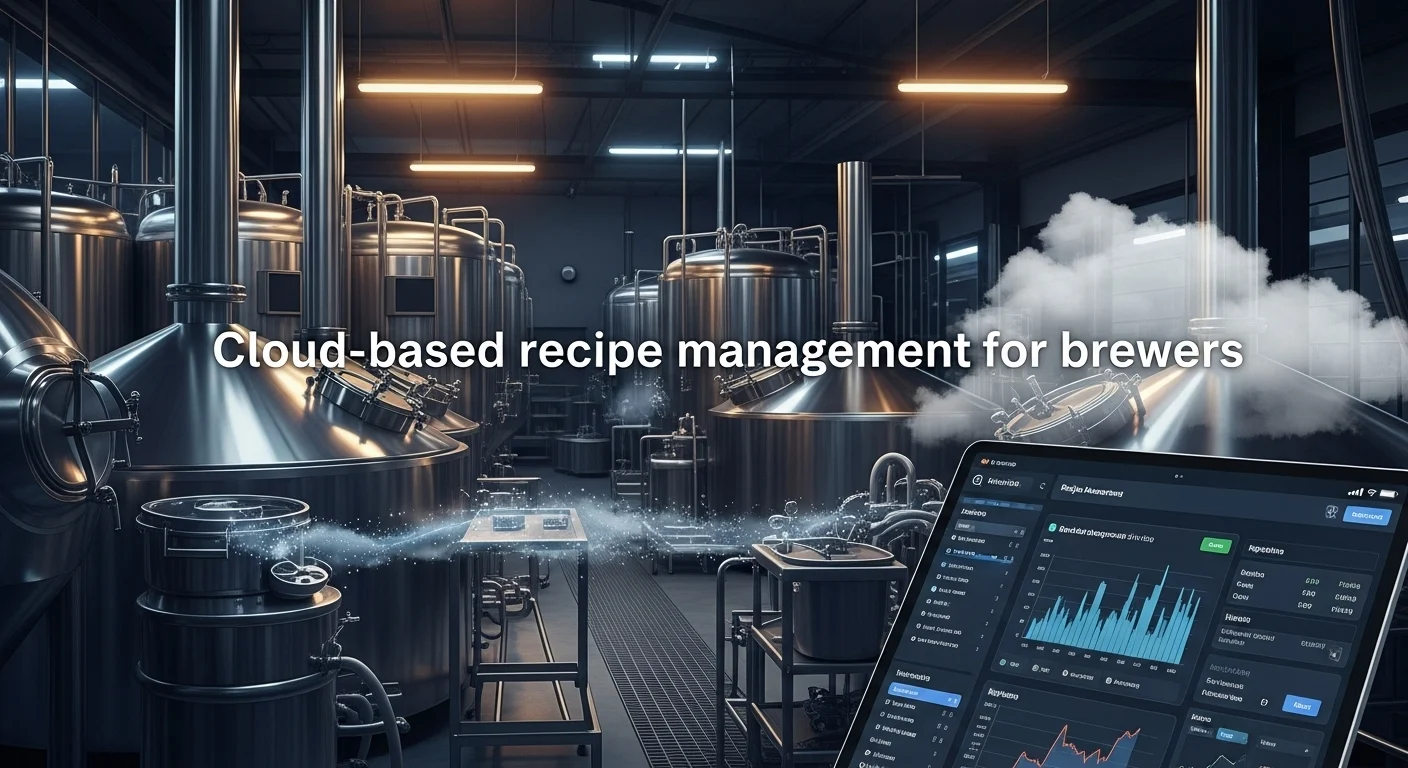
Cloud-Based Recipe Management for Brewers Transform your brewing with cloud-based recipe management platforms that offer unlimited access, real-time collaboration, and automatic data synchronization. Discover how modern brewers are streamlining operations with smart cloud solutions that scale from homebrewing to commercial production.

Modern brewing has embraced cloud-based recipe management as the foundation for consistent quality, efficient collaboration, and scalable operations. These sophisticated platforms eliminate the limitations of traditional desktop software while providing universal access to recipes, batch data, and brewing insights from any device, anywhere in the world.hazyandhoppy+1
The evolution of cloud-based recipe management represents more than just technological advancement – it fundamentally transforms how brewers approach recipe development, data analysis, and team collaboration. From solo homebrewers to large commercial operations, cloud platforms deliver unprecedented flexibility and control over the brewing process.washingtonbeerblog+1
Understanding the capabilities, benefits, and limitations of cloud-based recipe management platforms helps brewers make informed decisions about modernizing their operations. The investment in cloud technology pays dividends through improved efficiency, reduced data loss risks, and enhanced collaboration capabilities that traditional methods simply cannot match.metastatinsight+1
Understanding Cloud-Based Recipe Management Architecture
Cloud-based recipe management operates on distributed server networks that store brewing data, recipes, and calculations remotely while providing access through web browsers and mobile applications. This architecture eliminates the need for local software installations while ensuring data availability across multiple devices and locations.craftbrewingbusiness+1
Modern platforms utilize sophisticated database systems that synchronize recipe changes, batch updates, and inventory modifications in real-time. The underlying infrastructure handles complex brewing calculations, style guideline comparisons, and equipment profile adjustments automatically.dataintelo+1
Core Technology Components
Cloud synchronization engines ensure that recipe modifications appear instantly across all connected devices. When a brewer updates a recipe on their smartphone, the changes immediately become available on desktop computers, tablets, and other connected devices.apple+1
Data redundancy systems protect against information loss through multiple backup copies stored across geographically distributed servers. This approach eliminates the risk of losing valuable recipes and brewing data due to hardware failures or accidents.craftbrewingbusiness+1
Application programming interfaces (APIs) enable integration with brewing equipment, fermentation monitoring devices, and third-party software platforms. These connections create comprehensive brewing ecosystems that automate data collection and analysis.brewfather+1
| Platform | Pricing Model | Device Support | Recipe Storage | Collaboration Features | Offline Support | Integration Options | Target Audience | Data Export | Best Feature |
|---|---|---|---|---|---|---|---|---|---|
| Brewfather | Freemium + $20/year | All devices | Unlimited (premium) | Recipe sharing | Yes | 15+ devices | Homebrewers | BeerXML | User-friendly design |
| BeerSmith Cloud | One-time $29.95 + Cloud fees | Desktop + Mobile | 15 free + paid tiers | Limited sharing | Yes | Limited | All brewers | BeerXML | Desktop integration |
| Breww | Monthly subscription | All devices | Unlimited | Team collaboration | Limited | 20+ integrations | Commercial breweries | Multiple formats | Complete brewery mgmt |
| Ekos | Enterprise pricing | All devices | Unlimited | Multi-user access | No | 50+ integrations | Large breweries | Multiple formats | Enterprise features |
| BrewPlanner | Monthly subscription | Web + Mobile | Unlimited | Team management | Limited | Basic | Small-medium breweries | CSV/PDF | Production planning |
| Unleashed | Monthly per user | All devices | Unlimited | Multi-user access | No | 300+ apps | Enterprise breweries | Multiple formats | Inventory control |
Security and Data Protection
Enterprise-grade security measures protect sensitive brewing recipes and business data through encrypted connections and secure authentication protocols. Multi-factor authentication options provide additional protection against unauthorized access.nutanix+1
Regular security audits and compliance certifications ensure that cloud-based recipe management platforms meet industry standards for data protection. These measures provide confidence for commercial breweries handling proprietary recipes and customer information.matellio+1
Popular Cloud-Based Recipe Management Platforms
Brewfather leads the homebrewing market with its intuitive interface and comprehensive feature set designed for modern brewing workflows. The platform combines powerful recipe design tools with batch tracking, inventory management, and fermentation monitoring capabilities.hazyandhoppy+1
BeerSmith Cloud extends the popular desktop software’s capabilities to cloud-based storage and synchronization. This hybrid approach appeals to existing BeerSmith users seeking cloud benefits while maintaining familiar desktop functionality.beersmithyoutube
Brewfather Platform Analysis
Brewfather’s cloud-first architecture provides seamless synchronization across all devices while maintaining full functionality offline. The platform automatically updates recipes, batch data, and inventory information when connectivity returns.brewfather+1
The recipe designer offers advanced calculations for gravity, color, bitterness, and alcohol content while supporting multiple style guidelines including BJCP, Brewers Association, and custom standards. Water chemistry tools provide detailed mineral calculations and pH predictions for recipe optimization.hazyandhoppy+1
Integration capabilities connect Brewfather with popular fermentation monitoring devices including Tilt hydrometers, iSpindel units, and PLAATO systems. These connections enable automated data logging and real-time fermentation tracking.apple+1
BeerSmith Cloud Integration
BeerSmith Cloud provides cloud storage and synchronization for the established desktop brewing software. The hybrid model maintains desktop functionality while enabling recipe sharing and device synchronization.youtubebeersmith
Cloud folder organization allows brewers to create custom folder structures for different beer styles, brewing projects, or seasonal recipes. Drag-and-drop functionality simplifies recipe management and sharing between devices.beersmithyoutube
Recipe rating and sharing features enable community interaction and recipe discovery through the BeerSmith cloud platform. Brewers can share successful recipes while discovering new formulations from other users.beersmith+1
Commercial Platform Solutions
Breww targets commercial breweries with comprehensive production management, inventory control, and customer relationship management features. The platform integrates recipe management with business operations including sales, distribution, and regulatory compliance.breww+1
Ekos provides enterprise-level brewery management with sophisticated inventory tracking, production scheduling, and financial reporting capabilities. The platform supports multi-location operations and complex supply chain management.9cv9+1
Benefits of Cloud-Based Recipe Management
Accessibility represents the primary advantage of cloud-based recipe management, enabling recipe access from any internet-connected device. Brewers can review recipes during ingredient shopping, make adjustments during brew days, or share formulations with colleagues instantly.craftbrewingbusiness+1
Collaboration capabilities transform recipe development from individual efforts into team-based projects. Multiple brewers can contribute to recipe development, share tasting notes, and collectively improve formulations over time.hopculture+1
| Benefit Category | Description | Traditional Method | Cloud-Based Method | Impact Level | ROI Timeline |
|---|---|---|---|---|---|
| Accessibility | Access recipes from any device, anywhere | Local files only | Universal access | High | Immediate |
| Collaboration | Share recipes with team members instantly | Manual sharing via email/files | Real-time collaboration | Very High | Within 1 month |
| Data Security | Automatic backups and data recovery | Risk of data loss | Automated backups | High | 6 months |
| Cost Efficiency | No hardware investment required | High upfront costs | Subscription model | Medium | 3-6 months |
| Scalability | Easily scale up or down as needed | Limited by hardware | Instant scaling | High | 1-3 months |
| Maintenance | Automatic updates and maintenance | Manual updates required | Automatic updates | Medium | Immediate |
Operational Efficiency Improvements
Automatic data synchronization eliminates manual recipe transfers between devices. Changes made on smartphones immediately appear on desktop computers, tablets, and other connected devices.dataintelo+1
Version control systems track recipe modifications over time, enabling brewers to revert to previous versions or compare different iterations. This capability proves invaluable for recipe refinement and troubleshooting.brewfather+1
Batch history integration connects recipes with actual brewing results, creating comprehensive databases of brewing performance. These historical records support quality control and process optimization efforts.matellio+1
Enhanced Collaboration Features
Recipe sharing capabilities enable instant distribution of formulations to team members, collaborators, or brewing communities. Permission controls allow recipe creators to specify viewing, editing, or copying privileges.pro.minibrew+1
Community recipe libraries provide access to thousands of tested formulations from other brewers. Rating systems and user reviews help identify high-quality recipes worth trying.hopculture+1
Real-time collaboration tools allow multiple users to work on recipe development simultaneously. Comments, suggestions, and modifications can be tracked and attributed to specific contributors.breww+1
Integration with Brewing Equipment and Devices
Modern cloud-based recipe management platforms integrate with various brewing devices and monitoring systems. These connections automate data collection while providing real-time insights into brewing processes.apple+1
Fermentation monitoring integrations support popular devices including Tilt hydrometers, iSpindel systems, and PLAATO monitors. Automated data logging eliminates manual record-keeping while providing detailed fermentation curves.hazyandhoppy+1
Cloud-Based Recipe Management for Brewers Device Connectivity Options
Bluetooth and WiFi connectivity enable direct communication between brewing devices and cloud platforms. Temperature sensors, gravity monitors, and pH meters can stream data directly to recipe management systems.brewfather+1
API integrations support custom device connections and third-party software platforms. Webhook support enables automated triggers and notifications based on brewing conditions or milestones.breww+1
Equipment profile synchronization ensures that recipe calculations match actual brewing system specifications. Changes to equipment profiles automatically update all associated recipes.apple+1
Automated Data Collection
Connected devices eliminate manual data entry requirements while improving accuracy and consistency. Temperature logs, gravity readings, and timing data populate automatically throughout fermentation.craftbrewingbusiness+1
Alert systems notify brewers of important events including fermentation completion, temperature excursions, or equipment malfunctions. Push notifications ensure timely responses regardless of location.hazyandhoppy+1
Historical data analysis reveals patterns and trends across multiple batches. Statistical tools identify correlations between process variables and beer quality.matellio+1
Cost Analysis and Return on Investment
Cloud-based recipe management platforms typically operate on subscription models that eliminate large upfront software purchases. Monthly or annual fees provide access to continuously updated features and cloud storage.dataintelo+1
Total cost of ownership calculations must consider subscription fees, integration costs, and training requirements. However, the operational benefits often justify the ongoing expenses through improved efficiency and reduced data loss risks.metastatinsight+1
Subscription Model Benefits
Automatic software updates ensure access to the latest features and security improvements without additional costs. Bug fixes and feature enhancements deploy automatically to all users.dataintelo+1
Scalable pricing models accommodate growing operations without requiring new software purchases. Additional users, storage capacity, or advanced features can be added as needed.metastatinsight+1
Technical support included with subscriptions provides assistance with setup, troubleshooting, and optimization. Professional support reduces the burden on internal IT resources.breww+1
Long-Term Value Proposition
Data portability protects against vendor lock-in through standard export formats. BeerXML compatibility enables recipe transfers between different platforms.brewfather+1
Reduced hardware requirements eliminate server maintenance and backup responsibilities. Cloud providers handle infrastructure management, security updates, and disaster recovery.craftbrewingbusiness+1
Improved collaboration and efficiency often provide measurable returns through faster recipe development and reduced errors. Time savings and quality improvements justify subscription costs for active brewing operations.matellio+1
Implementation Best Practices
Successful cloud-based recipe management implementation requires careful planning and systematic migration from existing systems. Data migration, user training, and workflow integration determine long-term success.matellio+1
Recipe standardization efforts should precede cloud platform adoption to ensure consistency and accuracy. Cleaning up existing recipe databases prevents carrying forward errors and inconsistencies.metastatinsight+1
Migration Strategy Development
Data export from existing systems requires identifying all recipe files, batch logs, and related information. Standard formats like BeerXML facilitate transfers between different platforms.beersmith+1
Equipment profile recreation ensures accurate calculations in the new cloud platform. Measurements, efficiency ratings, and system-specific parameters must be carefully transferred.hazyandhoppy+1
User account setup and permission configuration establish appropriate access levels for different team members. Administrative controls prevent unauthorized recipe modifications or deletions.breww+1
Training and Adoption
User training programs accelerate platform adoption while reducing resistance to change. Hands-on workshops demonstrate key features and workflows relevant to specific brewing roles.dataintelo+1
Gradual rollout strategies introduce cloud features progressively rather than replacing all systems simultaneously. Parallel operation periods allow users to become comfortable with new tools while maintaining existing workflows.metastatinsight+1
Champion user programs identify early adopters who can provide peer support and encourage broader adoption. Success stories and best practice sharing accelerate organization-wide implementation.craftbrewingbusiness+1
Security and Compliance Considerations
Data security remains a primary concern for breweries considering cloud-based recipe management. Proprietary recipes represent valuable intellectual property requiring protection against unauthorized access.nutanix+1
Regulatory compliance requirements vary by jurisdiction and business type. Commercial breweries must ensure that cloud platforms support necessary record-keeping and reporting obligations.matellio+1
Data Protection Measures
Encryption in transit and at rest protects recipe data during transmission and storage. Advanced encryption standards ensure that intercepted data remains unreadable.dataintelo+1
Access control systems limit recipe visibility and modification rights to authorized users. Role-based permissions align system access with job responsibilities and security requirements.breww+1
Audit trails document all system access and modifications for security monitoring and compliance purposes. Detailed logs support forensic analysis if security incidents occur.nutanix+1
Compliance and Documentation
Regulatory record-keeping requirements often mandate specific data retention periods and audit capabilities. Cloud platforms must support these obligations through appropriate data management features.matellio+1
Backup and recovery procedures ensure business continuity and regulatory compliance. Regular testing validates that critical brewing data can be restored if needed.craftbrewingbusiness+1
Data sovereignty considerations may require specific geographic storage locations. European breweries might need GDPR-compliant platforms with EU-based data centers.nutanix+1
Future Trends and Developments
Artificial intelligence integration promises enhanced recipe optimization and quality prediction capabilities. Machine learning algorithms will analyze historical brewing data to suggest improvements and predict outcomes.metastatinsight+1
Internet of Things (IoT) connectivity will expand device integration beyond current fermentation monitoring to include complete brewery automation. Temperature controllers, pump systems, and valve actuators will connect seamlessly with recipe management platforms.dataintelo+1
Emerging Technologies
Blockchain technology may enable secure recipe sharing and intellectual property protection. Immutable records could verify recipe authenticity and ownership.metastatinsight+1
Augmented reality interfaces will overlay recipe information and instructions directly onto brewing equipment. Heads-up displays could guide brewers through complex procedures while maintaining safety.craftbrewingbusiness+1
Voice control integration will enable hands-free recipe access during brewing operations. Natural language commands could update batch logs or retrieve recipe information without stopping brewing activities.matellio+1
Market Evolution
Increased competition among cloud platform providers drives feature development and price optimization. Brewers benefit from expanding options and improved value propositions.metastatinsight+1
Standardization efforts aim to improve interoperability between different brewing software platforms. Open standards would reduce vendor lock-in while enabling best-of-breed tool combinations.craftbrewingbusiness+1
Selecting the Right Platform
Platform selection depends on brewery size, technical requirements, budget constraints, and growth projections. Homebrewers need different features than commercial operations.reddit+1
Feature prioritization exercises help identify must-have capabilities versus nice-to-have options. Core requirements should drive platform evaluation rather than extensive feature lists.homebrewersassociationyoutube
| Feature | Brewfather | BeerSmith Cloud | Breww | Ekos |
|---|---|---|---|---|
| Recipe Designer | Advanced | Advanced | Advanced | Advanced |
| Batch Tracking | Advanced | Advanced | Professional | Enterprise |
| Inventory Management | Advanced | Basic | Professional | Enterprise |
| Cost Analysis | Basic | Basic | Advanced | Advanced |
| Style Guidelines | Multiple | BJCP | Basic | Basic |
| Water Chemistry | Advanced | Advanced | Basic | Limited |
| Equipment Profiles | Customizable | Advanced | Advanced | Advanced |
| Mobile Access | Full | Limited | Full | Full |
| Recipe Sharing | Community | Limited | Team Only | Limited |
| Fermentation Monitoring | Yes | No | Yes | Limited |
| Reporting Tools | Advanced | Advanced | Professional | Enterprise |
| API Access | Yes | No | Yes | Yes |
Evaluation Criteria
Free trial periods enable hands-on evaluation of user interface design, feature completeness, and performance characteristics. Testing with actual recipes and brewing workflows reveals practical usability.apple+1
Integration capabilities determine how well platforms work with existing brewing equipment and software. API documentation and supported device lists guide compatibility assessment.brewfather+1
Support quality affects long-term satisfaction and successful implementation. Response times, knowledge depth, and problem resolution capabilities vary significantly between providers.matellio+1
Implementation Planning
Migration timeline development ensures smooth transitions from existing systems. Adequate time for data transfer, user training, and workflow adjustment prevents operational disruptions.dataintelo+1
Budget planning includes subscription costs, integration expenses, and training investments. Hidden costs like data migration services or custom integrations can significantly impact total project costs.metastatinsight+1
Success metrics definition enables objective evaluation of cloud platform benefits. Recipe development efficiency, collaboration frequency, and data accuracy improvements provide measurable outcomes.breww+1
Cloud-based recipe management represents the future of brewing technology, offering unprecedented accessibility, collaboration, and data protection capabilities. Modern platforms eliminate the limitations of traditional desktop software while providing universal access to recipes and brewing data from any device, anywhere.
The investment in cloud technology delivers measurable returns through improved operational efficiency, enhanced collaboration, and reduced data loss risks. Whether managing a home brewery or operating a commercial facility, cloud-based brewing platforms provide the foundation for consistent quality and scalable operations.
Success with cloud-based recipe management requires careful platform selection, systematic implementation, and ongoing optimization. The key lies in choosing solutions that align with specific brewing needs while providing room for future growth and evolution.
About Auther
John Brewster is a passionate homebrewer with over a decade of experience experimenting with different beer styles and brewing technologies. He has extensively tested and implemented various cloud-based brewing platforms, helping dozens of breweries transition from traditional recipe management to modern cloud solutions. John holds certifications in brewing technology and information systems, regularly contributing to homebrewing publications on digital brewing tools and brewery management systems. His expertise spans from simple homebrewing setups to complex commercial brewing operations, making him a trusted authority on brewing software selection and implementation strategies.