
Master how to brew Berliner Weisse sour beer with traditional techniques, kettle souring methods, proper bacterial cultures, and fruit additions for creating refreshing German wheat sours.
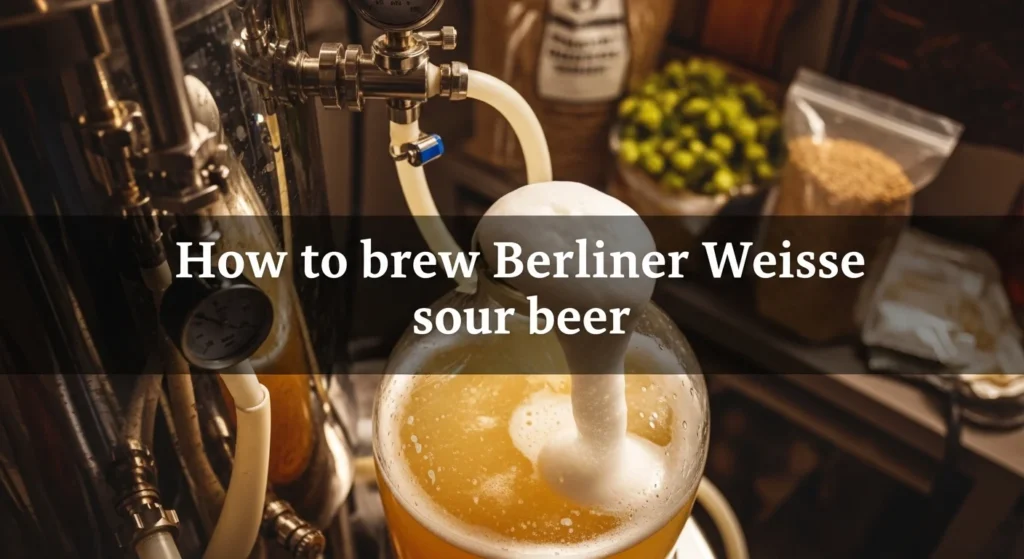
How to brew Berliner Weisse sour beer represents one of the most approachable entry points into sour beer production, requiring understanding of controlled bacterial fermentation, wheat-heavy grain bills, and traditional German techniques to create the pale, tart, and exceptionally refreshing character that has made this historic Berlin style a modern craft brewing favorite. After developing numerous methods on how to brew Berliner Weisse sour beer over the past seven years and experimenting with both traditional and modern souring techniques, I can confidently state that mastering this style demands understanding the balance between wheat malt foundations, lactobacillus management, and minimal hop character that creates the signature pale gold appearance, bright lactic tartness, and effervescent drinkability defining authentic German sour wheat brewing.
My journey learning how to brew Berliner Weisse sour beer began with failed attempts that either produced harsh, vinegary flavors or lacked the essential tartness that defines the style. The transformation occurred when I discovered that proper kettle souring techniques and controlled bacterial cultures create the essential foundation while careful temperature management develops the clean lactic sourness that separates exceptional Berliner Weisse from ordinary wheat beers through systematic souring approaches.
This comprehensive guide on how to brew Berliner Weisse sour beer explores every aspect of German sour brewing including traditional grain bill formulations, kettle souring methods, bacterial culture management, and fruit enhancement techniques that produce the characteristic pale appearance, bright acidity, and low alcohol content defining Berlin’s most famous beer export. From understanding the style’s working-class origins to mastering modern souring innovations, this guide provides complete knowledge for creating outstanding sour wheat beers that honor German brewing heritage.
Whether you’re beginning sour beer production or seeking to master German brewing traditions, learning how to brew Berliner Weisse sour beer provides essential skills while creating refreshing beers that demonstrate both technical precision and cultural authenticity through systematic approach and proven German methods.
Understanding Traditional Berliner Weisse Character
Authentic Berliner Weisse displays pale straw to light gold coloration with bright character ranging from 1.028-1.032 original gravity while achieving 2.8-3.8% alcohol content through wheat-heavy grain bills enhanced by lactic acid bacteria that creates the signature tart flavor, light body, and exceptional sessionability defining traditional German sour wheat brewing.
Pale Visual Presentation
Traditional Berliner Weisse exhibits very pale straw coloration with slight haze and persistent white foam while showcasing proper wheat integration and minimal color development that creates the clean, appetizing appearance essential for authentic German presentation.
Bright Lactic Tartness
Clean lactic acid sourness provides refreshing character without harsh vinegar notes while lactobacillus fermentation creates the bright, crisp acidity that balances wheat sweetness and defines authentic Berlin brewing character.
Light Body and Low Alcohol
Minimal grain bills create exceptional drinkability while low original gravity produces session-strength beer perfect for warm weather consumption and extended drinking sessions through traditional German brewing methods.
Wheat Malt Foundation
High wheat content provides smooth mouthfeel while contributing to head retention and creating the distinctive texture that separates Berliner Weisse from other light German beers through proper grain bill formulation.
Minimal Hop Character
Very low hop presence allows sourness to dominate while traditional mash hopping or minimal additions provide just enough bitterness to balance sweetness without interfering with lactic character.
For comprehensive Berliner Weisse brewing techniques and traditional German sour methods, explore the authentic brewing resources at BrewMyBeer’s sour beer section, where German brewing wisdom meets modern homebrewing precision.
Essential German Sour Brewing Ingredients
Authentic approach to how to brew Berliner Weisse sour beer requires specific ingredient combinations including quality wheat malt, Pilsner malt foundations, minimal hop additions, and proper bacterial cultures that create distinctive character through ingredient quality and traditional German brewing methods.
Wheat Malt Dominance
German wheat malt comprises 50-60% of grain bills providing essential smooth mouthfeel and head retention while contributing the distinctive texture and subtle grain character that defines traditional Berliner Weisse foundations.
Pilsner Malt Support
High-quality German Pilsner malt provides clean base comprising 40-50% of grain bill while contributing fermentable sugars and enzymatic power without competing flavors that might interfere with delicate sour character.
Acidulated Malt Enhancement
Small amounts of acidulated malt lower mash pH while creating favorable conditions for bacterial activity and preventing unwanted microorganisms through natural acidification of brewing environment.
Minimal Hop Additions
Traditional noble hops in very small quantities including Hallertau, Tettnanger, or Saaz provide subtle bitterness while maintaining restraint that allows sourness complete dominance throughout the flavor profile.
Lactobacillus Cultures
Specialized bacterial strains including L. plantarum and L. brevis produce clean lactic acid sourness while avoiding off-flavors or harsh vinegar character that might compromise refreshing drinking experience.
Pure Water Requirements
Soft water enhances delicate character while low mineral content supports bacterial activity and prevents harsh interference that might affect clean sourness or wheat expression.
| Ingredient Component | Percentage Range | Character Contribution | Quality Requirements | German Authenticity |
|---|---|---|---|---|
| German Wheat Malt | 50-60% | Smooth texture | Premium quality | Traditional foundation |
| German Pilsner Malt | 40-50% | Clean base | High quality | Essential support |
| Acidulated Malt | 2-5% | pH adjustment | Natural acidification | Process enhancement |
| Noble Hops | 3-8 IBU | Minimal bitterness | Traditional varieties | Subtle balance |
| Lactobacillus | Bacterial culture | Lactic sourness | Pure strains | Critical character |
Complete Traditional Berliner Weisse Recipe
This authentic guide on how to brew Berliner Weisse sour beer produces 5 gallons of traditional German sour wheat beer with proper tartness, light body, and refreshing character through carefully selected ingredients and proven German brewing techniques.
All-Grain Recipe Specifications
Target parameters include 1.036 original gravity, 1.008 final gravity, 4 IBU, 3 SRM, and 3.7% ABV while creating authentic Berliner Weisse character through traditional ingredient ratios and systematic German brewing methods.
Simple German Grain Bill
Premium grain bill includes 4 lbs German Pilsner malt, 3 lbs American wheat malt, and 4 oz acidulated malt while providing proper foundation, texture, and natural pH adjustment essential for bacterial fermentation.
Minimal Hop Schedule
Conservative hop addition includes 0.25 oz Crystal hops at 45 minutes while providing subtle bitterness without overwhelming delicate sourness or interfering with bacterial activity.
Bacterial Culture Selection
Lactobacillus plantarum from probiotic drinks or pure cultures provides clean souring while avoiding harsh acetic acid or off-flavor development through proven bacterial strains.
Clean Yeast Fermentation
Standard ale yeast including US-05 completes fermentation after souring process while ensuring proper attenuation and alcohol development through traditional two-stage fermentation.
Advanced Kettle Souring Techniques
Modern approach to how to brew Berliner Weisse sour beer employs kettle souring methods that control bacterial activity while preventing contamination through systematic temperature management and pH monitoring that creates consistent results.
Pre-Acidification Protocol
Lower wort pH to 4.5 using lactic acid while creating favorable environment for lactobacillus and preventing unwanted bacterial contamination that might produce off-flavors or harsh character.
Temperature Control Strategy
Maintain 95-115°F during souring period while promoting optimal bacterial activity through controlled heating methods including heating pads or warm environments that support clean lactic acid production.
Oxygen Exclusion Methods
Create anaerobic environment using CO2 purging while preventing oxidation and aerobic bacteria that might create harsh flavors or unwanted acetic acid character inappropriate for clean sourness.
pH Monitoring and Control
Track pH development targeting 3.2-3.8 range while preventing over-souring that might create harsh acidity or interfere with subsequent yeast fermentation and alcohol development.
Souring Duration Management
Allow 24-48 hours for optimal sourness development while monitoring taste and pH to achieve proper balance between tartness and drinkability through systematic evaluation and timing.
Traditional German Mashing Methods
Proper mashing techniques for how to brew Berliner Weisse sour beer accommodate high wheat content while ensuring complete conversion and preventing stuck sparges through rice hull additions and temperature management.
Low-Temperature Mash Strategy
Mash at 148-150°F for enhanced fermentability while promoting beta amylase activity that creates highly attenuable wort essential for light body and proper attenuation in low-gravity beer.
Rice Hull Integration
Add rice hulls to prevent stuck sparges while providing filtration bed structure that accommodates high wheat content without compromising lautering efficiency or creating processing difficulties.
Extended Mash Duration
Hold temperatures for 60-90 minutes while ensuring complete starch conversion from wheat-heavy grain bills that require extended enzyme contact time for optimal extraction.
Step Mash Alternative
Traditional step mashing enhances wheat extraction while protein rests at 133°F followed by saccharification optimize enzyme activity and improve wheat protein management.
Acidulated Malt Timing
Add acidulated malt during final 15 minutes while preventing excessive pH drop during mashing that might interfere with enzyme activity or starch conversion processes.
Bacterial Culture Management
Successful bacterial fermentation in how to brew Berliner Weisse sour beer requires proper culture selection and management while understanding lactobacillus behavior and optimal conditions for clean acid production without off-flavor development.
Lactobacillus Strain Selection
L. plantarum provides clean, mild sourness while L. brevis creates more aggressive tartness through different metabolic pathways that produce varying levels of lactic acid and flavor compounds.
Probiotic Drink Method
GoodBelly and similar products contain active cultures while providing convenient lactobacillus sources that eliminate need for specialized bacterial cultures through readily available commercial products.
Pure Culture Applications
Commercial bacterial blends ensure consistent results while Omega Lacto Blend and similar products provide known bacterial populations that create predictable souring patterns.
Wild Capture Methods
Grain-based souring uses natural bacteria while uncrushed malt additions introduce wild lactobacillus populations that create traditional character through historical souring methods.
Temperature Optimization
Maintain 90-115°F for optimal bacterial activity while understanding that higher temperatures accelerate souring but may create harsh flavors if not properly controlled.
Fruit Integration and Variations
Modern interpretations of how to brew Berliner Weisse sour beer explore fruit additions that complement natural tartness while maintaining traditional foundations through careful timing and preparation methods.
Raspberry Enhancement
Fresh or frozen raspberries add complementary tartness while berries in secondary fermentation contribute natural acids and aromatics that enhance rather than compete with lactic sourness.
Stone Fruit Applications
Peach, apricot, and cherry create seasonal variations while stone fruits provide sweetness balance that moderates sourness and creates complex fruit-forward character.
Citrus Integration
Lemon, lime, and grapefruit zest enhance brightness while citrus oils contribute aromatic complexity without overwhelming delicate wheat foundations or bacterial character.
Tropical Fruit Exploration
Mango, passion fruit, and pineapple create exotic profiles while tropical additions provide intense aromatics that complement sourness and create distinctive modern interpretations.
Fruit Preparation Methods
Freeze-thaw cycles break down cell walls while proper fruit processing ensures optimal extraction and prevents contamination through sanitization and timing protocols.
Water Chemistry and pH Management
Proper water chemistry supports how to brew Berliner Weisse sour beer while soft water profiles enhance bacterial activity and prevent harsh mineral interference through balanced chemistry management.
Soft Water Benefits
Low mineral content enhances bacterial activity while supporting delicate wheat character and clean sourness without harsh mineral interference that might affect bacterial metabolism.
pH Adjustment Strategy
Systematic pH reduction creates optimal conditions while lactic acid additions lower wort pH to 4.5 before bacterial inoculation that prevents contamination and supports clean fermentation.
Chloride-Sulfate Balance
Balanced mineral ratios support wheat extraction while avoiding extreme profiles that might interfere with delicate bacterial activity or wheat protein expression.
Calcium Management
Moderate calcium levels support yeast health while providing essential minerals for subsequent alcoholic fermentation without harsh interference that might affect sourness development.
Alkalinity Control
Low alkalinity prevents pH buffering while allowing systematic pH reduction and maintaining acidic conditions that support bacterial activity and prevent contamination.
Fermentation and Conditioning
Final fermentation stages in how to brew Berliner Weisse sour beer require clean yeast management after souring completion while proper conditioning develops clarity and integration through traditional German methods.
Post-Sour Boiling
Boil soured wort to eliminate bacteria while sterilizing for clean yeast fermentation and adding minimal hop character that balances without overwhelming sourness.
Yeast Pitching Strategy
Use double normal yeast quantities while acidic environment stresses yeast and requires higher cell counts for healthy fermentation and complete sugar consumption.
Fermentation Temperature Control
Maintain 65-68°F for clean character while avoiding excessive heat that might create harsh alcohols or competing esters that interfere with delicate sour wheat character.
Extended Conditioning
Cold storage improves integration and clarity while allowing flavors to harmonize and creating the smooth drinking experience essential for authentic Berliner Weisse quality.
High Carbonation Requirements
Traditional high CO2 levels enhance refreshment targeting 3.0+ volumes while effervescence amplifies sourness and creates the lively mouthfeel defining authentic German presentation.
Troubleshooting Sour Beer Production
Common challenges in how to brew Berliner Weisse sour beer require systematic solutions while addressing problems including harsh acidity, off-flavors, contamination, and poor fermentation that affect quality and authenticity.
Excessive Sourness Issues
Over-souring creates harsh, undrinkable beer requiring better pH monitoring and timing control while preventing bacterial activity from progressing beyond optimal tartness levels.
Off-Flavor Development
Contamination creates vinegar or harsh compounds requiring improved sanitation and oxygen exclusion while maintaining clean bacterial environment and preventing wild microorganisms.
Stuck or Slow Fermentation
Acidic conditions stress yeast performance requiring increased cell counts and improved nutrition while ensuring complete sugar consumption despite challenging fermentation environment.
Poor Clarity Issues
Wheat and protein haze affects presentation requiring extended conditioning and proper protein management while accepting that slight haze is traditional in authentic examples.
Insufficient Sourness
Weak tartness indicates bacterial problems requiring improved culture viability and temperature control while ensuring optimal conditions for lactic acid production.
Serving and Cultural Context
Proper service enhances how to brew Berliner Weisse sour beer appreciation while traditional German presentation and cultural understanding showcase this historic working-class beer’s refreshing qualities.
Traditional German Service
Serve ice-cold in traditional bowls or goblets while high carbonation and low alcohol create perfect refreshing beer for warm weather consumption and extended drinking sessions.
Syrup Enhancement Options
Traditional woodruff or raspberry syrups balance sourness while colorful additions create visual appeal and moderate tartness for drinkers unaccustomed to sour beer character.
Food Pairing Excellence
Light dishes and seafood complement delicate character while the bright acidity cuts through rich foods and provides palate cleansing between courses through natural tartness.
Seasonal Consumption
Perfect warm weather refreshment while low alcohol and high carbonation create ideal session beer for outdoor activities and social gatherings through exceptional drinkability.
Historical Significance
Understanding Berlin working-class heritage enhances appreciation while recognizing this style’s importance in German beer culture and influence on modern sour beer development.
Conclusion and Brewing Mastery
Mastering how to brew Berliner Weisse sour beer requires understanding German traditions and modern techniques while systematic bacterial management, proper pH control, and traditional ingredients create exceptional examples that honor Berlin brewing heritage.
Begin with proven souring methods and quality ingredients while building understanding of bacterial behavior and temperature control that creates clean lactic character through traditional German approaches.
Master pH monitoring and bacterial culture management while developing skills in controlled souring that prevent contamination and create consistent results through systematic technique.
Practice patience and systematic evaluation while understanding that exceptional Berliner Weisse requires careful timing and environmental control that develops perfect balance between sourness and drinkability.
Remember that authentic Berliner Weisse demonstrates brewing precision through simplicity while creating refreshing, approachable sour beers that showcase German heritage and modern innovation through proven methods.
The investment in understanding sour beer production provides lasting education while creating exceptional summer beers that honor Germany’s most refreshing contribution to world brewing heritage.
Choose authentic approaches and proven techniques while maintaining respect for German tradition that created this beloved style through centuries of working-class brewing refinement.
About the Author
Tyler Yeastman specializes in fermentation microbiology and yeast behavior, bringing over 12 years of experience in both commercial brewing and laboratory research to his analysis of complex fermentation systems including sour beer production. His expertise in microbial ecology and controlled bacterial fermentation makes him particularly knowledgeable about the precise environmental controls required for successful Berliner Weisse production. Tyler has extensively studied German sour beer traditions through research collaborations with traditional German breweries where he documented historical souring methods and bacterial culture management techniques. His scientific approach to understanding fermentation helps brewers appreciate the remarkable biological complexity involved in controlling lactobacillus activity while preventing contamination from unwanted microorganisms.
Tyler maintains a comprehensive microbiology laboratory where he cultures and studies souring bacteria, contributing to several research publications on sour beer production and controlled fermentation systems. His systematic approach to pH management and temperature control makes him particularly skilled at troubleshooting the unique challenges presented by bacterial fermentation in brewing environments. When not analyzing fermentation data or researching bacterial behavior, Tyler enjoys exploring how traditional German brewing wisdom can be enhanced through modern microbiological understanding while preserving the authenticity and refreshing character that makes Berliner Weisse such an accessible introduction to sour beer appreciation. Contact Tyler at [email protected] or explore his comprehensive fermentation guides and sour beer resources at brewmybeer.online.