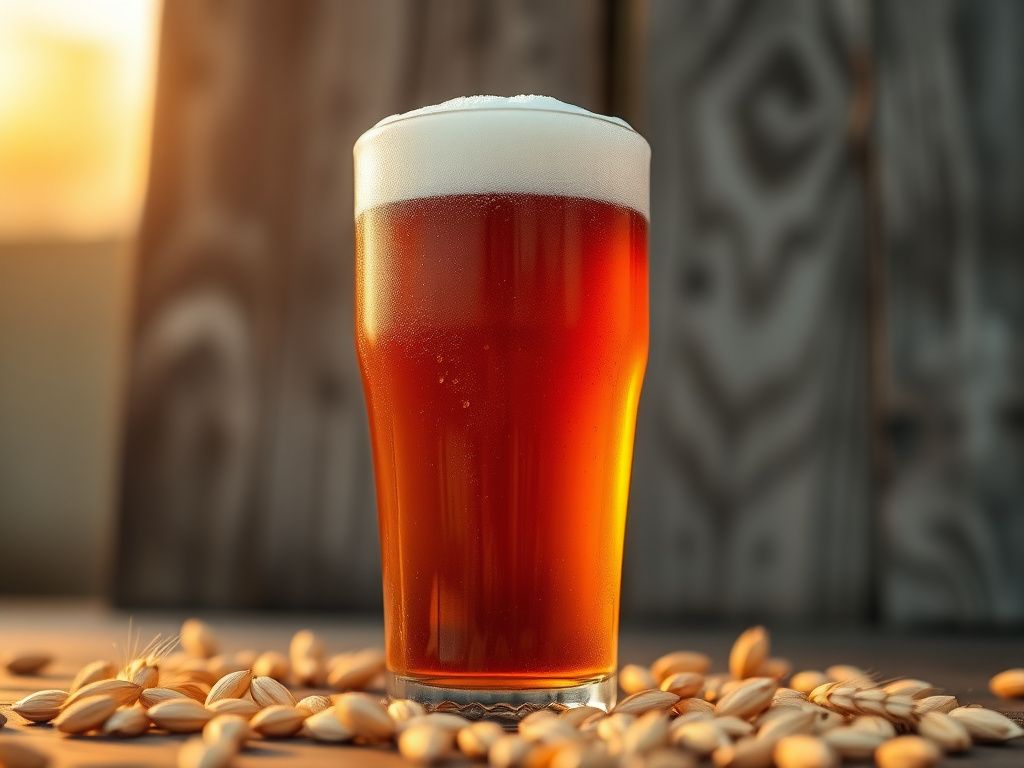
Master BIAB brewing: simplified all-grain for superior homebrew. This guide demystifies the process, from precise water strike to efficient mash and boil. Achieve professional-grade results with minimal equipment and maximal flavor control. Learn critical parameters for consistent batches, leveraging full mash conversion and optimized hop utilization. Elevate your craft.
BIAB Process Flow: Critical Parameters
Phase | Key Action | Critical Parameter | Target Range/Metric | Potential Issue/Mitigation |
|---|---|---|---|---|
Grain Milling | Crush Malt | Crush Fineness | Fine crush, but not flour. Intact husks minimal. | Too coarse: Low efficiency. Too fine: Stuck mash (less common in BIAB), astringency. Verify mill gap. |
Strike Water | Heat Water, Measure Volume | Volume, Temperature (Tw) | Volume: Pre-boil target + grain absorption. Temp: Calculated via formula. | Incorrect volume: Off-gravity. Incorrect temp: Mash pH/enzyme activity skewed. Use calibrated thermometer & scale. |
Dough-In & Mash Rest | Add Grains to Hot Water, Stir | Mash Temperature (Tm), Mash pH | Tm: 148-158°F (64-70°C). pH: 5.2-5.6 at mash temp. | Incorrect Tm: Unfermentable sugars (high temp) or watery wort (low temp). Incorrect pH: Poor conversion, off-flavors. Monitor and adjust if necessary. |
Bag Lift & Lauter | Remove Grain Bag, Drain Wort | Drainage Efficiency, Time | Maximize wort recovery, minimize squeezing forces initially. | Excessive squeezing: Tannin extraction. Incomplete drain: Reduced efficiency. Allow gravity drain, then gentle squeeze. |
Boil & Hop Additions | Boil Wort, Add Hops/Additives | Boil Vigor, Pre-Boil Volume/Gravity, Hop Schedule | Vigorous, rolling boil. Pre-boil SG: Target dependent. Hops: Timed additions. | Weak boil: Poor hot break, DMS precursors. Incorrect timing: IBU/aroma imbalance. Maintain constant boil intensity. |
Cooling & Transfer | Chill Wort, Move to Fermentor | Chill Time, Aeration, Sanitation | < 80°F (27°C) in < 30 min. Post-boil aeration. Fermentor & all contact surfaces sanitized. | Slow chill: Cold break issues, infection risk. Insufficient aeration: Poor yeast health. Contamination: Ruined batch. Critical sanitation protocol. |
Fermentation Setup | Pitch Yeast, Seal Fermentor | Pitch Rate, Fermentation Temperature | Yeast vial/packet specific. Temp: Yeast strain specific (e.g., 65-70°F for ale). | Underpitching: Stalled fermentation, off-flavors. Incorrect temp: Stress, off-flavors. Use fermentation chamber or temp control. |
Critical Calculations for BIAB Efficiency
1. Strike Water Volume (V_strike)
This calculation determines the initial volume of water required for your mash. It must account for your target pre-boil volume (V_preboil) and the volume absorbed by the grain (V_grain_abs).
Formula: V_strike = V_preboil + V_grain_abs
V_grain_abs: Approximately 0.13 gallons per pound of grain, or 0.52 liters per kilogram of grain.
Example: For a 5-gallon pre-boil target with 10 lbs of grain:
V_grain_abs = 10 lbs * 0.13 gal/lb = 1.3 gallons
V_strike = 5 gallons + 1.3 gallons = 6.3 gallons
2. Strike Water Temperature (T_strike)
This calculation ensures your mash settles at the desired temperature (T_mash) after the grains are added. It accounts for the temperature differential and the thermal mass of the grains.
Formula: T_strike = (0.2 / R_gw) * (T_mash – T_grain) + T_mash
Where:
T_strike = Target strike water temperature (°F)
R_gw = Grain-to-water ratio (lbs of grain per quart of water, or kg/L if using Celsius)
T_mash = Target mash temperature (°F)
T_grain = Ambient temperature of the grain (assume 70°F/21°C for room temp)
0.2 = Specific heat constant for grain (approx. 0.2 BTU/lb/°F or 0.2 cal/g/°C)
Example: Target mash temp 152°F, grain temp 70°F, 6.3 gallons (25.2 quarts) water, 10 lbs grain. R_gw = 10 lbs / 25.2 quarts = 0.397 lbs/qt.
T_strike = (0.2 / 0.397) * (152 – 70) + 152
T_strike = (0.504) * (82) + 152
T_strike = 41.3 + 152 = 193.3°F
This is a starting point; always monitor actual mash temp.
3. Brewhouse Efficiency (Eff_BH)
Brewhouse efficiency measures how effectively you extract and utilize fermentable sugars from your grain bill into your fermentor. This is a critical metric for consistency.
Formula: Eff_BH = (V_post_boil * (OG – 1) * 1000) / (Sum(M_grain * PPG_grain)) * 100%
Where:
V_post_boil = Volume of wort in fermentor (gallons)
OG = Original Gravity (measured specific gravity)
M_grain = Mass of individual grain (lbs)
PPG_grain = Potential Points per Pound per Gallon for that grain (e.g., Pale Malt = 36 PPG)
Example: 5 gallons into fermentor, OG 1.050, 10 lbs Pale Malt (36 PPG).
Sum(M_grain * PPG_grain) = 10 lbs * 36 PPG = 360 potential points.
Eff_BH = (5 * (1.050 – 1) * 1000) / 360 * 100%
Eff_BH = (5 * 50) / 360 * 100%
Eff_BH = 250 / 360 * 100% = 69.4%
BIAB typically achieves 65-75% brewhouse efficiency for beginners, higher with practice.
The Definitive Master-Guide: All-Grain BIAB for the Aspiring Brewmaster
Introduction to Brew in a Bag (BIAB)
The Brew in a Bag (BIAB) methodology represents a paradigm shift in all-grain homebrewing, democratizing what was once considered an advanced, equipment-intensive process. It condenses the traditional three-vessel (mash tun, lauter tun, boil kettle) setup into a single vessel, typically your boil kettle. This streamlined approach minimizes equipment requirements, reduces cleanup time, and simplifies the brewing day without compromising quality or control. For the beginner transitioning from extract to all-grain, BIAB offers an unparalleled entry point to understanding the foundational principles of mashing, lautering, and sparging – albeit in a more integrated, less complex fashion. This guide provides a technical blueprint for executing successful all-grain BIAB batches, focusing on precision and process optimization.
Essential Equipment for BIAB
While BIAB simplifies the setup, specific tools are non-negotiable for consistent results:
1. Boil Kettle: Your primary vessel. Needs sufficient capacity to hold your full mash volume plus head space. For a 5-gallon finished batch, a 10-gallon (38-liter) kettle is highly recommended to prevent boil-overs and accommodate the total strike water volume for a full-volume mash. Stainless steel is preferred for durability and ease of sanitation.
2. BIAB Bag: This is the eponymous component. It must be food-grade, heat-resistant, and finely woven to retain grain particles while allowing efficient wort flow. Polyester mesh is common. Ensure it fits your kettle snugly without stretching excessively or bunching, allowing maximum surface area for grain. Specialized bags with drawstrings or loops for suspension are ideal.
3. Heat Source: A high-output burner (e.g., propane turkey fryer burner) or a powerful induction cooktop is crucial for rapidly heating large volumes of water and achieving a vigorous boil. Standard kitchen stovetops may struggle with larger volumes.
4. Fermentor: Glass carboy, plastic carboy, or stainless steel conical. Choose based on budget, sanitation preferences, and longevity. Must have an airtight seal and airlock.
5. Temperature Control: An immersion chiller, plate chiller, or counterflow chiller is essential for rapidly chilling your wort post-boil. Rapid chilling minimizes DMS production and reduces the risk of infection. For no-chill methods, robust sanitization and proper container selection are paramount.
6. Measurement Tools:
Calibrated Thermometer: Digital with a probe is ideal for precise mash temperature monitoring.
Hydrometer & Test Jar: For measuring specific gravity (SG) at various stages (pre-boil, original gravity, final gravity). Refractometers are also useful for pre-fermentation readings.
Volume Markers: Calibrated kettle or accurate measuring pitchers/buckets.
Scale: Digital, capable of measuring grain and hops with precision (to 0.1 oz or 1 gram).
7. Sanitation Supplies: Fermenter cleaner (e.g., PBW) and sanitizer (e.g., Star San, Iodophor). Non-negotiable for preventing infection.
8. Stirring Utensil: Long stainless steel spoon or paddle, capable of reaching the bottom of your kettle.
9. Lifting Mechanism (Optional but Recommended): A pulley system or a sturdy metal grate/trivet to rest the bag on during draining, or a winch for heavier grain bills. For advanced recipe formulation and precise ingredient sourcing, visit BrewMyBeer.online.
Grain Selection and Milling
Malt Selection: Understanding your grain bill is fundamental.
Base Malts: Provide the majority of fermentable sugars and backbone flavor (e.g., Pale Malt, Pilsner Malt, Maris Otter).
Specialty Malts: Contribute color, body, aroma, and specific flavor notes (e.g., Crystal/Caramel Malts, Roasted Malts, adjuncts like Oats or Wheat). Each malt has a specific diastatic power, indicating its ability to convert starches.
Milling: For BIAB, a finer crush than traditional all-grain brewing is advantageous. A finer crush increases the surface area of the grain, improving enzymatic access to starches and thus enhancing mash efficiency. However, avoid pulverizing the grain into flour, which can lead to astringency from excessive husk extraction, though this is less problematic in BIAB due to the absence of a lautering bed. Aim for a crush where most kernels are broken into 2-4 pieces, with some flouring and minimal whole kernels remaining. If your local homebrew shop offers a BIAB-specific crush, utilize it. Otherwise, a double-crush through a standard mill setting often yields good results.
Water Chemistry Basics for BIAB
Water, often overlooked, constitutes over 90% of your beer. Its mineral profile and pH significantly impact mash efficiency, hop utilization, and final beer flavor. For beginners, the primary focus should be on mash pH.
Mash pH: The ideal mash pH range is 5.2 to 5.6 (measured at mash temperature). This range optimizes the activity of alpha-amylase and beta-amylase enzymes, critical for converting starches into fermentable sugars.
Low pH (acidic): Leads to thin-bodied beer, potential tartness.
High pH (alkaline): Can result in harsh flavors, poor conversion, and tannin extraction.
For most beginners, starting with good quality tap water or bottled spring water is sufficient. If your water is particularly hard or soft, you may consider minor adjustments. Lactic acid (food-grade) can lower pH, while calcium carbonate (chalk) or baking soda can raise it, though precise adjustments require a pH meter and water report. Consult resources like the Brewers Association’s water guidelines for in-depth understanding.
The Mash Process: Conversion and Extraction
The mash is where starches are converted into fermentable sugars. Precision in temperature and time is paramount.
1. Strike Water Heating and Volume:
Utilize the calculated strike water volume and temperature from the Math Box. Heat the water in your kettle to the calculated strike temperature. It is advisable to heat 2-3°F (1-2°C) higher than calculated, as the kettle itself will absorb some heat.
2. Dough-In:
Once the water reaches the strike temperature, slowly add your milled grain bill to the BIAB bag, which should be already suspended in the kettle. Stir vigorously and thoroughly to ensure all grains are wetted, preventing “dough balls” – clumps of dry grain that hinder conversion. Monitor the mash temperature immediately after dough-in and adjust as necessary with small additions of hot or cold water. Aim for your target mash temperature within +/- 1°F (0.5°C).
3. Mash Rest:
Maintain your target mash temperature for 60-90 minutes. For most beers, a single infusion mash (maintaining one temperature) is effective.
148-152°F (64-67°C): Favors beta-amylase, producing more fermentable sugars, leading to drier beers.
154-158°F (68-70°C): Favors alpha-amylase, producing more unfermentable sugars (dextrins), resulting in fuller-bodied, sweeter beers.
Insulate your kettle during the mash to minimize heat loss. Check the temperature every 15-20 minutes. If the temperature drops significantly, apply gentle heat, stirring constantly to prevent scorching. The mash rest facilitates the conversion of starches into fermentable sugars, a process driven by enzymes such as amylase. Understanding these processes is fundamental, as detailed by the Homebrewers Association’s mashing guide.
4. Mash Out (Optional but Recommended):
After the mash rest, raise the temperature of the entire mash to 168-170°F (76-77°C) for 10 minutes. This deactivates the enzymes, “locking in” your sugar profile and making the wort less viscous, which aids in draining.
Lautering and Sparging in BIAB
In traditional BIAB, the sparging step (rinsing the grain bed with hot water to extract residual sugars) is often integrated or omitted. This is referred to as a “full volume mash” where all the strike water is added upfront. After the mash, the process proceeds as follows:
1. Lifting the Bag:
Carefully lift the grain bag out of the wort. For heavier grain bills, a pulley system or a second person is invaluable. Suspend the bag above the kettle, allowing the wort to drain by gravity back into the main kettle. Ensure the bag is securely anchored.
2. Draining/Squeezing:
Allow the bag to drain freely for 10-15 minutes. Once the flow slows, you may gently squeeze the bag to extract additional wort. Exercise caution: excessive, aggressive squeezing, especially with high mash pH, can extract tannins from the grain husks, leading to astringency in the finished beer. A gentle, even squeeze is usually sufficient. Some brewers employ a “dunk sparge” where the bag is briefly dipped into a separate small volume of hot water (170°F/77°C) and then re-drained, effectively rinsing the grains without diluting the primary wort excessively.
3. Pre-Boil Gravity and Volume:
After the bag is fully drained, measure your pre-boil volume and specific gravity. This reading is crucial for calculating your brewhouse efficiency and making any necessary adjustments. If your gravity is low, you can either extend your boil time to concentrate the wort or add a small amount of dried malt extract (DME) to hit your target original gravity. If your volume is high, simply boil longer. If volume is low, add pre-heated water.
The Boil: Isomerization and Sterilization
The boil serves several critical functions: sterilizing the wort, isomerizing hop alpha acids (imparting bitterness), evaporating unwanted volatile compounds (like DMS precursors), concentrating sugars, and coagulating proteins (the “hot break”).
1. Achieving a Rolling Boil:
Bring the wort to a vigorous, rolling boil. This is essential for proper hop isomerization and efficient evaporation. A weak boil can lead to off-flavors and insufficient hop utilization.
2. Hop Additions:
Follow your recipe’s hop schedule precisely.
Bittering Hops (60+ minutes): Added early in the boil for maximum alpha acid isomerization.
Flavor Hops (15-30 minutes): Added later to retain more aromatic compounds.
Aroma Hops (0-10 minutes/Flameout/Whirlpool): Added very late or post-boil to preserve delicate, volatile aromatics. Dry hopping (post-fermentation) is also for aroma.
3. Hot Break:
During the first 15-20 minutes of the boil, proteins will coagulate and form a thick scum on the surface of the wort. This is the “hot break” and is a normal, desirable process. Skim off some of the excessive foam if it threatens to boil over, but allow the majority to settle back into the wort as it aids in clarifying the final beer.
4. Boil Duration:
Most boils are 60 minutes. Some styles, particularly those requiring more DMS reduction, may extend to 90 minutes. Towards the end of the boil, add any fining agents (e.g., Irish moss, Whirlfloc) or yeast nutrients, typically in the last 10-15 minutes.
Cooling and Transfer to Fermentation
Rapid chilling of the wort is paramount for preventing bacterial infection and ensuring a clear, stable beer.
1. Rapid Cooling:
Using an immersion chiller is common for BIAB. Submerge the chiller in the wort for the last 10-15 minutes of the boil to sanitize it. Once the boil is complete, turn off the heat, connect cold water to the chiller, and circulate it through until the wort reaches pitching temperature (typically 60-75°F / 15-24°C, depending on yeast strain and beer style). Stirring the wort gently around the chiller can significantly accelerate cooling.
2. Aeration:
Once cooled, the wort needs to be oxygenated before pitching yeast. This can be achieved by vigorous splashing during transfer to the fermentor or by stirring with a sanitized spoon. Oxygen is crucial for healthy yeast reproduction in the early stages of fermentation.
3. Transfer:
Carefully transfer the cooled, aerated wort to your sanitized fermentor. Leave behind any hop trub and cold break material in the kettle if possible to minimize sediment in the fermentor.
Fermentation: The Heart of the Beer
Fermentation transforms your sweet wort into beer. This stage demands strict temperature control and sanitation.
1. Yeast Pitching:
The selected yeast, typically a strain of Saccharomyces cerevisiae, must be pitched at its optimal temperature. Rehydrate dry yeast or prepare a yeast starter for liquid yeast according to manufacturer instructions. Ensure proper pitch rates; underpitching can lead to sluggish fermentation and off-flavors. Once pitched, seal the fermentor and attach an airlock.
2. Temperature Control:
Maintain the fermentation temperature within the optimal range for your chosen yeast strain. Fluctuations can lead to undesirable esters, fusel alcohols, or stalled fermentation. A fermentation chamber (e.g., modified fridge with temperature controller) is the ideal solution. Familiarize yourself with target beer styles using the BJCP Style Guidelines.
3. Monitoring:
Primary fermentation typically lasts 1-3 weeks. Monitor airlock activity (though not a definitive indicator of fermentation) and take gravity readings (Original Gravity, Final Gravity) with your hydrometer to track progress. Ensure complete fermentation before packaging to avoid bottle bombs.
Post-Fermentation and Packaging
Once fermentation is complete (stable gravity readings over several days), your beer is ready for packaging.
1. Final Gravity (FG):
Take a final hydrometer reading. Compare it to your Original Gravity (OG) to determine the beer’s alcohol by volume (ABV).
2. Packaging:
Bottling: Transfer beer to a sanitized bottling bucket. Add a measured amount of priming sugar (corn sugar, dextrose) dissolved in boiled water, gently stir to distribute. Fill sanitized bottles, cap, and allow 2-3 weeks for carbonation at room temperature.
Kegging: Transfer beer to a sanitized keg. Force carbonate with CO2 at appropriate pressure and temperature settings for your desired carbonation level. This offers faster carbonation and easier dispensing.
Sanitation: The Unsung Hero
Sanitation cannot be overstated in brewing. A single contaminant can ruin an entire batch. Every piece of equipment that comes into contact with cooled wort or beer must be scrupulously cleaned and then sanitized.
Cleaning: Removes visible organic matter and brewing residues. Use an alkaline cleaner like PBW (Powdered Brewery Wash) or OxiClean Free.
Sanitizing: Eliminates microscopic organisms. Use a no-rinse sanitizer like Star San or Iodophor according to manufacturer instructions. Ensure proper contact time.
Troubleshooting Common BIAB Issues
1. Low Efficiency:
Cause: Coarse crush, insufficient mash time, low mash temperature, poor dough-in. For precise pH and gravity calculations, consult resources at BrewMyBeer.online.
Mitigation: Finer crush, extended mash, precise temperature control, thorough stirring during dough-in. Consider a mash out.
2. Stuck Mash (less common in BIAB):
Cause: Excessively fine crush, high percentage of adjuncts (e.g., wheat, oats) without rice hulls.
Mitigation: Ensure adequate crush, consider adding rice hulls to high-adjunct grain bills. Stirring can sometimes loosen a stuck mash.
3. Off-Flavors:
Cause: Poor fermentation temperature control (e.g., diacetyl, fusel alcohols), infection (sour, tart, phenolic), oxidation (cardboard, sherry notes), DMS (cooked corn).
Mitigation: Maintain strict fermentation temperature, meticulous sanitation, careful handling to minimize oxygen exposure post-fermentation, vigorous boil to drive off DMS precursors.
4. Astringency:
Cause: Over-sparging (squeezing grain bag too aggressively), high mash pH, excessive contact with grain husks during the boil.
Mitigation: Gentle squeezing of the bag, monitor mash pH, avoid over-boiling grains.
Advanced BIAB Considerations (Future State)
As you gain experience, consider these optimizations:
Water Profile Adjustment: Tailoring your water chemistry to specific beer styles for enhanced flavor. This involves adding specific mineral salts like gypsum, calcium chloride, or Epsom salts.
pH Meter: Investing in a calibrated pH meter for precise mash pH readings.
Recirculation (RIMS/HERMS for BIAB): For advanced users, incorporating a recirculating infusion mash system (RIMS) or heat exchanged recirculating mash system (HERMS) setup can provide ultra-precise temperature control and improved efficiency within a BIAB context.
Wort Chiller Upgrades: Moving to a plate or counterflow chiller for even faster cooling and clearer wort.
Mastering BIAB is an iterative process of learning, measuring, and refining. By adhering to these technical guidelines and maintaining meticulous attention to detail, you will consistently produce high-quality, all-grain beer with minimal fuss. Embrace the process, measure your metrics, and enjoy the journey of crafting your own exceptional brews.