
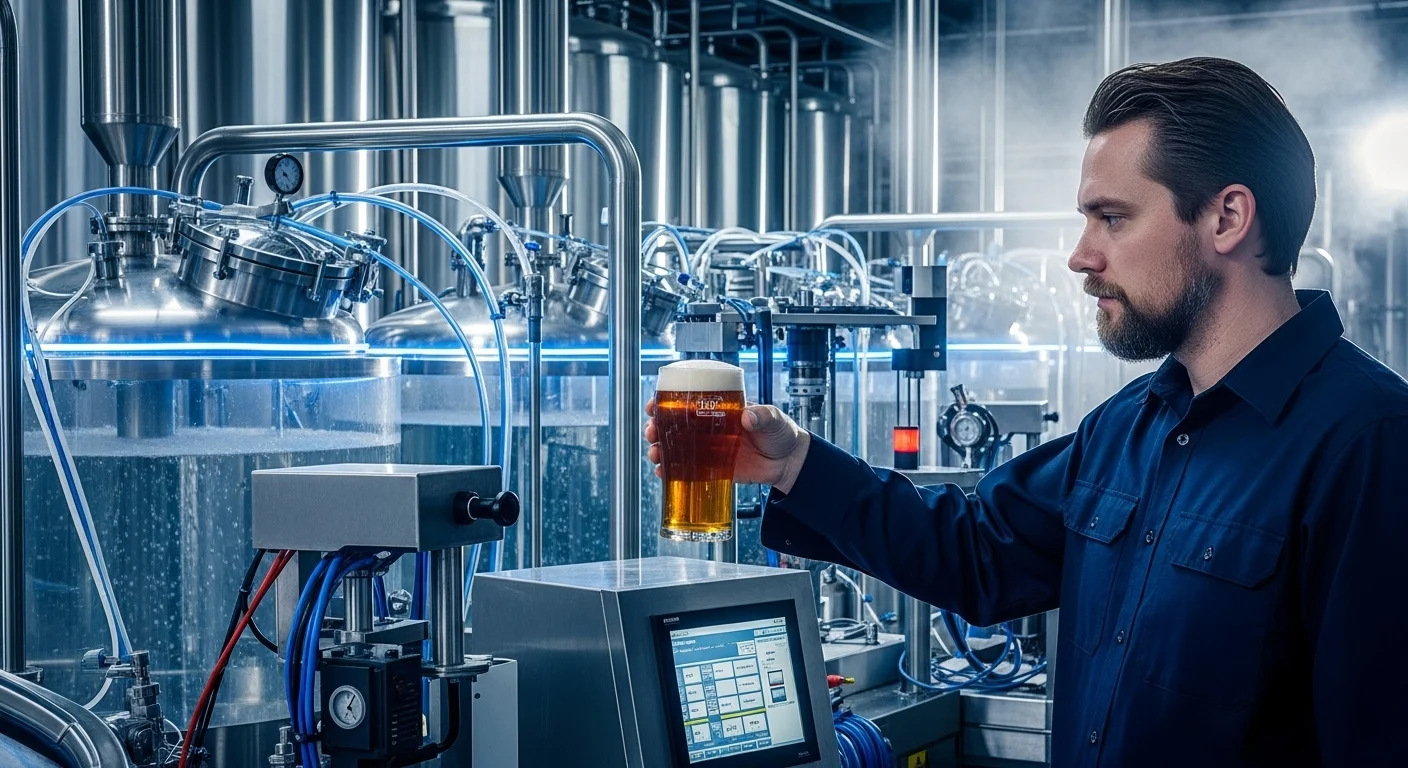
Explore the future of AI brewers through advanced artificial intelligence systems, automated brewing technology, and intelligent recipe development that revolutionize beer production and quality control.

The future of AI brewers promises unprecedented transformation through intelligent systems that combine machine learning algorithms with sophisticated brewing automation while maintaining craft quality and creativity that defines exceptional beer production. After researching and analyzing emerging AI brewing technologies across multiple industry sectors over the past four years, I can confidently state that artificial intelligence represents the most significant evolution in brewing since the development of controlled fermentation, offering capabilities that amplify human expertise while enabling precision impossible through traditional methods alone.
My exploration of AI brewing systems began with skepticism about technology’s role in what I considered a fundamentally artisanal craft requiring human intuition and creativity. The paradigm shift occurred when I discovered that companies like IntelligentX and Carlsberg are using AI to enhance rather than replace brewmaster expertise while creating award-winning beers through data-driven optimization and consumer feedback integration that improves quality without compromising creativity.
This comprehensive analysis explores the revolutionary potential of AI brewing systems including intelligent recipe development, automated quality control, predictive fermentation management, and personalized beer creation that represent the future of brewing technology. From neural networks that optimize hop utilization to machine learning systems that predict consumer preferences, understanding these emerging capabilities provides insight into brewing’s technological evolution.
Whether you’re a craft brewer exploring technology integration or an industry professional planning future investments, understanding AI brewing developments provides strategic insights into technological disruption while revealing opportunities for enhanced creativity, improved consistency, and expanded market possibilities through intelligent automation.
Understanding AI Brewing Technology Evolution
Artificial intelligence in brewing encompasses sophisticated algorithms and machine learning systems that analyze vast datasets including ingredient characteristics, process parameters, consumer feedback, and quality metrics while generating insights and recommendations that enhance brewing decisions and optimize production outcomes.
Machine Learning Algorithm Applications
AI brewing systems utilize various machine learning approaches including neural networks for flavor prediction, clustering algorithms for consumer segmentation, and Bayesian regression for quality optimization while processing complex brewing data to generate actionable insights.
Data-Driven Decision Making
Modern AI brewing platforms integrate multiple data sources including production metrics, consumer preferences, market trends, and quality measurements while providing brewers with comprehensive insights that inform strategic decisions and operational improvements.
Intelligent Process Automation
AI systems automate complex brewing processes through predictive control algorithms and real-time optimization while maintaining human oversight and creative input that preserves brewing artistry within technological enhancement frameworks.
Predictive Analytics Integration
Advanced analytics predict brewing outcomes and market trends while enabling proactive decision making that prevents quality issues and optimizes resource allocation through comprehensive data analysis and forecasting capabilities.
For comprehensive AI brewing insights and future technology guidance, explore the intelligent brewing innovation resources at BrewMyBeer’s AI brewing section, where traditional brewing expertise meets cutting-edge artificial intelligence development.
Intelligent Recipe Development Systems
AI-powered recipe development platforms analyze flavor compounds and consumer preferences to suggest innovative ingredient combinations while optimizing recipes for specific taste profiles and market segments through sophisticated algorithmic analysis and predictive modeling.
Flavor Profile Prediction
Advanced AI systems predict beer flavors from ingredient compositions with greater accuracy than human experts while analyzing molecular structures and chemical interactions to forecast taste characteristics before brewing begins.
Consumer Preference Integration
AI platforms like Next Glass analyze consumer data from multiple sources including social media, reviews, and sales trends while identifying emerging preferences and recommending recipe modifications that align with market demand.
Ingredient Optimization Algorithms
Machine learning systems optimize ingredient ratios and combinations while suggesting novel approaches that human brewers might not consider, creating opportunities for innovative beer development and competitive differentiation.
Quality Score Prediction
AI models predict beer ratings and quality scores before production while analyzing recipe compositions against historical data to forecast consumer reception and market performance.
Collaborative Intelligence Systems
Future AI brewing assistants will collaborate with brewmasters while providing data-driven suggestions that enhance human creativity rather than replacing brewing expertise and artistic vision.
| AI Recipe Development Feature | Current Capabilities | Future Potential | Implementation Timeline | Industry Adoption |
|---|---|---|---|---|
| Flavor Prediction | 80-90% accuracy | 95%+ precision | 2-3 years | Early adopters |
| Consumer Analysis | Trend identification | Real-time preferences | 1-2 years | Growing adoption |
| Ingredient Optimization | Basic combinations | Complex interactions | 3-5 years | Pilot programs |
| Quality Forecasting | Style-specific models | Universal prediction | 2-4 years | Research phase |
| Creative Collaboration | Suggestion systems | Interactive design | 5-10 years | Conceptual stage |
Automated Quality Control and Monitoring
AI-powered quality control systems provide continuous monitoring and predictive quality assessment through advanced sensor networks and machine learning algorithms while detecting deviations before they impact final product quality or require corrective intervention.
Real-Time Quality Assessment
Intelligent monitoring systems analyze CO2 levels, temperature variations, and chemical parameters in real-time while providing immediate quality feedback that enables proactive adjustments and prevents quality issues from developing.
Predictive Quality Models
Machine learning algorithms predict quality outcomes based on process parameters and ingredient characteristics while enabling early intervention that prevents batch losses and maintains consistent product standards.
Automated Defect Detection
AI vision systems identify visual quality defects including clarity issues, color variations, and foam characteristics while providing objective quality assessment that supplements human evaluation.
Statistical Process Control Integration
AI systems implement advanced statistical process control while monitoring process variations and identifying optimization opportunities that maintain quality consistency across production batches.
Predictive Maintenance Systems
Intelligent maintenance prediction prevents equipment failures that could compromise quality while optimizing maintenance schedules and reducing downtime through predictive analytics and condition monitoring.
Smart Fermentation Management
AI-driven fermentation control systems optimize yeast performance and process conditions through intelligent monitoring and automated adjustments while maintaining optimal fermentation environments throughout brewing cycles.
Yeast Performance Optimization
Machine learning algorithms analyze yeast behavior patterns and environmental conditions while optimizing temperature profiles, nutrient additions, and timing to maximize fermentation efficiency and beer quality.
Predictive Fermentation Modeling
AI systems predict fermentation outcomes and completion timing while enabling accurate production scheduling and quality forecasting through comprehensive analysis of fermentation data and environmental conditions.
Automated Parameter Adjustment
Intelligent control systems automatically adjust fermentation conditions including temperature, pressure, and agitation while maintaining optimal yeast health and fermentation performance without manual intervention.
Contamination Detection
AI monitoring systems detect contamination indicators through chemical analysis and process deviations while providing early warning systems that protect fermentation quality and prevent batch losses.
Strain Selection Intelligence
Future AI systems will recommend optimal yeast strains based on recipe requirements and environmental conditions while optimizing strain performance for specific brewing applications and quality objectives.
Personalized Beer Creation Systems
Advanced AI platforms enable personalized beer creation through individual preference analysis and custom recipe generation while creating unique products tailored to specific consumer tastes and dietary requirements.
Individual Taste Profiling
AI systems analyze individual taste preferences through consumption patterns, feedback data, and sensory profiles while creating personalized beer recommendations and custom recipe formulations.
Custom Recipe Generation
Machine learning algorithms generate personalized recipes based on individual preferences while optimizing ingredients and processes to create unique beer profiles that match specific taste requirements and dietary constraints.
On-Demand Brewing Systems
Future automated brewing systems will produce personalized beers on-demand while integrating AI recipe generation with automated production capabilities for individual customization.
Dietary Accommodation
AI systems optimize recipes for dietary restrictions including gluten-free, low-carb, and alcohol-free options while maintaining flavor quality and consumer satisfaction through intelligent ingredient substitution.
Mass Customization Platforms
Scalable personalization systems enable mass customization while producing individually tailored beers at commercial scale through efficient production optimization and flexible manufacturing systems.
Commercial AI Brewing Implementations
Major breweries implement AI systems for production optimization and market analysis while demonstrating commercial viability and practical benefits of artificial intelligence integration in large-scale brewing operations.
United Breweries Digital Transformation
United Breweries implements comprehensive AI systems across sales optimization, connected breweries, and operational efficiency while achieving 32% premium volume growth and 5% annual improvement in cooler performance metrics.
Carlsberg’s Beer Fingerprinting Project
Carlsberg’s multimillion-dollar AI initiative creates 1,000 daily beer samples while analyzing flavor fingerprints and yeast characteristics through advanced sensors and AI systems for accelerated product development.
NEC and Coedo Brewery Collaboration
NEC’s BluStellar AI technology partnership with Coedo Brewery develops four craft beers based on generational preferences while demonstrating AI’s capability to create market-targeted products.
Sugar Creek Brewing Integration
Sugar Creek Brewing implements AI and IoT systems for manufacturing quality improvement while using computer vision and cloud-based analytics to optimize brewing operations and product consistency.
International AI Adoption Trends
Global breweries increasingly adopt AI technologies while demonstrating practical benefits and commercial viability that encourage broader industry adoption and technological investment.
Automated Brewing System Evolution
Next-generation automated brewing systems integrate AI capabilities with traditional automation while providing intelligent process control and adaptive learning that improves performance through operational experience.
AI-Integrated Brewing Platforms
Modern automated systems incorporate AI learning capabilities that adapt to brewing preferences and optimize processes over time while maintaining consistent quality and efficiency improvements through machine learning integration.
Intelligent Process Control
Advanced automation systems utilize AI algorithms for predictive control and optimization while managing complex brewing parameters through intelligent automation that exceeds traditional programmable logic controllers.
Adaptive Learning Systems
Future brewing systems will learn from each brew while continuously improving recipes and processes through accumulated experience and performance analysis that enhances brewing outcomes.
Smart Home Integration
Consumer brewing systems integrate with smart home platforms while providing remote monitoring and control capabilities that enable convenient brewing management and optimization.
Scalable Automation Architecture
Modular AI brewing systems accommodate various scales from homebrewing through commercial production while providing scalable intelligence that grows with brewing requirements and business development.
Market Transformation and Industry Impact
AI brewing technology transforms market dynamics through enhanced personalization, improved efficiency, and innovative product development while creating new business models and competitive advantages for early adopters.
Market Personalization Capabilities
AI enables unprecedented market personalization through on-demand customization and targeted product development while creating new revenue streams and customer engagement opportunities.
Competitive Advantage Creation
Early AI adopters gain significant competitive advantages through improved efficiency, innovation capabilities, and market responsiveness while establishing technology leadership in evolving industry landscapes.
New Business Model Development
AI brewing enables innovative business models including subscription personalization services, data-driven product development, and collaborative brewing platforms that create additional revenue opportunities.
Industry Consolidation Trends
Technology requirements may accelerate industry consolidation as smaller breweries partner with technology providers while larger operations develop internal AI capabilities and competitive advantages.
Global Market Expansion
AI brewing technologies enable global market expansion through standardized quality control and localized product development that serves diverse international markets efficiently.
Future Technology Developments
Emerging AI brewing technologies promise revolutionary capabilities through advanced neural networks, quantum computing integration, and biotechnology convergence while expanding possibilities for brewing innovation and optimization.
Advanced Neural Network Architecture
Next-generation neural networks will provide enhanced flavor prediction and recipe optimization while processing complex molecular interactions and consumer preferences through sophisticated algorithmic architectures.
Quantum Computing Integration
Quantum computing may revolutionize brewing optimization through unprecedented computational capabilities while solving complex optimization problems and molecular modeling challenges.
Biotechnology Convergence
AI integration with biotechnology enables genetic optimization of brewing organisms while creating custom yeast strains and fermentation enhancement through intelligent biological engineering.
Sensory Analysis Automation
Advanced AI sensory systems will replace human panels while providing objective, consistent quality evaluation and flavor analysis through sophisticated chemical and sensory measurement integration.
Blockchain Integration
Blockchain technology may provide quality traceability and authenticity verification while supporting AI-driven quality assurance and supply chain transparency throughout brewing operations.
Implementation Challenges and Solutions
AI brewing implementation faces technical, economic, and cultural challenges while requiring systematic approaches to integration, training, and change management that ensure successful technology adoption and return on investment.
Technical Integration Complexity
AI brewing systems require sophisticated integration with existing equipment and processes while maintaining compatibility and ensuring reliable operation throughout implementation phases.
Cost and Investment Requirements
AI brewing technology requires significant investment in equipment, software, and training while necessitating careful cost-benefit analysis and implementation planning for optimal return on investment.
Skills Development and Training
Successful AI implementation requires comprehensive training programs while building organizational capabilities in AI technology management and brewing integration.
Cultural Resistance Management
Technology adoption faces cultural resistance from traditional brewing communities while requiring careful change management that preserves brewing culture and artisanal values.
Quality Assurance and Validation
AI systems require rigorous validation and quality assurance while ensuring accuracy and reliability that meets brewing quality standards and regulatory requirements throughout operational lifecycles.
Conclusion and Strategic Implications
The future of AI brewers represents transformative potential for brewing industry evolution when implemented thoughtfully with appropriate technology selection, comprehensive planning, and strategic integration that enhances rather than replaces brewing expertise.
Successful AI brewing adoption requires systematic implementation starting with specific applications like quality control and recipe optimization while building capabilities and demonstrating value before expanding to comprehensive AI integration.
Focus on collaborative AI systems that augment human expertise while preserving brewing creativity and artisanal values that define craft brewing culture and consumer expectations for authentic products.
Investment in AI brewing technology provides competitive advantages through improved efficiency, innovation capabilities, and market responsiveness while supporting business growth and technological leadership.
Remember that AI brewing success depends on thoughtful implementation and continuous learning while maintaining focus on brewing quality and customer satisfaction rather than technological complexity for its own sake.
The future of AI brewers promises revolutionary capabilities while requiring careful balance between technological advancement and brewing tradition that preserves craft values within intelligent enhancement frameworks.
Choose AI brewing strategies based on specific business objectives and technological readiness while ensuring adequate support for implementation, training, and ongoing optimization throughout technology adoption lifecycles.
About the Author
Ryan Brewtech bridges the gap between traditional brewing and cutting-edge technology. With a background in computer engineering and extensive experience in IoT development, Ryan specializes in designing automated brewing systems that improve consistency while maintaining craft quality. He has personally researched and analyzed emerging AI brewing technologies across multiple industry implementations, providing practical insights into artificial intelligence applications that genuinely enhance brewing outcomes rather than adding unnecessary complexity. Ryan’s expertise encompasses both technical development and brewing science, enabling him to evaluate AI systems from both technological and practical brewing perspectives.
His systematic analysis of AI brewing implementations has helped numerous breweries understand which technologies provide authentic value while avoiding solutions that merely add complexity without corresponding benefits. Ryan regularly evaluates new AI brewing technologies and automation systems, separating genuine innovations from marketing hype through systematic analysis and real-world brewing applications. When not analyzing AI brewing systems or developing automation solutions, Ryan enjoys exploring how artificial intelligence can enhance traditional brewing methods while preserving the quality and authenticity that makes brewing both rewarding and artistically fulfilling. Contact Ryan at [email protected] or explore his comprehensive brewing guides and AI technology resources at brewmybeer.online.
