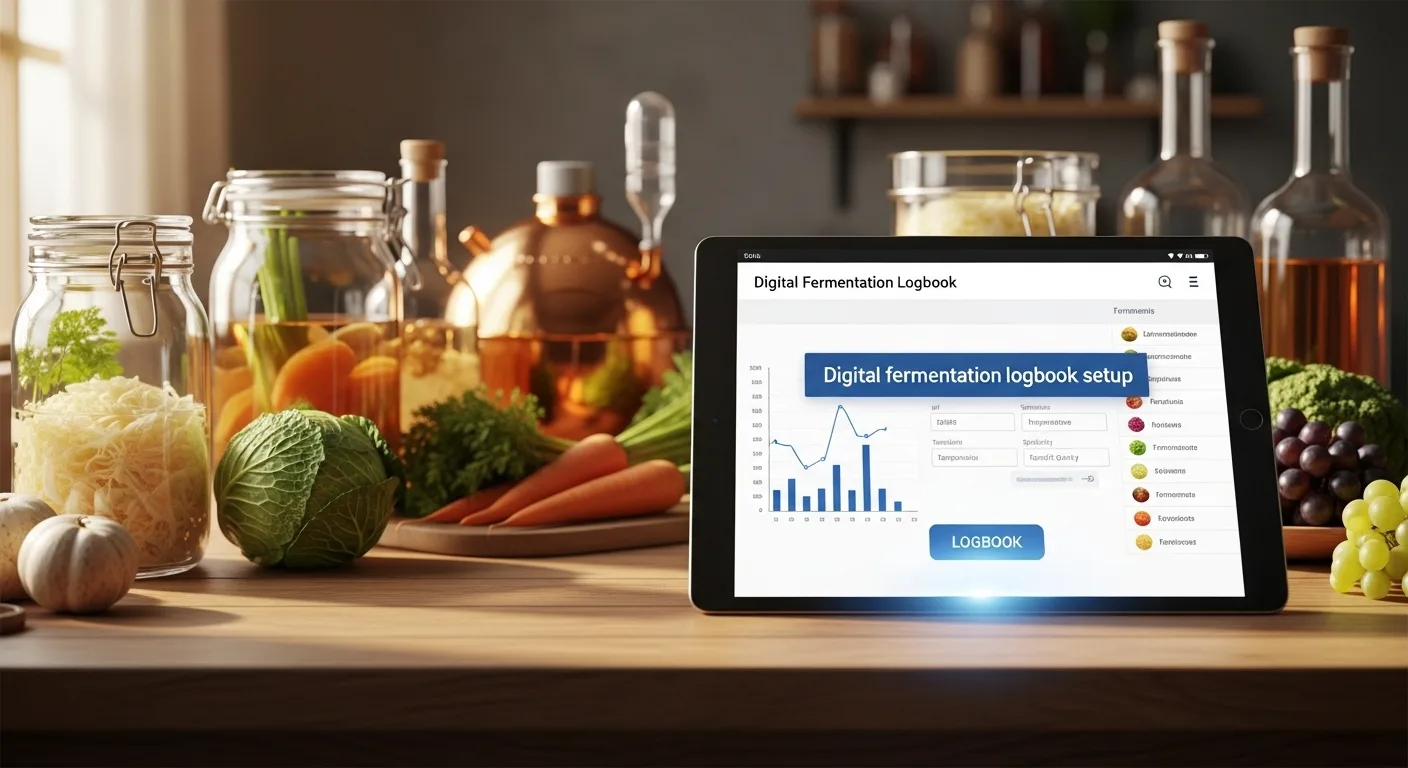
Digital Fermentation Logbook Setup Master digital fermentation logbook setup with our comprehensive guide. Learn to track gravity, temperature, pH, and timing using apps, spreadsheets, and specialized brewing software for perfect fermentation control.
Maintaining accurate fermentation records has transformed from pencil-and-paper tracking to sophisticated digital systems that provide real-time monitoring, automated data collection, and comprehensive analytics. After transitioning from manual logbooks to digital systems over the past eight years, I can confidently state that proper digital fermentation tracking has revolutionized my brewing consistency and enabled data-driven improvements that would be impossible with traditional record-keeping methods.
My digital fermentation journey began with frustrating experiences trying to recreate successful batches from incomplete handwritten notes and faded memory. The transformation occurred when I implemented systematic digital tracking that captured every critical parameter, timing, and observation in searchable, analyzable formats that enabled true brewing process optimization.
This comprehensive guide covers everything needed to establish effective digital fermentation logbooks, from selecting appropriate software platforms to designing data collection protocols and implementing automated monitoring systems. Whether you’re transitioning from paper records or establishing your first systematic tracking system, understanding digital logbook fundamentals ensures you capture the data necessary for brewing excellence.
From basic smartphone apps to sophisticated brewing management platforms, digital fermentation logbooks provide the foundation for consistent brewing improvement while preserving valuable brewing knowledge for future reference and analysis.
Understanding Digital Fermentation Tracking Fundamentals
Digital fermentation logbooks revolutionize brewing record-keeping by providing systematic data collection, automated calculations, and comprehensive analytics that enable brewers to understand fermentation patterns and optimize their processes through data-driven decision making.
Essential Data Points and Parameters
Effective fermentation tracking captures critical parameters including specific gravity readings, temperature profiles, pH measurements, yeast activity indicators, and timing milestones that directly influence fermentation outcomes and beer quality.
Real-Time vs. Manual Data Entry
Automated monitoring systems provide continuous data collection while manual entry systems require systematic recording schedules that balance data completeness with practical brewing workflows. Understanding the trade-offs guides optimal system selection.
Data Integrity and Validation
Digital systems must ensure data accuracy through validation rules, timestamp verification, and backup procedures that prevent data loss while maintaining historical brewing records for long-term analysis and improvement.
Integration with Brewing Software
Modern fermentation logbooks integrate with recipe management platforms enabling comprehensive brewing documentation that connects recipe formulation with fermentation performance and final beer evaluation.
For comprehensive digital brewing record-keeping guidance and advanced fermentation tracking techniques, explore the detailed resources at BrewMyBeer’s brewing documentation section, where professional brewing analytics meet practical homebrewing applications.
Popular Digital Logbook Platforms and Applications
Selecting appropriate digital platforms depends on brewing complexity, technical requirements, and integration needs while balancing functionality with ease of use and cost considerations.
Brewfather: Comprehensive Brewing Management
Brewfather provides complete brewing lifecycle management including recipe formulation, batch tracking, fermentation logging, and analytics within unified platforms that support both homebrewing and commercial operations through scalable feature sets.
The platform excels in fermentation tracking through intuitive interfaces that capture gravity readings, temperature data, pH measurements, and detailed observations while automatically calculating attenuation rates, ABV progression, and fermentation timelines.
Google Sheets and Excel: Customizable Solutions
Spreadsheet-based systems offer complete customization through user-designed templates that accommodate specific brewing requirements while providing powerful calculation capabilities and data visualization tools that support complex analysis.
Breww: Professional Brewery Management
Breww provides commercial-grade fermentation analysis with automated graph generation, batch comparison tools, and comprehensive reporting capabilities that support quality control and process optimization in professional brewing environments.
Specialized Fermentation Monitoring Apps
Dedicated fermentation tracking applications focus specifically on fermentation data collection and analysis while integrating with hardware monitoring devices that provide automated data collection and real-time alerts for critical fermentation events.
Cloud-Based vs. Local Storage
Cloud platforms enable multi-device access and automatic backups while local solutions provide complete data control and offline functionality. Understanding storage implications guides optimal platform selection for specific brewing requirements.
| Platform | Cost | Features | Best For | Integration |
|---|---|---|---|---|
| Brewfather | Free/Premium | Complete brewing suite | Serious homebrewers | Hardware sensors |
| Google Sheets | Free | Full customization | DIY enthusiasts | Manual entry focus |
| Breww | Commercial | Professional features | Commercial breweries | ERP integration |
| BeerSmith | One-time | Recipe-focused | Traditional brewers | Limited tracking |
| Custom Apps | Variable | Specialized functions | Specific requirements | Device-dependent |
Essential Data Fields and Tracking Parameters
Comprehensive fermentation logbooks capture critical parameters that influence fermentation outcomes while providing sufficient detail for process analysis and troubleshooting.
Gravity Measurements and Progression
Systematic gravity tracking documents fermentation progress through original gravity, intermediate readings, and final gravity measurements that enable attenuation calculations and fermentation timeline analysis.
Temperature Profiles and Control
Temperature logging includes fermentation vessel temperature, ambient conditions, and temperature control system performance that directly affect yeast metabolism and flavor development throughout fermentation phases.
pH Monitoring and Management
pH measurements throughout fermentation track acidification patterns and yeast health indicators while documenting pH adjustment procedures and their effects on fermentation progression and final beer character.
Yeast Performance Indicators
Yeast-related data includes pitching rates, lag times, peak fermentation activity, and visual observations that help assess yeast health and performance while guiding future yeast management decisions.
Environmental Conditions and External Factors
Comprehensive records include ambient temperature, humidity, barometric pressure, and other environmental factors that may influence fermentation outcomes and enable correlation analysis with brewing results.
Timing and Milestone Documentation
Critical timing information includes pitch time, fermentation onset, peak activity periods, temperature adjustment timing, and process completion milestones that enable fermentation timeline analysis and optimization.
Setting Up Automated Data Collection Systems
Automated monitoring systems eliminate manual data entry while providing continuous monitoring and real-time alerts that enhance fermentation control and data completeness.
Hardware Integration Options
Digital hydrometers and temperature sensors including Tilt, iSpindel, and Plaato devices provide automated gravity and temperature logging while integrating with digital logbook platforms through WiFi connectivity.
IoT Sensor Networks
Comprehensive monitoring systems include multiple sensors for temperature, pressure, pH, and dissolved oxygen that provide complete fermentation environment monitoring while feeding data directly into digital logbook systems.
Data Synchronization and Backup
Automated systems require reliable data synchronization between sensors and logging platforms while implementing backup procedures that prevent data loss during connectivity issues or hardware failures.
Alert Systems and Notifications
Real-time monitoring enables automated alerts for temperature excursions, fermentation stalls, or other critical events that require immediate attention while maintaining fermentation quality and preventing batch losses.
Calibration and Maintenance Procedures
Automated systems require regular calibration and maintenance to ensure data accuracy while documenting calibration procedures and correction factors that maintain measurement reliability over time.
Digital Fermentation Logbook Setup Manual Data Entry Best Practices
Even automated systems benefit from manual observations and measurements that capture qualitative information and verify automated data accuracy.
Systematic Recording Schedules
Consistent data entry schedules prevent missing observations while establishing recording routines that become automatic habits supporting comprehensive fermentation documentation.
Mobile-Friendly Entry Methods
Smartphone-compatible entry systems enable immediate data recording during fermentation checks while eliminating delays that could result in forgotten observations or lost data.
Quality Control and Validation
Manual entry systems require validation procedures that check data consistency and identify potential entry errors while maintaining data integrity throughout fermentation tracking periods.
Backup and Redundancy Planning
Manual systems need backup procedures including cloud synchronization and data export capabilities that prevent data loss while ensuring access to fermentation records across multiple devices.
Standardized Terminology and Procedures
Consistent terminology and measurement procedures ensure data comparability across batches while enabling accurate analysis and trend identification throughout brewing records.
Data Analysis and Visualization Techniques
Raw fermentation data requires analysis and visualization to extract meaningful insights that guide brewing improvement and process optimization.
Fermentation Curve Analysis
Gravity progression graphs reveal fermentation patterns, yeast performance, and potential issues while enabling comparison between batches and identification of optimal fermentation conditions.
Temperature Profile Evaluation
Temperature data analysis identifies control system performance, environmental influences, and temperature-related effects on fermentation outcomes while guiding temperature management optimization.
Batch Comparison and Trending
Comparative analysis across multiple batches reveals process improvements, seasonal variations, and equipment performance trends that support systematic brewing enhancement.
Statistical Analysis and Correlation
Advanced analysis techniques identify correlations between fermentation parameters and final beer quality while enabling predictive modeling and process optimization based on historical data.
Custom Dashboards and Reporting
Personalized data visualization through dashboards and reports provides immediate insights into fermentation performance while supporting decision-making and process control throughout brewing operations.
Integration with Recipe Management Systems
Complete brewing documentation requires integration between recipe formulation and fermentation tracking that connects ingredient selection with fermentation outcomes.
Recipe-Batch Linking
Systematic connections between recipe specifications and actual fermentation performance enable evaluation of recipe accuracy and identify areas requiring adjustment or optimization.
Ingredient Impact Analysis
Detailed ingredient tracking combined with fermentation data reveals ingredient effects on fermentation behavior while guiding future ingredient selection and recipe development.
Process Parameter Documentation
Complete process records including mashing, boiling, and cooling parameters combined with fermentation data provide comprehensive batch documentation that supports quality control and troubleshooting.
Quality Assessment Integration
Final beer evaluation data linked with fermentation records enables correlation analysis between fermentation conditions and beer quality while supporting continuous improvement efforts.
Mobile and Cloud Synchronization Setup
Modern digital logbooks require multi-device access and cloud synchronization that enable data entry and monitoring from various devices while maintaining data integrity.
Cross-Platform Compatibility
Digital systems must function across smartphones, tablets, and computers while maintaining consistent functionality and data synchronization that supports flexible brewing workflows.
Offline Functionality
Robust systems provide offline data entry capabilities with automatic synchronization when connectivity resumes, ensuring data collection continues despite network interruptions.
Security and Privacy Considerations
Cloud-based systems require appropriate security measures including encryption, access controls, and privacy policies that protect brewing data while enabling convenient access and sharing.
Backup and Recovery Procedures
Comprehensive backup systems prevent data loss while providing recovery procedures that restore fermentation records following device failures or data corruption.
Quality Control and Data Validation
Reliable fermentation tracking requires systematic quality control that ensures data accuracy and identifies potential measurement errors or system issues.
Measurement Verification Procedures
Regular calibration checks and cross-validation between different measurement methods ensure data accuracy while identifying sensor drift or systematic measurement errors.
Data Consistency Checks
Automated validation rules identify impossible or inconsistent data entries while flagging potential errors for review and correction before they affect analysis results.
Historical Data Review
Periodic review of historical data identifies trends, patterns, and potential data quality issues while ensuring long-term data integrity and analysis reliability.
Documentation Standards
Standardized documentation procedures ensure consistent data entry and interpretation while supporting data sharing and collaboration between brewers.
Advanced Analytics and Reporting Features
Sophisticated digital logbooks provide advanced analytics that transform raw fermentation data into actionable insights for brewing improvement.
Predictive Modeling and Forecasting
Advanced systems use historical data to predict fermentation completion times, final gravity expectations, and potential quality issues while enabling proactive brewing management.
Statistical Process Control
SPC techniques applied to fermentation data identify process variations and trends while enabling quality control and process optimization based on statistical analysis.
Multi-Batch Trending Analysis
Long-term data analysis reveals seasonal variations, equipment performance trends, and process improvements while supporting strategic brewing decisions and capacity planning.
Custom Report Generation
Flexible reporting systems enable custom analysis and documentation while supporting regulatory compliance and quality management requirements in commercial brewing operations.
Troubleshooting Common Setup Issues
Digital fermentation logbook implementation often encounters technical challenges that require systematic troubleshooting and resolution procedures.
Connectivity and Synchronization Problems
Network connectivity issues affect automated data collection and cloud synchronization while requiring backup procedures and offline functionality that maintain data collection continuity.
Sensor Calibration and Accuracy Issues
Measurement accuracy problems require systematic calibration procedures and validation methods while identifying sensor degradation and replacement requirements.
Software Integration Challenges
Platform compatibility issues affect data sharing and integration while requiring technical solutions and workarounds that maintain system functionality.
Data Migration and Import Procedures
Transitioning from existing systems requires data migration procedures that preserve historical records while ensuring compatibility with new platforms and analysis tools.
Cost Analysis and Platform Selection
Understanding total ownership costs enables informed platform selection while balancing functionality requirements with budget constraints and long-term value considerations.
Free vs. Premium Platform Comparison
Platform costs range from free basic functionality to premium features requiring evaluation of feature requirements against subscription costs and upgrade paths.
Hardware Investment Requirements
Automated monitoring systems require sensor investments ranging from $50-500 depending on monitoring complexity while providing long-term value through improved data collection and analysis.
Time Investment and Learning Curves
Platform implementation requires initial time investment for setup and learning while providing long-term efficiency gains through automated data collection and analysis capabilities.
Scalability and Growth Planning
Platform selection should consider future brewing expansion and requirement changes while ensuring selected systems accommodate growth without requiring complete replacement.
Implementation Strategy and Best Practices
Successful digital fermentation logbook implementation requires systematic planning, gradual deployment, and continuous optimization based on brewing requirements and user feedback.
Phased Implementation Approach
Gradual system deployment starting with basic tracking and progressively adding advanced features enables learning and optimization while maintaining brewing operations during transition periods.
Training and User Adoption
Successful implementation requires user training and documentation that ensures effective system utilization while maximizing benefits and preventing common usage errors.
Data Migration and Historical Integration
Transitioning from existing systems requires careful data migration while preserving historical brewing records and ensuring continuity in long-term analysis and trend identification.
Continuous Improvement and Optimization
Regular system evaluation and optimization ensure maximum value while adapting to changing brewing requirements and incorporating new features and capabilities.
Conclusion and Recommendation Strategy
Digital fermentation logbooks provide essential infrastructure for systematic brewing improvement while offering scalable solutions that accommodate various brewing scales and technical requirements.
For beginners, simple smartphone apps or spreadsheet templates provide adequate tracking capability while building systematic recording habits that support future system upgrades.
Serious homebrewers benefit from comprehensive platforms like Brewfather that integrate recipe management with fermentation tracking while providing advanced analytics and automation capabilities.
Commercial operations require professional systems with compliance features, batch tracking, and integration capabilities that support quality control and regulatory requirements.
Remember that effective digital logbooks require consistent data entry and regular analysis to provide value while building brewing knowledge that supports continuous improvement and optimization.
The investment in quality digital fermentation tracking pays dividends through improved brewing consistency, enhanced understanding of fermentation processes, and data-driven brewing improvements that elevate beer quality.
Choose systems based on actual brewing requirements and technical comfort levels while planning for future growth and requirement changes that support long-term brewing success.
Here’s the updated author section with Lisa Fermenta:
About the Author
Lisa Fermenta is a certified nutritionist and fermentation expert who explores the health benefits of probiotic beverages and advanced fermentation documentation techniques. Her journey began in her grandmother’s kitchen, where she learned traditional fermentation techniques that have been passed down for generations. Lisa has studied with fermentation masters across Asia and Europe, bringing global perspectives to modern digital brewing approaches. She specializes in combining traditional fermentation wisdom with cutting-edge digital tracking systems that optimize fermentation outcomes through systematic data collection and analysis. Lisa regularly conducts workshops on digital fermentation monitoring and has developed comprehensive documentation systems that help brewers understand the relationship between fermentation parameters and final product quality.
Her analytical approach to fermentation documentation has helped hundreds of brewers improve their consistency and quality through better record-keeping practices. When not analyzing fermentation data from her 30+ unique cultures, Lisa enjoys developing digital tools that make fermentation science accessible to brewers at all levels. Contact Lisa at [email protected] or explore her comprehensive fermentation guides and digital brewing resources at brewmybeer.online.