Spruce tips, the vibrant new growth of spruce trees, imbue beer with a unique, aromatic profile of pine, citrus, and resinous earthiness. I’ve found their proper integration provides a refreshing, complex character, making them an adventurous and rewarding ingredient for brewers seeking distinctive botanical notes beyond traditional hops. Timing and quantity are paramount to harness their delicate essence.
| Metric | Value |
|---|---|
| Beer Style | Spruce Tip Pale Ale |
| Original Gravity (OG) | 1.058 |
| Final Gravity (FG) | 1.012 |
| Alcohol By Volume (ABV) | 6.0% |
| International Bitterness Units (IBU) | 35 |
| Standard Reference Method (SRM) | 7 (Golden Amber) |
| Fermentation Temp. | 18°C (64°F) |
| Spruce Tip Addition (Boil, 10 min) | 75g (2.6 oz) per 19L (5 gal) |
| Spruce Tip Addition (Whirlpool, 80°C) | 100g (3.5 oz) per 19L (5 gal) |
| Spruce Tip Addition (Dry-spruce, 5 days) | 125g (4.4 oz) per 19L (5 gal) |
The Forest’s Whisper in Your Glass: Mastering Spruce Tip Brewing
When I first ventured into brewing with spruce tips, I confess, I was a little too enthusiastic. My initial batch, a heavy-handed attempt at a “Forest IPA,” ended up tasting less like a refreshing walk through a pine forest and more like I’d accidentally brewed with menthol cough drops. It was an invaluable lesson in moderation and timing. Over two decades, I’ve learned to truly coax out the vibrant, complex, and sometimes elusive flavors these wonderful nascent conifer shoots offer. It’s a dance between bright citrus, resinous pine, and a delicate herbal earthiness, and when done right, it produces a beer unlike any other.
For me, brewing isn’t just about combining ingredients; it’s about understanding their essence, how they interact, and how to manipulate processes to achieve a specific sensory outcome. Spruce tips are a prime example. They’re not just a novelty; they can be a foundational flavor element, particularly in styles that benefit from a crisp, clean, aromatic lift. From their optimal harvest time to precise addition schedules, every step matters. Let’s delve deep into how you can effectively integrate this incredible botanical into your next brew.
The Math of the Evergreen: Calculating Your Spruce Tip Additions
Brewing with natural ingredients like spruce tips requires a slightly different approach to calculation than standardized hops or malts. There isn’t an IBU equivalent for spruce tips, nor a reliable PPG (points per pound per gallon) metric. Instead, I rely on empirical ratios, my own sensory data, and a bit of informed guesswork. My goal is always to achieve balance, never to overwhelm. Here’s how I approach the numbers:
Spruce Tip Mass Ratio (STMR)
I find it most useful to consider spruce tip additions in relation to the total fermentable grain bill. This gives me a baseline understanding of concentration. My general starting point for a noticeable but not dominant spruce character is around 1.5% to 2.5% of the total grain bill mass (wet tips to dry malt). For a very pronounced character, I might push this to 3.5%, but rarely higher.
Formula:
STMR (%) = (Mass of Spruce Tips in grams / Total Malt Mass in grams) * 100Example for a 19L (5-gallon) batch with 5.5 kg (12.1 lbs) of malt:
- Targeting 2.0% STMR: (X grams / 5500 grams) * 100 = 2.0
- X = (2.0 * 5500) / 100 = 110 grams of spruce tips.
I then distribute this total across different stages of the brew for layered complexity.
Essential Oil Extraction Estimation
While precise essential oil content varies by species, season, and tree health, I’ve observed a correlation between contact time, temperature, and extraction intensity. Limonene, alpha-pinene, and myrcene are common terpenes providing citrus and pine notes. Higher temperatures (boil) extract more aggressively, potentially leading to resinous bitterness or “green” notes if overdone. Lower temperatures (whirlpool, dry-spruce) preserve delicate aromatics. I generally allocate:
- 25-30% of total tips to the last 10-15 minutes of boil for foundational resin and a hint of bitterness.
- 30-40% to whirlpool (80-85°C / 176-185°F) for bright, aromatic complexity without excessive harshness.
- 30-40% for dry-sprucing in secondary or fermenter for maximum fresh, vibrant aromatics.
Calculating Dry-Spruce Contact Time:
My experiments suggest that 4-7 days of contact for dry-sprucing at fermentation temperatures (18-20°C / 64-68°F) is optimal. Longer periods risk vegetal notes or an unpleasant menthol character. I taste daily after day 3.
Water-to-Tip Ratio for Infusion (Optional)
If I’m nervous about direct additions, I sometimes perform a separate infusion, similar to a hop tea. This allows for controlled extraction before adding to the wort. I’ll typically use a 1:4 (spruce tips:water) ratio by weight for a 15-minute steep at 75°C (167°F), then add the liquid to the fermenter.
| Addition Method | Target STMR % Allocation | Primary Flavor Contribution | Contact Temperature/Duration |
|---|---|---|---|
| Mash | 5-10% (very subtle) | Earthy, subtle forest floor notes | 65-68°C (149-154°F) / 60 min |
| Boil (last 10-15 min) | 25-30% | Resinous backbone, some bitterness, foundational pine | 100°C (212°F) / 10-15 min |
| Whirlpool | 30-40% | Bright citrus, fresh pine, nuanced aromatics | 80-85°C (176-185°F) / 20-30 min |
| Dry-spruce (fermenter) | 30-40% | Intense, fresh, vibrant, green aromatics | 18-20°C (64-68°F) / 4-7 days |
Brewing with Spruce Tips: My Step-by-Step Guide
This process outlines a typical 19L (5-gallon) batch of Spruce Tip Pale Ale, aiming for a balanced, aromatic beer.
1. Sourcing and Preparation
- Harvesting: I always harvest young, bright green, pliable spruce tips in spring. They should snap easily. I look for new growth that’s about 2-5 cm (1-2 inches) long. Avoid any tips that show signs of damage, disease, or insect activity. I personally prefer Picea glauca (White Spruce) or Picea rubens (Red Spruce) for their balanced flavor.
- Cleaning: Once harvested, I give them a quick rinse under cool water to remove any dust or small insects. I avoid prolonged soaking, which can leach delicate aromatics.
- Storage: If not brewing immediately, I store them in an open paper bag in the refrigerator for up to 3-5 days. For longer storage, I freeze them in airtight bags, blanching quickly beforehand if I’m concerned about enzymatic activity, though typically I don’t for short-term freezing.
2. The Mash
- Grain Bill: For a 19L batch, I’d typically use a base of 80% Pale Malt, 10% Munich Malt (for body and malty complexity), 5% Carapils (for head retention), and 5% Crystal 20L (for color and light caramel notes). Total fermentables would be around 5.5 kg (12.1 lbs).
- Mash Temperature: I aim for a single infusion mash at **66°C (151°F)** for **60 minutes**. This yields a fermentable wort suitable for a crisp pale ale.
- Optional Mash Addition: Sometimes, for an earthier background note, I’ll add about 50g (1.8 oz) of spruce tips to the mash. This extracts subtle, less vibrant flavors compared to later additions.
3. The Boil
- Boil Volume: I start with about 25L (6.6 gallons) of pre-boil wort to account for boil-off and trub loss, aiming for 19L into the fermenter.
- Hop Schedule:
- **60 minutes:** 15g (0.5 oz) Magnum hops for bittering (14% AA) – contributes around 25 IBU.
- **20 minutes:** 15g (0.5 oz) Cascade hops (5% AA) – contributes around 5 IBU.
- Spruce Tip Boil Addition: With **10 minutes remaining in the boil**, I add **75g (2.6 oz)** of fresh spruce tips directly to the kettle. This extracts essential oils, contributing a foundational resinous and piney character, along with a touch of perceived bitterness.
4. Whirlpool and Cooling
- Hop & Spruce Tip Whirlpool: Once the boil is complete, I immediately reduce the wort temperature to **80°C (176°F)**. I then add another 15g (0.5 oz) Cascade hops and **100g (3.5 oz)** of spruce tips. I let them steep for **20 minutes**, stirring gently every 5 minutes. This whirlpool addition is crucial for capturing the brighter, more volatile citrus and fresh pine aromatics without boiling them off.
- Cooling: I rapidly cool the wort to **18°C (64°F)** using my counterflow chiller and transfer to a sanitized fermenter.
5. Fermentation
- Pitching Yeast: I pitch a clean American Ale yeast strain, such as SafAle US-05 or a similar liquid equivalent, at a rate of 0.75 million cells/mL/°P. My target pitching temperature is **18°C (64°F)**.
- Primary Fermentation: I maintain a fermentation temperature of **18-19°C (64-66°F)** for 7-10 days, allowing the yeast to fully attenuate. I monitor gravity until it stabilizes at or near my target FG of 1.012.
6. Dry-Sprucing (Secondary Fermentation/Conditioning)
- Preparation: Once primary fermentation is complete and the beer is transferred to a secondary fermenter or conditioning vessel, I prepare my final spruce tip addition. I place **125g (4.4 oz)** of fresh spruce tips into a sanitized hop bag with a few sanitized marbles (to weigh it down).
- Addition: I add the hop bag directly to the beer.
- Contact Time: I allow for **5 days of contact** at conditioning temperature, typically **15°C (59°F)**. I taste the beer daily after 3 days to ensure I don’t over-extract. This step is where the vibrant, fresh ‘green’ and intense pine aromatics truly shine. For more insights into advanced conditioning techniques, check out BrewMyBeer.online.
7. Packaging
After the dry-sprucing period, I remove the spruce tips and proceed to packaging, either kegging or bottling. If bottling, I target 2.4-2.6 volumes of CO2 for a crisp carbonation.
Troubleshooting: What Can Go Wrong with Spruce Tips
- Overpowering Pine/Resin: My first batch’s mistake! This usually comes from adding too many tips, especially early in the boil, or excessive dry-sprucing time. Less is often more. If it happens, extended conditioning might mellow it, or blending with a neutral beer.
- Vegetal or Grassy Notes: Typically results from old or poorly stored tips, or overly aggressive extraction during prolonged dry-sprucing. Ensure tips are fresh and green.
- Not Enough Flavor/Aroma: This can stem from using too few tips, tips that are past their prime (older growth, dried out), or insufficient contact time at the correct temperatures (e.g., too little whirlpool/dry-sprucing). Adjust your STMR and consider more late-addition tips.
- Sour or Off-Flavors: While less common, this can indicate contamination from uncleaned tips or poor sanitation. Always rinse tips well and ensure all equipment is sanitized.
- Menthol/Eucalyptus Character: A common issue if tips are very mature or if an unusual spruce species is used. Younger, brighter tips typically avoid this.
Sensory Analysis: The Spruce Tip Experience
Appearance
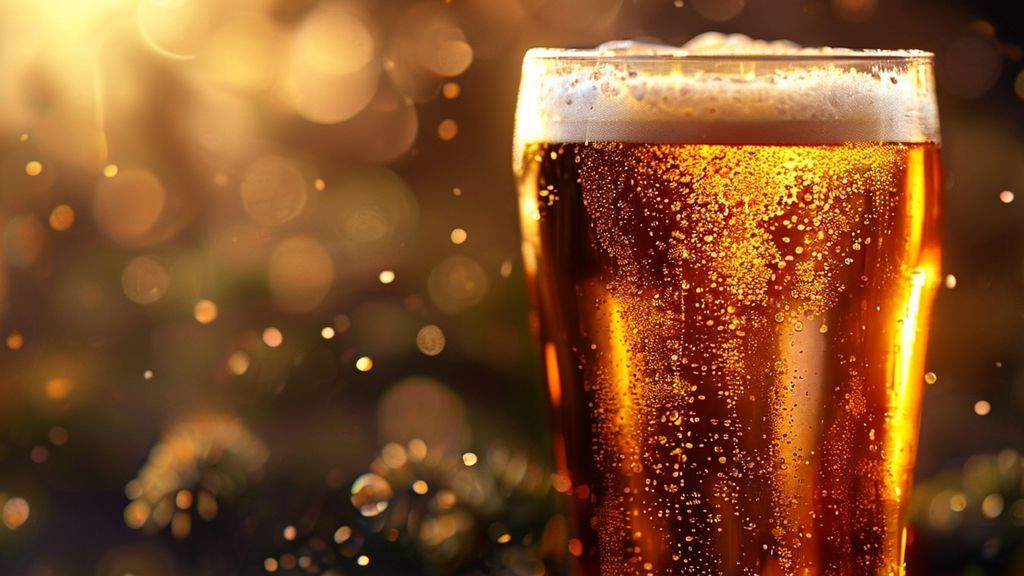
My Spruce Tip Pale Ale typically presents as a clear, radiant golden to light amber liquid (SRM 7-8). It often exhibits a brilliant clarity, capped by a persistent, white, rocky head with fine bubbles. Sometimes, a slight green tint can be observed under certain lighting, a testament to its unique botanical inclusion.
Aroma
The first impression is a captivating blend of fresh pine, reminiscent of a crisp forest morning, intertwined with bright citrus notes—lemon zest, grapefruit peel, and sometimes a hint of tangerine. Beneath this vibrant top layer, I often detect a subtle resinous earthiness, a whisper of menthol, and occasionally a faint herbaceous quality that speaks of the wild. The hop aroma (Cascade, in my example) usually plays a supportive role, complementing the spruce’s character rather than dominating.
Mouthfeel
On the palate, it typically delivers a crisp, medium-light body with a clean, dry finish. The carbonation is lively, enhancing the refreshing quality. There’s a slight, pleasant resinous stickiness that coats the mouth briefly, contributing to its unique texture without being cloying. I find it remarkably smooth, despite its bold flavor profile.
Flavor
The flavor mirrors the aroma, leading with a distinct, clean pine and bright citrus character. The bitterness is moderate (around 35 IBU), a harmonious balance between hop bitterness and the subtle, sharp resinous quality contributed by the spruce. Malt sweetness is restrained, serving as a backdrop that allows the spruce to shine without becoming harsh. There’s an engaging complexity, with notes of fresh-cut conifer, a touch of herbal spice, and a refreshing, almost palate-cleansing quality that makes each sip inviting. I particularly enjoy how the spruce character lingers on the finish, leaving a pleasantly unique aftertaste.
Frequently Asked Questions About Brewing with Spruce Tips
What’s the best time of year to harvest spruce tips for brewing?
I always recommend harvesting spruce tips in the spring, typically from late April to early June, depending on your local climate. You’re looking for the vibrant, bright green, tender new growth at the ends of branches, usually 2-5 cm (1-2 inches) long. They should be soft and easily pliable, not woody. This ensures the highest concentration of desirable volatile compounds and avoids the harsher, more mentholated flavors of older growth.
Do different spruce species yield different flavors in beer?
Absolutely, my experience confirms this. While all spruce species will impart a “piney” character, the nuances vary significantly. For instance, I find White Spruce (Picea glauca) and Red Spruce (Picea rubens) offer a beautiful balance of pine, citrus, and a mild sweetness. Sitka Spruce (Picea sitchensis) can be more intensely resinous and pungent, almost leaning towards grapefruit. Black Spruce (Picea mariana) might give a slightly more earthy and medicinal tone. Experimentation with small batches is key to finding your preferred profile.
Can I use dried spruce tips in my brewing, and how does it compare to fresh?
Yes, you can use dried spruce tips, but I find their flavor profile to be noticeably different and often less vibrant. Drying tends to diminish some of the delicate, fresh citrus and green aromatics, leaving a more concentrated, sometimes harsher, pine resin character. If using dried, I’d suggest reducing the quantity by about 30-50% compared to fresh and focusing additions in the whirlpool or dry-spruce stage to try and preserve what fresh character remains. I always prefer fresh tips when available for the most expressive result. For more ingredient insights, visit BrewMyBeer.online.
What beer styles best complement spruce tip additions?
Spruce tips are incredibly versatile, but I’ve found they shine brightest in styles that allow their unique aromatics to stand out. Pale Ales and IPAs are natural fits, as their hop profiles can beautifully intertwine with the spruce’s pine and citrus. Lagers and Pilsners can gain a wonderfully crisp, refreshing twist. Even certain Saisons or Gose styles can benefit from a judicious addition, introducing a complex botanical layer. I generally steer clear of very dark or heavily roasted beers, as their assertive malt profiles can easily overpower the delicate spruce notes.