Brewing a Belgian Tripel demands precision, patience, and a deep understanding of yeast performance to achieve its signature complex character. This style features high alcohol content, a pale color, intense fruit and spice notes from specific yeast strains, a dry finish, and substantial carbonation. Mastering the temperature control and sugar addition is paramount for a classic expression.
| Metric | Target Value (5 US Gallon Batch) |
|---|---|
| Original Gravity (OG) | 1.080 |
| Final Gravity (FG) | 1.009 |
| Calculated ABV | ~9.3% |
| Bitterness (IBU) | 28-32 |
| Color (SRM) | 3-4 |
| Mash Temperature | 66°C (151°F) |
| Fermentation Temperature | Start 20°C (68°F), ramp to 24°C (75°F) |
| Boil Time | 90 minutes |
When I first ventured into brewing Belgian Tripels about 15 years ago, I made the common mistake of underpitching my yeast and not managing my fermentation temperatures rigorously enough. The result was a boozy, solvent-like mess with an overpowering phenolic bite that screamed “homebrew” rather than “authentic Belgian masterpiece.” My earliest Tripels taught me that this style isn’t about throwing a bunch of ingredients together; it’s a delicate dance with yeast, sugar, and precise temperature control. It took me years of tweaking, detailed note-taking, and studying classic Belgian techniques to truly unlock the nuanced balance and effervescence that defines a world-class Tripel. Now, when I brew this style, I approach it with the respect it deserves, focusing on every variable to achieve that bright, complex, and dangerously drinkable result.
The Brewer’s Manual Calculation Guide for a Belgian Tripel
Understanding the interplay of your ingredients, especially in a high-gravity beer like a Tripel, is crucial. I always calculate my potential gravity contributions and ABV before I even think about mashing in. This is my standard approach for a 5 US gallon (19-liter) batch aiming for an OG of 1.080.
Grain Bill and Gravity Contribution
My go-to grist for a Tripel is deceptively simple, but the key is the quality of your Pilsner malt and the strategic use of candi sugar. I’ve found this ratio gives me the crisp, dry base I want, allowing the yeast to shine.
| Ingredient | Weight (kg) | Weight (lb) | Percentage | Potential PPG (approx.) | Gravity Contribution (19L, 75% efficiency) |
|---|---|---|---|---|---|
| Pilsner Malt (Floor-malted if possible) | 5.45 kg | 12.0 lb | 75.0% | 38 PPG | ~1.058 |
| Aromatic Malt | 0.45 kg | 1.0 lb | 6.2% | 35 PPG | ~1.004 |
| White Candi Sugar (or Dextrose) | 1.36 kg | 3.0 lb | 18.8% | 46 PPG | ~1.018 |
| Total Est. OG | 100% | ~1.080 |
Note: PPG (Points Per Gallon) values are approximate and depend on your specific maltster. The “Gravity Contribution” assumes a 75% brewhouse efficiency for the malts. The candi sugar contributes its full potential as it’s added directly to the boil.
Alcohol By Volume (ABV) Calculation
The standard formula I use, and one that’s sufficiently accurate for homebrewing, is:
ABV = (Original Gravity - Final Gravity) * 131.25
For my target Tripel:
ABV = (1.080 - 1.009) * 131.25 = 0.071 * 131.25 = 9.328%
This tells me I’m hitting the target strength for the style. This precision is why I constantly emphasize knowing your numbers at BrewMyBeer.online.
Step-by-Step Execution: Brewing Your Belgian Tripel
This is where the rubber meets the road. Follow these steps meticulously, and you’ll be on your way to a stunning Tripel.
1. Water Treatment
I start with filtered water. For a Tripel, I aim for a very soft water profile, letting the malt and yeast character dominate. I typically add:
- Calcium Chloride: 5 grams (to aid clarity and yeast health)
- Gypsum (Calcium Sulfate): 2 grams (to slightly enhance hop crispness, but sparingly)
- Lactic Acid: To adjust mash pH to 5.2-5.4.
2. Mash
- Heat strike water to achieve a mash temperature of 66°C (151°F) with a liquor-to-grist ratio of about 3 L/kg (1.4 qt/lb).
- Add your crushed grains, ensuring no dough balls. Stir thoroughly to ensure even hydration.
- Hold the mash at 66°C (151°F) for 75 minutes. This single-infusion mash temperature favors fermentable sugars, crucial for the dry finish of a Tripel.
- Mash out by raising the temperature to 77°C (170°F) for 10 minutes to stop enzymatic activity and make the wort less viscous for sparging.
3. Sparge
- Recirculate your wort until it runs clear, typically 10-15 minutes.
- Begin sparging with 77°C (170°F) water until you collect approximately 25 liters (6.6 US gallons) of pre-boil wort.
- Check your pre-boil gravity. For my system, I’m usually looking for around 1.066 before the boil.
4. Boil and Hop Schedule (90 Minutes)
The extended boil helps drive off DMS precursors from the Pilsner malt and concentrates the wort. Hops are mainly for balance, not aroma or flavor.
| Time (Minutes) | Hop Type | Quantity | Alpha Acid (approx.) | Notes |
|---|---|---|---|---|
| 90 min | Magnum (Pellets) | 30g (1.0 oz) | 14% AA | Bittering charge |
| 15 min | Styrian Goldings (Pellets) | 20g (0.7 oz) | 4.5% AA | Flavor/aroma addition |
| 10 min | White Candi Sugar | 1.36 kg (3.0 lb) | N/A | Add slowly to avoid scorching |
| 5 min | Irish Moss / Whirlfloc | 1 tsp | N/A | For clarity |
5. Chilling and Pitching
- After the boil, chill your wort rapidly to 18°C (64°F). Rapid chilling helps prevent chill haze and promotes a good cold break.
- Transfer the chilled wort to your sanitized fermenter. Aerate vigorously (oxygen is critical for healthy high-gravity fermentations).
- Pitch a healthy, appropriately sized yeast starter. For a 1.080 OG Tripel, I typically pitch two vials/packets of liquid yeast (e.g., Wyeast 3787 Trappist High Gravity or White Labs WLP530 Abbey Ale) or a starter equivalent to 400 billion cells. Underpitching is the cardinal sin of high-gravity brewing.
6. Fermentation
This is the most critical phase for a Belgian Tripel’s character development.
- Start fermentation at 20°C (68°F) for the first 3 days. This initial temperature encourages the yeast to produce the desired fruity esters.
- After 3 days, gradually raise the temperature by 1-2°C per day until it reaches 24°C (75°F). Hold it here for the remainder of primary fermentation. The warmer temperature helps the yeast finish strong, attenuating the beer fully and developing those signature spicy phenols.
- Primary fermentation typically takes 10-14 days. Monitor your gravity; once it stabilizes for 3 consecutive days around 1.008-1.012, it’s ready for packaging.
7. Packaging
I prefer bottle conditioning for Tripels to achieve that effervescent, fine-bubbled carbonation. For 19 liters (5 gallons), I use:
- Priming Sugar (Dextrose): 140-160 grams (4.9-5.6 oz) for 3.5-4.0 volumes of CO2.
Dissolve the priming sugar in a small amount of boiling water, let it cool, then gently add it to your bottling bucket before siphoning the beer. Bottle and allow 3-4 weeks at room temperature for carbonation and conditioning before chilling and enjoying.
Troubleshooting: What Can Go Wrong with Your Tripel
Even after 20 years, I still run into snags. Here’s what I’ve encountered and how to fix it:
- Stuck Fermentation (High FG): This is common with high-gravity beers.
- Cause: Underpitching, insufficient aeration, too low fermentation temperature, or nutrient deficiency.
- Fix: Rousing the yeast by gently swirling the fermenter, increasing the temperature by a few degrees, or pitching a fresh packet of highly attenuative dry yeast (e.g., SafAle T-58 or even champagne yeast if desperate) can sometimes restart it. Ensure proper yeast nutrient in the boil.
- Excessive Fusel Alcohols (Solvent/Nail Polish Remover Aroma):
- Cause: Too high fermentation temperatures, especially early in fermentation.
- Fix: Prevention is key – stick to the recommended temperature schedule. Once present, fusels can mellow with extended aging, but they rarely fully disappear.
- Lack of Belgian Character (Too Clean/Muted):
- Cause: Fermenting too cool, using an inappropriate yeast strain, or not enough candi sugar.
- Fix: Ensure you’re using a true Belgian Trappist or Abbey yeast strain and following the temperature ramp. Don’t skimp on the candi sugar; it’s vital for a dry finish and promotes yeast character.
- Oxidation (Cardboard/Sherry Flavors):
- Cause: Introducing oxygen post-fermentation during transfers or bottling.
- Fix: Minimize splashing at every stage after primary fermentation. Use closed transfers if possible, and purge bottling buckets with CO2. High ABV beers are particularly susceptible.
Sensory Analysis: The Perfect Tripel
When I pour a Tripel I’m truly proud of, here’s what I look for, that perfect harmony of components that makes the style so captivating.
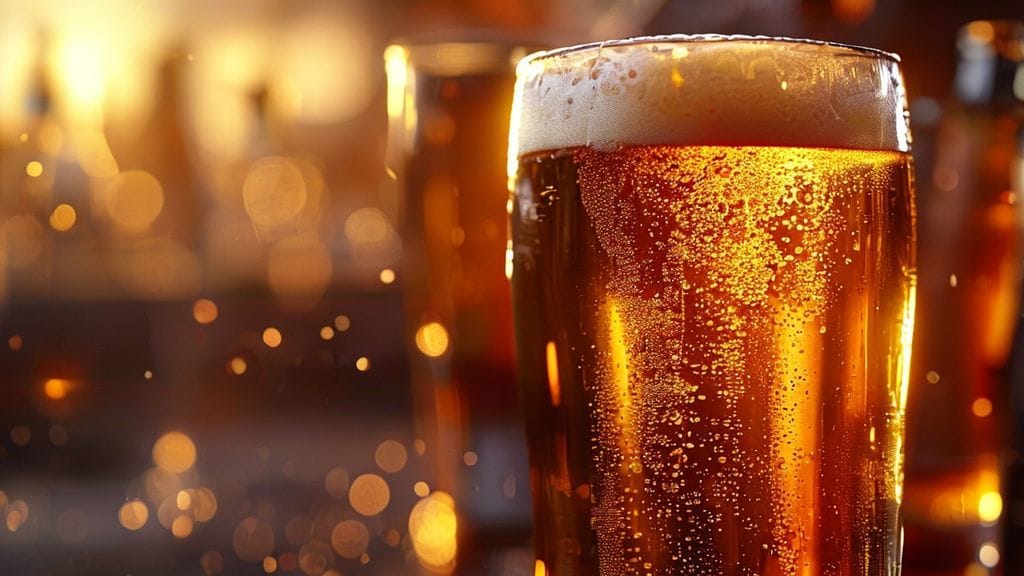
- Appearance: It should be a beautiful, clear golden color, almost luminous, with a brilliant clarity that makes it sparkle in the glass. When poured correctly, it builds a massive, rocky, brilliant white head that persists and leaves intricate lacing as it slowly recedes.
- Aroma: This is where the yeast truly shines. I expect a complex bouquet of fruity esters reminiscent of pear, apple, and sometimes citrus peel. Interwoven are spicy phenolic notes, often described as clove or white pepper, with a subtle hint of rose or honey from the noble hops and underlying malt. There’s a gentle, inviting warmth of alcohol, but it should never be solvent-like.
- Mouthfeel: The body should be medium-light, belying its high alcohol content, giving it a refreshing drinkability. Carbonation is paramount – very high, creating a delightful effervescence that tickles the tongue and contributes to its dry finish. There’s a pleasant alcohol warmth, but it should be smooth and integrated, never harsh or hot. It finishes remarkably dry, prompting another sip.
- Flavor: The flavor mirrors the aroma, starting with a gentle sweetness from the Pilsner malt that quickly gives way to those signature fruity esters and spicy phenols. Notes of pear, apple, and often a subtle banana or citrus zest mingle with clove and white pepper. Hop bitterness is present but low, providing just enough balance without asserting itself. The absence of residual sweetness and the very dry finish are hallmarks, leaving a lingering, complex, and slightly warming aftertaste.
What is the ideal yeast strain for a Belgian Tripel?
Based on my experience, highly flocculant, attenuative Belgian Abbey or Trappist yeast strains are ideal. My personal favorites are Wyeast 3787 Trappist High Gravity and White Labs WLP530 Abbey Ale. These strains consistently deliver the complex fruit (pear, apple) and spice (clove, pepper) notes, along with the high attenuation necessary for a dry finish.
How does candi sugar impact a Belgian Tripel?
Candi sugar is crucial for a Belgian Tripel. It ferments almost completely, contributing to the beer’s high alcohol content without adding significant body or cloying sweetness, which helps achieve the characteristic dry finish. White candi sugar is preferred to maintain the pale color, while its unique caramelization profile (especially if using traditional Belgian candi sugar) can subtly enhance complexity.
What is the importance of fermentation temperature control in a Tripel?
Fermentation temperature control is absolutely critical for a Tripel. Starting at 20°C (68°F) encourages specific ester production, while a gradual ramp up to 24°C (75°F) ensures full attenuation and promotes the development of desired phenolic compounds. Without precise control, you risk off-flavors like fusel alcohols (solvent-like) or a muted, less complex flavor profile. This meticulous control is a cornerstone of quality brewing, and it’s a topic I often revisit on BrewMyBeer.online.