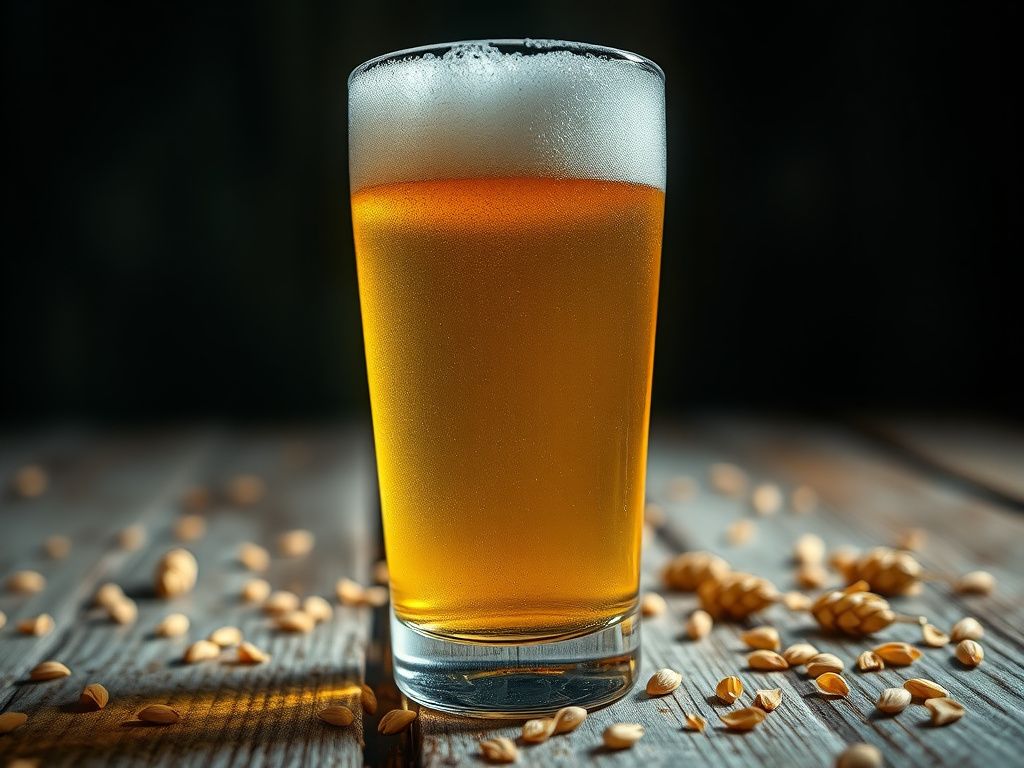
Brewing truly satisfying non-alcoholic beer demands a multidisciplinary approach, integrating advanced mashing techniques, specialized non-saccharomyces yeasts, and sophisticated dealcoholization processes. This 2026 handbook provides a definitive technical framework for achieving authentic beer flavor and body below 0.5% ABV, moving beyond simplistic wort-based brews. Elevate your NA program with data-driven brewing protocols and cutting-edge ingredient selection. Learn more at BrewMyBeer.online.
NA Brewing Methodologies: Comparative Technical Analysis (2026)
This table outlines the primary technical strategies employed in the production of non-alcoholic (NA) beer, highlighting their core principles, target ABV, inherent flavor impacts, and critical operational challenges from a 2026 perspective.
| Methodology | Core Technical Principle | ABV Target (%) | Dominant Flavor/Mouthfeel Impact | Key Technical Challenges |
|---|---|---|---|---|
| Restricted Fermentation (Low-Fermentable Wort) | Controlled enzymatic saccharification at high temperatures (70-78°C) to maximize unfermentable dextrins. Use of specialized, low-attenuating yeasts. | < 0.5% | Retains significant malt character, often described as “worty.” Can be sweet and lack fermentation-derived esters. Mouthfeel built via dextrins and adjuncts. | Achieving adequate fermentable sugar conversion for yeast health without exceeding ABV limits. Managing “worty” off-notes. Flavor complexity development. |
| Arrested Fermentation | Initiation of conventional fermentation followed by rapid cessation (cooling, filtration, pasteurization) before significant ethanol production (< 0.5% ABV). | < 0.5% | More “beer-like” than restricted fermentation due to initial yeast activity, but often lacks depth. Risk of green apple (acetaldehyde) or other incomplete fermentation notes. | Precise timing and immediate, aggressive process intervention. High risk of off-flavor formation from stressed yeast. Refermentation risk if stabilization is inadequate. |
| Vacuum Distillation (Evaporation) | Post-fermentation ethanol removal via evaporation at reduced pressure and temperature (e.g., 30-45°C). Volatile flavor compounds are often recovered and reinjected. | < 0.5% | Good retention of hop character and some fermentation esters. Can exhibit slight “cooked” or stewed notes if temperature or vacuum control is imprecise. | High capital investment. Energy consumption. Precise temperature and vacuum control essential to prevent thermal degradation and maximize volatile recovery. |
| Reverse Osmosis (Membrane Separation) | Post-fermentation ethanol removal. Beer passes through semi-permeable membranes, separating water/ethanol from larger flavor molecules. Permeate is distilled, dealcoholized water recombined. | < 0.5% | Excellent retention of delicate aromatics and hop volatiles. Minimizes thermal impact. Can result in a “thinner” mouthfeel if not carefully managed or if water is not fully reintegrated. | High capital and operational costs (membrane replacement, energy). Membrane fouling and cleaning protocols. Permeate management and water balancing critical for flavor and body. |
| Specialized Yeast Strains (Non-Saccharomyces & Engineered) | Application of specific yeast strains (e.g., Lachancea thermotolerans, Saccharomycodes ludwigii, or engineered Saccharomyces) with inherently low ethanol production capacity and/or unique ester profiles. | < 0.5% | Can introduce novel fruit or ester notes (e.g., lactic, tropical). Mitigates “worty” character. Limited traditional beer flavor byproducts. | Strain specific optimal fermentation conditions. Potential for sourness (Lachancea) or other off-notes if not controlled. Flavor profiles may not match traditional styles. Risk of refermentation by spoilage organisms. |
Brewing Non-Alcoholic Beer: Fermentable Sugar Calculation & ABV Control
Objective: Achieve <0.5% ABV in a Low-Fermentable Wort NA Beer
To consistently produce non-alcoholic beer below the legal threshold of 0.5% ABV using a restricted fermentation strategy, precise control over wort fermentability and yeast activity is paramount. This calculation demonstrates how to determine the maximum permissible gravity drop to stay within the NA limit and guides wort formulation.
Key Principle: Apparent Attenuation (AA) and its relation to ABV. A common simplified formula for ABV is: ABV ≈ (Original Gravity – Final Gravity) * 131.25.
Step 1: Determine Maximum Permissible Gravity Drop (ΔSG) for <0.5% ABV
Let’s assume a target maximum ABV of 0.4% to provide a safety margin.
ABV = (OG – FG) * 131.25
Rearranging for (OG – FG), which represents the gravity drop (ΔSG):
ΔSG = ABV / 131.25
ΔSG = 0.004 / 131.25
ΔSG ≈ 0.00305
This means the total specific gravity drop during fermentation must not exceed approximately 3.05 “points” (e.g., from 1.010 to 1.00695). This is a critical constraint for wort fermentability.
Step 2: Wort Design for Low Fermentability (Restricted Fermentation)
Consider a desired Original Gravity (OG) of 1.012 for a light-bodied NA pale ale. To achieve <0.5% ABV, the Final Gravity (FG) must be at least:
FG = OG – ΔSG
FG = 1.012 – 0.00305
FG ≈ 1.00895
So, the fermentation must cease when the beer reaches a specific gravity of approximately 1.00895 or higher.
Now, we need to design a mash profile and grain bill that produces a wort with an OG of 1.012, where only a maximum of ~3.05 points of gravity are fermentable by the chosen yeast.
Mashing for High Dextrins: Conduct a single-infusion mash at a high temperature, typically 72-78°C (162-172°F). This temperature range primarily activates alpha-amylase, which produces unfermentable dextrins, while minimizing beta-amylase activity responsible for fermentable sugars (maltose).
Grain Bill Selection: Employ a significant portion of specialty malts known for high dextrin content (e.g., Carafoam, Carapils) or unfermentable body builders (e.g., Maltodextrin, Lactose). Minimize base malts and avoid high diastatic power additions that would create excessive fermentables.
- Example: A grain bill for 1.012 OG might comprise 70% Base Malt (e.g., Pale Malt) mashed at 75°C, 15% Carapils, 10% Munich Malt, and 5% Maltodextrin addition. The mash conversion efficiency and fermentable sugar yield will be critical.
Yeast Selection: Use a specialized NA yeast strain (e.g., Saccharomycodes ludwigii or Lachancea thermotolerans, or specific Saccharomyces strains like SafAle LA-01) known for very low attenuation capacity (typically 10-25% apparent attenuation on a standard wort). These yeasts are metabolically limited in their ability to ferment complex sugars like maltose.
Validation: Apparent Attenuation (AA) Check
If our designed wort has an OG of 1.012 and we target an FG of 1.00895, the Apparent Attenuation (AA) of the yeast on this specific wort would be:
AA = [(OG – FG) / (OG – 1)] * 100
AA = [(1.012 – 1.00895) / (1.012 – 1)] * 100
AA = [0.00305 / 0.012] * 100
AA ≈ 25.4%
This means our chosen low-attenuating yeast must be able to attenuate approximately 25.4% of the *fermentable* sugars in our specifically mashed wort while producing <0.5% ABV. Brewers must validate the actual attenuation performance of their chosen yeast on their specific low-fermentable wort through pilot batches and laboratory analysis (e.g., forced fermentation tests).
Brewing Non-Alcoholic Beer That Actually Tastes Like Beer: The 2026 Handbook
Introduction: The NA Beer Paradigm Shift
The landscape of non-alcoholic (NA) beer production has undergone a radical transformation. What was once relegated to saccharine malt beverages or “watery apologies” has, by 2026, evolved into a highly technical and demanding discipline. Consumer expectations for NA offerings are no longer merely about abstinence; they demand parity with their alcoholic counterparts in aroma, flavor, mouthfeel, and finish. This definitive guide delves into the advanced methodologies, ingredient innovations, and process optimizations required to brew NA beer that genuinely delivers an authentic, satisfying beer experience.
The core challenge lies in the absence of ethanol, which is far more than just an intoxicating agent. Ethanol contributes significantly to the sensory profile of beer, acting as a solvent for flavor compounds, providing perceived sweetness, influencing mouthfeel, and generating a characteristic “burn” or warmth. Replicating these complex interactions without alcohol requires precision engineering at every stage of the brewing process.
The Fundamental Challenge: Replicating Ethanol’s Multifaceted Role
To understand the complexity of brewing palatable NA beer, one must first grasp the sensory void left by ethanol’s absence:
Flavor Solvent and Carrier: Ethanol solubilizes hydrophobic compounds, particularly hop resins and certain fermentation-derived esters. Without it, these critical flavor elements can become muted or precipitate, leading to a less vibrant aroma and taste profile.
Perceived Sweetness and Balance: Ethanol possesses a mild sweetness that contributes to the overall balance of beer, especially against bitterness. Its absence can leave NA beers tasting either excessively bitter, watery, or overly sweet due to residual sugars.
Mouthfeel and Body: Ethanol adds a significant amount of “body” or viscosity to beer. Its removal often results in a thin, watery, or insubstantial mouthfeel, a primary complaint among consumers of traditional NA products.
Fermentation By-products: Beyond ethanol, conventional fermentation produces a myriad of volatile compounds (esters, fusel alcohols, diacetyl, acetaldehyde) that define beer style. NA methods that limit fermentation inherently lack these complex flavor matrices, often leading to “worty” or unfermented characteristics.
Primary NA Brewing Methodologies: A Technical Overview
The 2026 landscape of NA brewing is characterized by several distinct, often hybridized, technical approaches:
1. Restricted Fermentation (Low-Fermentable Wort)
This method focuses on limiting the production of fermentable sugars during the mash, then fermenting with specialized yeasts that have a low capacity for ethanol generation. It is a favored approach for its relative simplicity compared to dealcoholization, though flavor engineering is critical.
Mashing Profiles: The cornerstone is a high-temperature single-infusion mash, typically in the range of 72-78°C (162-172°F). This temperature range preferentially activates alpha-amylase, which breaks down starches into unfermentable dextrins, while largely denaturing beta-amylase, the enzyme responsible for producing fermentable maltose. Precise temperature control and mash pH (5.4-5.8) are crucial for consistent dextrin profiles. A longer mash rest (90-120 minutes) can further ensure complete starch conversion without excessive fermentable sugar generation. Learn more about optimal mashing at BrewMyBeer.online.
Grain Bill Selection: Emphasis is placed on specialty malts that contribute body, color, and unfermentable sugars without adding excessive diastatic power. Carapils (Dextrin Malt), Carafoam, and Munich malts are common. Small additions of roasted malts can provide color and a perception of complexity without significant fermentable impact. Adjuncts such as maltodextrin, lactose, and arabinogalactans are frequently incorporated post-mash or in the kettle to directly enhance body and perceived sweetness, mitigating the thinness caused by low ethanol.
Enzyme Modulation: While high-temperature mashing naturally favors dextrins, exogenous enzyme additions can be strategically employed. Beta-glucanase can improve filtration and mouthfeel by breaking down gum-forming beta-glucans. Amylase inhibitors, though less common commercially, represent a future frontier for ultra-precise fermentability control.
Yeast Selection: The evolution of specialized yeast strains is central to this method.
Non-Saccharomyces Strains: Yeasts like Lachancea thermotolerans (known for lactic acid production and some esterification, but very low ethanol), and Saccharomycodes ludwigii (a wild yeast with extremely low attenuation) are gaining prominence. These strains contribute unique flavor profiles (e.g., tropical esters, slight tartness) that can mask worty notes and add complexity. However, their fermentation kinetics and flavor contributions must be meticulously controlled to prevent off-flavors.
Specialized Saccharomyces Strains: Engineered or naturally occurring *Saccharomyces cerevisiae* variants with impaired glucose uptake or alcohol dehydrogenase activity are also available (e.g., Fermentis SafAle LA-01). These yeasts provide more traditional ester profiles at very low attenuation, making them suitable for NA versions of classic beer styles. Their performance is highly dependent on wort fermentability and fermentation temperature.
Process Control: Fermentation with these low-attenuating yeasts is typically short (24-72 hours) and at controlled, often cooler, temperatures (15-20°C) to further limit ethanol production and manage ester formation. Rapid cooling and stabilization (e.g., filtration, pasteurization) immediately after the target gravity/ABV is reached are essential to prevent over-attenuation or refermentation by wild yeasts.
2. Arrested Fermentation
This technique involves initiating a standard fermentation with conventional brewer’s yeast but halting the process prematurely, typically within 24-48 hours, once the ABV approaches the 0.5% threshold. While theoretically simple, it presents significant control challenges.
Technical Execution: Fermentation is commenced normally, allowing some yeast activity to produce initial esters and CO2. Critical monitoring of specific gravity and real-time ABV (using an in-line alcometer or frequent lab sampling) is mandatory. When the target ABV is approached (e.g., 0.4%), the process is abruptly terminated by crashing the temperature to near freezing (0-2°C), followed by immediate sterile filtration and pasteurization.
Flavor Implications: This method aims to capture some of the desirable yeast-derived flavors (esters, phenolics for certain styles) before significant ethanol is produced. However, incomplete fermentation can lead to an excess of acetaldehyde (green apple notes), diacetyl (butterscotch), or sulfur compounds. The flavor profile often lacks the depth and maturation of fully fermented beer.
Consistency and Stability: Achieving consistent ABV and flavor batch-to-batch is extremely difficult due to the dynamic nature of fermentation. Inadequate stabilization poses a severe risk of refermentation in the package, leading to over-pressurization or spoilage. Strict microbiological control is paramount.
3. Dealcoholization Methods (Post-Fermentation)
These methods involve brewing a full-strength beer and then removing the ethanol. This approach generally yields the most “beer-like” NA product as the beer undergoes a complete fermentation, developing a full spectrum of flavor compounds. The high capital investment makes these methods primarily industrial.
Vacuum Distillation (Vacuum Evaporation):
Principle: Ethanol has a lower boiling point than water. By reducing the pressure in the system (creating a vacuum), the boiling point of ethanol is further lowered, allowing it to evaporate at temperatures well below its atmospheric boiling point (typically 30-45°C or 86-113°F). This minimizes thermal stress on the beer.
Process: Full-strength beer is fed into a vacuum evaporator. Ethanol and some volatile flavor compounds vaporize. These vapors are condensed, and the ethanol is separated. Critical flavor volatiles are often captured and reinjected into the dealcoholized beer concentrate. The remaining dealcoholized beer is then diluted to target OG/FG and carbonated.
Flavor Impact: This method generally preserves hop aromatics and some fermentation esters well. However, minor “cooked” or stewed notes can still occur if temperature control is not precise or if certain flavor compounds are disproportionately removed or altered during evaporation and recovery.
Technical Considerations: Requires substantial capital for equipment (evaporator, vacuum pump, condenser, volatile recovery unit). Energy consumption is a factor. Optimization of volatile recovery is crucial for a balanced flavor profile. For detailed schematics on dealcoholization units or advanced hop product sourcing, visit BrewMyBeer.online.
Reverse Osmosis (RO) / Membrane Filtration:
Principle: This is a non-thermal process that uses semi-permeable membranes to separate components based on molecular size. Beer is pumped at high pressure across a membrane, allowing smaller molecules (water, ethanol) to pass through (the “permeate”) while larger flavor molecules, proteins, and sugars are retained (the “retentate”).
Process: Full-strength beer is concentrated by repeatedly passing it through the RO membranes. The ethanol-rich permeate is then subjected to distillation to remove alcohol, and the dealcoholized water is returned and blended with the flavor-concentrated retentate to achieve the original volume and target NA ABV. The key is to minimize the “thinning” effect caused by the removal and reintroduction of water.
Flavor Impact: RO is considered one of the gentlest methods, exceptionally good at preserving delicate hop aromas, esters, and other volatile flavor compounds due to its non-thermal nature. The primary challenge is maintaining mouthfeel and avoiding a perception of dilution if the reintroduction of water is not perfectly balanced with the flavor concentrate.
Technical Considerations: High capital cost for membrane units and associated pumps. Membranes are prone to fouling, requiring rigorous cleaning-in-place (CIP) protocols and regular replacement. Flux rates and membrane selection are critical for efficiency and flavor preservation. Water management and blending ratios are precise and require real-time analytics.
Flavor Reconstruction and Enhancement: The 2026 Edge
Regardless of the primary NA production method, achieving a “beer-like” taste often requires a sophisticated approach to flavor reconstruction and enhancement.
1. Advanced Hop Management
Hops are vital for bitterness, aroma, and mouthfeel, but their interaction with NA wort is different. The lack of ethanol means hop compounds are less soluble and their impact can be muted.
Late and Dry Hopping: Massive dry hop charges are standard practice. Post-fermentation dry hopping for dealcoholized beers, or late/whirlpool hopping for restricted fermentation beers, maximizes aroma contribution without significant isomerization (bitterness). High-oil hop varieties (e.g., Citra, Mosaic, Galaxy) are favored.
Hop Extracts and Derived Products:
CO2 Hop Extracts: Provide clean bitterness without adding unwanted vegetal notes or increasing wort solids. Precisely dosed post-boil or even post-fermentation/dealcoholization to hit target IBU values.
Hop Terpenes and Essential Oils: Purified fractions of hop aroma compounds are increasingly used to precisely dial in specific hop characters (e.g., citrus, pine, tropical fruit) lost during dealcoholization or undeveloped during low-fermentation. These are often added post-production for maximum impact.
Phantasm Powder: While originally developed for thiols in IPAs, hop-derived products like Phantasm (dried Sauvignon Blanc grape skins) containing thiol precursors are being explored for NA to introduce potent tropical aromatics, especially when combined with specific yeast strains capable of biotransformation.
Bio-transformation in NA: Certain specialized yeasts (e.g., Lachancea thermotolerans) or even specific hop enzymes can biotransform non-aromatic hop precursors into highly aromatic volatile thiols and esters, even at very low ethanol levels. This is a burgeoning field for NA flavor development.
2. Mouthfeel and Body Enhancement
Combating the thin, watery perception is paramount.
Unfermentable Sugars and Carbohydrates:
Maltodextrin: A long-chain carbohydrate added to the kettle or fermenter. It contributes body and a slight sweetness without fermenting, significantly improving mouthfeel.
Lactose: Unfermentable by most brewer’s yeasts (unless a specific *Lactobacillus* strain is used for souring), lactose provides sweetness and body, particularly useful for NA stouts or cream ales.
Arabinogalactans & Gums: Natural plant gums like gum arabic (Acacia gum) or specialized arabinogalactans are increasingly utilized at very low concentrations to mimic the viscosity and lubricity that ethanol typically provides, without altering flavor significantly.
Proteins and Beta-Glucans: Incorporating oats, wheat, or barley flakes into the grain bill (especially for restricted fermentation) can increase protein and beta-glucan content, contributing to haze, head retention, and a fuller mouthfeel. The mash regime must manage beta-glucans to prevent gumminess.
Mineral Adjustments: Water chemistry is critical. Increasing calcium chloride (CaCl2) additions can enhance perceived body and smooth out bitterness, contributing to a richer mouthfeel.
3. Flavor Adjuvants and Natural Flavorings
When primary brewing methods fall short, precise additions can bridge the flavor gap.
Yeast Extracts: Autolyzed yeast extracts can provide savory, umami notes and a certain “fullness” that rounds out the palate, especially in darker NA styles.
Natural Flavorings: Beyond hop products, natural fruit, spice, or botanical extracts can be used to add complexity and mask less desirable base NA flavors. These must be clean, highly concentrated, and specifically formulated for beverage applications to avoid artificial notes.
Acidification: Adjusting pH with lactic acid, phosphoric acid, or even malic acid can balance residual sweetness and create a brighter, more refreshing finish, mimicking the acidity contribution of fermentation. This is particularly important for dealcoholized beers where the pH might rise slightly after ethanol removal.
4. Adjuncts and Grain Bill Innovation
The choice of fermentables and non-fermentables directly impacts the final product.
Specialty Malts: Beyond dextrin malts, small percentages of Crystal, Caramunich, or even Chocolate/Black malts can provide color and nuanced caramel or roasted notes, adding layers of flavor complexity often missing in NA. These must be used sparingly to avoid overpowering the delicate NA base or introducing excessive sweetness.
Non-Malted Grains: Raw oats, wheat, and unmalted barley can be used to boost protein and beta-glucan levels, enhancing mouthfeel and head retention. Rice and corn adjuncts, while typically used to lighten body in alcoholic beers, can paradoxically contribute a clean, crisp character to NA beers when balanced with other body-enhancing ingredients.
Process Optimization and Quality Control: The Pillars of NA Excellence
Rigorous process control and analytical validation are non-negotiable for high-quality NA beer.
Water Chemistry Precision: Starting with reverse osmosis (RO) water and building a precise mineral profile is fundamental. Water chemistry dictates mash efficiency, pH, hop utilization, and ultimately, flavor perception. Tailoring water to specific NA styles is as critical as for alcoholic beers. For example, higher chloride-to-sulfate ratios can enhance perceived sweetness and body, valuable in NA.
Oxygen Management: NA beers are exceptionally susceptible to oxidation due to the absence of ethanol’s antioxidative properties and yeast’s oxygen scavenging. Strict low-DO (dissolved oxygen) brewing practices are paramount: inert gas blanketing (CO2, Nitrogen) during transfers, deaerated water for dilution, and minimizing head-space oxygen in packaging. Oxidation manifests rapidly as cardboard, sherry, or cooked vegetable off-flavors.
Pasteurization and Microbiological Stability: All NA beers require robust stabilization to prevent refermentation or spoilage. Flash pasteurization (HTST) or tunnel pasteurization is standard. Filtration (e.g., membrane filtration to 0.45 microns) prior to packaging is often used to remove residual yeast and microbes. Rigorous sanitation protocols throughout the cold side of the brewery are critical for product integrity and shelf life.
Analytical Control: Comprehensive laboratory analysis is non-negotiable. HPLC for sugar profiles (fermentable vs. unfermentable), GC-MS for volatile flavor compounds (esters, fusel alcohols, diacetyl, acetaldehyde, hop volatiles), and accurate ABV measurement (using density meters, distillation, or gas chromatography) are essential for process validation and consistency. Sensory panels, trained on specific NA off-flavors and desired attributes, provide invaluable feedback.
Packaging Considerations: While force carbonation is standard, some NA brewers are experimenting with nitrogen dosing for enhanced mouthfeel and head retention, particularly in stouts. Packaging in cans is preferred over bottles due to better oxygen barrier properties and light protection, further safeguarding the delicate NA flavor profile.
Future Trends (2026 and Beyond)
The NA beer segment is one of the most dynamic in brewing, driven by technological advancements and evolving consumer demand.
Hybrid Methods: Expect increased sophistication in combining techniques, e.g., using a restricted fermentation base with a mild vacuum dealcoholization step to fine-tune the final ABV and volatile profile. Or, leveraging novel non-saccharomyces yeasts for initial flavor contribution, followed by a gentle membrane separation.
AI-Driven Formulation: Artificial intelligence and machine learning are beginning to optimize grain bills, mash schedules, and hop additions to predict and achieve specific flavor and mouthfeel targets in NA beers, accelerating R&D cycles.
Novel Yeast Strains and Genetic Engineering: Research into new yeast strains, including CRISPR-Cas9 modified *Saccharomyces* that can produce specific desirable esters or other flavor compounds while minimizing ethanol, will continue to expand the flavor palette available to NA brewers.
Advanced Membrane Technologies: Next-generation membranes with improved flux rates, fouling resistance, and selectivity will make RO more efficient and accessible, potentially lowering capital and operational costs.
Sustainability in Production: As the NA sector grows, focus will intensify on minimizing water usage (especially for RO), energy consumption (for distillation and pasteurization), and waste generation, leading to greener NA brewing practices.
Conclusion: The Art and Science of Authentic NA
Brewing non-alcoholic beer that genuinely satisfies the discerning palate is no longer an afterthought but a pinnacle of modern brewing science and art. It demands an intricate understanding of wort chemistry, yeast metabolism, fluid dynamics, and flavor perception, all within the stringent constraints of sub-0.5% ABV. The 2026 brewer must master these technical complexities, employ innovative ingredients, and implement uncompromising quality control to deliver NA products that not only meet but exceed consumer expectations for authentic beer flavor and experience. The future of NA is rich, complex, and full of exciting possibilities for those who dare to master its technical demands.