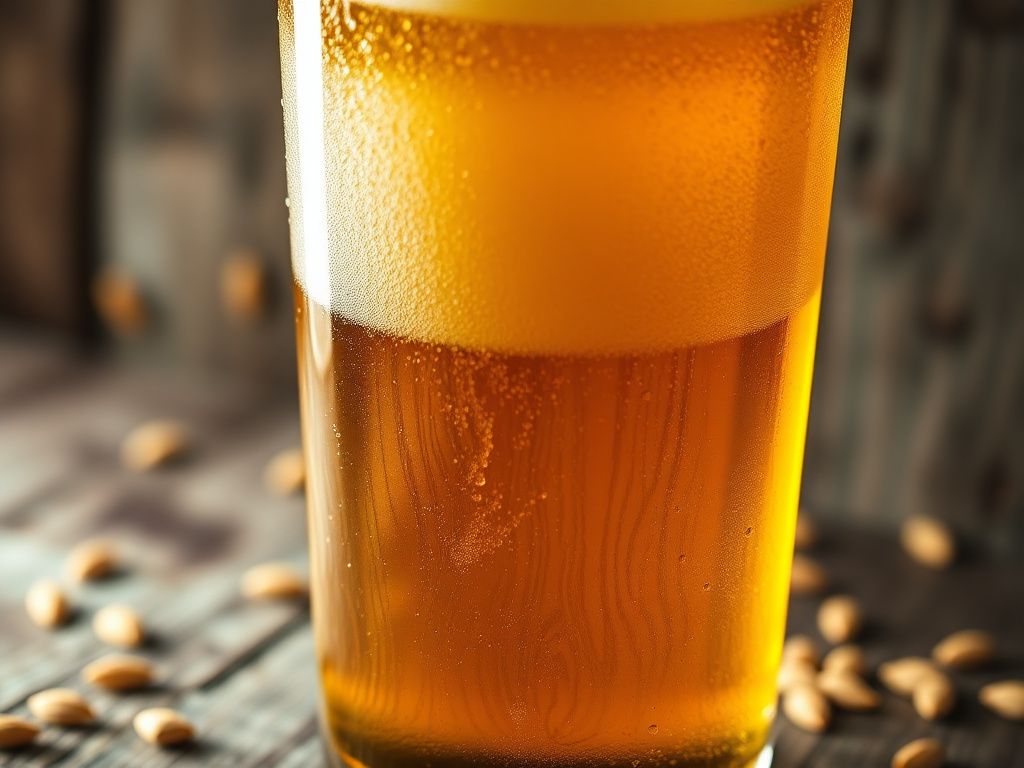
The West Coast Pilsner redefines the classic lager, fusing traditional crispness with aggressive, aromatic hop profiles typical of West Coast IPAs. This hybrid style demands precision in ingredient selection and process control, resulting in a profoundly clean, brilliantly clear, and powerfully hop-driven beer that remains refreshing and highly quaffable.
Technical Parameters: West Coast Pilsner
| Parameter | Target Range | Rationale/Impact | Common Ingredients/Method | Notes/Variations |
|---|---|---|---|---|
| Original Gravity (OG) | 1.048 – 1.056 | Provides fermentable sugars for moderate alcohol content and a lean body typical of lagers. | Pilsner Malt (85-95%), touch of Vienna/Carafoam. | Higher OG for stronger hop impact, lower for sessionability. |
| Final Gravity (FG) | 1.008 – 1.012 | Achieves a dry finish, crucial for lager crispness and promoting hop expression. | Highly attenuative lager yeast, extended primary fermentation, diacetyl rest. | Residual sweetness negatively impacts perceived bitterness and clarity. |
| Alcohol by Volume (ABV) | 5.0% – 6.5% | Moderate alcohol content supports significant hop additions without becoming too heavy. | Derived directly from OG/FG. | Higher ABV can mask some hop subtleties, lower ABV emphasizes crispness. |
| Bitterness (IBU) | 35 – 55 | Assertive, clean bitterness to balance malt sweetness and provide structural backbone for hop aroma. | Early boil additions of high-alpha acid hops (Magnum, CTZ). | Ratio of IBU to gravity points (BU:GU) typically 0.8-1.0. |
| Color (SRM) | 2 – 4 | Brilliantly pale to straw yellow, emphasizing visual clarity and light body. | 100% Pilsner Malt, minimal specialty malts, careful boil control to prevent darkening. | Oxidation avoidance critical for maintaining pale color during lagering. |
| Water Profile | Low Residual Alkalinity, balanced Sulfate:Chloride (1.5:1 to 2:1) | Enhances hop bitterness and crisp finish; prevents harshness. | RO water base, Gypsum for sulfates, Calcium Chloride for mouthfeel balance, minimal Bicarbonate. | Target Ca 50-80 ppm, Mg 5-15 ppm, SO4 70-120 ppm, Cl 40-70 ppm. |
| Hop Schedule | Multi-stage: Bittering, Flavor, Whirlpool/Hop Stand, Dry Hop. | Maximizes hop utilization across all phases, from clean bitterness to intense aroma/flavor. | Bittering (60 min): Magnum/Warrior. Flavor (15-0 min): Centennial/Citra/Simcoe. Whirlpool (170-185°F): Mosaic/Nelson Sauvin. Dry Hop (mid/late lagering): Citra/Mosaic/Strata/Riwaka. | Hop varietals should evoke citrus, pine, tropical fruit, or stone fruit; avoid overly dank/resinous. |
| Yeast Strain | Clean, highly attenuative lager strains (e.g., Wyeast 2007, White Labs WLP830). | Ferments cleanly, producing minimal esters or phenols to allow hop character to dominate. High flocculation desirable. | Pitch large, healthy starter. Ferment at 50-55°F (10-13°C). | Avoid strains that produce sulfur compounds or diacetyl without proper diacetyl rest. |
| Fermentation & Lagering | Primary: 10-14 days @ 50-55°F. Diacetyl Rest: 2-3 days @ 60-65°F. Cold Crash: 2-3 days @ 35°F. Lagering: 4-8 weeks @ 32-38°F. | Ensures complete attenuation, diacetyl cleanup, and maturation for exceptional clarity and smoothness. | Precise temperature control. Gradual chilling. | Extended lagering is critical for traditional lager smoothness and hop integration. |
Hop Utilization Calculation Example
Calculating International Bitterness Units (IBUs) for a specific hop addition helps predict the perceived bitterness of your West Coast Pilsner. This example demonstrates a simplified tinseth calculation for a single bittering addition.
Given Parameters:
- Hop Variety: Magnum
- Alpha Acid (AA%): 14.0%
- Weight of Hops: 1.5 oz (approx. 42.5 grams)
- Boil Time: 60 minutes
- Wort Volume (Post-Boil): 5.5 gallons (approx. 20.8 Liters)
- Original Gravity (OG): 1.052
Formula:
IBU = (Hop Weight (oz) * Alpha Acid % * Utilization % * 74.89) / Wort Volume (gallons)
Note: Utilization % is complex, depending on boil time, wort gravity, and boil vigor. For this example, let’s assume a utilization of 25% for 60 minutes in wort of OG ~1.050.
Calculation Steps:
- Convert Alpha Acid % to decimal: 14.0% = 0.14
- Apply the formula:
IBU = (1.5 oz * 0.14 * 0.25 * 74.89) / 5.5 gallons
IBU = (0.0525 * 74.89) / 5.5
IBU = 3.931725 / 5.5
IBU ≈ 7.15
Result:
This single 1.5 oz Magnum addition for 60 minutes would contribute approximately 7.15 IBUs to your 5.5-gallon batch. Remember, a typical West Coast Pilsner targets 35-55 IBUs, requiring additional hop charges, particularly later in the boil or in the whirlpool, and dry hopping for aroma without significant additional bitterness.
Deep Dive: West Coast Pilsners – The Hop-Forward Lager Renaissance
Introduction: A Paradigm Shift in Lager Brewing
The West Coast Pilsner represents a deliberate evolution in lager brewing, merging the venerable tradition of crisp, clean lagers with the audacious, aromatic hop philosophy endemic to the American West Coast IPA movement. This isn’t merely a hopped-up Pilsner; it’s a meticulously engineered style demanding precision at every stage to achieve its signature balance: brilliant clarity, extreme drinkability, and a powerful, modern hop expression that remains devoid of the harshness sometimes associated with excessively bitter ales. The genesis of this style lies in brewers’ desire to bridge the gap between hop-forward craft beer enthusiasts and the inherent refreshing quality of a well-executed lager. It demands respect for classical lager techniques while embracing contemporary hop varieties and application methods, creating a beer that is simultaneously familiar and groundbreaking.
Malt Bill: The Canvas for Hop Artistry
The foundation of any exceptional West Coast Pilsner is a pristine, minimalist malt bill. The goal is to create a neutral, dry, and pale canvas that allows the hops to sing, rather than compete. Pilsner malt, typically German or Bohemian in origin, forms the vast majority, often 85-95%. Its inherently light flavor, high diastatic power, and excellent extract efficiency are paramount. The delicate biscuit and honey notes of quality Pilsner malt provide just enough backbone without introducing sweetness or distracting flavors. Some brewers may incorporate a small percentage (3-5%) of Vienna or Light Munich malt to lend a touch of complexity and very subtle bready character, slightly enhancing mouthfeel and head retention without impacting color significantly. Another common addition is a minor amount of rice hulls or oat flakes (typically 1-2%) to aid in lautering, especially with a high proportion of unconverted adjuncts, and to contribute to a silky mouthfeel without adding sweetness. Specialty malts such as crystal or caramel malts are rigorously avoided; their residual sweetness and darker fruit/caramel notes would clash directly with the desired crisp, dry, and hop-centric profile. Similarly, heavily roasted malts are entirely out of place. The pursuit of extreme paleness (SRM 2-4) is non-negotiable, requiring careful attention to boil vigor and oxygen ingress throughout the process to prevent unwanted color pickup.
Hops: The Soul of the West Coast Pilsner
This is where the West Coast Pilsner truly differentiates itself. The hop regimen is aggressive and multi-layered, employing modern American and New World hop varieties renowned for their intense aroma and flavor profiles. Traditional noble hops, while classic for European Pilsners, are typically absent or used only sparingly for bittering. Instead, brewers reach for hops delivering vibrant notes of citrus (grapefruit, orange, lemon), tropical fruit (passionfruit, mango, pineapple), pine, and sometimes stone fruit. Common choices include Citra, Mosaic, Simcoe, Centennial, Amarillo, Nelson Sauvin, Strata, Riwaka, and Motueka. The hop additions are strategically phased:
- Bittering Hops (60+ minutes): High alpha acid hops like Magnum, Warrior, or Columbus (CTZ) are preferred for their clean, efficient bitterness, minimizing vegetal or grassy notes. The aim is to establish a firm, assertive bitterness (35-55 IBU) that balances the malt profile without being harsh. The optimal hop additions are critical for this balance.
- Flavor Hops (15-0 minutes): Significant additions of aromatic hops are made late in the boil. This extracts flavor compounds while minimizing bitterness, contributing to the beer’s hop character without overwhelming the palate.
- Whirlpool/Hop Stand Hops (0 minutes, post-boil): This is a critical stage for maximizing aroma and flavor extraction without further isomerization of alpha acids into bittering compounds. Hops are added after heat is removed, typically as the wort cools in the whirlpool at temperatures between 170-185°F (77-85°C) for 15-30 minutes. The lower temperature preserves volatile hop oils responsible for delicate aromatics. Large quantities of hops are often employed here.
- Dry Hops (Fermentation/Lagering): Dry hopping is absolutely essential for achieving the pungent, fresh hop aroma characteristic of the style. This can occur during active fermentation (biotransformation), or more commonly, during the initial stages of lagering or even post-lagering in the brite tank. Multiple dry hop charges are not uncommon, especially to mitigate hop creep. The judicious selection and quantity of dry hops directly influence the final aromatic intensity, creating an unmistakable West Coast signature. Hop chemistry, specifically the interaction of alpha acids, beta acids, and essential oils, dictates the precise timing and temperature of these additions to achieve desired outcomes. For deeper understanding, refer to resources on hop chemistry and utilization from the Brewers Association.
Yeast: The Silent Workhorse
The choice of yeast is paramount for a clean, crisp lager. Highly attenuative, neutral lager strains are non-negotiable. German Lager strains (e.g., Wyeast 2007 Pilsen Lager, White Labs WLP830 German Lager) are excellent choices due to their ability to ferment cleanly at lower temperatures, producing minimal esters or phenols. This neutrality is vital; any yeast-derived flavors would obscure the delicate balance between malt and hops. Yeast pitching rates are crucial: a higher cell count (typically 1.5-2.0 million cells/mL/°P) is recommended for lagers to ensure a healthy, rapid fermentation without off-flavor production. Proper aeration of the wort before pitching is also essential for healthy yeast propagation and fermentation performance. Flocculation characteristics are also considered; a yeast that drops clear rapidly aids in achieving the desired brilliant clarity of the final product.
Water Chemistry: The Invisible Hand
Water chemistry plays a significant, yet often underestimated, role in shaping the West Coast Pilsner. A “soft” water profile, low in residual alkalinity, is generally preferred. This allows for a lower mash pH, typically 5.2-5.4, which is crucial for optimal enzymatic activity, efficient hop extraction, and a clean, crisp finish. High residual alkalinity can lead to a harsh bitterness and a duller overall profile. Calcium (50-80 ppm) is beneficial for enzyme function, yeast health, and protein coagulation. Sulfate (70-120 ppm) accentuates hop bitterness and dryness, enhancing the “crisp” character, while chloride (40-70 ppm) can contribute to a smoother mouthfeel. A sulfate-to-chloride ratio between 1.5:1 and 2:1 is often targeted to enhance hop expression without making the beer overly thin or minerally. Brewers often start with reverse osmosis (RO) or distilled water and build their profile using mineral salts like gypsum (calcium sulfate) and calcium chloride, carefully avoiding excessive additions of sodium or magnesium that could lead to undesirable flavors. For comprehensive guidance, consult expert resources on water chemistry for brewing from the Homebrewers Association.
Brewing Process: Precision and Patience
The brewing process for a West Coast Pilsner demands meticulous attention to detail, characteristic of traditional lager brewing, combined with modern hop application techniques. Precision at every stage is non-negotiable.
Mashing: Efficiency and Fermentability
Most West Coast Pilsners utilize a single infusion mash at a temperature optimized for fermentability, typically around 148-152°F (64-67°C) for 60-90 minutes. This temperature range favors beta-amylase activity, producing a highly fermentable wort that contributes to the dry finish. For more traditionalists or those seeking enhanced mouthfeel without sweetness, a step mash or decoction mash can be employed. A protein rest (122-131°F / 50-55°C) for 15-20 minutes can improve head retention and clarity, especially with undermodified Pilsner malts, though many modern Pilsner malts are well-modified and may not require it. Maintaining mash pH between 5.2-5.4 is critical for enzymatic efficiency and prevention of astringency. Vorlaufing to set the grain bed for clear runnings is essential before lautering.
Boiling: Clean Bitterness and DMS Control
A vigorous 60-90 minute boil is critical. This serves multiple purposes: sterilizing the wort, isomerizing alpha acids for bitterness, coagulating proteins (hot break), and, crucially for lagers, driving off volatile sulfur compounds, particularly S-methylmethionine (SMM) which can convert to dimethyl sulfide (DMS). DMS manifests as a cooked corn or vegetable aroma/flavor, highly undesirable in a clean lager. A strong, rolling boil ensures efficient DMS precursor removal. Hop additions are made at prescribed times during the boil as per the hop schedule.
Whirlpool & Chill: Aroma Retention and Clarification
After the boil, the wort is transferred to a whirlpool or allowed to settle. This process separates trub (hop particulate and coagulated proteins) from the clear wort. As mentioned, the whirlpool stage is paramount for late hop additions, allowing for extraction of volatile aromatics at sub-boiling temperatures (typically 170-185°F / 77-85°C). The duration of the hop stand (15-30 minutes) can be varied based on desired aroma intensity. Following the whirlpool, rapid chilling of the wort to pitching temperature (typically 50-55°F / 10-13°C) is essential. This minimizes the risk of infection, promotes cold break formation for clarity, and reduces the time wort spends at temperatures conducive to DMS formation, ensuring optimal fermentation profiles.
Fermentation: Controlled and Clean
Lager fermentation requires precise temperature control. After pitching a generously sized, healthy yeast starter, the primary fermentation is typically conducted at cooler temperatures (50-55°F / 10-13°C) for 10-14 days. This slow, cool fermentation minimizes ester and fusel alcohol production, contributing to the clean lager profile. Gravity readings are taken regularly to monitor attenuation. Once fermentation is nearing completion (within a few gravity points of target FG), a diacetyl rest is crucial. The temperature is raised to 60-65°F (16-18°C) for 2-3 days. This encourages the yeast to reabsorb and metabolize diacetyl (which imparts a buttery/butterscotch flavor) and its precursor, acetolactate. The success of the diacetyl rest is confirmed through sensory evaluation (force diacetyl test is often used in professional settings). Following the diacetyl rest, a cold crash to 35°F (2°C) for 2-3 days helps drop yeast and other particulates out of suspension, beginning the clarification process.
Lagering: Maturation and Polish
The hallmark of any lager, and particularly critical for a West Coast Pilsner, is the lagering phase. After cold crashing, the beer is transferred to a secondary fermenter or conditioning tank for a prolonged period at near-freezing temperatures (32-38°F / 0-3°C). This can last anywhere from 4 to 8 weeks, or even longer for some iterations. During lagering, remaining yeast settles, proteins precipitate, and subtle flavor compounds mature and mellow, resulting in a supremely smooth, polished, and brilliantly clear beer. Any harshness from hops or fermentation byproducts dissipates, and the flavors integrate seamlessly. Dry hopping, if employed post-fermentation, is often introduced during the early stages of lagering.
Filtration & Carbonation: The Finishing Touches
For the desired “brilliant” clarity, West Coast Pilsners often undergo filtration. This can range from coarse filtration to pad or even membrane filtration, carefully removing remaining yeast and haze-forming particulates. However, some brewers opt for extended lagering and fining agents (e.g., biofine clear, isinglass) to achieve clarity without filtration, which can sometimes strip desirable hop aromas. Carbonation targets are typically moderate to high, often 2.5-2.8 volumes of CO2, contributing to the beer’s refreshing crispness and enhancing aroma release upon serving. Refer to BJCP Style Guidelines for Pilsner for a foundational understanding of classic lager characteristics.
Sensory Profile: A Symphony of Contrast
A well-executed West Coast Pilsner presents a visually stunning, brilliantly clear, pale straw to light gold liquid with a persistent, creamy white head. The aroma is dominated by aggressive, fresh hop character: vibrant citrus, tropical fruit, pine, and sometimes a hint of dankness, all supported by a subtle, clean malt background. There should be no discernable ester or phenol character from the yeast, just pure hop expression. The flavor follows the aroma, with a firm, clean bitterness upfront that quickly gives way to complex hop notes. The finish is decisively dry, exceptionally crisp, and clean, inviting another sip. Mouthfeel is light-bodied, often with a slight carbonic bite, but remarkably smooth and refreshing due to extended lagering. The absence of astringency, harshness, or residual sweetness is paramount. It drinks like a lager but smells like a modern IPA – a truly unique and engaging sensory experience.
Troubleshooting Common Issues
Brewing a West Coast Pilsner, like any lager, presents specific challenges. Common issues include:
- DMS: Cooked corn aroma/flavor. Remedy: Vigorous boil (90 mins), rapid chilling, open fermentation during early stages (if practical), attention to malt freshness.
- Diacetyl: Buttery/butterscotch off-flavor. Remedy: Adequate diacetyl rest, sufficient healthy yeast pitch, proper aeration.
- Haze: Lack of brilliant clarity. Remedy: Extended lagering, cold crashing, use of fining agents, filtration, avoiding excessive protein rests, proper hot/cold break formation.
- Harsh Bitterness: Remedy: Water chemistry adjustment (lowering sulfate, increasing chloride, managing mash pH), using clean bittering hops, avoiding excessive high-alpha additions late in the boil.
- Lack of Hop Aroma: Remedy: Increased dry hop rates, multiple dry hop additions, use of more potent aromatic hop varieties, optimizing whirlpool temperature and duration.
- Hop Creep: Refermentation due to enzymes in dry hops, leading to over-attenuation, increased alcohol, and diacetyl. Remedy: Dry hop after fermentation is complete and yeast is crashed, use inert gases for purging, pasteurization, or short, cold dry hop contacts.
Conclusion: A Style Forged by Innovation and Tradition
The West Coast Pilsner is more than just a trend; it’s a testament to the dynamic evolution of craft brewing. It successfully marries the technical discipline required for traditional lager production with the bold, experimental spirit of American hop-forward ales. This demanding style requires an understanding of intricate processes, precise ingredient selection, and patience. When executed flawlessly, the result is a supremely drinkable, aromatically captivating beer that stands as a true renaissance for the lager category, proving that tradition and innovation can, and should, coexist.