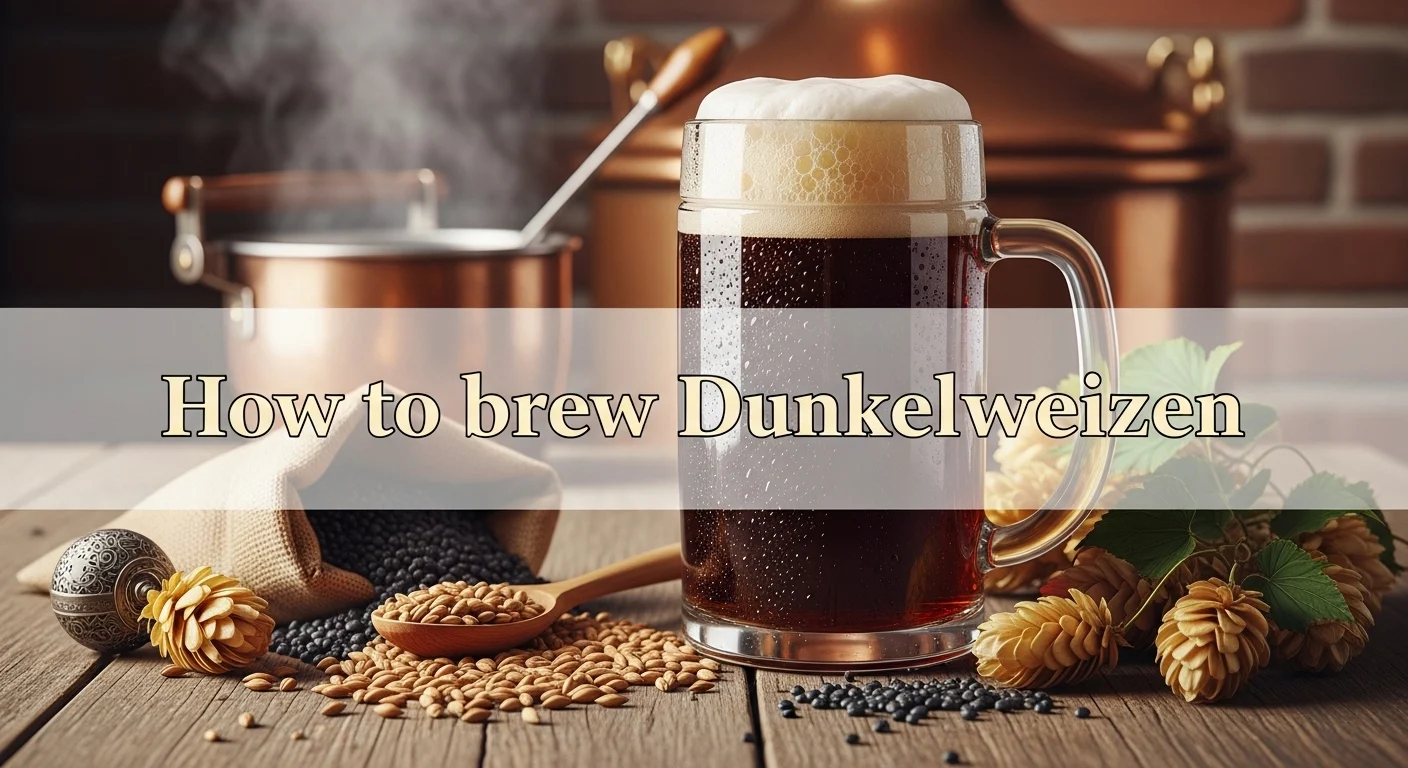
Master how to brew Dunkelweizen with traditional German techniques, proper wheat malt ratios, yeast management, and authentic recipes for dark wheat beer perfection.

How to brew Dunkelweizen represents one of the most rewarding challenges in German brewing, combining the classic banana and clove character of traditional wheat beers with rich, toasted malt complexity that creates an elegant dark ale perfect for cooler weather enjoyment. After brewing numerous Dunkelweizen variations over the past eight years and studying traditional Bavarian brewing methods, I can confidently state that mastering this style requires understanding the delicate balance between wheat protein management, Munich malt character development, and proper German wheat beer yeast fermentation that creates the signature smooth mouthfeel and complex flavor profile defining authentic German dark wheat beer.
My Dunkelweizen brewing journey began with attempts that either lacked the characteristic wheat beer phenolics or overwhelmed the delicate balance with excessive dark malt character. The transformation occurred when I discovered that proper mash temperature control and traditional German wheat yeast strains create the essential ester and phenol development while carefully selected Munich and crystal malts provide the rich color and toasted bread flavors without overpowering the wheat foundation.
This comprehensive guide on how to brew Dunkelweizen explores every aspect of traditional German brewing including wheat malt utilization, dark malt integration, step mashing techniques, and fermentation management that produces the characteristic haze, complex malt flavors, and signature yeast character that defines exceptional German dark wheat beer. From understanding wheat protein contributions to mastering traditional Bavarian yeast strains, this guide provides complete knowledge for creating outstanding Dunkelweizen that honors German brewing heritage.
Whether you’re expanding your wheat beer repertoire or exploring traditional German styles, learning how to brew Dunkelweizen provides essential skills while creating one of Germany’s most complex and satisfying beer styles that showcases both wheat brewing technique and traditional malt craftsmanship.
Understanding Traditional Dunkelweizen Characteristics
Authentic Dunkelweizen displays deep amber to dark brown coloration with characteristic wheat beer haze ranging from 1.044-1.056 original gravity while achieving 4.3-5.6% alcohol content through traditional wheat malt proportions balanced by Munich malt complexity and signature German wheat yeast character.
Color Development and Appearance
Traditional Dunkelweizen exhibits amber to dark brown hues ranging from 14-23 SRM with the characteristic wheat beer cloudiness and persistent creamy off-white head that reflects proper wheat protein content and traditional German brewing techniques.
Wheat Malt Foundation
Wheat malt comprises 50-60% of grain bill providing essential protein content, smooth mouthfeel, and characteristic haze while contributing to head retention and the distinctive texture that separates wheat beers from all-barley styles.
Munich Malt Character Integration
Munich malt provides essential toasted bread and biscuity flavors comprising 20-30% of grain bill while contributing rich color and malty complexity that defines the “dunkel” character without overwhelming the wheat foundation.
German Yeast Signature
Traditional German wheat beer yeast produces distinctive banana and clove character through specific ester and phenol development while creating the signature aromatics that define authentic Bavarian wheat beer styles across all color variations.
Balanced Hop Restraint
Minimal hop character allows malt and yeast complexity to dominate with 10-18 IBU from noble German varieties while providing gentle bitterness that supports rather than competes with wheat and malt flavors.
For comprehensive Dunkelweizen brewing techniques and traditional German wheat beer methods, explore the authentic German brewing resources at BrewMyBeer’s wheat beer brewing section, where traditional Bavarian brewing wisdom meets modern homebrewing precision.
Essential Dunkelweizen Ingredients
Authentic Dunkelweizen requires specific ingredient combinations including quality wheat malt, Munich malt, specialty grain additions, German hops, and traditional wheat beer yeast strains that create the distinctive character impossible to replicate with substitute ingredients.
Wheat Malt Selection
White wheat malt provides clean wheat character comprising 50-60% of grain bill while red wheat offers slightly more complex flavors, with both varieties contributing essential proteins and smooth mouthfeel that defines wheat beer character.
Munich Malt Integration
Munich malt creates the essential “dunkel” character providing toasted bread flavors and rich amber color while comprising 20-30% of grain bill through specialized kilning that develops Maillard reaction compounds.
Crystal Malt Enhancement
CaraMunich or similar crystal malts add complexity in 5-10% proportions while providing caramel sweetness and color enhancement that complements Munich malt without creating excessive sweetness or cloying character.
Color Adjustment Grains
Small amounts of Carafa Special or chocolate wheat provide color adjustment without harsh flavors while maintaining smooth character essential for traditional Dunkelweizen profile and appearance.
German Noble Hops
Traditional noble varieties including Hallertau, Tettnanger, and Perle provide gentle bitterness and subtle continental character while maintaining clean hop profile that supports wheat and malt complexity.
Authentic Wheat Beer Yeast
German wheat beer yeast strains including Wyeast 3068 and White Labs WLP300 produce characteristic phenols and esters while maintaining proper attenuation and traditional Bavarian wheat beer character.
| Ingredient Component | Percentage Range | Character Contribution | Quality Requirements | Authenticity Importance |
|---|---|---|---|---|
| Wheat Malt | 50-60% | Haze, mouthfeel | High protein content | Critical |
| Munich Malt | 20-30% | Toasted bread flavor | Proper kilning | Essential |
| Crystal Malts | 5-10% | Caramel complexity | Balanced sweetness | Important |
| Color Malts | 1-3% | Color adjustment | Smooth character | Beneficial |
| German Hops | 10-18 IBU | Gentle bitterness | Noble varieties | Traditional |
Complete Dunkelweizen Recipe Formulation
This comprehensive Dunkelweizen recipe produces 5 gallons of authentic German dark wheat beer with proper wheat character, Munich malt complexity, and traditional yeast profile through carefully selected ingredients and proven brewing techniques.
All-Grain Recipe Specifications
Target parameters include 1.050 original gravity, 1.012 final gravity, 15 IBU, 18 SRM, and 5.0% ABV while creating authentic Dunkelweizen character through proper ingredient ratios and traditional German brewing methods.
Traditional Grain Bill Composition
Premium grain bill includes 6.6 lbs wheat malt, 3.3 lbs Munich malt, 8.8 oz CaraMunich malt, and 2.6 oz Carafa Special II while providing proper wheat foundation, toasted character, and color development essential for style authenticity.
German Hop Schedule Design
Single hop addition includes 0.74 oz Hallertau at 60 minutes providing balanced bitterness without competing with wheat and malt complexity through traditional German hop utilization.
Yeast Selection Options
Recommended wheat beer yeast strains include Wyeast 3068 Weihenstephan Weizen or White Labs WLP300 Hefeweizen Ale while ensuring proper fermentation character and appropriate ester/phenol development.
Extract Version Adaptation
Extract brewers substitute 4.4 lbs wheat liquid malt extract and 2.2 lbs Munich liquid malt extract with CaraMunich and Carafa steeping grains while maintaining traditional character through proper extract selection.
Traditional Mashing Techniques
Dunkelweizen mashing employs specific techniques that optimize wheat protein extraction and enzyme activity while managing the challenges of high wheat content grain bills through traditional German methods.
Single Infusion Mash Protocol
Modern single infusion mashing at 152-156°F works excellently with lower temperatures for higher gravity beers and higher temperatures for lower gravity versions while maintaining appropriate body and mouthfeel characteristics.
Rice Hull Integration
Add rice hulls to prevent stuck sparging while providing filtration bed structure that accommodates high wheat content without compromising lautering efficiency or creating excessive grain bed compaction.
Water-to-Grain Ratio
Use 1.5 quarts water per pound grain while maintaining proper enzyme activity and mash consistency that supports complete starch conversion and optimal extract efficiency from wheat-heavy grain bills.
Mash Duration Management
Extend mash time to 90 minutes if necessary while ensuring complete conversion and proper protein breakdown that creates smooth wheat beer character without excessive thickness or processing difficulties.
Traditional Decoction Alternative
Historical decoction mashing enhances Maillard reactions while modern Munich malts provide adequate character through single infusion methods that simplify brewing without compromising authentic German character.
Step Mashing for Enhanced Character
Step mashing protocols optimize wheat beer production through systematic temperature progression that enhances protein breakdown, enzyme activity, and overall beer quality while accommodating wheat malt processing requirements.
Protein Rest Implementation
Begin with protein rest at 122°F for 15-20 minutes while breaking down wheat proteins that improve head retention and beer stability without compromising body or mouthfeel essential for wheat beer character.
Beta Amylase Activation
Raise temperature to 148°F for 20 minutes while promoting beta amylase activity that creates fermentable sugars and appropriate attenuation without excessive residual sweetness.
Alpha Amylase Conversion
Continue to 158°F for 30 minutes while completing starch conversion and developing proper body that balances fermentability with mouthfeel requirements for traditional Dunkelweizen character.
Mash-Out Temperature
Final temperature rise to 170°F stops enzymatic activity while improving lautering efficiency and ensuring complete conversion through systematic temperature control and proper enzyme management.
Temperature Transition Management
Gradual temperature increases prevent enzyme denaturation while maintaining optimal conditions for each enzymatic phase that maximizes extract efficiency and beer quality.
Fermentation Management and Yeast Handling
Proper Dunkelweizen fermentation creates signature character through controlled temperature management and traditional German wheat yeast strains while developing appropriate ester and phenol balance that defines authentic Bavarian wheat beer.
Fermentation Temperature Control
Begin fermentation at 62-65°F gradually rising to 68-70°F while promoting controlled yeast activity that develops signature banana and clove character without excessive ester production or off-flavors.
Yeast Pitching Requirements
Pitch adequate yeast cell count for wheat beer fermentation using 10 grams dry yeast, two liquid packages, or one liquid package with 2-liter starter while ensuring healthy fermentation and complete attenuation.
Temperature Rise Protocol
Allow natural temperature rise during fermentation while encouraging ester development and complete attenuation through systematic temperature management that optimizes yeast performance and character development.
Fermentation Duration
Primary fermentation typically lasts 10-14 days while monitoring specific gravity changes and ensuring complete yeast activity before proceeding to conditioning or packaging phases.
Diacetyl Management
Traditional ale fermentation profile with final temperature push ensures diacetyl cleanup while maintaining clean character essential for wheat beer quality and traditional German profile.
Carbonation and Conditioning
Proper Dunkelweizen conditioning develops smooth character while appropriate carbonation levels enhance mouthfeel and aroma release that showcases traditional German wheat beer presentation and drinking experience.
High Carbonation Requirements
Target 3.0-4.0 volumes CO2 for authentic character while creating the effervescent mouthfeel and enhanced aroma release that characterizes traditional German wheat beers and improves overall drinking experience.
Bottle Conditioning Benefits
Traditional bottle conditioning develops natural carbonation while allowing continued yeast activity that may enhance flavor development and maintains traditional German wheat beer presentation methods.
Yeast Suspension Maintenance
Avoid filtering or excessive fining while maintaining characteristic wheat beer haze and yeast suspension that contributes to mouthfeel and traditional appearance essential for style authenticity.
Conditioning Timeline
Allow 2-3 weeks conditioning after packaging while promoting flavor integration and carbonation development that improves overall quality and drinking experience.
Serving Temperature Optimization
Serve at 45-50°F for optimal character expression while showcasing yeast aromatics and malt complexity without overwhelming alcohol presence or reducing refreshing qualities.
Advanced Brewing Techniques
Traditional Dunkelweizen techniques enhance authenticity while specialized methods including open fermentation and traditional German practices develop superior character that separates exceptional examples from basic interpretations.
Open Fermentation Traditions
Traditional open fermentation develops enhanced character while allowing natural yeast selection and improved ester development through traditional Bavarian methods that create distinctive wheat beer character.
Wheat Malt Preparation
Proper wheat malt preparation prevents processing issues while ensuring adequate enzyme activity and extract efficiency through systematic grain handling and preparation techniques.
Water Chemistry Considerations
Soft to moderately hard water enhances wheat character while avoiding excessive minerals that might interfere with protein coagulation or create harsh flavors inappropriate for wheat beer styles.
Traditional Serving Methods
Proper German pouring technique maximizes presentation while creating characteristic foam development and yeast suspension that honors traditional Bavarian wheat beer service methods.
Seasonal Brewing Considerations
Cool weather brewing supports proper fermentation while maintaining temperature control that develops optimal yeast character and prevents excessive ester production or fermentation stress.
Troubleshooting Common Issues
Dunkelweizen brewing challenges require systematic solutions while addressing problems including poor wheat character, excessive sweetness, stuck fermentation, and inappropriate color development that affect authenticity.
Wheat Character Development
Insufficient wheat character indicates inadequate wheat malt proportion or improper yeast selection requiring increased wheat percentage and authentic German wheat yeast strains for proper phenol development.
Fermentation Problems
Stuck fermentation with high wheat content requires proper nutrition and adequate yeast cell count while ensuring proper oxygenation and temperature management that supports complete attenuation.
Color Balance Issues
Excessive dark character overwhelms wheat foundation requiring reduced specialty malt quantities while maintaining Munich malt character that provides appropriate “dunkel” quality without harshness.
Clarity vs Authenticity
Over-clarification removes authentic wheat beer character requiring balanced approach that maintains characteristic haze while achieving acceptable clarity for presentation and mouthfeel.
Carbonation Challenges
High carbonation requirements may cause over-carbonation requiring careful priming calculations and conditioning monitoring while achieving traditional effervescence without bottle bombs or harsh CO2.
Food Pairing and Serving Suggestions
Dunkelweizen’s complex character creates excellent food pairing opportunities while complementing diverse cuisines through versatile flavor profile and moderate alcohol content that enhances rather than competes with food.
Traditional German Cuisine
Classic pairings include roasted meats, game, and hearty sausages while the rich malt character and wheat smoothness complement traditional Bavarian dishes and seasonal German cuisine.
Seasonal Menu Integration
Fall and winter foods pair naturally with Dunkelweizen while roasted vegetables, braised meats, and warming spices create natural flavor bridges with complex malt character and yeast aromatics.
Dessert Compatibility
Chocolate and caramel desserts enhance malt character while the beer’s banana and clove notes provide complementary rather than competing dessert accompaniment through yeast-derived flavors.
Cheese Selection Guidelines
Semi-hard cheeses and aged varieties complement malt complexity while the beer’s carbonation and acidity balance rich cheese flavors without overwhelming delicate characteristics.
International Cuisine Applications
Spiced dishes and ethnic cuisines benefit from wheat beer smoothness while the complex flavor profile accommodates diverse spice levels and cooking methods through versatile character development.
Conclusion and Brewing Mastery
Learning how to brew Dunkelweizen requires understanding wheat beer fundamentals and German brewing traditions while systematic ingredient selection, proper technique execution, and careful fermentation management create exceptional examples that honor Bavarian brewing heritage.
Begin with quality wheat malt and authentic German yeast strains while building understanding of wheat protein management and fermentation techniques that create signature character essential for traditional German wheat beer.
Master temperature control and carbonation management while developing skills in high-carbonation beer handling and wheat beer presentation that showcase traditional German brewing methods and service.
Practice systematic recipe development and evaluation while building expertise in malt layering and yeast character development that applies to broader wheat beer brewing and German beer styles.
Remember that authentic Dunkelweizen balances complexity with drinkability while creating sophisticated beers that demonstrate wheat brewing mastery and traditional German craftsmanship through systematic approach and proven techniques.
The investment in proper wheat brewing technique provides lasting education while creating exceptional beers that showcase German brewing innovation and traditional Bavarian beer culture through authentic ingredient selection and methods.
Choose quality ingredients and traditional approaches while maintaining respect for German brewing heritage that created one of the world’s most complex and satisfying wheat beer styles.
About the Author
Miguel Cerveza brings over 15 years of international brewing experience to his exploration of traditional European beer styles. Born in Barcelona and trained in brewing programs across Germany, Belgium, and Austria, Miguel specializes in documenting authentic brewing techniques from their countries of origin. His extensive travels through Bavaria’s traditional wheat beer regions have provided him with deep insights into the cultural significance and technical mastery of Dunkelweizen brewing. Miguel has worked with over 30 traditional German breweries, learning time-tested techniques for wheat beer production and fermentation management.
His systematic approach to international beer styles helps brewers understand not only the technical aspects but also the cultural context that makes each style unique and meaningful. Miguel maintains detailed brewing logs documenting traditional European techniques and has successfully recreated dozens of classic German wheat beer recipes using both traditional and modern methods. When not researching traditional brewing methods or traveling to historic breweries, Miguel enjoys hosting cultural brewing workshops that demonstrate how traditional techniques can be adapted for modern homebrewing while preserving authenticity and craftsmanship. Contact Miguel at [email protected] or explore his comprehensive international brewing guides and German beer resources at brewmybeer.online.