Last updated:
Belgian waffles made with live yeast and beer are categorically different from quick-mix waffles, the overnight fermentation produces a complex, slightly sour, deeply flavored batter that creates a waffle with genuine depth and the characteristic light, crispy exterior with a chewy interior that makes Belgian waffles worth the effort. I’ve made both yeasted and quick-mix versions extensively and the yeasted beer version is the only one I serve at homebrew brunches because the quality difference is substantial.
Belgian waffles with yeast and beer: recipe and technique
Why yeast and beer improve waffles: Standard Belgian waffle recipes use baking powder as leavening, quick, reliable, but one-dimensional. Adding yeast (and ideally beer) creates a fermented batter that develops: (1) CO2 bubbles trapped in gluten networks, producing a lighter, more complex crumb structure; (2) organic acids from fermentation (lactic, acetic) that create a subtle tang similar to brioche or croissant dough; (3) fermentation esters and alcohols that add aromatic complexity, the waffle tastes fermented in a pleasing, bread-like way. Beer adds malt depth and additional yeast nutrients. Recipe (makes 8–10 waffles, start night before): Night before: 240ml warm milk (40°C) + 7g active dry yeast + 1 tsp sugar, let stand 10 minutes until foamy. In a large bowl: 300g plain flour + 2 tbsp sugar + 0.5 tsp salt. Add yeast mixture + 120ml wheat beer or Belgian blonde ale + 115g melted unsalted butter. Mix until smooth. Cover and refrigerate overnight (8–12 hours). Morning: whisk 2 large eggs and 1 tsp vanilla extract into the chilled batter. The batter will be bubbly and slightly puffed. Optionally fold in 1 egg white whipped to soft peaks for extra lightness. Cooking: Preheat waffle iron fully, this is critical. An insufficiently heated iron produces steam-logged, soft waffles. Grease lightly with butter or spray. Pour batter until about 80% of the iron surface is covered. Cook until the steam stops (about 3–4 minutes), the cessation of visible steam from the iron edges is the most reliable doneness indicator. Beer selection: Wheat beer (hefeweizen, witbier): the fruity esters and light body produce waffles with a subtle fruity-spice note. Most elegant. Belgian blonde or saison: dry, yeasty character gives the waffle a very authentic Belgian-style depth. Lager: neutral, the beer contribution is minimal but the yeast activity and fermentation still improve the texture over quick-mix. Toppings: Fresh strawberries and whipped cream. Maple syrup. Speculoos (Belgian cookie butter) for full Belgian authenticity.
Common Questions
Can I use homebrew yeast starter or beer yeast directly in waffle batter?
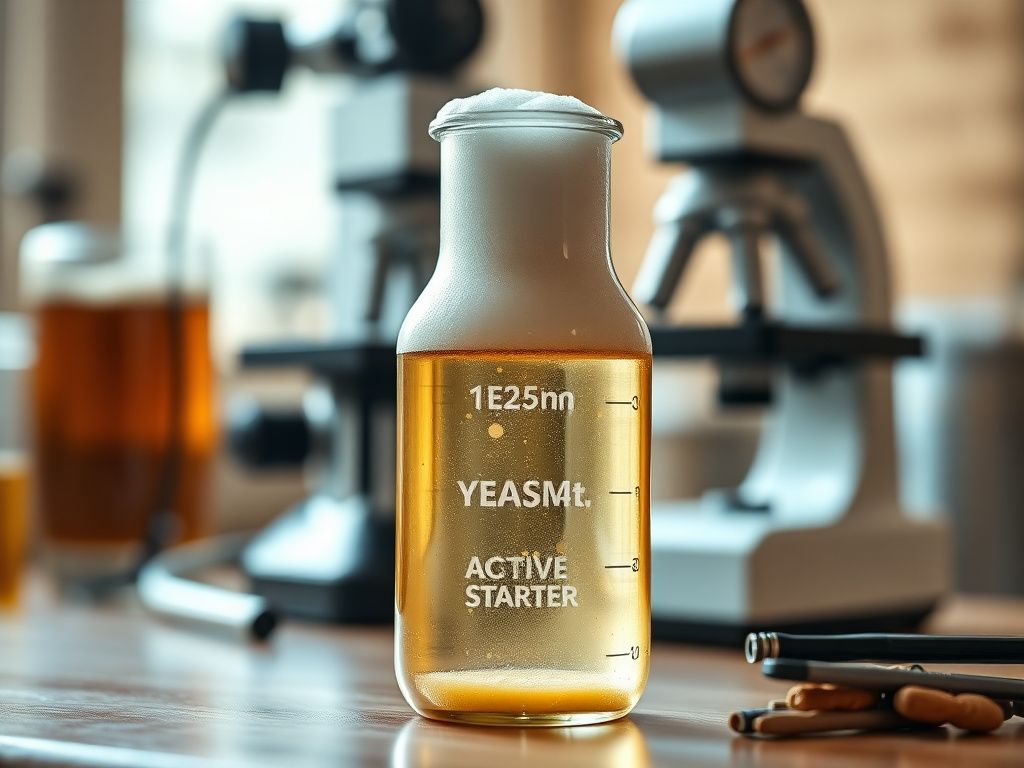
Using homebrew-related yeast in waffle batter is a fun experiment for homebrewers, and it does work, with some important differences from commercial baker’s yeast. Active homebrew yeast slurry (fresh from a recently finished fermentation, washed and resuspended): this is fully viable and very active yeast that ferments the batter quickly and effectively. Use approximately 50ml of well-mixed yeast slurry per batch in place of the dried yeast packet. The fermentation is fast, at room temperature, homebrew yeast slurry can produce a ready batter in 2–3 hours rather than overnight. The yeast strain matters: a Belgian wit yeast (e.g., WY3944 or WLP400) produces the fruitiest, most complex waffles; a German hefeweizen yeast (WY3068) adds banana-clove esters that are striking in a breakfast waffle; a neutral American ale yeast (US-05) produces clean fermentation without the Belgian complexity. Dried homebrew yeast (Fermentis BE-256, WB-06): works identically to commercial baker’s yeast in this application. Add the same quantity as baker’s yeast (7–8g per batch). Homebrew yeast strains ferment at fridge temperatures slower than at room temperature, if refrigerating overnight, allow sufficient time (10+ hours) for the slower fermentation. One caution: very highly attenuating yeast strains produce a very dry batter after overnight fermentation, the batter may smell almost alcoholic and be extremely bubbly. This is normal and produces excellent waffles; the alcohol mostly cooks off. A very small addition of residual sugar (1 tsp honey before cooking) can compensate for an over-fermented batter that tastes dry.