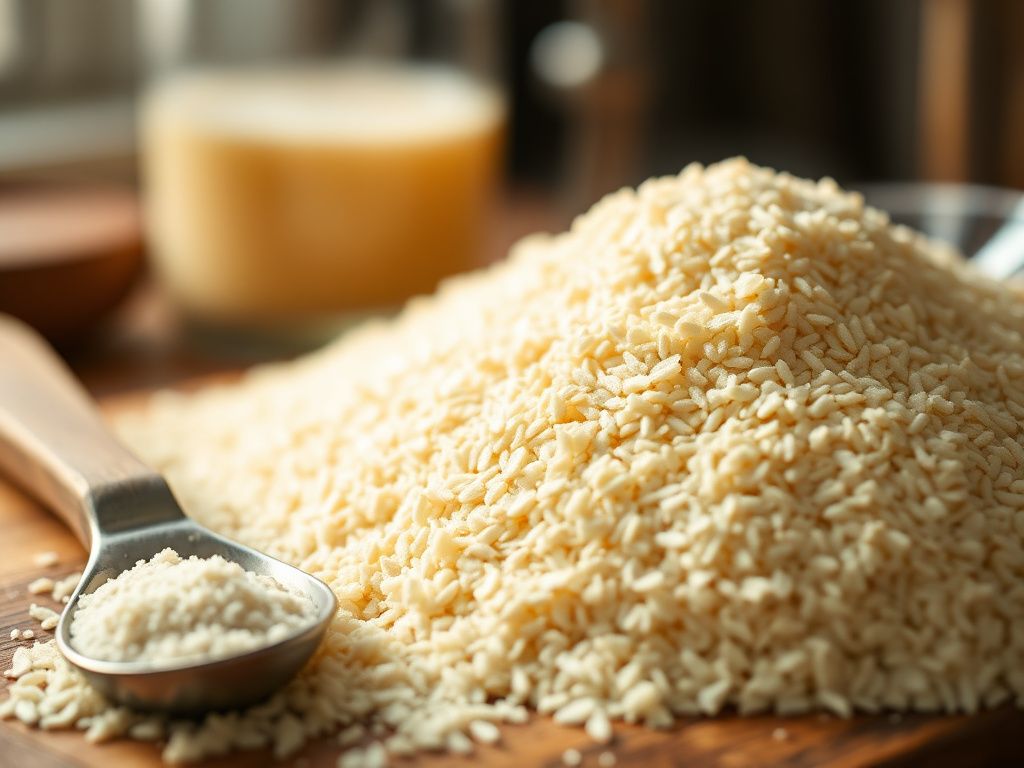
I’ve found that pilsner malt is one of the most versatile and widely used malts in beer brewing, and for good reason. With its rich, malty flavor and high diastatic power, pilsner malt is the perfect base for a wide range of beer styles. In my experience, pilsner malt is a staple in many breweries, and its unique characteristics make it an ideal choice for brewers looking to create crisp, refreshing beers with a rich, malty flavor. From traditional Czech pilsners to modern IPAs, pilsner malt is the foundation upon which many great beers are built. In this article, we’ll take a closer look at the characteristics of pilsner malt, its uses in beer brewing, and some tips and techniques for getting the most out of this strong ingredient.
As a homebrewer, I’ve had the opportunity to work with pilsner malt in a variety of different brews, and I’ve been consistently impressed by its performance. Whether I’m brewing a traditional pilsner or a more modern beer style, pilsner malt always seems to bring a level of depth and complexity to the finished beer that’s hard to match with other malts. And with its high diastatic power, pilsner malt is also an excellent choice for brewers looking to create beers with a high level of fermentability. In the following sections, we’ll delve deeper into the characteristics of pilsner malt, its uses in beer brewing, and some tips and techniques for getting the most out of this strong ingredient.
Pilsner Malt Profile: Flavor, Aroma, and Diastatic Power
Pilsner malt is known for its rich, malty flavor and aroma, which is characterized by notes of bread, toast, and honey. The flavor is often described as sweet and malty, with a hint of graininess that adds depth and complexity to the finished beer. In terms of diastatic power, pilsner malt is one of the most potent malts available, with a diastatic power of around 140-160 °L. This means that pilsner malt is capable of converting a high percentage of starches into fermentable swords, making it an excellent choice for brewers looking to create beers with a high level of fermentability. The characteristics of pilsner malt are summarized in the following table:
| Characteristic | Value |
|---|---|
| Flavor | Rich, malty, sweet, with notes of bread, toast, and honey |
| Aroma | Malty, sweet, with a hint of graininess |
| Diastatic Power | 140-160 °L |
| Color | 1.8-2.2 °L |
| Protein | 10-12% |
As you can see from the table, pilsner malt has a rich, malty flavor and aroma, with a high diastatic power that makes it an excellent choice for brewers looking to create beers with a high level of fermentability. The color of pilsner malt is typically quite light, ranging from 1.8-2.2 °L, which makes it an excellent choice for brewers looking to create light-colored beers. The protein content of pilsner malt is around 10-12%, which is relatively high compared to other malts. This high protein content can help to improve the body and mouthfeel of the finished beer, making it an excellent choice for brewers looking to create beers with a rich, full-bodied texture.
Using Pilsner Malt in Beer Brewing: Tips and Techniques
When using pilsner malt in beer brewing, there are a few tips and techniques to keep in mind. First, it’s essential to mill the malt properly to ensure that it’s fully extracted during the mashing process. I’ve found that a mill gap of around 0.035-0.040 inches is ideal for pilsner malt, as this allows for maximum extraction while minimizing the risk of astringency. It’s also essential to use the right water chemistry when brewing with pilsner malt, as the malt can be quite sensitive to changes in pH and mineral content. A water with a low pH and a moderate level of calcium and magnesium is ideal for brewing with pilsner malt, as this helps to bring out the malt’s natural flavor and aroma.
In terms of mashing, I’ve found that a single infusion mash at a temperature of around 152-155°F is ideal for pilsner malt. This allows for maximum extraction of the malt’s fermentable sugars, while also helping to preserve the malt’s natural flavor and aroma. It’s also essential to use the right hops when brewing with pilsner malt, as the malt can be quite sensitive to changes in hop flavor and aroma. A hop with a mild, spicy flavor is ideal for brewing with pilsner malt, as this helps to complement the malt’s natural flavor and aroma without overpowering it.
Mashing Techniques
There are several mashing techniques that can be used when brewing with pilsner malt, each with its own unique advantages and disadvantages. One popular technique is the single infusion mash, which involves mashing the malt at a single temperature for a set period. This technique is ideal for brewers looking to create a beer with a high level of fermentability, as it allows for maximum extraction of the malt’s fermentable sugars. Another technique is the step mash, which involves mashing the malt at multiple temperatures to extract different compounds. This technique is ideal for brewers looking to create a beer with a complex, layered flavor profile, as it allows for the extraction of a wide range of compounds from the malt.
Substitutes for Pilsner Malt: Alternative Malts and Grains
While pilsner malt is an excellent choice for many beer styles, there are times when a substitute may be needed. One popular substitute for pilsner malt is pale malt, which has a similar flavor and aroma profile but with a slightly lower diastatic power. Another substitute is Munich malt, which has a richer, more complex flavor profile than pilsner malt but with a slightly lower diastatic power. The following table summarizes some common substitutes for pilsner malt:
| Malt | Flavor | Aroma | Diastatic Power |
|---|---|---|---|
| Pale Malt | Malty, sweet, with notes of bread and toast | Malty, sweet, with a hint of graininess | 120-140 °L |
| Munich Malt | Rich, malty, with notes of bread, toast, and honey | Malty, sweet, with a hint of graininess and a rich, toasted flavor | 100-120 °L |
| Vienna Malt | Rich, malty, with notes of bread, toast, and a hint of spice | Malty, sweet, with a hint of graininess and a rich, toasted flavor | 100-120 °L |
As you can see from the table, there are several substitutes for pilsner malt, each with its own unique flavor and aroma profile. When substituting pilsner malt, it’s essential to keep in mind the specific characteristics of the malt you’re using, as this can affect the flavor and aroma of the finished beer. In general, it’s best to substitute pilsner malt with a malt that has a similar diastatic power and flavor profile, as this will help to minimize any changes to the finished beer.
Best Beers to Brew with Pilsner Malt: Styles and Recipes
Pilsner malt is an excellent choice for a wide range of beer styles, from traditional Czech pilsners to modern IPAs. One of my favorite beers to brew with pilsner malt is a traditional Czech pilsner, which showcases the malt’s rich, malty flavor and aroma. To brew a traditional Czech pilsner, I use a recipe that includes 100% pilsner malt, with a single infusion mash at a temperature of 152-155°F. I also use a combination of Saaz and Hallertau hops to add a spicy, floral flavor to the beer. The following recipe is a good starting point for brewers looking to create a traditional Czech pilsner:
| Ingredient | Quantity |
|---|---|
| Pilsner Malt | 10 lbs |
| Saaz Hops | 1 oz |
| Hallertau Hops | 1 oz |
| Yeast | Pilsner yeast (e.g. Wyeast 2007) |
Another great beer to brew with pilsner malt is a pale ale, which showcases the malt’s rich, malty flavor and aroma. To brew a pale ale, I use a recipe that includes 80% pilsner malt, with a single infusion mash at a temperature of 152-155°F. I also use a combination of Cascade and Centennial hops to add a citrusy, floral flavor to the beer. The following recipe is a good starting point for brewers looking to create a pale ale:
| Ingredient | Quantity |
|---|---|
| Pilsner Malt | 8 lbs |
| Wheat Malt | 1 lb |
| Cascade Hops | 1 oz |
| Centennial Hops | 1 oz |
| Yeast | Ale yeast (e.g. Wyeast 1007) |
A third great beer to brew with pilsner malt is a bock, which showcases the malt’s rich, malty flavor and aroma. To brew a bock, I use a recipe that includes 90% pilsner malt, with a single infusion mash at a temperature of 152-155°F. I also use a combination of Hallertau and Tettnang hops to add a spicy, floral flavor to the beer. The following recipe is a good starting point for brewers looking to create a bock:
| Ingredient | Quantity |
|---|---|
| Pilsner Malt | 9 lbs |
| Munich Malt | 1 lb |
| Hallertau Hops | 1 oz |
| Tettnang Hops | 1 oz |
| Yeast | Lager yeast (e.g. Wyeast 2007) |
Pilsner Malt Storage and Handling: Maintaining Quality and Freshness
When storing and handling pilsner malt, it’s essential to maintain a cool, dry environment to preserve the malt’s quality and freshness. I’ve found that storing pilsner malt in a cool, dry place with a temperature range of 40-60°F and a humidity level of 60-70% is ideal. It’s also essential to keep the malt away from direct sunlight and moisture, as this can cause the malt to become stale or develop off-flavors. When handling pilsner malt, it’s essential to use a clean, dry scoop or spoon to minimize the risk of contamination.
In addition to proper storage and handling, it’s also essential to monitor the malt’s moisture content and diastatic power to ensure that it’s within the optimal range for brewing. I’ve found that a moisture content of 4-6% and a diastatic power of 140-160 °L is ideal for pilsner malt. By monitoring these parameters and maintaining a cool, dry environment, brewers can help to preserve the quality and freshness of their pilsner malt and ensure that it performs optimally in the brewhouse.
Common Questions
- Q: What is the diastatic power of pilsner malt? A: The diastatic power of pilsner malt is around 140-160 °L.
- Q: Can I substitute pilsner malt with pale malt? A: Yes, pale malt can be used as a substitute for pilsner malt, but it has a slightly lower diastatic power and a different flavor profile.
- Q: How do I store pilsner malt to maintain its quality and freshness? A: Pilsner malt should be stored in a cool, dry place with a temperature range of 40-60°F and a humidity level of 60-70%.
- Q: What is the optimal moisture content for pilsner malt? A: The optimal moisture content for pilsner malt is 4-6%.
- Q: Can I use pilsner malt to brew a pale ale? A: Yes, pilsner malt can be used to brew a pale ale, but it’s essential to balance it with other ingredients to achieve the desired flavor and aroma profile.