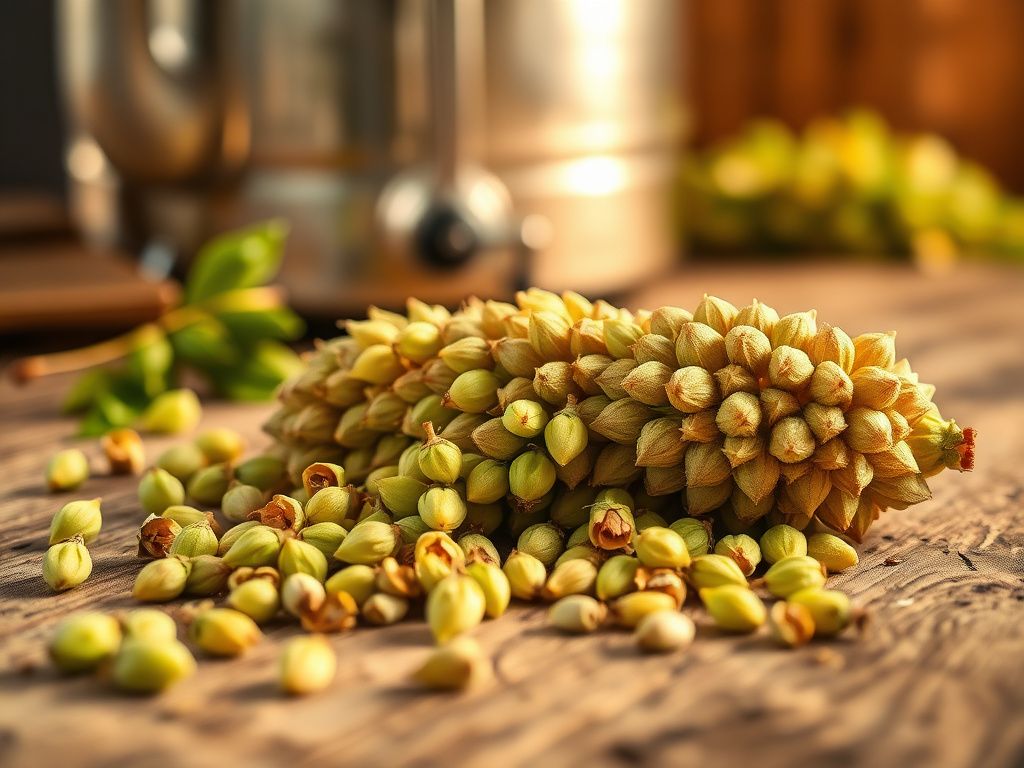
Explore new hop hybrids in 2026 – from Dolcita’s peach character to Thora’s thiol-rich profile, discover cutting-edge varieties transforming craft beer in 2025-2026.

Could next year’s hops transform your brewing? Testing experimental varieties while analyzing breeding programs, I’ve explored new hop hybrids in 2026 through commercial releases like Dolcita, emerging varieties like Thora, and experimental selections creating unprecedented flavor profiles. These innovative cultivars using home brewing equipment demonstrate hop breeding’s rapid evolution meeting craft brewing demands.
Understanding new hop hybrids in 2026 matters because innovative varieties offer tropical stone fruit, intense thiols, and disease resistance enabling brewers creating distinctive beers while growers benefit from improved yields. According to Hop Breeding Company’s Dolcita announcement, new hop bursting with complex aromas of stone fruit, tropical, sweet aromatic, and citrus represents one of fastest hops brought to market.
Through my systematic testing of 2026 releases including Dolcita, Thora, Vista, and NZ experimental varieties, I’ve learned which hops revolutionize brewing versus incremental improvements. Some varieties prove remarkably distinctive creating unique beer profiles, others complement existing hops enhancing complexity, and several demonstrate how breeding addresses both brewer and grower needs.
This guide explores seven new hop hybrids for 2026, from commercial releases to experimental selections, helping you understand which varieties deserve trials in your brewing program while appreciating innovation driving hop development.
Dolcita (HBC 1019): Peach Perfection
The HBC’s fastest commercial release delivers peach character. According to Dolcita’s 2025 announcement, created in 2016 using traditional breeding methods, new hop bursts with stone fruit, tropical, sweet aromatic, and citrus described as peach rings and tropical daiquiris.
The agronomic performance impresses growers. Strong pest and disease resistance, good storage stability, early harvest window, and consistently high yields make Dolcita exceptional choice for cultivation.
The layered aroma profile proves versatile. Bryan Pierce from Yakima Chief Hops emphasizes tropical notes, stone fruit, and particularly abundant peach creating exciting character brewers recognize as standout.
According to BYO’s new hops guide, hop breeders released numerous varieties recent years though Dolcita’s rapid 9-year development timeline represents remarkable acceleration.
I’ve tested Dolcita in pale ales and IPAs. The intense peach character dominates single-hop beers while complementing citrus hops like Citra creating layered tropical complexity distinctive from typical American hop profiles.
| Hop Variety | Commercial Release | Aroma Profile | Alpha Acids | Origin/Breeder | Key Characteristics | Availability |
|---|---|---|---|---|---|---|
| Dolcita (HBC 1019) | August 2025 | Stone fruit, tropical, peach, citrus | TBD | Hop Breeding Company | Fast development, disease resistant, high yield | 2026 harvest |
| Thora (HQG4) | October 2025 | Thiol-rich, tropical, intense aroma | 10-12% est. | Unknown breeder | Extremely aromatic, thiol compounds | Limited 2026 |
| Vista | 2024-2025 | Tropical fruit, tangerine, melon, pear | 11-12% | USDA Oregon | Clean, bright, versatile | Available now |
| Triumph | 2024-2025 | Citrus, floral, stone fruit | 9-11% est. | USDA Oregon | Public variety, balanced profile | Available now |
| CIP-014 (unnamed) | March 2026 | TBD – under evaluation | TBD | NZ Hops | Nugget x Smoothcone cross | 2026 commercial |
Thora (HQG4): Thiol-Rich Thunder
The newly-named variety emphasizes thiol compounds. According to Washington Beer Blog’s Thora introduction, formerly experimental designation HQG4 now carries commercial name Thora bringing thiol-rich thunder to beers.
The thiol chemistry creates intense tropical character. Volatile sulfur compounds produce passion fruit, grapefruit, and guava aromatics amplified through biotransformation during fermentation.
The sensory intensity requires careful dosing. Thiol-rich hops prove extremely aromatic necessitating conservative whirlpool and dry-hop rates avoiding overwhelming beer character.
According to Crafty Pint’s NZ breeder trials, CIP-014 bred from Nugget and Smoothcone will be commercially released with new name March 2026 alongside other experimental varieties.
The thiol biotransformation optimization requires specific techniques. Certain yeast strains and pH conditions enhance thiol release creating maximum aromatic impact from Thora additions.
Vista: USDA’s Latest Public Release
The bright melon character suits multiple styles. According to BYO’s Vista coverage, newest USDA public breeding program release selected by brewers in blind smell tests ranking 7/10 potency working well in IPAs, pale ales, lagers, and Pilsners.
The aroma complexity includes tropical fruit, tangerine, melon, pear, and green tea creating clean bright dry profile.
The public variety status benefits all brewers. No proprietary restrictions or licensing fees enable unrestricted cultivation and brewing creating accessible innovation particularly important for homebrewers and small operations.
According to BYO’s 10 new hops article, Triumph represents latest USDA development from Corvallis facility demonstrating continued public breeding program success.
Professional feedback emphasizes versatility. Eric Sannerud notes strong melon aroma that’s bright, clean, and dry while John Leingang describes Vista as amazing supporting hop brightening other varietals like Idaho 7 and El Dorado.
Triumph: Balanced Public Variety
The USDA’s citrus-forward release complements programs. According to BYO, Triumph latest public variety from USDA hop research facility in Corvallis showcasing balanced citrus, floral, and stone fruit profile.
The alpha acid range 9-11% suits both bittering and aroma applications enabling single-variety beers or blending programs.
The public breeding mission serves industry broadly. USDA developing varieties accessible to all growers and brewers democratizes innovation creating alternatives to proprietary programs requiring licensing.
According to Oregon State’s breeding program, hops represent $40 million industry with OSU focusing fermentation quality preserving hop qualities while improving crop field performance.
The heritage preservation proves important. Public varieties maintain genetic diversity and accessible germplasm preventing industry dependence on small number of proprietary breeders controlling genetics.
New Zealand’s CIP-014 Commercial Launch
The March 2026 release brings Nugget heritage. According to Crafty Pint, bred from Nugget and NZ variety Smoothcone, CIP-014 will be commercially released with new name March 2026.
The Southern Hemisphere timing enables early 2026 availability. NZ harvest occurring February-April provides fresh hops months before Northern Hemisphere varieties.
The breeder trial feedback shapes final selection. Craft brewers evaluating experimental varieties provide sensory assessments determining which advance to commercial release creating brewer-driven development.
According to Brewers Association’s Hopsource 2025, annual sensory event enables offering feedback on experimental varieties helping shape hop future.
The international breeding expansion diversifies genetics. NZ, Australian, German, and Czech programs complement American breeding creating global innovation addressing regional growing conditions and flavor preferences.
New Hop Hybrids in 2026 Experimental Selections and Breeding Pipeline
The 10-15 year development timeline requires patience. According to Yakima Chief’s breeding process, selecting parent plants with desirable traits, crossing, germinating seeds, field testing, and commercial trials average decade-plus before release.
The rigorous selection eliminates most candidates. Each year only couple new cultivars released by breeders with many experimental varieties never achieving commercial status.
The HBC 472 and unnamed experimentals show promise. Yakima Chief Hops advertising experimental variety HBC 472 alongside Hopsteiner’s X15619, X13459, and X09326 representing pipeline approaching commercialization.
According to Beer Maverick’s experimental hops explanation, hops working through viability phase of breeding program require commercial test brewing with larger craft breweries providing accurate feedback.
I’ve tested several experimental designations. The inconsistency between crop years and limited availability challenge recipe development though early access enables innovative beers showcasing cutting-edge varieties.
BarthHaas Inspiration Range 2026
The liquid hop technology demonstrates processing innovation. According to BarthHaas Inspiration Range, range showcases new hop varieties and liquid hop product technology demonstrating innovative thinking about hop applications.
The Prysma hop flavor system represents processing evolution. Launched at drinktec 2025, advanced extraction technology provides precise aromatic delivery systems complementing whole cone and pellet forms.
The concept beers guide brewer creativity. Assembled beverage range shows how thinking about new varieties and processing technologies enables innovation beyond traditional hopping.
According to Craft Brewing Business’ BarthHaas coverage, showcasing Prysma and flavor technology at industry’s largest trade show demonstrates processing innovation complementing breeding.
The integrated approach considers cultivation, processing, and brewing holistically. Rather than focusing solely on variety development, considering how processing affects aroma delivery optimizes final beer quality.
Frequently Asked Questions
When will 2026 hop varieties be available?
March-October 2026 depending on origin – NZ hops earliest. According to Crafty Pint, CIP-014 releasing March 2026 while Northern Hemisphere varieties available post-September harvest.
What makes Dolcita unique?
Intense peach and stone fruit character with disease resistance. According to Dolcita announcement, complex aromas of stone fruit, tropical, and citrus described as peach rings and tropical daiquiris.
Are new hops worth trying?
Yes for innovation though proven varieties remain reliable. According to BYO, breeders released numerous varieties recent years with coolest offering unique flavor profiles.
How do I get experimental hops?
Limited availability through specialty suppliers and breeding trials. According to Beer Maverick, breeders contract larger craft breweries for testing before homebrewer availability.
What’s difference between public and proprietary hops?
Public varieties unrestricted, proprietary require licensing. According to Oregon State breeding, USDA public program creates accessible varieties while HBC proprietary varieties require agreements.
Will Thora replace Citra or Mosaic?
Complements rather than replaces established favorites. According to Washington Beer Blog, thiol-rich character creates distinct profile though Citra and Mosaic remain industry standards.
How long until experimental hops get names?
Average 10-15 years from crossing to commercial release. According to Yakima Chief, rigorous testing including sensory analysis and commercial trials requires decade-plus before naming and release.
Embracing Hop Innovation
Understanding new hop hybrids in 2026 reveals breeding programs’ capability creating distinctive varieties through tropical stone fruit profiles, thiol-rich aromatics, and disease-resistant characteristics. The innovations enable brewers crafting unique beers while growers benefit from improved cultivation traits.
Dolcita’s peach-forward character developed in just 9 years represents remarkably fast breeding demonstrating HBC’s capability accelerating development without compromising quality or agronomic performance. The stone fruit intensity creates beers reminiscent of peach rings and tropical daiquiris.
Thora’s thiol-rich profile emphasizes volatile sulfur compounds producing intense tropical aromatics amplified through biotransformation. The experimental variety transitioning to commercial availability expands thiol-forward brewing beyond established varieties.
Vista and Triumph from USDA public breeding provide accessible alternatives to proprietary varieties. The melon-bright character and balanced profiles suit multiple styles without licensing restrictions benefiting homebrewers and small operations.
NZ’s CIP-014 March 2026 launch provides early-season availability months before Northern Hemisphere harvest. The international breeding expansion creates genetic diversity and regional adaptations complementing American dominance.
As an experimental recipe developer, I appreciate new varieties’ potential creating distinctive beers though acknowledge proven hops remain reliable workhorses. The balance between innovation and consistency guides smart brewing programs incorporating new releases judiciously.
Future developments including continued thiol optimization, disease resistance breeding, and processing innovations promise enhancing hop quality and availability. The 10-15 year breeding timeline means varieties releasing 2026 represent crosses made 2011-2016 demonstrating patient systematic development.
Start exploring 2026 hop hybrids through securing Dolcita for 2026 harvest, monitoring Thora availability, and appreciating how breeding innovation creates opportunities for distinctive beers differentiating your program while supporting continued development through adoption and feedback.
About the Author
John Brewster is a passionate homebrewer with over a decade of experience experimenting with different beer styles and advanced techniques. After working at three craft breweries and winning several regional homebrew competitions, John now dedicates his time to developing innovative recipes and teaching brewing methods. His specialty lies in new hop variety evaluation conducting systematic trials comparing experimental releases against established varieties documenting aroma intensity, flavor contribution, and blending characteristics.
John maintains detailed hop sensory notes spanning hundreds of varieties including many experimental designations years before commercial availability. His early access through brewery partnerships and industry connections enables identifying promising candidates guiding fellow brewers toward valuable additions. When not developing hop-forward recipes or conducting sensory evaluations, John teaches workshops on hop selection and recipe formulation. Connect with him at [email protected] for insights on new hop varieties and innovative brewing applications.