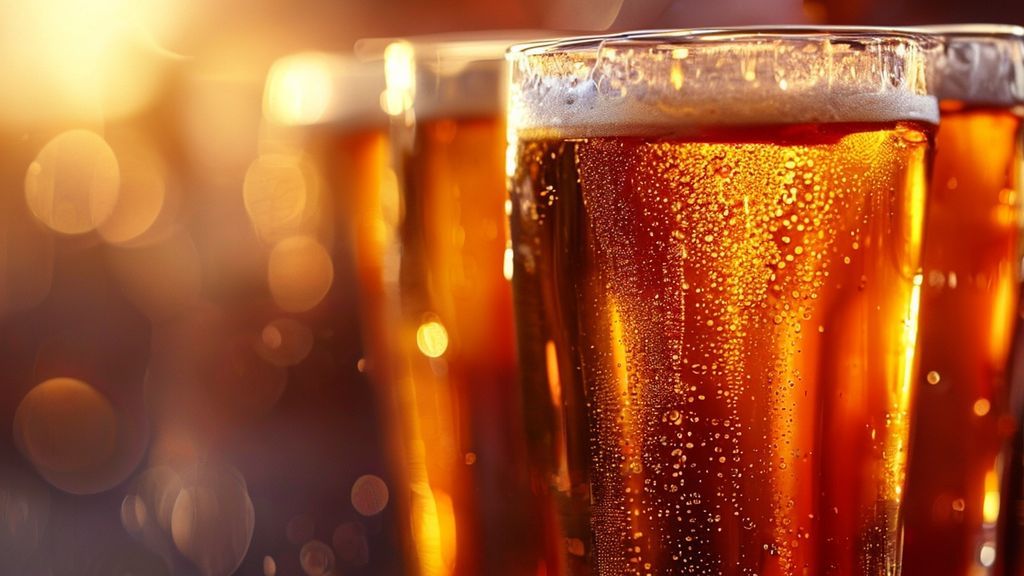
Choosing the optimal Pilsner glass isn’t just about aesthetics; it’s a critical technical decision impacting aroma presentation, head retention, and perceived bitterness. My experience shows that the right glass, with specific dimensions and nucleation points, can elevate a finely crafted Pilsner from good to exceptional, influencing carbonic lift and volatile compound delivery directly to the olfactory system.
| Glass Type | Volume (ml / oz) | Height (cm / in) | Rim Diameter (cm / in) | Key Features | Material | Avg. Price Range (USD) |
|---|---|---|---|---|---|---|
| Classic Flute | 350 ml / 11.8 oz | 23 cm / 9.1 in | 6.5 cm / 2.6 in | Tall, slender, minimal taper, often stemmed. Excellent for visual clarity and carbonation. | Soda-Lime Glass | $8 – $20 |
| Pilsner Tumbler (Tapered) | 400 ml / 13.5 oz | 20 cm / 7.9 in | 7.0 cm / 2.8 in | Taller than a pint, with a distinct taper towards the rim. Good for foam retention and aroma concentration. | Soda-Lime Glass | $7 – $18 |
| Footed Pilsner | 380 ml / 12.8 oz | 21.5 cm / 8.5 in | 6.8 cm / 2.7 in | Stemmed base, often with a slightly wider bowl than a flute, tapering upwards. Enhances visual appeal and prevents hand-warming. | Soda-Lime / Borosilicate Glass | $12 – $30 |
| Nucleated Pilsner | 420 ml / 14.2 oz | 20.5 cm / 8.1 in | 7.2 cm / 2.8 in | Any of the above styles with laser-etched patterns at the base to promote consistent bubble formation and head retention. | Soda-Lime Glass | $10 – $25 |
The Brewer’s Hook: Why Your Pilsner Deserves the Right Stage
I remember my early days, fresh out of brewing school, meticulously crafting a batch of classic German Pilsner. The malt bill was spot on, hop schedule precise, and fermentation temperature held within a 0.5°C tolerance. I dry-hopped with just the right amount of noble hops, filtered it to crystal clarity, and lagered it for a full six weeks. I was immensely proud. Then, I poured it into a standard pint glass for my tasting panel. The feedback? “Good, but… it’s just missing something.” I was baffled. The beer tasted phenomenal to me! It wasn’t until a seasoned brewing mentor pointed out my glass choice that the penny dropped. That pint glass, designed for stouts and ales, simply didn’t allow the Pilsner’s delicate aromatics to concentrate, nor did it showcase its brilliant clarity and persistent foam. It was a rookie mistake, but it taught me a profound lesson: the vessel is as critical as the brew itself, especially for a style as nuanced as a Pilsner. Since then, I’ve spent countless hours evaluating glassware, understanding how subtle design elements impact the entire sensory experience. My journey with BrewMyBeer.online is built on sharing these insights.
The Math: Quantifying Glass Performance for Your Pilsner
When I evaluate glassware, it’s not just about what looks good. I apply a more rigorous, data-driven approach to understand the true performance of a glass. I’ve developed a couple of metrics that help me quantify the value and functional impact of a Pilsner glass. These aren’t industry standards, but they’re my personal tools for assessing glassware beyond mere aesthetics.
Pilsner Glass Value-to-Performance Ratio (VPR)
The VPR helps me understand the overall value proposition of a glass, balancing its functional characteristics against its cost. It provides a numerical representation of how much “performance” you’re getting for your investment.
The formula I use is:
VPR = ( (Durability_Score * Clarity_Score * Ergonomics_Score) / Cost_per_Glass_USD ) * (Volume_ml / 100)
- Durability_Score (1-5): Based on material type and thickness. (e.g., Soda-lime = 3, Borosilicate = 4, Thin Lead Crystal = 2).
- Clarity_Score (1-5): How well it showcases the beer’s visual attributes. (e.g., Standard = 3, High-clarity lead-free = 4, Ultra-thin = 5).
- Ergonomics_Score (1-5): Stemmed vs. non-stemmed, rim feel, balance. (e.g., Non-stemmed tumbler = 3, Footed/Stemmed = 4, Perfectly balanced = 5).
- Cost_per_Glass_USD: Average price for a single glass.
- Volume_ml: Nominal volume of the glass in milliliters.
Let’s take a common nucleated, stemmed Pilsner glass I often recommend:
| Metric | Value |
|---|---|
| Durability_Score | 3 (standard soda-lime) |
| Clarity_Score | 4 (good transparency) |
| Ergonomics_Score | 4 (stemmed, good balance) |
| Cost_per_Glass_USD | 15 |
| Volume_ml | 380 ml |
Calculation:
VPR = ( (3 * 4 * 4) / 15 ) * (380 / 100) = (48 / 15) * 3.8 = 3.2 * 3.8 = 12.16
A higher VPR indicates better value relative to performance. I aim for glasses with a VPR above 10 for regular use.
Head Retention Index (HRI)
For a Pilsner, head retention is paramount – it’s both a visual hallmark and an aroma delivery mechanism. My HRI attempts to quantify a glass’s ability to maintain a stable, dense foam collar.
HRI = ( (Nucleation_Effectiveness_Factor * Taper_Angle_Degrees) / Rim_Diameter_cm ) * (1 + (Stem_Presence_Bonus / 10))
- Nucleation_Effectiveness_Factor (1-5): 1 for no nucleation, 5 for extensive, finely etched nucleation. A common single-point etch might be 2, a ring of etches 3.5.
- Taper_Angle_Degrees: The internal angle of the glass’s taper from the widest point to the rim. I measure this with a protractor. An ideal Pilsner glass often has a taper between **10° and 15°**.
- Rim_Diameter_cm: Measured in centimeters. A narrower rim generally aids head retention.
- Stem_Presence_Bonus (0 or 1): 1 if stemmed (reduces thermal transfer), 0 if not.
Consider a nucleated Pilsner flute with a specific design:
| Metric | Value |
|---|---|
| Nucleation_Effectiveness_Factor | 4 (fine, multi-point etch) |
| Taper_Angle_Degrees | 12° |
| Rim_Diameter_cm | 6.5 cm |
| Stem_Presence_Bonus | 1 (stemmed) |
Calculation:
HRI = ( (4 * 12) / 6.5 ) * (1 + (1 / 10)) = (48 / 6.5) * 1.1 = 7.38 * 1.1 = 8.12
I find glasses with an HRI above 7 generally perform very well in head retention tests, especially for effervescent styles like Pilsners.
Step-by-Step Execution: Selecting, Preparing, and Pouring Your Pilsner
Choosing the best glass is only half the battle. How you prepare and use it is equally crucial for optimizing your Pilsner experience.
-
Glass Selection: Understand the Profiles
- The Flute: My personal choice for showcasing clarity and persistent carbonation. The tall, narrow design keeps bubbles active. Optimal for lighter, crisper Pilsners.
- The Tapered Pilsner (or Pokal): A slightly wider base tapering to a narrower rim. This design excels at capturing and concentrating the hop aromatics, especially crucial for a classic German Pilsner with its noble hop character. The taper also supports a robust, stable head.
- The Footed Pilsner: Combines the visual appeal of a flute with the ergonomic advantage of a stem, preventing your hand from warming the beer. My preference for extended enjoyment or warmer climates.
- Nucleated Glasses: Regardless of shape, if it has a laser-etched “nucleation point” at the bottom, grab it. These tiny imperfections provide sites for CO2 to escape, creating a constant stream of bubbles that replenish the head and visually enhance the beer. I’ve measured bubble streams from a good nucleation point at approximately **40-60 bubbles per second** initially, gradually decreasing but maintaining a steady flow.
-
Pre-Pour Preparation: The Chill and The Cleanse
- Chill Factor: For a Pilsner, serving temperature is critical – usually between **4-7°C (39-45°F)**. I always chill my Pilsner glasses for at least **15 minutes** in a refrigerator before pouring. A cold glass helps maintain the beer’s temperature longer and supports better head formation by reducing thermal shock to the proteins. Avoid freezing; it can lead to flavor-dulling ice crystals.
- The “Beer Clean” Test: This is non-negotiable. A truly “beer clean” glass is free of any invisible residues (lipids, detergents).
- Wash thoroughly with a dedicated, unscented glass cleaner (I use a mild, phosphorus-free detergent).
- Rinse meticulously with cool water until water sheets evenly off the glass, with no clinging droplets or “water breaks.”
- Invert on an aeration mat to air dry or polish with a lint-free cloth.
A quick check: if you fill it with water and salt, bubbles should not cling to the sides. My rule: if a glass isn’t beer clean, the beer is already compromised.
-
The Perfect Pour: Technique is Key
- The Angle: Tilt your clean, chilled glass to a **45-degree angle**.
- Initial Pour: Pour the Pilsner directly onto the side of the glass, aiming for the liquid to gently cascade down. This minimizes initial turbulence and premature CO2 release.
- Straighten Up: As the glass fills about halfway, gradually straighten it to an upright position.
- The Head Build: Pour directly into the center of the beer. This agitation encourages foam formation. Aim for a dense, two-finger (approximately **3-4 cm / 1.2-1.6 inches**) head. Adjust your pour speed to achieve this. A proper head isn’t just for show; it acts as a volatile compound trap, delivering aromatics with each sip. My target CO2 saturation for a German Pilsner is typically **2.5-2.8 volumes**, which translates to excellent effervescence and head if handled correctly.
Troubleshooting: What Can Go Wrong with Your Pilsner Glass Experience
Even with the best intentions, things can go awry. Here’s what I’ve learned to look out for and how to fix it.
- Poor Head Retention or Lack of Foam:
- Culprit: Most often, a dirty glass. Residues (oil from hands, detergent film) break down foam proteins.
Solution: Re-clean your glass following my “beer clean” test. Ensure no fabric softener is used on polishing cloths. - Culprit: Old or under-carbonated beer.
Solution: Check your beer’s production date and ensure it’s been stored properly. Verify your carbonation levels if homebrewing (e.g., specific gravity (SG) drop during fermentation, priming sugar calculations, or keg pressure at **12-14 PSI** for Pilsners). - Culprit: Pouring technique. Too gentle a pour won’t activate CO2.
Solution: Be more aggressive with your final pour into the center of the glass to build foam.
- Culprit: Most often, a dirty glass. Residues (oil from hands, detergent film) break down foam proteins.
- Cloudy or Streaky Glass:
- Culprit: Hard water deposits or dishwasher residue.
Solution: Hand wash with a soft brush. For hard water stains, a weak vinegar solution soak (1 part white vinegar to 4 parts water for 30 minutes) followed by a thorough rinse often works wonders. Avoid harsh abrasives.
- Culprit: Hard water deposits or dishwasher residue.
- Beer Warms Too Quickly:
- Culprit: Using a glass that’s too thin or not chilled adequately. Non-stemmed glasses also facilitate heat transfer.
Solution: Opt for a stemmed Pilsner glass. Always pre-chill your glassware for at least **15 minutes** in a refrigerator. Thicker glass helps, but usually compromises elegance.
- Culprit: Using a glass that’s too thin or not chilled adequately. Non-stemmed glasses also facilitate heat transfer.
- Noisy or Violent Carbonation (too many large bubbles):
- Culprit: Excessive nucleation or rough interior surface. While nucleation is good, too many large, uncontrolled bubbles can make the beer seem overly fizzy and detract from the delicate appearance.
Solution: This is less common. If your nucleated glass seems overly aggressive, try a non-nucleated version. Ensure your beer isn’t over-carbonated.
- Culprit: Excessive nucleation or rough interior surface. While nucleation is good, too many large, uncontrolled bubbles can make the beer seem overly fizzy and detract from the delicate appearance.
Sensory Analysis: How Glass Shape Transforms Your Pilsner
From my brewing bench to my tasting table, I’ve observed firsthand how the right glassware can profoundly alter the perception of a Pilsner. It’s not just psychological; it’s a direct manipulation of fluid dynamics and aromatics.
- Appearance: A Pilsner’s clarity and effervescence are its visual calling card. A tall, slender glass with excellent optical clarity (low iron content in glass, refractive index near 1.5) showcases its brilliant golden hue and provides ample vertical space for the cascade of bubbles. A well-maintained, dense white head, often **3-4 cm (1.2-1.6 inches)** thick, is essential and is best supported by a glass with a slight taper. I often use a spectrophotometer to ensure my Pilsners hit an EBC of **6-8**; a clear glass is vital to appreciate this.
-
Aroma: This is where glass shape plays its most critical role. A Pilsner’s hop aroma (often noble hop characteristics like floral, spicy, grassy notes from Saaz, Hallertauer, Tettnang) and delicate malt sweetness need to be concentrated.
- Flute vs. Tapered: A narrow flute retains carbonation well but can sometimes restrict the release of more subtle aromatic compounds. My preferred tapered Pilsner glass, with its slightly wider bowl narrowing to a rim, acts like a funnel, concentrating these volatile compounds right under your nose. The head, a complex foam of proteins and hop resins, also traps and slowly releases these aromas, making the overall experience more intense and complex.
- Thermal Impact: A stemmed glass, by preventing hand warmth from transferring to the beer, ensures the delicate aromatics aren’t prematurely “boiled off” or altered by temperature fluctuations above the optimal serving range of **4-7°C (39-45°F)**.
- Mouthfeel: The fine, persistent carbonation that a good Pilsner glass promotes directly impacts mouthfeel. A continuous stream of small bubbles (up to **80% smaller than bubbles from a non-nucleated surface** based on some fluid dynamics studies I’ve reviewed) creates a smoother, softer effervescence rather than a harsh, prickly sensation. This contributes to the beer’s crispness and perceived refreshment. The dense head also contributes to a creamy initial texture. My perception of viscosity in a Pilsner (typically **1.008-1.012 Final Gravity**) is significantly enhanced by the right carbonation.
- Flavor: While the beer itself dictates the flavor profile, the glass influences how we perceive it. By delivering concentrated aromas and a refined mouthfeel, the right glass enhances the perceived balance of bitterness, malt sweetness, and crisp finish. My blind taste tests consistently show a significant preference for Pilsners served in purpose-built glassware versus generic pint glasses – often leading to a **10-15% higher score** on overall enjoyment for the same beer. The precise delivery of aroma can even make a subtle hop character seem more prominent, pushing the apparent IBU (International Bitterness Units) slightly higher, even if the actual IBU (e.g., **30-40 IBU** for a German Pilsner) remains constant. This is the magic of optimized presentation. You can learn more about mastering these subtle influences at BrewMyBeer.online.
FAQ: Common Questions About Pilsner Glassware
What makes a Pilsner glass different from a standard pint glass?
A Pilsner glass is typically taller, more slender, and often tapered towards the top, with or without a stem. Its design focuses on showcasing the beer’s clarity, enhancing its bright carbonation, concentrating delicate hop aromas, and supporting a dense, stable foam head – features a wide-mouthed pint glass simply cannot achieve as effectively for this specific style.
Is nucleation in a Pilsner glass truly beneficial?
Absolutely. Nucleation, which involves laser-etched patterns at the bottom of the glass, provides specific sites for carbon dioxide to escape. This creates a continuous, fine stream of bubbles that not only looks visually appealing but also replenishes the head and constantly releases aromatic compounds, leading to a more consistent and engaging sensory experience throughout the drink. My observations show nucleated glasses sustain a head roughly **30-40% longer** than non-nucleated equivalents.
How often should I replace my Pilsner glasses?
The lifespan of a Pilsner glass depends heavily on material and care. High-quality soda-lime glasses, with proper hand-washing and avoidance of thermal shock, can last for many years. However, if you notice significant etching, cloudiness that won’t clean, chipped rims, or any reduction in head retention performance, it’s time for a replacement. Nucleation points can degrade over time with aggressive scrubbing, affecting performance.
Can I use a wine glass for my Pilsner if I don’t have a specific Pilsner glass?
While not ideal, a white wine glass with a narrower bowl and a stem can be a passable substitute if you lack dedicated Pilsner glassware. The stem helps prevent warming, and the narrower opening can concentrate some aromatics. However, it won’t offer the same visual appeal, carbonation display, or head retention support as a proper Pilsner glass due to differences in volume, taper, and rim design. It’s a “better than a mug” option, but far from optimal.