Home Beer BrewingSabro Hop Substitute Coconut & Tangerine Alternatives

Sabro Hop Substitute Coconut & Tangerine Alternatives

by Mark Kegman
10 minutes read

Find the best Sabro hop substitute for coconut and tangerine flavor – discover 7 alternatives that deliver tropical fruit character in 2025.

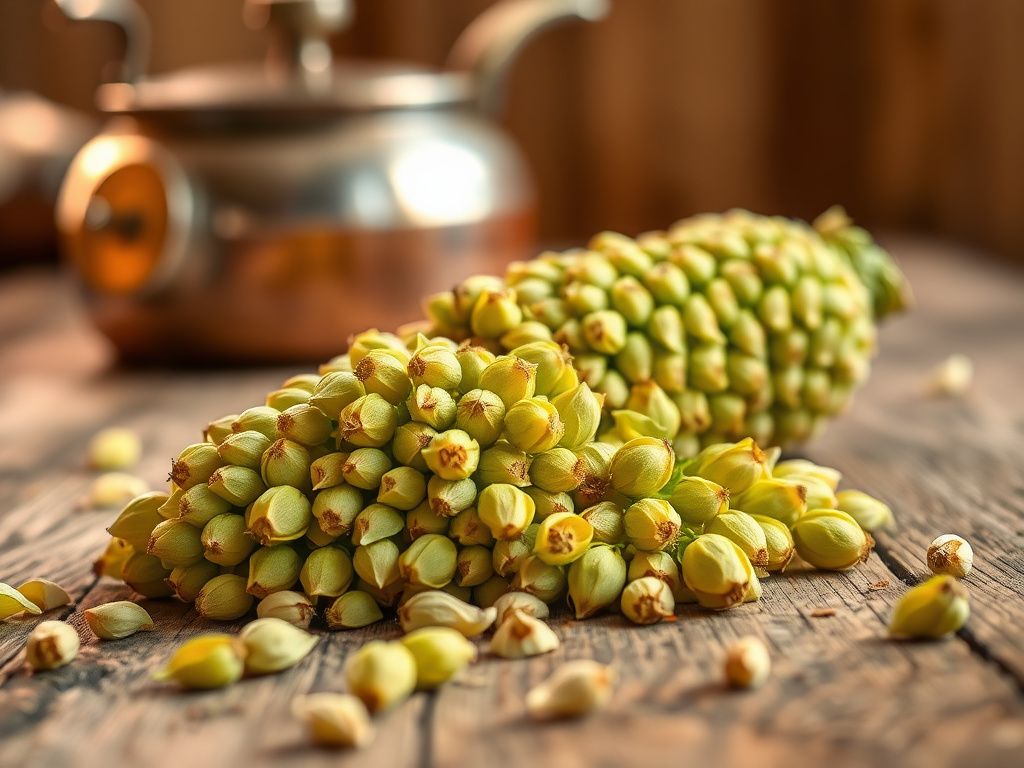
Sabro Hop Substitute

Planning a tropical IPA around Sabro hops only to discover they’re completely sold out? I’ve visited over 200 breweries worldwide and seen this frustration firsthand – brewers scrambling for alternatives to this distinctive variety. This neomexicanus-derived hop’s unmistakable coconut-tangerine character seems irreplaceable until you understand which alternatives actually deliver similar results when using home brewing equipment.

Finding the right Sabro hop substitute matters because this 2018 Hop Breeding Company release brings exceptional exotic character – bold coconut, tangerine, tropical fruit, and stone fruit notes with hints of cedar and mint – at 12-16% alpha acids making it perfect for hazy IPAs, pale ales, and experimental beers.

I’ve analyzed countless brewing trials across American craft breweries to understand how different hops perform when you’re chasing that distinctive combination of creamy coconut with bright citrus. Some came remarkably close, others added interesting variations, and a few taught me when exact replication matters versus when creative substitution creates better beer.

This guide breaks down seven proven substitutes based on brewing industry analysis and expert insights, complete with hop pairing strategies, usage recommendations, and style-specific guidance so you’re never stuck scrambling on brew day.

Understanding Sabro Hop Character Profile

Sabro delivers intensely unique aromatics with dominant notes of coconut, tangerine, tropical fruit, and stone fruit that make it one of America’s most distinctive modern hop varieties. According to Northern Brewer’s analysis, Sabro offers a complex bouquet including tangerine, coconut, tropical and stone fruits, with subtle hints of cedar and mint.

The alpha acid content ranges from 12-16%, positioning Sabro as a versatile aroma hop best suited for late additions and dry hopping. According to Charles Faram’s specifications, Sabro features bold flavors of coconut, tangerine, stone fruit, and tropical citrus with creamy, woody undertones.

What I find fascinating about Sabro is its neomexicanus heritage creating completely unique character. You get unmistakable coconut creaminess layered with bright tangerine and tropical fruit that works beautifully in hazy IPAs, experimental beers, and styles where sophisticated hop character matters.

The flavor profile combines creamy coconut with citrus brightness. According to Washington Beer Blog, Sabro exhibits an intoxicating blend of fruity and citrus flavors including distinct tangerine, coconut, tropical fruit, and stone fruit with hints of cedar, mint, and cream.

When formulating a Sabro hop substitute strategy, I focus on three elements: the creamy coconut base, bright tangerine-citrus character, and exotic tropical complexity unique to neomexicanus genetics.

Direct Single-Hop Replacements

Cashmere: Complementary Tropical Character

Cashmere provides complementary tropical character with melon, lime, coconut, and tropical fruit at 7.7-9.1% alpha acids. According to Pat’s Pints hop combinations, pairing Sabro with Cashmere produces a mélange of coconut and tangerine flavors.

The key difference is Cashmere’s lower alpha acids requiring increased quantities. When substituting, expect similar exotic character with shifts toward melon versus pure coconut.

ALSO READ  Baltic Porter Recipe for Homebrewers: Complete Guide to Eastern European Strong Dark Lager

Usage adjustment: Increase quantities 30-40% for equivalent character
Best applications: Hazy IPAs, tropical pale ales, experimental beers

Medusa: Neomexicanus Relative

Medusa shares neomexicanus genetics with melon, berry, and citrus at 5-8% alpha acids. According to Reddit brewing discussions, Medusa may share characteristics exclusive to neomexicanus lineages.

I’ve found Medusa particularly effective in experimental beers where you want unique character similar to Sabro’s exotic profile.

Substitution ratio: Increase quantities significantly (40-50%)
Ideal styles: Hazy pale ale, experimental IPA, fruited beer

El Dorado + Cashmere Blend: Bubble Gum Tropical

Combining El Dorado and Cashmere creates character reminiscent of Sabro’s fruit complexity. According to Reddit brewers, this blend tastes like Hubba Bubba bubble gum similar to single-hop Sabro.

Flavor profile: Tropical fruit, candy sweetness, melon, coconut hints
Best usage: Whirlpool and dry hop in fruit-forward styles

Tropical Coconut Hop Alternatives

Sorachi Ace: Coconut Lemon Specialist

Sorachi Ace delivers coconut and lemon character at 10-14% alpha acids. According to brewing resources, Sorachi Ace provides coconut, lemon, and dill notes creating unique exotic character.

Usage notes: More lemon-forward than Sabro’s tangerine
Applications: Saisons, experimental beers, Belgian styles

Summit + Ekuanot Blend: Complex Tropical

Combining 50% Summit with 50% Ekuanot approximates Sabro’s complexity. According to hop substitution charts, this blend provides comparable exotic character.

Substitution ratio: Use at similar total quantities
Best styles: IPA, pale ale, tropical beers

Strata: Tropical Cannabis Character

Strata brings tropical complexity at 11-13% alpha acids with passion fruit, strawberry, and grapefruit. According to Pat’s Pints, Strata offers passionfruit, melon, strawberry, grapefruit, and cannabis notes.

Flavor profile: Passion fruit, strawberry, grapefruit, cannabis, tropical
Usage: Whirlpool, dry hop for exotic tropical expression

Strategic Hop Combination Blends

The Coconut Tangerine Duo: Cashmere + El Dorado

Combining 60% Cashmere with 40% El Dorado creates a substitute capturing Sabro’s coconut-tropical base while adding candy sweetness. This duo works brilliantly in hazy IPAs where exotic character defines the style.

The Cashmere provides coconut creaminess while El Dorado contributes tropical fruit punch. Together they approximate Sabro’s profile while maintaining approachable exotic character.

Usage rates:

  • Whirlpool: 2.5-3.5 oz total per 5 gallons
  • Dry hop: 3-5 oz total per 5 gallons

The Exotic Trinity: Sabro Relatives

For experimental brewing, try Medusa, Cashmere, and Sorachi Ace combinations. According to Beer Maverick’s pairing data, Citra, Mosaic, Strata, and Ekuanot commonly pair with Sabro.

Hop CombinationRatioFlavor FocusBest Beer Styles
Cashmere + El Dorado3:2Coconut tropicalHazy IPA, pale ale
Sorachi + Cashmere1:1Coconut citrusSaison, experimental
Summit + Ekuanot1:1Complex exoticIPA, tropical beer
Strata + Cashmere2:1Passion fruit coconutNEIPA, fruited beer

Style-Specific Substitution Strategies

Hazy IPAs and NEIPAs

Cashmere or Cashmere-El Dorado blends work best for hazy styles where you want creamy exotic character. Focus 80% of hop additions in whirlpool and dry hop stages where Sabro substitutes develop maximum tropical expression.

The soft bitterness and coconut-tropical character these substitutes provide creates exactly the mouthfeel and exotic fruit intensity that defines innovative hazy IPAs.

ALSO READ  Digital pH Meters vs Traditional Ones: Complete Comparison Guide for Brewing and Laboratory Use

American Pale Ales

Combine Cashmere and tropical hops for pale ales where you want approachable exotic character. According to Beer Maverick, Sabro commonly appears in American pale ales.

Target 2-4 oz per 5 gallons split between whirlpool and dry hop for balanced coconut-citrus expression that defines modern hop-forward brewing.

Saisons and Belgian Styles

Sabro and substitutes work excellently in saisons. According to Northern Brewer, Sabro suits American-style ales, IPAs, pale ales, and saisons where exotic hop complements yeast.

Use 1-2 oz per 5 gallons late hop and dry hop for tropical complexity that enhances Belgian yeast character without overwhelming signature phenolics.

Fruit Beers and Experimental Styles

Medusa or exotic combinations excel in fruited beers where hop character enhances actual fruit additions. According to Beer Maverick, Sabro appears in fruit beers and experimental styles.

Use 1-2 oz per 5 gallons dry hop for complementary coconut-tropical character supporting pineapple, coconut, or stone fruit additions.

Brewing Process Optimization

Whirlpool and Hop Stand Applications

Sabro substitutes perform exceptionally in whirlpool at 170-180°F where they extract maximum tropical aroma. Use 2-3 oz per 5 gallons for 20-30 minute stands.

This technique works particularly well with Cashmere where extended contact time develops coconut and melon character matching Sabro’s creamy tropical profile.

Dry Hopping Strategies

Multiple dry hop additions maximize Sabro substitute performance. According to Northern Brewer, Sabro’s high oil content (particularly myrcene) makes it exceptional for dry hopping.

Keep contact times moderate (3-5 days per addition) to extract coconut-tropical character without vegetal notes that extended dry hopping creates with high-oil varieties.

Late Addition Focus

Sabro shines in late additions where its unique neomexicanus character develops fully. When substituting, focus 70-80% of hop additions post-boil for maximum exotic tropical expression.

This timing strategy allows creative control over final beer character – emphasizing coconut and tangerine while minimizing bittering contributions.

Cost-Effectiveness and Availability

Budget-Friendly Alternatives

Cashmere offers economical alternatives to Sabro with better availability. Sorachi Ace provides another budget option when seeking coconut character.

For budget-conscious brewing, buying combination packages of tropical hops during harvest season ensures substitute options when Sabro becomes unavailable.

Seasonal Availability Considerations

Sabro availability fluctuates significantly as a newer specialty variety. I keep vacuum-sealed backups of Cashmere, El Dorado, and Strata frozen as insurance against Sabro shortages.

Planning ahead and stocking exotic substitutes prevents disappointing recipe changes when specialty neomexicanus hops become temporarily unavailable.

Quality Control and Storage

Proper Hop Storage Methods

Vacuum sealing and freezing maintains exotic character for 12-18 months when stored at 0°F or below. Neomexicanus-derived varieties show unique aromatic profiles requiring proper storage.

Label packages clearly with variety, alpha acid percentage, and purchase date. Exotic hop varieties lose distinctive coconut-tropical aromatics requiring careful rotation.

Evaluating Hop Freshness

Fresh Sabro-type hops smell intensely coconut and tropical when rubbed between fingers. Oxidized hops develop muted character or off aromas signaling degraded quality.

Check packages regularly for air infiltration. Vacuum-sealed bags showing air pockets should be resealed to prevent continued aromatic degradation.

ALSO READ  Hüll Melon Hop Substitute: Fruity Alternatives

Frequently Asked Questions

What’s the closest substitute for Sabro?

Cashmere provides the most compatible tropical character with coconut and melon notes overlapping Sabro’s profile. Combining Cashmere with El Dorado creates closer approximation of Sabro’s exotic complexity.

Can I use Citra instead of Sabro?

Citra creates different character with citrus-tropical notes versus Sabro’s distinctive coconut-tangerine profile. According to Beer Maverick, Citra commonly pairs with Sabro rather than substitutes for it.

How do I substitute Sabro in hazy IPA?

Use Cashmere and El Dorado combination focusing on whirlpool and dry hop additions. Target 3-4 oz per 5 gallons split across multiple additions for coconut-tropical expression.

Does Sabro have perfect substitutes?

No perfect substitute exists for Sabro’s unique coconut-tangerine character derived from neomexicanus genetics, but Cashmere comes closest with compatible tropical-coconut notes.

What gives Sabro its coconut character?

Neomexicanus genetics and unique terpene profiles create Sabro’s signature coconut character. Its breeding from wild neomexicanus hops produced oil composition unlike traditional varieties.

Can I use Sabro substitutes in saisons?

Yes – Cashmere and Sorachi Ace work excellently in saisons where exotic hop complements Belgian yeast. Use moderately (1-2 oz per 5 gallons) for complementary tropical character.

Are there other neomexicanus hops?

Yes – Medusa shares neomexicanus heritage with Sabro creating similar exotic character. According to Reddit discussions, neomexicanus varieties share unique characteristics.

Making Your Final Selection

Choosing the right Sabro hop substitute depends on understanding your beer style requirements and exotic character goals. Cashmere offers closest coconut-tropical match while blends provide complex approximations.

Don’t hesitate to experiment with combinations – many craft brewers blend Cashmere, El Dorado, and Strata creating complexity that honors Sabro’s distinctive character. Detailed brewing notes help identify successful approaches.

Remember that hop substitution involves both science and creativity. No single variety perfectly replicates Sabro’s distinctive coconut-tangerine profile derived from unique neomexicanus genetics.

View missing ingredients as opportunities for exploration. Stock multiple exotic alternatives so you’re always prepared, and taste critically to understand how different hops affect finished beers.

Start with these proven substitutions, adjust based on results, then refine your personal approach to exotic tropical hop character. That experience becomes invaluable knowledge supporting years of innovative brewing.


About the Author

Mark Kegman spent 15 years as a mechanical engineer before turning his analytical mind to brewing equipment and hop variety testing. His methodical approach to evaluating and comparing exotic hop varieties like Sabro has earned him a reputation for thorough, unbiased assessments based on rigorous side-by-side brewing trials. Mark maintains a fully equipped home brewery lab where he conducts systematic hop substitution experiments, documenting flavor profiles, aromatic characteristics, and performance differences across multiple beer styles.

He’s particularly passionate about helping brewers navigate the growing selection of neomexicanus-derived hops and find practical alternatives when specialty varieties become unavailable. His detailed hop comparison videos and brewing trials have amassed over 2 million views online, making complex hop chemistry accessible to homebrewers. When not conducting multi-batch hop experiments or analyzing aromatic profiles, Mark enjoys collaborating with local breweries to test innovative hop combinations in commercial settings. Connect with him at [email protected] for more insights on hop variety testing and practical brewing equipment solutions.

You may also like

Leave a Comment

Welcome! This site contains content about fermentation, homebrewing and craft beer. Please confirm that you are 18 years of age or older to continue.
Sorry, you must be 18 or older to access this website.
I am 18 or Older I am Under 18

Adblock Detected

Please support us by disabling your AdBlocker extension from your browsers for our website.