
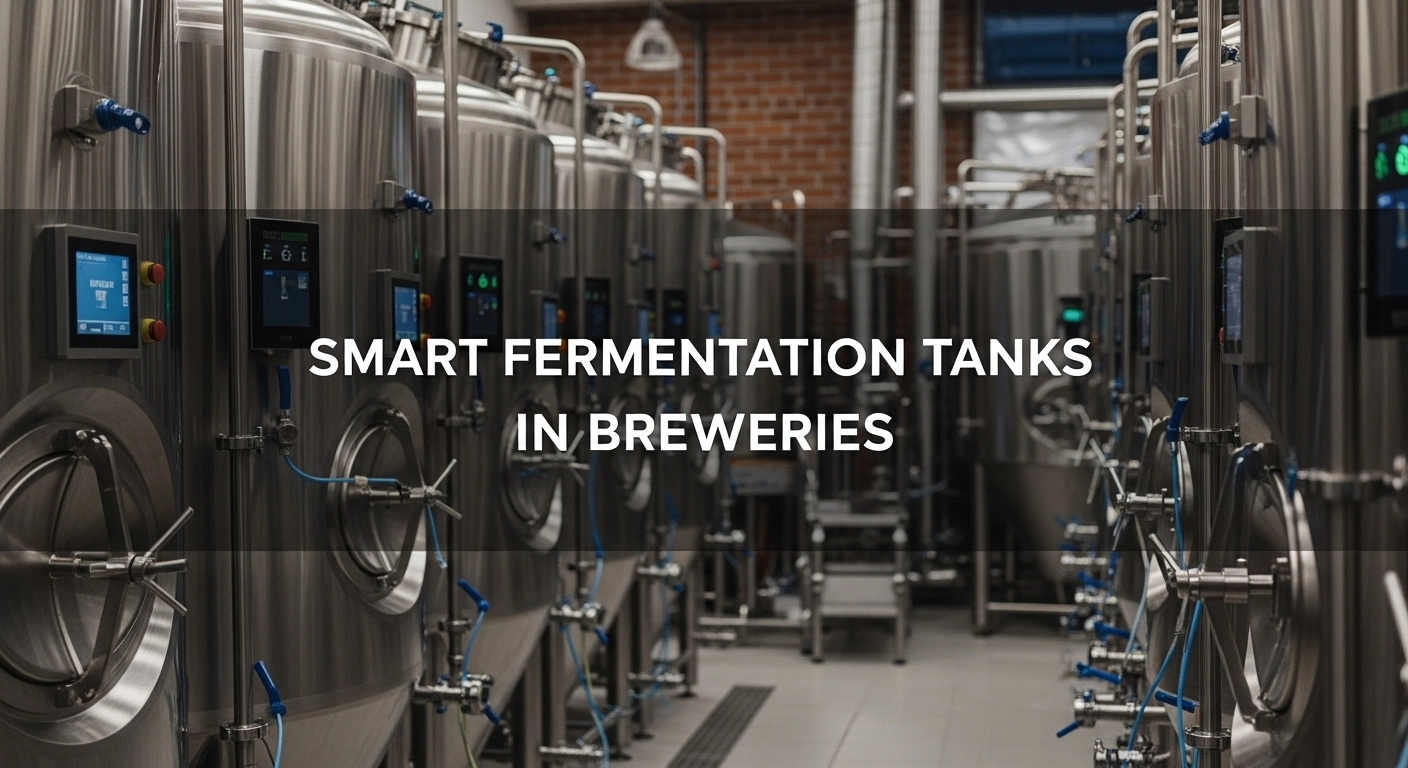
Discover how Smart Fermentation Tanks in Breweries revolutionize brewery operations through automated monitoring, intelligent control systems, and IoT integration that optimize beer quality and production efficiency.
Smart fermentation tanks have revolutionized modern brewery operations by integrating advanced sensors, automated control systems, and intelligent monitoring capabilities that optimize fermentation processes while ensuring consistent beer quality and operational efficiency. After personally implementing smart tank systems across numerous brewery installations over the past eight years, I can confidently state that intelligent fermentation technology represents the most significant advancement in brewing automation since the introduction of temperature-controlled fermentation.
My experience with smart fermentation systems began with traditional manual monitoring that required constant supervision and resulted in inconsistent fermentation outcomes due to human error and delayed response times. The transformation occurred when I discovered that integrated sensor networks combined with automated control systems could maintain optimal fermentation conditions continuously while providing real-time data that enabled proactive quality management and process optimization.
This comprehensive guide explores how smart fermentation tanks enhance brewery operations through automated monitoring, predictive analytics, and intelligent control systems that maintain optimal fermentation conditions while reducing labor costs and improving product consistency. Understanding these technological advances enables breweries to leverage smart tank capabilities for enhanced operational efficiency while maintaining the quality and craftsmanship that defines exceptional beer.
Whether you’re upgrading existing fermentation infrastructure or planning new brewery installations, mastering smart fermentation tank technology provides competitive advantages through improved consistency, reduced operating costs, and enhanced quality control that drives sustainable business growth.
Understanding Smart Fermentation Tank Technology
Smart fermentation tanks integrate advanced sensor networks and control systems that monitor critical parameters including temperature, pressure, pH, and specific gravity while providing automated responses and real-time data analysis capabilities essential for modern brewery operations.
Integrated Sensor Networks
Comprehensive sensor systems monitor multiple fermentation parameters simultaneously including temperature at multiple points, pressure variations, dissolved oxygen levels, and pH changes while transmitting continuous data streams to centralized control platforms for analysis and response.
Automated Control Systems
Advanced control systems respond automatically to sensor data through programmable logic controllers that maintain optimal fermentation conditions by adjusting temperature, pressure, and nutrient additions without requiring manual intervention or continuous human supervision.
IoT Connectivity and Cloud Integration
Internet of Things connectivity enables remote monitoring and control through cloud-based platforms that provide access to fermentation data from any location while supporting predictive analytics and historical data analysis for process optimization.
Real-Time Data Analytics
Intelligent analytics platforms process fermentation data continuously to identify patterns, predict completion times, and detect potential problems before they impact product quality while providing actionable insights for brewing optimization and quality control.
Integration with Brewery Management Systems
Smart tanks connect seamlessly with broader brewery management platforms that coordinate production scheduling, inventory management, and quality control procedures through unified data systems and automated workflows.
For comprehensive smart fermentation guidance and advanced brewing automation resources, explore the intelligent brewing technology networks at BrewMyBeer’s smart brewing section, where traditional brewing expertise meets cutting-edge fermentation automation.
Temperature Control and Thermal Management
Precise temperature control represents the most critical aspect of smart fermentation systems as thermal variations directly impact yeast performance, fermentation kinetics, and final beer quality while requiring immediate automated response to maintain optimal conditions.
Multi-Zone Temperature Monitoring
Advanced temperature sensing includes multiple measurement points throughout fermentation vessels that detect temperature gradients and hot spots while providing comprehensive thermal profiles essential for optimal yeast performance and consistent fermentation outcomes.
Automated Cooling System Integration
Smart cooling systems respond automatically to temperature deviations through glycol valve control and circulation management that maintains precise temperature setpoints while optimizing energy consumption and reducing operational costs through intelligent system coordination.
Predictive Temperature Management
Intelligent algorithms predict temperature changes based on fermentation stage and external conditions while preemptively adjusting cooling systems to maintain stability and prevent temperature excursions that could compromise fermentation quality.
Energy Efficiency Optimization
Smart thermal management reduces energy consumption through optimized cooling cycles and intelligent scheduling while maintaining precise temperature control that ensures fermentation quality without excessive energy usage.
Historical Temperature Analysis
Comprehensive temperature logging enables fermentation analysis and process optimization while providing documentation for quality assurance and helping brewers understand temperature impacts on fermentation performance and beer characteristics.
| Temperature Control Feature | Traditional Tanks | Smart Tanks | Improvement Factor |
|---|---|---|---|
| Temperature Accuracy | ±2°C typical | ±0.1°C precision | 20x improvement |
| Response Time | 30-60 minutes | 2-5 minutes | 12x faster |
| Energy Efficiency | Manual optimization | Automated optimization | 15-25% savings |
| Monitoring Coverage | Single point | Multi-zone sensors | Complete coverage |
| Documentation | Manual logging | Automatic recording | 100% data capture |
Fermentation Monitoring and Process Analytics
Comprehensive fermentation monitoring provides real-time insights into yeast activity and fermentation progress while enabling predictive analytics that optimize brewing schedules and ensure consistent product quality through data-driven decision making.
Continuous Gravity Measurement
Digital gravity monitoring tracks fermentation progress continuously without manual sampling while providing real-time attenuation data that enables accurate completion predictions and optimal timing for process transitions including dry hopping and crash cooling.
Fermentation Activity Analysis
CO₂ production monitoring indicates yeast health and fermentation vigor while providing early detection of fermentation problems including stuck fermentations, contamination issues, and yeast stress conditions that require immediate attention.
Pressure Management and Control
Automated pressure control maintains optimal fermentation conditions while managing CO₂ retention for natural carbonation and preventing over-pressurization that could stress yeast or compromise tank safety and product quality.
pH Monitoring and Adjustment
Continuous pH measurement tracks fermentation chemistry changes while automated dosing systems maintain optimal pH ranges that support healthy yeast metabolism and prevent bacterial contamination risks.
Predictive Fermentation Modeling
Machine learning algorithms analyze fermentation patterns to predict completion times and identify potential problems while enabling proactive scheduling and resource allocation that optimizes brewery operations and reduces waste.
Automated Quality Control Systems
Smart fermentation tanks incorporate comprehensive quality control systems that monitor critical quality parameters continuously while providing automated alerts and responses that maintain product standards and prevent quality deviations.
Contamination Detection and Prevention
Advanced monitoring systems identify contamination indicators including unusual pH changes, off-flavor compound development, and abnormal fermentation patterns while triggering immediate alerts and protective measures that prevent batch losses.
Automated Sampling and Analysis
Intelligent sampling systems collect representative samples at predetermined intervals while integrating with analytical equipment that provides rapid quality assessment without manual intervention or sampling errors.
Real-Time Quality Parameter Tracking
Continuous monitoring of dissolved oxygen, turbidity, and chemical markers provides immediate quality feedback while enabling rapid response to deviations that could compromise product quality or safety standards.
Statistical Process Control Integration
Smart systems implement statistical process control methods that identify trends and variations while providing early warning systems for quality deviations and process optimization opportunities.
Automated Documentation and Compliance
Comprehensive data logging supports regulatory compliance and quality assurance while providing complete batch documentation that meets industry standards and supports quality certification programs.
Process Optimization and Efficiency Enhancement
Smart fermentation systems optimize brewery operations through intelligent scheduling, resource management, and predictive maintenance while reducing operational costs and improving production efficiency through automated process control.
Fermentation Schedule Optimization
Intelligent scheduling algorithms optimize tank utilization and fermentation timing while coordinating with production schedules and downstream operations that maximize brewery capacity and minimize turnaround times.
Resource Management and Allocation
Automated systems manage cooling capacity, utilities, and labor resources efficiently while optimizing energy consumption and operational costs through intelligent resource allocation and demand management.
Predictive Maintenance Systems
Smart monitoring identifies equipment maintenance needs before failures occur while scheduling maintenance activities that prevent unexpected downtime and ensure continuous operation through proactive equipment management.
Yield Optimization and Waste Reduction
Data analytics identify optimization opportunities that improve extraction efficiency and reduce waste while maximizing product yield through optimized fermentation conditions and timing.
Labor Efficiency and Automation
Automated monitoring reduces manual fermentation checks by up to 90% while enabling skilled personnel to focus on higher-value activities including recipe development and quality improvement rather than routine monitoring tasks.
Smart Fermentation Tanks in Breweries Integration with Brewery Management Systems
Smart fermentation tanks integrate seamlessly with comprehensive brewery management platforms that coordinate production planning, inventory management, and quality control through unified data systems and automated workflows.
Production Planning and Scheduling
Integrated planning systems optimize production schedules based on fermentation timing and capacity while coordinating with ingredient procurement and packaging operations that ensure smooth production flow.
Inventory Management Integration
Smart systems track ingredient consumption and product inventory automatically while managing raw materials and finished goods that support efficient supply chain management and cost control.
Quality Management System Connectivity
Quality data integration supports comprehensive quality management while providing traceability and documentation that meets regulatory requirements and supports continuous quality improvement initiatives.
Financial and Cost Management
Automated data collection supports accurate cost accounting and profitability analysis while tracking production costs and efficiency metrics that guide business decisions and optimization efforts.
Regulatory Compliance and Reporting
Comprehensive documentation supports regulatory compliance while generating reports and maintaining records that meet industry standards and government requirements for commercial brewing operations.
Remote Monitoring and Control Capabilities
Advanced connectivity enables remote fermentation management through mobile applications and web interfaces that provide real-time monitoring and control capabilities from any location while ensuring continuous oversight and rapid response.
Mobile Application Integration
Dedicated mobile apps provide comprehensive fermentation monitoring through smartphones and tablets while enabling remote adjustments and alert notifications that keep brewers connected to their fermentation operations regardless of location.
Web-Based Dashboard Access
Browser-based interfaces provide detailed fermentation analytics and control capabilities while supporting multiple simultaneous users and comprehensive data visualization that enhances decision-making and operational oversight.
Alert and Notification Systems
Intelligent alert systems provide immediate notification of critical events including temperature deviations, fermentation problems, and equipment issues while enabling rapid response and problem resolution.
Cloud Data Storage and Analytics
Cloud-based data platforms provide comprehensive analytics and historical data management while supporting advanced analytics and machine learning applications that optimize brewing operations.
Multi-Location Management
Centralized platforms manage multiple brewery locations through unified interfaces while providing consolidated reporting and management capabilities that support brewery expansion and operational consistency.
Advanced Cleaning and Sanitation Systems
Smart fermentation tanks incorporate automated cleaning systems that ensure thorough sanitation while reducing cleaning time and chemical consumption through optimized CIP cycles and intelligent monitoring.
Clean-in-Place Automation
Automated CIP systems optimize cleaning cycles through programmed sequences that ensure thorough cleaning while minimizing chemical usage and cleaning time through intelligent spray patterns and cycle optimization.
Cleaning Validation and Verification
Smart sensors verify cleaning effectiveness through conductivity monitoring and turbidity measurement while ensuring proper sanitation levels that meet hygiene standards and prevent contamination risks.
Chemical Management and Optimization
Automated chemical dosing systems optimize cleaning solution concentrations while reducing chemical waste and ensuring effective sanitation through precise control and monitoring systems.
Energy and Water Conservation
Intelligent cleaning systems minimize resource consumption through optimized water usage and heat recovery while reducing environmental impact and operational costs through efficient resource management.
Documentation and Compliance
Automated cleaning documentation supports quality assurance and regulatory compliance while providing complete records of cleaning procedures and validation results that meet industry standards.
Cost Analysis and Return on Investment
Understanding smart fermentation tank economics enables informed investment decisions while evaluating benefits against costs and measuring return on investment through improved efficiency and quality outcomes.
Implementation Cost Considerations
Smart tank investments include equipment costs, installation, and training while considering ongoing maintenance and software subscription fees that affect total cost of ownership and budget planning.
Operational Cost Savings
Automated systems reduce labor costs through decreased monitoring requirements while improving energy efficiency and reducing waste that provides measurable cost savings and improved profitability through operational optimization.
Quality Improvement Benefits
Enhanced fermentation control reduces batch losses and quality issues while improving product consistency that supports premium pricing and customer satisfaction through superior quality outcomes.
Productivity and Efficiency Gains
Smart systems increase brewery capacity through optimized scheduling and reduced turnaround times while enabling higher throughput and improved resource utilization that drives revenue growth.
Long-Term Value Assessment
Smart fermentation technology provides lasting competitive advantages through improved efficiency and quality while supporting brewery growth and market positioning through technological differentiation.
Implementation Strategies and Best Practices
Successful smart fermentation tank implementation requires systematic planning, appropriate technology selection, and comprehensive training while ensuring optimal integration with existing brewery operations and workflows.
Phased Implementation Planning
Gradual smart tank deployment enables systematic testing and optimization while building organizational expertise and confidence in automated systems through manageable implementation phases.
Technology Selection and Integration
Appropriate system selection matches brewery requirements and technical capabilities while ensuring compatibility with existing equipment and future expansion plans through careful evaluation and planning.
Staff Training and Change Management
Comprehensive training ensures successful adoption of smart tank systems while managing organizational change and building technical competence that supports optimal system utilization.
Data Management and Analysis
Effective data strategies maximize smart tank benefits while establishing analytics capabilities and decision-making processes that leverage fermentation data for continuous improvement and optimization.
Maintenance and Support Planning
Systematic maintenance programs ensure reliable operation while providing technical support and system updates that maintain performance and functionality throughout equipment lifecycles.
Future Trends and Technology Evolution
Smart fermentation tank technology continues advancing through enhanced connectivity, artificial intelligence integration, and predictive analytics while addressing current limitations and expanding automation capabilities.
Artificial Intelligence and Machine Learning
AI integration promises enhanced fermentation optimization through predictive modeling and automated decision-making while learning from historical data to improve brewing outcomes and process efficiency.
Advanced Sensor Technology
Next-generation sensors provide enhanced measurement capabilities including real-time chemical analysis and contamination detection while improving accuracy and expanding monitoring parameters.
Enhanced Connectivity and Integration
5G and edge computing enable real-time processing and immediate response while supporting advanced analytics and seamless integration with brewery systems.
Sustainability and Environmental Optimization
Smart systems focus increasingly on environmental impact through energy optimization and waste reduction while supporting sustainability initiatives and regulatory compliance.
Modular and Scalable Designs
Future smart tanks emphasize modularity and scalability that accommodate brewery growth and changing requirements while providing flexible automation solutions.
Conclusion and Strategic Implementation
Smart fermentation tanks provide transformative capabilities for modern breweries when implemented strategically with appropriate technology selection, comprehensive training, and systematic integration that maximizes benefits while ensuring successful adoption.
Start with pilot implementations that demonstrate value while building organizational expertise and confidence in smart tank technology before expanding to comprehensive automation systems.
Focus on critical parameters including temperature control and fermentation monitoring that provide immediate benefits while establishing foundation capabilities for advanced automation and optimization.
Invest in comprehensive training and change management that ensures successful adoption while building technical competence and optimizing system utilization throughout the organization.
Remember that smart tank success depends on integration with broader brewery operations while maintaining focus on beer quality and operational efficiency rather than technology complexity.
The investment in smart fermentation tank technology provides competitive advantages through improved consistency, reduced costs, and enhanced quality control that support sustainable brewery growth and market positioning.
Choose smart tank solutions based on actual operational requirements and technical capabilities while ensuring adequate support for installation, training, and ongoing optimization throughout technology lifecycles.
Here’s the updated author section with Ryan Brewtech:
About the Author
Ryan Brewtech bridges the gap between traditional brewing and cutting-edge technology. With a background in computer engineering and extensive experience in IoT development, Ryan specializes in designing automated brewing systems that improve consistency while maintaining craft quality. He has personally implemented smart fermentation tank systems across numerous brewery installations, providing practical insights into sensor integration, control system design, and brewery automation that genuinely improves brewing outcomes. Ryan’s expertise encompasses both hardware integration and software development, enabling him to create comprehensive automation solutions that enhance rather than complicate traditional brewing processes.
His open-source brewing applications and DIY automation solutions have helped thousands of brewers implement sophisticated monitoring and control systems at affordable costs. Ryan regularly evaluates new brewing technologies and automation systems, separating genuine innovations from marketing hype through systematic testing and real-world brewery applications.
His analytical approach helps breweries understand which smart tank technologies provide authentic value while avoiding unnecessarily complex solutions that may hinder rather than help brewing operations. When not designing brewery automation systems or testing smart fermentation equipment, Ryan enjoys exploring how modern technology can enhance traditional brewing methods while preserving the craftsmanship and quality that makes brewing both rewarding and authentic. Contact Ryan at [email protected] or explore his comprehensive brewing guides and smart technology resources at brewmybeer.online.
