Last updated:
Blue Moon is one of the beers I recommend most often when someone asks for a craft-adjacent introduction that’s available at mainstream venues, it has genuine Belgian witbier character (orange peel, coriander, unfiltered wheat haze) at a price point and availability that craft-only options can’t match. The alcohol content question comes up partly because the hazy appearance and soft mouthfeel make some people uncertain whether it’s stronger or weaker than it looks. The answer is straightforward.
Blue Moon alcohol content by variant
Blue Moon Belgian White (the flagship) is 5.4% ABV. This is the standard draft and bottle version available at most US bars and retailers. Blue Moon LightSky is 4.0% ABV, the lighter variant with citrus wheat character. Blue Moon Mango Wheat is 5.4% ABV. Blue Moon Iced Coffee Blonde is 5.7% ABV. Blue Moon Non-Alcoholic Belgian White is 0.5% ABV or less depending on market. Blue Moon Honey Dew Wheat is 5.4% ABV. The flagship Blue Moon Belgian White at 5.4% is slightly above standard lager strength (Budweiser 5.0%, Heineken 5.0%), it’s in the mid-range of Belgian-style wheat beers, which typically run 4.5–6.0% ABV. The original inspiration, Hoegaarden Belgian witbier, is 4.9% ABV for comparison.
Blue Moon’s relationship to craft beer
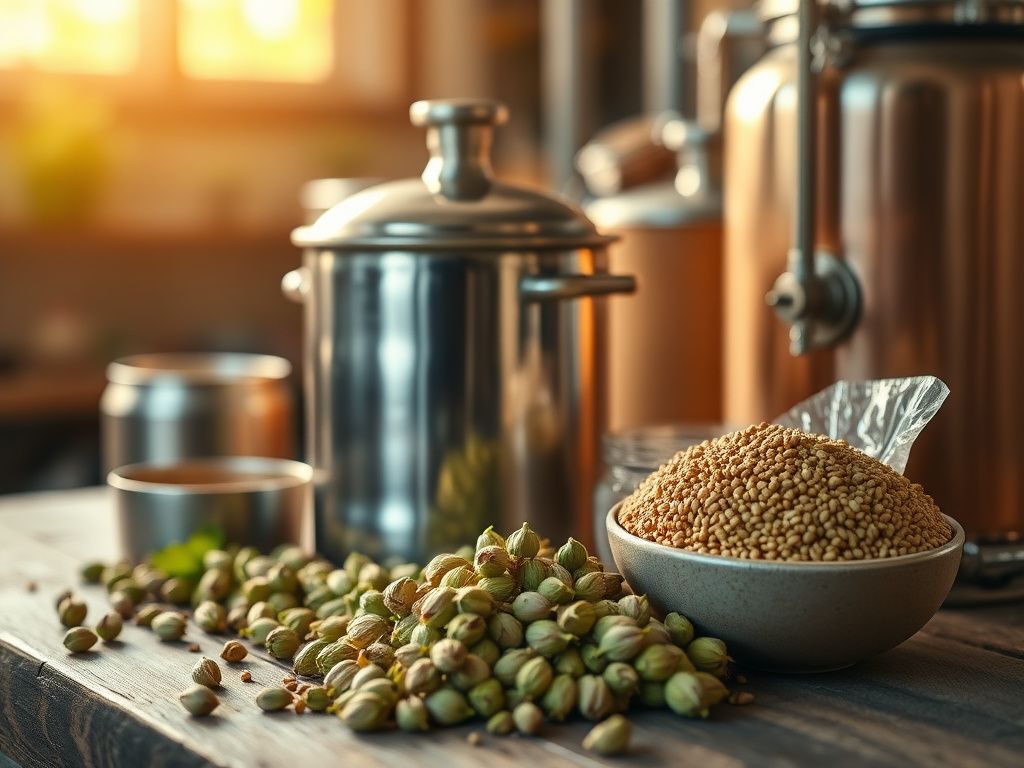
Blue Moon is produced by MillerCoors (now Molson Coors), a major macro brewing conglomerate, it’s not an independent craft brewery. The “Blue Moon Brewing Company” branding was created as a craft-adjacent identity for a product produced at industrial scale. For many years Molson Coors did not prominently disclose the Blue Moon-MillerCoors connection on packaging, which drew criticism from the craft brewing community. The beer itself is a legitimate witbier recipe, orange peel, coriander, and unmalted wheat are authentic Belgian white beer ingredients, and Blue Moon’s flavor profile is reasonably representative of the style. Whether a drinker cares about the corporate ownership is a values question; the beer’s quality relative to its style is separate from its production economics. For homebrewers interested in the style: Belgian witbier is one of the most accessible styles to brew at home and produces results that typically surpass Blue Moon in freshness and character, the combination of unmalted wheat, orange peel, and coriander is straightforward and forgiving.
Common Questions
Why is Blue Moon served with an orange slice?
Blue Moon is served with an orange slice because the marketing program for the beer, which launched in 1995 at the Coors Field baseball stadium in Denver, established the orange garnish as a visual presentation element that emphasizes the beer’s orange peel ingredient. Belgian witbier uses dried Curaçao orange peel in the recipe, so the orange garnish has a legitimate flavor connection, the fresh orange slice visually signals the citrus character of the beer and adds aromatics as the drinker drinks. The practice spread because it became associated with the brand and because it works reasonably well, the fresh orange does complement the beer’s flavor profile. Some beer purists object to any fruit in beer glasses on grounds of interfering with objective tasting; practically speaking, if you enjoy the orange slice, the beer is designed to be served that way, and skipping it is also fine. The practice is similar to the lime wedge in Corona, a marketing-driven garnish convention that has genuine flavor logic behind it even if its origin is commercial rather than traditional.